How to Store Coffee Beans? A Complete Guide to Coffee Bean Storage Methods
"How should I store the bag of beans I bought?" "Should coffee beans be refrigerated?" "How long can coffee beans be kept?" "Why are the beans you sell already roasted several days ago? Don't you have fresher ones!" FrontStreet Coffee is asked these questions about coffee beans almost every day. Regarding coffee bean storage, FrontStreet Coffee presents a coffee bean storage guide in this article.
Q1: How to judge the freshness of coffee beans?
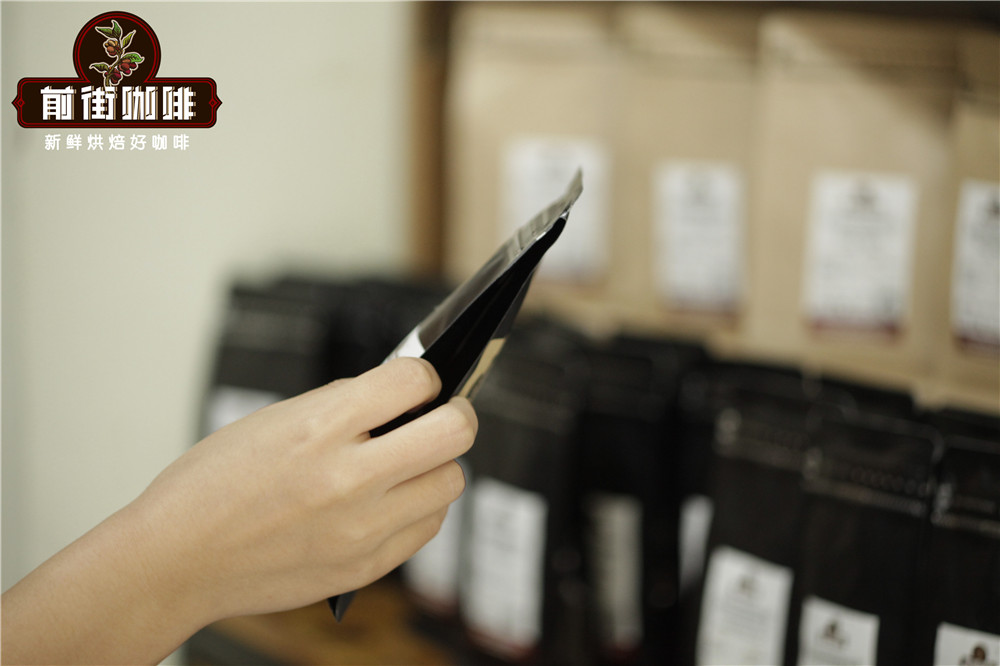
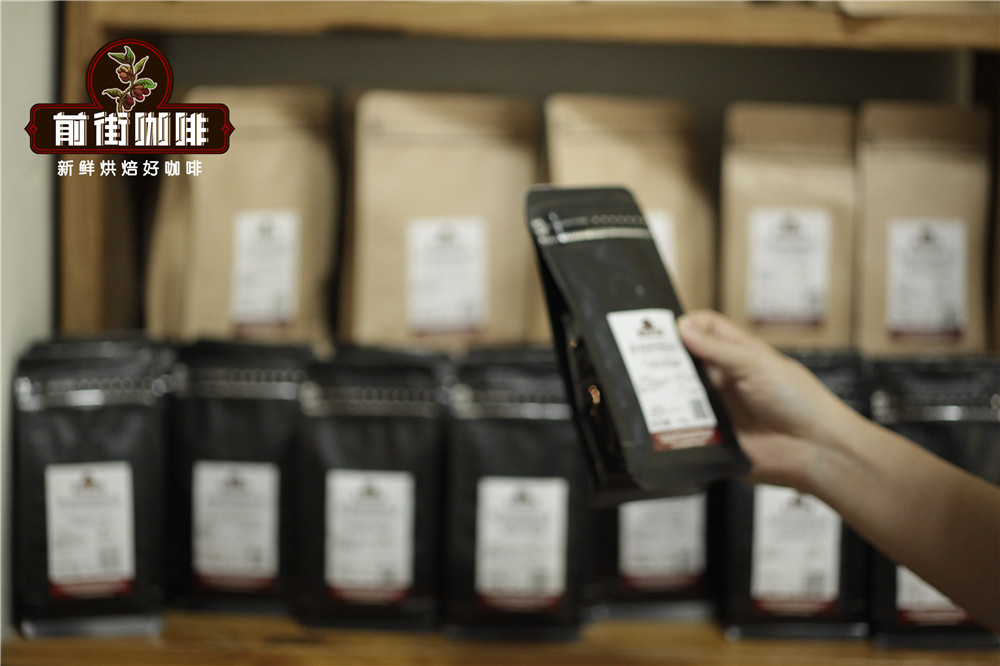
When we buy a bag of coffee beans, everyone can look at the roasting date on the packaging (this refers to the roasting time of the coffee beans, not the expiration date). You can also see a button-sized one-way degassing valve on the packaging, which is used to release the carbon dioxide produced by the coffee beans inside the packaging while preventing external air and moisture from entering. FrontStreet Coffee believes that the freshest state of coffee beans is within 30 days from the completion of roasting, while the best flavor period for coffee is within 14 days from the completion of bean resting.
Q2: What is bean resting? Why do we need to rest beans?
People emphasize freshness when it comes to things they put in their mouths, and coffee is no exception. Freshly ground coffee can better reduce flavor loss, and fresh roasting is another important dimension of "freshness." However, extremes meet: coffee beans that have been stored for too long don't taste good, and overly fresh coffee beans don't taste good either. That's why we rest the beans — quietly waiting for the coffee beans to release carbon dioxide in the packaging for a few days.
Bean resting is a process of gas release and carbon dioxide emission. Coffee beans that have just undergone intense roasting contain about 2% carbon dioxide by weight, and this large amount of carbon dioxide is emitted depending on the storage environment and methods, making the pressure inside the packaging higher than one atmosphere. That pressure helps the fusion of aromatic compounds and oils, bringing all the aromatic substances inside the coffee beans to a state where they can be easily extracted.
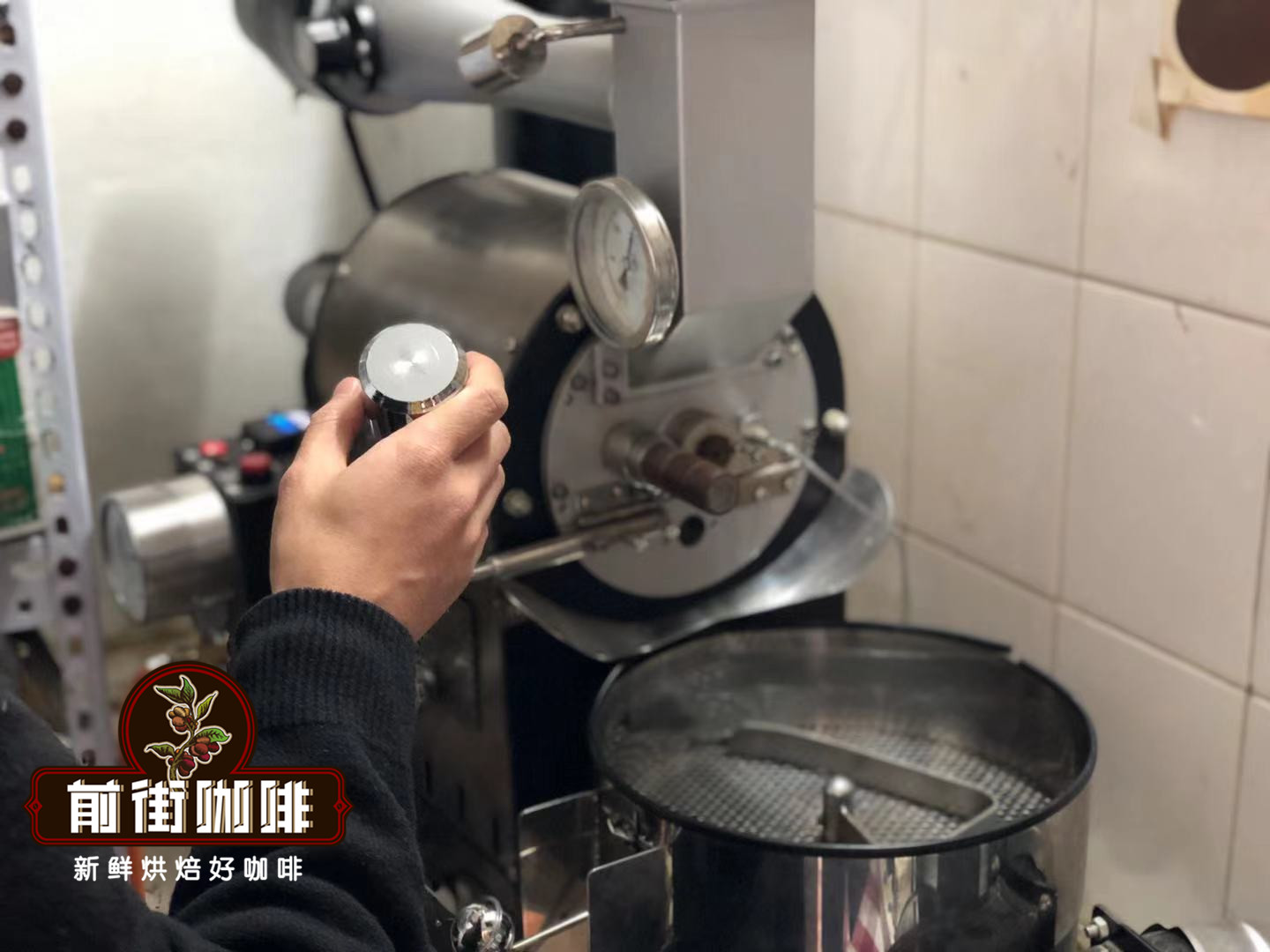
Generally, the degassing of coffee beans only begins about 3 hours after roasting is completed. Coffee beans that haven't released any carbon dioxide will taste very unstable after brewing. If you've ever poured hot water over freshly roasted and ground coffee, or pulled an espresso with it, you'll find the taste sharp and harsh, with over-extracted bitterness and obvious acidity — hard to associate with that smooth, sweet cup you were hoping for.
Q3: Can't I brew directly without resting the beans?
Never underestimate the importance of bean resting, because coffee that hasn't been properly rested tends to have impure flavors. First, under-rested coffee beans have a "dry" feeling, which is the residual smoky taste inside the beans after high-temperature roasting. It needs to dissipate through a period of carbon dioxide release. Compared to unrested coffee, coffee that has been left to rest for a few days will taste cleaner and its flavors more prominent.
Q4: How long should coffee beans be rested?
Because roasting methods differ between coffee shops and brands, different coffee beans come with different roast levels and different degrees of structural change, so there's no single standard answer for resting time. For freshly roasted coffee beans from FrontStreet Coffee, we suggest resting light roast beans for 3-4 days and medium roast beans for 4-5 days.
Q5: How to store coffee beans after bringing them home?
① Avoid light sources and high temperatures: The damaging effect of light on coffee beans is easy to understand: when coffee beans are exposed to light, the heat accelerates oxidation and the aromatic compounds inside evaporate more quickly. If too many aromatics evaporate before brewing, the extractable flavor substances are reduced, so the coffee will taste bland and off. Blocking sunlight with proper storage equipment is therefore very important.
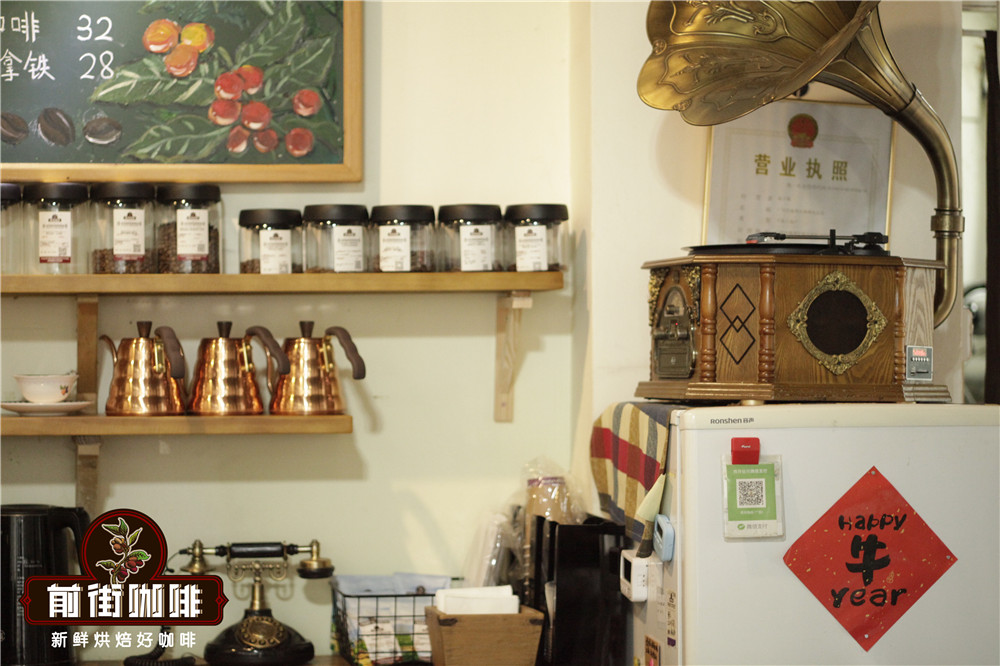
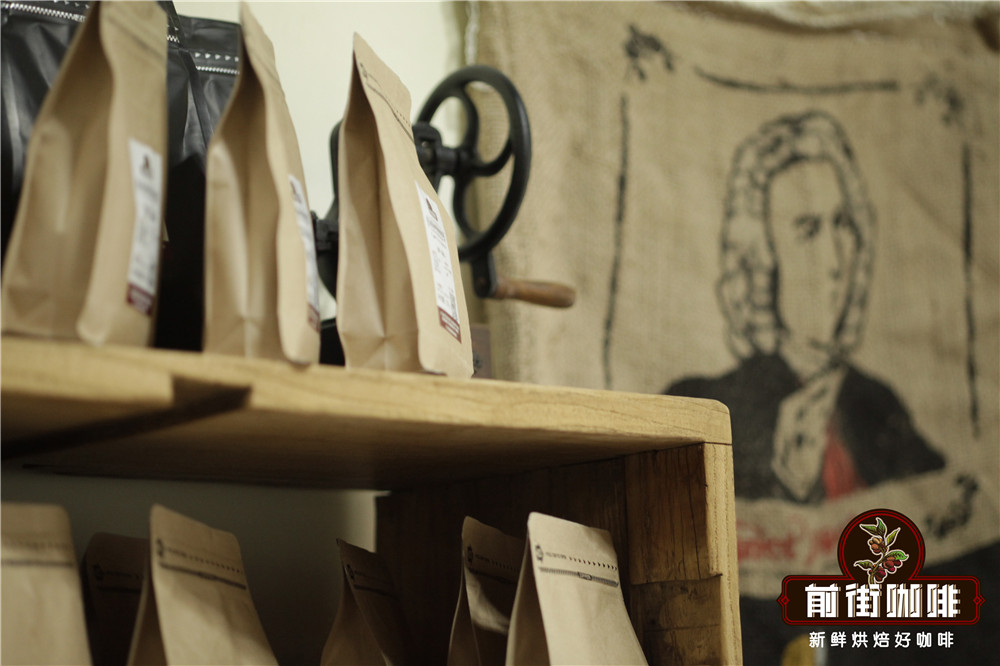
FrontStreet Coffee recommends using packaging bags with one-way degassing valves to hold coffee beans. The aluminum foil inner layer of the valve bag acts like a sunshade, providing light blocking and heat insulation. Alternatively, use opaque, well-insulated sealed jars as storage containers. As for why coffee shops often use transparent sealed jars, first, their usage frequency is high and the beans are used up quickly, and second, it's for display purposes.
② Avoid oxidation: Coffee beans oxidize relentlessly when exposed to sufficient oxygen, so moderately reducing oxygen exposure extends their fresh-keeping time. But oxygen is everywhere — it will rush into your one-way valve bag within 3 seconds of opening it — so blocking air completely is very difficult. After weighing out the beans you need, seal the remainder as quickly as possible to limit oxidation.
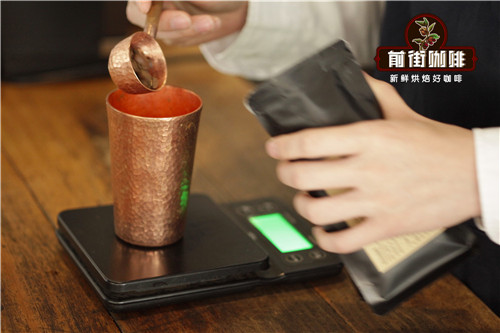
③ Avoid contact with water: More precisely, moisture in the air. Coffee beans in humid environments spoil more easily than beans kept dry, developing defects such as moldy smells, while also accelerating the loss of good flavors. Sealing and storing as quickly as possible after each use is the best protection.
Q6: Do coffee beans need to be refrigerated for storage?
Absolutely, absolutely, absolutely do not store them in the refrigerator. The porous fiber structure of coffee beans easily absorbs refrigerator odors; secondly, when beans are taken out of the refrigerator, the temperature difference between the cold beans and the warm outside air easily produces condensation, making the beans susceptible to dampness. FrontStreet Coffee suggests storing coffee beans at room temperature in a place that avoids light and high temperatures and stays dry.
FrontStreet Coffee Recommendation
Good storage deserves good beans, and medium roast coffees are a great place to start if you want balance without leaning too sour or too bitter. FrontStreet Coffee's Brazil Queen Estate, a Yellow Bourbon from the world's largest coffee-producing country, tastes softly sweet after medium roasting, with cream peanut, chocolate, toasted bread, and sugarcane notes — equally at home in a pour-over, a moka pot, or an espresso machine.
If you prefer something sweeter and fruitier, try the FrontStreet Coffee "Strawberry Candy" Geisha blend, which combines Costa Rican honey-process coffee with Panama washed Geisha; its medium roast reveals tangerine-honey fragrance and rounded sweetness, suited to cold brew, pour-over, or espresso. For a budget-friendly classic, the Yunnan 2013 natural Typica delivers nuts, brown sugar, black tea, and dried apricot, while the Jamaica Blue Mountain No.1 — also medium roasted — melds acidity, bitterness, sweetness, and body into an elegant, refined cup of chocolate, roasted nuts, cream, and caramel that few other coffees can match.
Important Notice :
FrontStreet Coffee is a long-established specialty coffee roaster in Guangzhou China, selling freshly roasted beans from its own farm in Yunnan as well as dozens of carefully selected single-origin beans from around the world for both pour-over and espresso. The products deliver consistently excellent quality and great value, with shipping within 24 hours. Guangzhou's FrontStreet Coffee shop is recommended by many coffee lovers, and the beans are now available online at the Tmall 。
FrontStreet Coffee has moved to a new address:
FrontStreet Coffee Address: 315,Donghua East Road,GuangZhou
Tel:020 38364473
 Scan and follow the En Gafei WeChat official account. Please indicate that the reprint comes from "En Gafei".