The Story and Characteristics of Rwandan Coffee Growing Regions - Gesheke Bourbon Coffee Processing Methods and Flavors
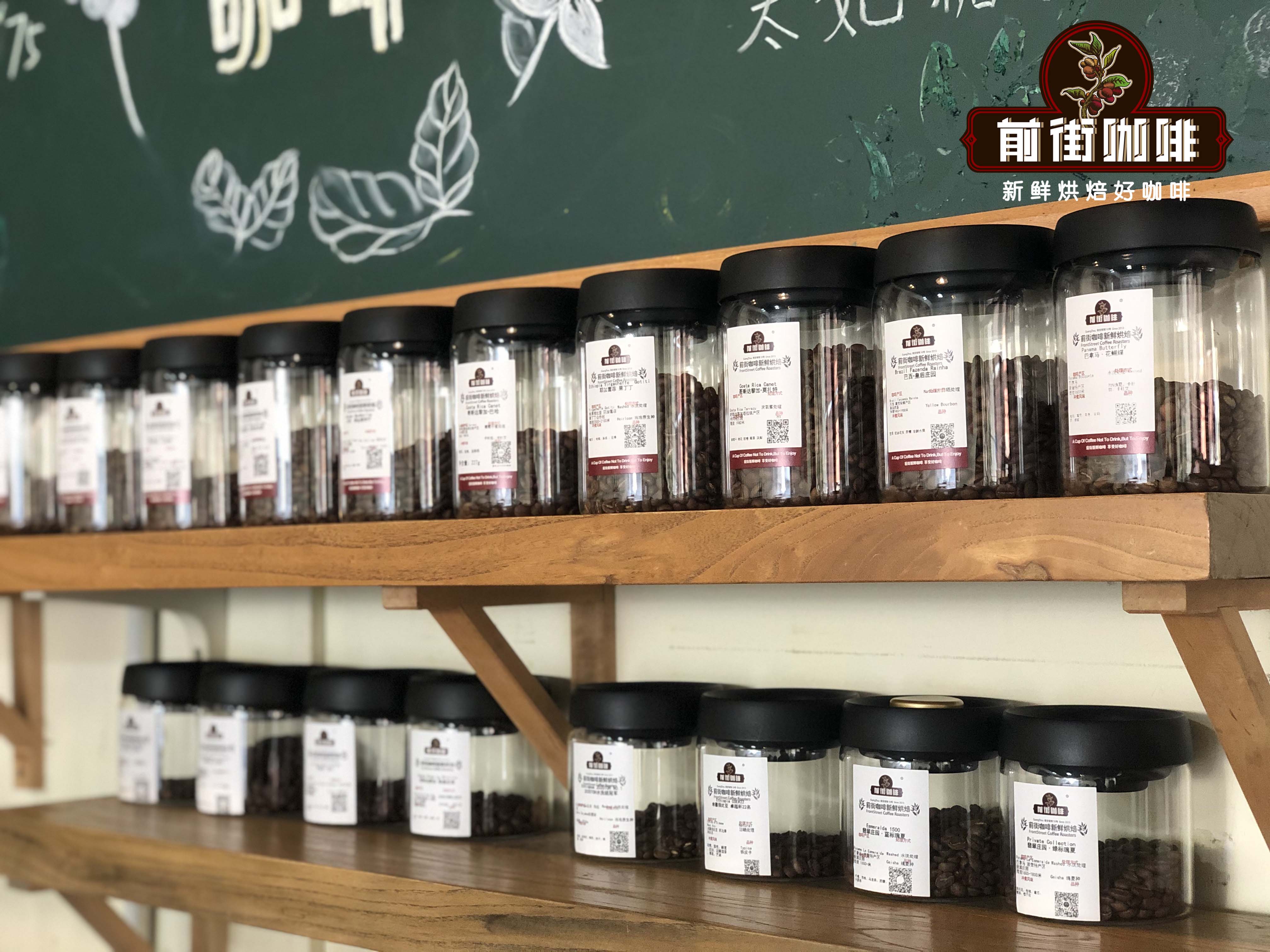
Famous coffee regions in Africa include not only Ethiopia and Kenya but also Rwanda, which has been a frequent champion in the Cup of Excellence competition in recent years. Rwanda entered the specialty coffee market only in the past few decades. In this article, FrontStreet Coffee introduces the regional character of Rwandan coffee.
Rwandan Coffee Region Characteristics
Rwanda is covered with mountains and plateaus, earning it the nickname "Land of a Thousand Hills." Most of the country has a tropical highland climate with pockets of tropical savanna, fertile volcanic soil and favorable weather. Rwanda therefore offers unique natural conditions for growing Arabica, and those conditions lay the foundation for the high-quality flavor of Rwandan beans.
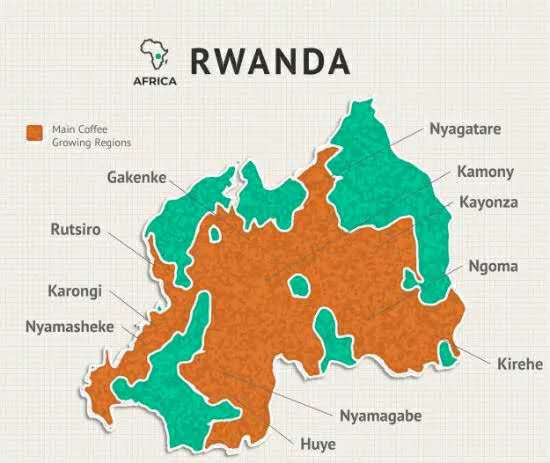
According to research by FrontStreet Coffee, coffee exports account for over 70% of Rwanda's total export trade. Rwanda has roughly 33,000 hectares of coffee plantations and 500,000 people engaged in coffee cultivation. Production is dominated by smallholders, and Rwandan coffee trees are generally grown without chemical fertilizer or pesticide; the soil is fed mainly by natural ground cover and traditional fertilization, which yields pure, high-quality beans.
Rwandan Coffee Cultivation History
As FrontStreet Coffee noted above, Rwandan coffee has not been a specialty product for very long. Rwanda lies in Central Africa and is a landlocked country that was successively a colony of Germany and Belgium. Coffee was introduced by German missionaries during the colonial period.
During colonial rule, coffee production mainly supplied Belgium, the colonial power. Rwanda's output at the time was enormous, but under those exploited labor conditions the quality of Rwandan coffee could not be guaranteed. Rwandan coffee then had quantity but no quality and could not be called specialty coffee.
It was not until after independence that the first official coffee organization, OCIR, was established and attention slowly turned to bean production. Rwanda's coffee output grew steadily from the 1960s through the 1980s, reaching an unprecedented peak in 1986.
In the early 1990s, however, political instability in Rwanda (the Rwandan genocide) brought the coffee industry to a standstill. Only in 2001, after political stability was restored, did the government establish NAEB (National Agriculture Export Development Board) to focus on improving coffee exports and earning foreign exchange. This is one reason Rwandan beans have frequently won Cup of Excellence competitions in recent years.
In 2017, NAEB and the Japan International Cooperation Agency (JICA) jointly launched a three-year technical program called "CUP Rwanda" (Coffee Upgrade and Promotion in Rwanda), aimed at giving farmers better cultivation standards and quality improvements in processing. It shows how seriously Rwanda has worked to raise coffee quality.
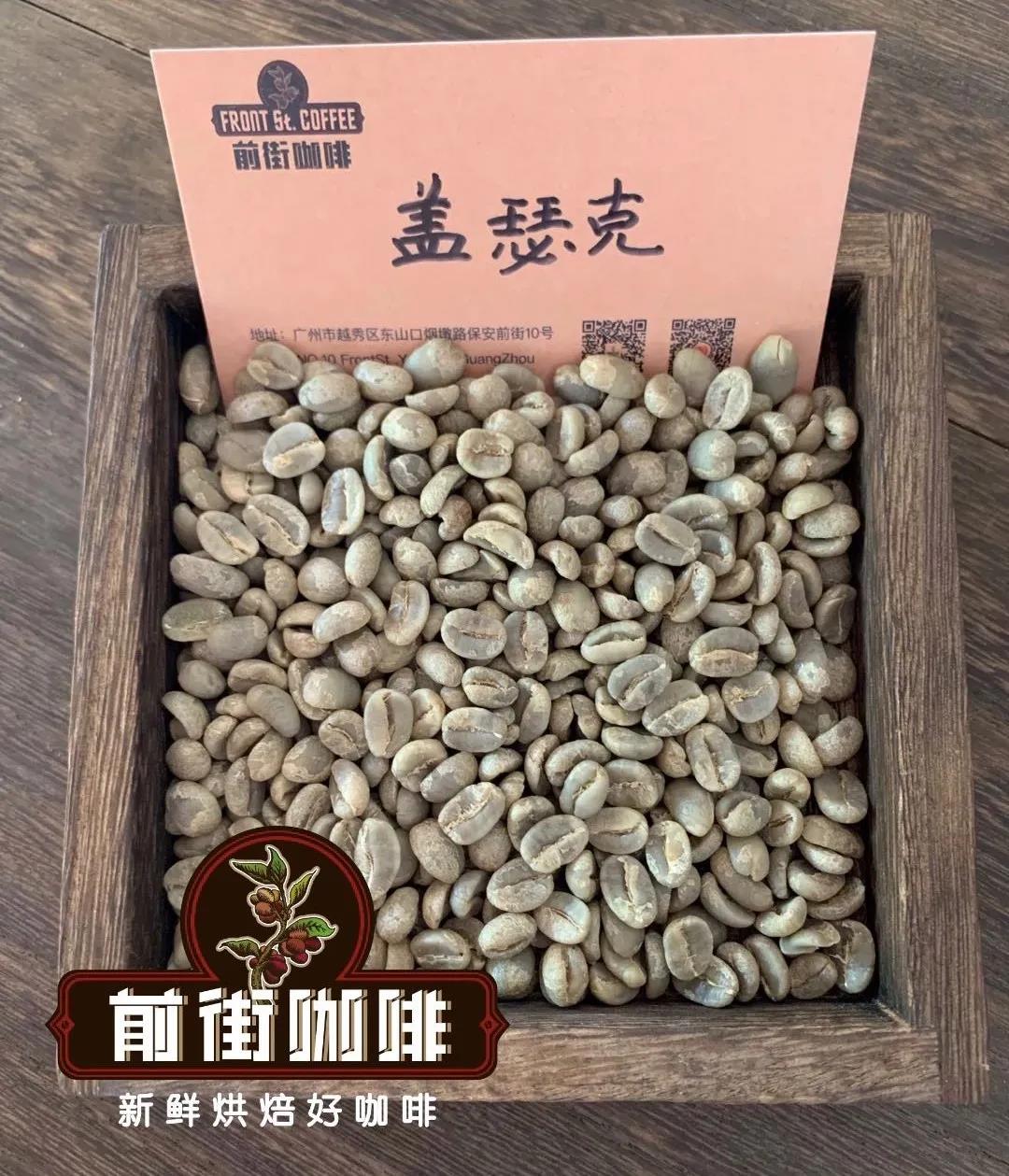
Rwandan Coffee Bean Varieties
Over 97% of the coffee grown in Rwanda is Arabica, and about 95% of that is Bourbon. Bourbon, Catuai and Catimor are therefore the varieties most commonly found in Rwanda. FrontStreet Coffee believes the flavor profiles of these three are quite close to the Bourbon lineage, which is why Rwandan beans often show citrus and nutty notes.
Bourbon Variety
More than 90% of Rwanda's coffee varieties are the early-introduced Bourbon and Bourbon-family hybrids, which tolerate natural disasters well. Bourbon was originally cultivated on Réunion Island and was introduced to Brazil in 1860, quickly spreading northward through Latin America. Bourbon trees typically change color after flowering and fruiting: green, then light yellow, then light orange, then mature red, and a deeper red when fully ripe. Some people therefore call it "Red Bourbon," though Red Bourbon is really just what we generally call Bourbon. Bourbon grown at high altitude usually has a better aroma and brighter acidity.
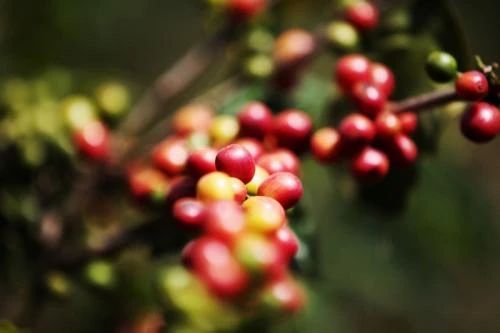
FrontStreet Coffee currently sources several Latin American Bourbon coffees, including Brazilian Red Bourbon, Brazilian Yellow Bourbon and Colombian Pink Bourbon. The advantage of Bourbon varieties in Latin America has largely disappeared, however, because of poor disease resistance. Rwandan Bourbon still holds its edge, which is one reason FrontStreet Coffee sources Rwandan coffee.
Caturra Variety
Caturra is a natural mutation of the Arabica Bourbon variety, discovered in Brazil in 1937. Its plant is shorter and smaller than Bourbon. Because it inherits the Bourbon lineage, it has relatively weak disease resistance but a higher yield than Bourbon.
Catimor Variety
Catimor is a variety artificially hybridized from Caturra and Timor. Catimor resists natural disasters well, especially wind and rain. Catimor trees are relatively short, and compared with other coffee trees their fruit grows more firmly attached and is difficult to harvest. The fruit comes in both red and yellow types. According to FrontStreet Coffee's brewing experience, although some yellow-fruit coffees have good acidity, their cup is less clean than that of red fruit.
Rwandan Coffee Bean Processing Methods
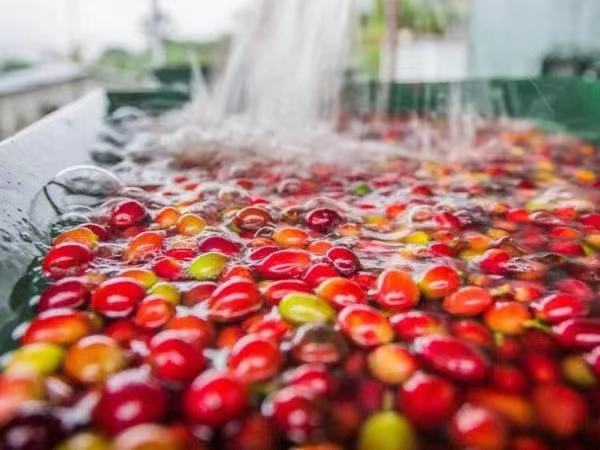
Rwandan coffee beans are mainly washed. Each harvest season, farmers pick ripe cherries and bring them to washing stations for processing, where manual selection ensures no unripe or damaged cherries slip through. As FrontStreet Coffee has often noted, the washed method best expresses a bean's original flavor, with a cleaner, brighter performance. This is another reason FrontStreet Coffee imports Rwandan coffee.
Washed Processing Method Steps:
1. Pour the cherries into water and remove defective beans by flotation: unripe, overripe or otherwise damaged fruit and foreign matter.
2. Use a depulper to remove the skin and pulp from the selected cherries. After skinning, the cherry surface still carries a layer of mucilage, so large amounts of clean water are needed to remove it.
3. The fermentation that removes the mucilage takes about 18 hours. Once fermentation is complete, fermentation bacteria still cling to the cherry surface, so another thorough wash with large amounts of clean water is needed. For this step, producing 1 kilogram of coffee beans requires 40-50 kilograms of clean water, which FrontStreet Coffee considers a very large figure. This limits the regions where washing can be used.
4. The cleaned beans can then be dried. Some regions dry them outdoors directly; where equipment is available, some processing plants use machines to dry the beans until the moisture content drops to about 11%. A huller then removes the parchment and silver skin.
According to FrontStreet Coffee's understanding, in a little over twenty years of Rwandan coffee development, washing stations have grown from 2 to 220. All are now privately owned, by exporters or farmer cooperatives. Because average farm size is small, with fewer than 200 coffee trees per farm on average, each station serves roughly 50-100 farms. NAEB employs 200 botanists and cuppers who regularly visit washing stations to inspect quality and teach farmers soil management, organic farming, pruning, pest control and harvesting.
This is also one reason FrontStreet Coffee chooses to import Rwandan coffee for drinkers to taste. Below, FrontStreet Coffee recommends its Rwandan Gisaka coffee beans and shares the roasting and brewing parameters.
FrontStreet Coffee Gisaka Coffee Beans
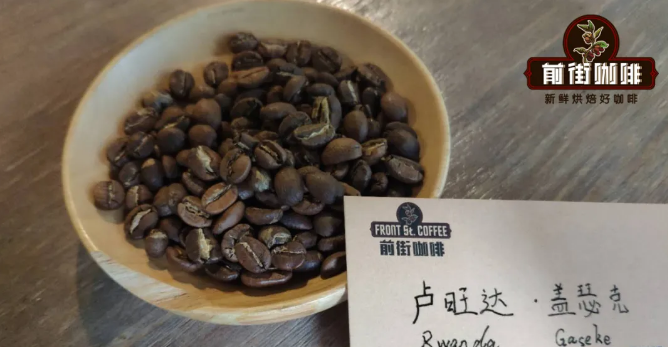
Country: Rwanda
Region: Nyamasheke District, Western Rwanda
Altitude: 1700-2000m
Varieties: Bourbon, Caturra, Catimor
Processing: Washed
Flavor: Plum, citrus, berries, nuts, bright acidity, honey-sweet aftertaste.
FrontStreet Coffee Roasting Recommendations
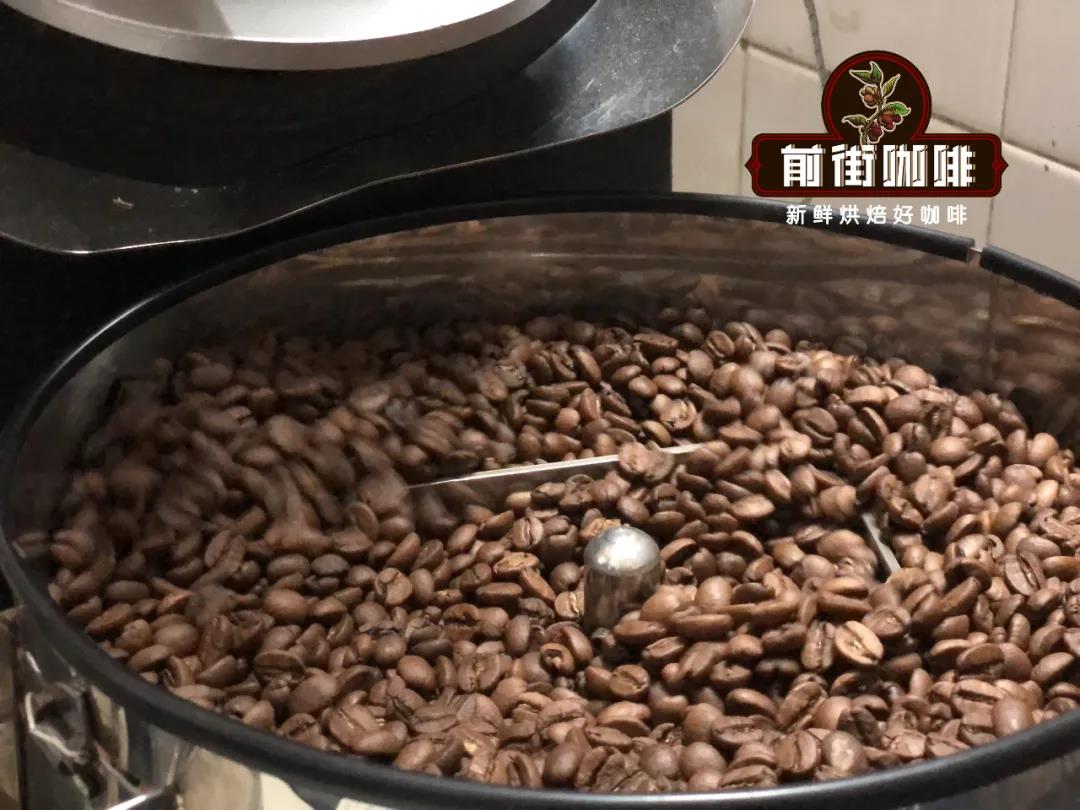
Because Rwandan coffee beans have fresh acidity, FrontStreet Coffee recommends a light to medium roast to highlight it. The darker the roast, the more the fruity acidity is lost. Yangjia 800N with 550g beans: drum temperature 175°C, heat 120, damper 3; return temperature at 1'36", and when drum temperature reaches 112°C, open the damper to 4 and raise heat to 140.
When drum temperature reaches 151°C, the bean surface turns yellow and the grassy aroma fully disappears, marking the dehydration stage. At 8'30", ugly wrinkles and black spots appear on the bean surface, and the toast aroma clearly shifts to coffee aroma, which can be defined as the prelude to first crack. Listen carefully for the first crack sound. First crack begins at 9'45"; open the damper to 5, develop for 1'30" after first crack, and discharge at 190.6°C.
FrontStreet Coffee Brewing Experience
Filter: V60
Water Temperature: 90°C
Coffee Dose: 15g
Coffee-to-Water Ratio: 1:15
Grind Size: BG#6m (80% pass rate on China standard #20 sieve)
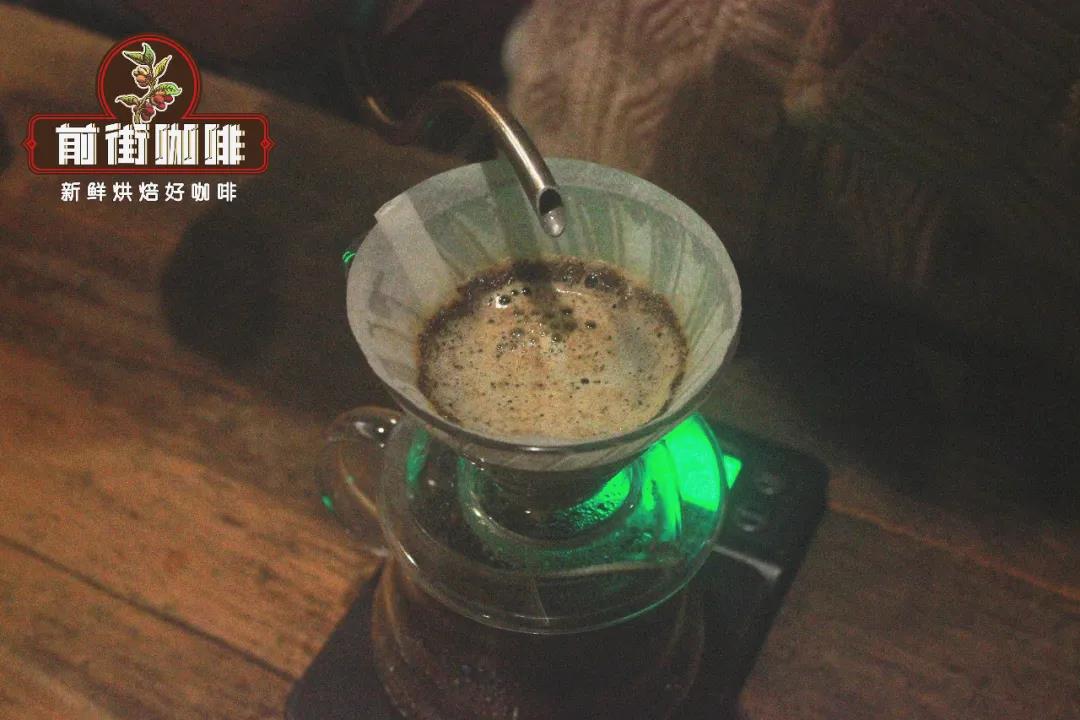
First pour 30g of water and bloom for 30 seconds. For the second pour, use a small circular stream to 125g, then pause. When the water level drops and is about to expose the coffee bed, continue the third pour to 225g and stop. When the level drops and is again about to expose the bed, remove the filter cup. Total extraction time from the start of the bloom is 2 minutes. The conical V60 increases layering, the 1:15 ratio builds body and aftertaste, and the staged pours keep the extraction from running too short while allowing adjustments at each stage.
The brewed Rwandan coffee shows distinct fruit acidity and nutty flavors, balanced and smooth overall. Although the berry notes are not as prominent as in Kenyan coffee, FrontStreet Coffee believes that as a producing country that has emerged in the last 20 years, Rwanda still has room to grow, and that more specialty coffee from Rwanda will reach the market in the near future.
FrontStreet Coffee Recommendation
If Rwanda's clean, citrus-forward washed profile appeals to you, FrontStreet Coffee's African lineup is the natural next step. FrontStreet Coffee's washed Yirgacheffe is the classic entry point, with jasmine florals, bright lemon-citrus acidity and a tea-like body, while the Guodingding cooperative, which split off from the Worka co-op in 2012, shows the same clarity with even more perfume. For a sweeter, fruitier take, FrontStreet Coffee's sun-dried Red Cherry Plan layers peach, cocoa, honey and lemon over a rounder body, and Flower Queen from Hambella in Guji delivers the tropical, winey intensity that natural processing can reach.
Important Notice :
FrontStreet Coffee is a long-established specialty coffee roaster in Guangzhou China, selling freshly roasted beans from its own farm in Yunnan as well as dozens of carefully selected single-origin beans from around the world for both pour-over and espresso. The products deliver consistently excellent quality and great value, with shipping within 24 hours. Guangzhou's FrontStreet Coffee shop is recommended by many coffee lovers, and the beans are now available online at the Tmall 。
FrontStreet Coffee has moved to a new address:
FrontStreet Coffee Address: 315,Donghua East Road,GuangZhou
Tel:020 38364473
 Scan and follow the En Gafei WeChat official account. Please indicate that the reprint comes from "En Gafei".