Flavor Profile and Taste Characteristics of Colombian Huila Coffee Beans - Colombian Coffee Brewing Methods and Features

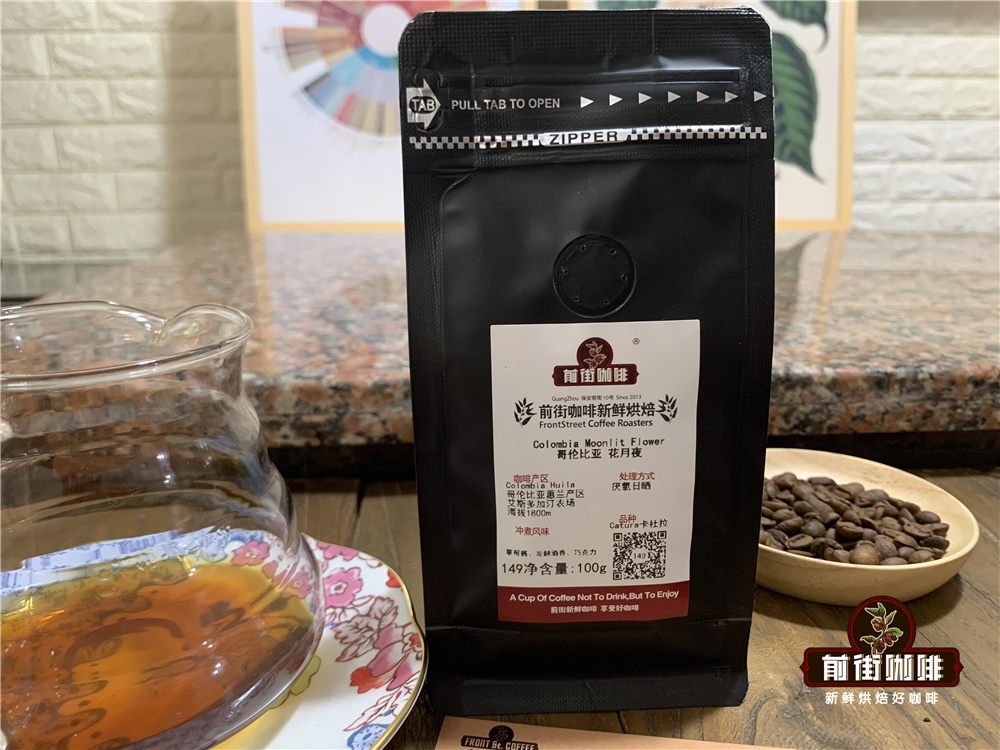
At FrontStreet Coffee, alongside Hanami, Rose Valley, Passion Fruit and Swiss Water Process decaffeinated coffee, the Colombia range also includes a daily blend, Huilan coffee, which is likewise sold as a premium blended bean. Colombian beans are chosen as the base of the blend not only for their excellent flavour but also for one fundamental quality: stability, which keeps both quantity and quality consistent. As the world's third-largest coffee producer, Colombia offers considerable assurance in both output and quality, and that is what has established Colombian coffee's significant position worldwide.
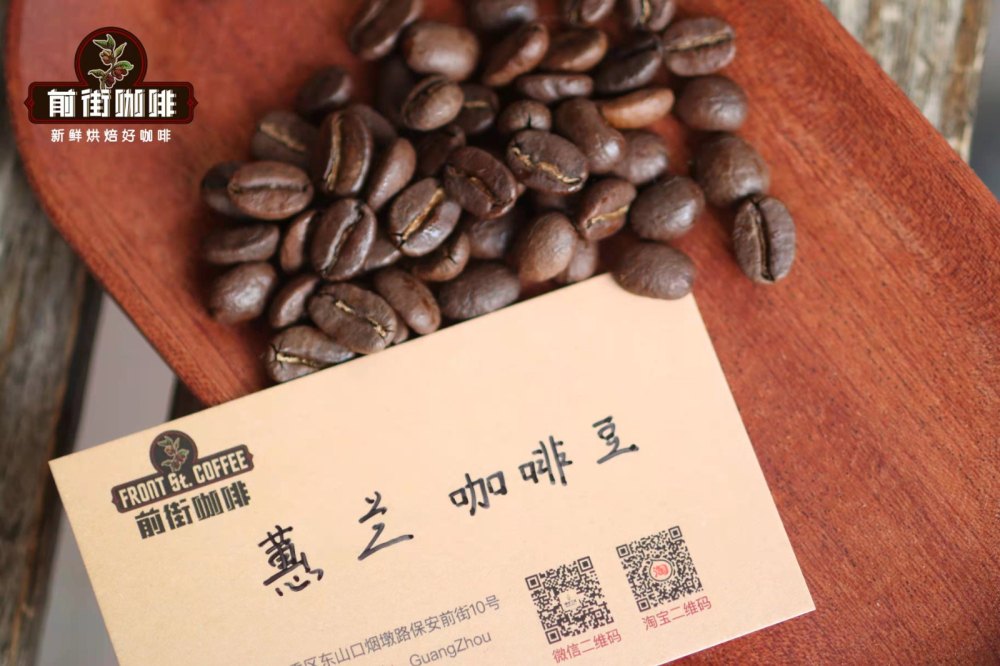
Colombian Coffee Growing Regions
In Colombia, the eastern plains of the south and the Pacific coast have a tropical rainforest climate, while the northwest has a tropical savanna climate. Average annual temperatures range from 15.8 to 20.5°C. Coffee regions average between 18°C and 22.5°C, with annual rainfall of 1,000 to 2,500 mm. Because of differences in latitude and the 86 distinct microclimates found between the southern and northern production areas, Colombian coffee shows strong regional character.
Colombia is the world's largest producer of washed Arabica and the only country that legally requires cultivation of Arabica varieties alone. Strong government support policies have also transformed it from a major narcotics-producing nation into today's coffee powerhouse. Colombia's premium coffee regions are concentrated mainly in the south, at altitudes above 1,500 meters, chiefly in Huila, Cauca, Nariño and Tolima. All of these regions share a delicate fruity acidity and berry sweetness, with full sweetness overall.
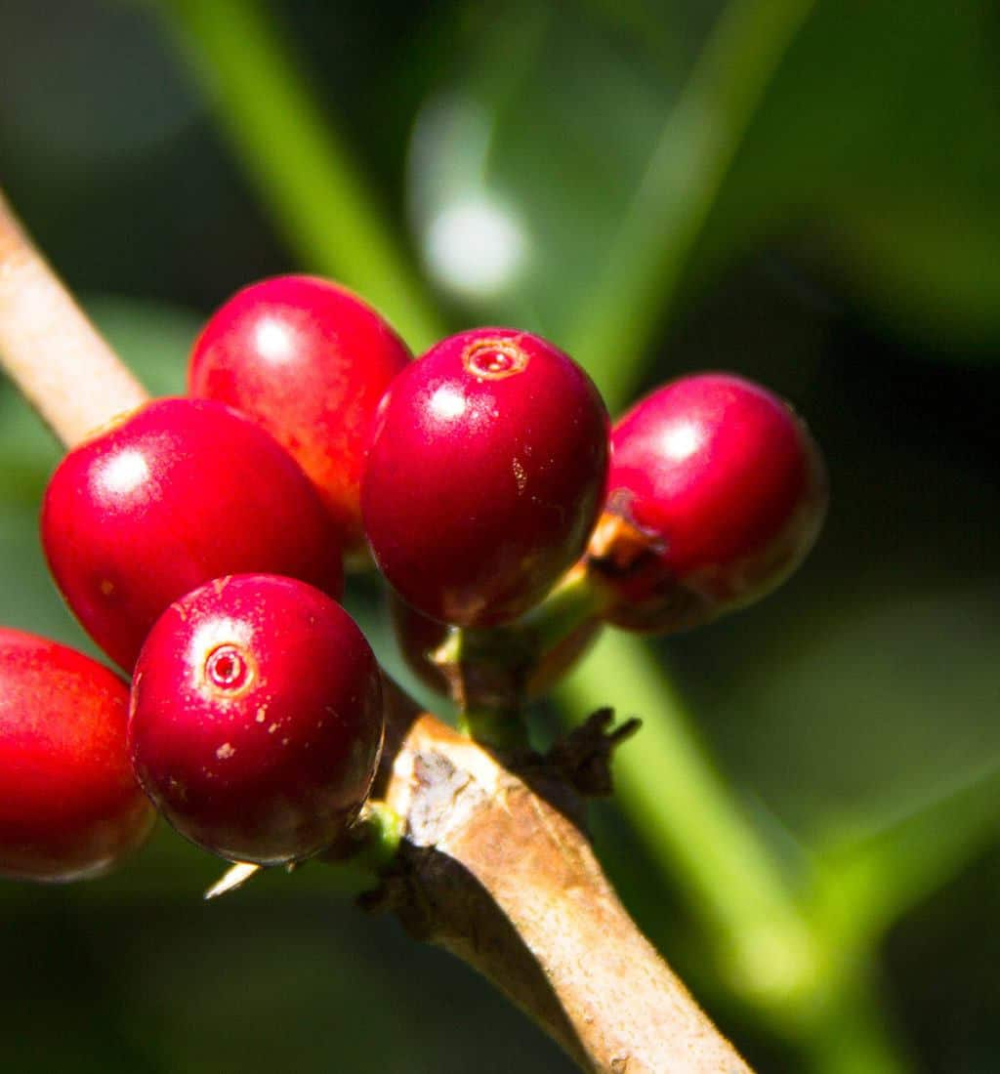
Colombian Huila
Located in southwestern Colombia, Huila is one of the country's main premium coffee regions and belongs to the National Coffee Growers Federation's select high-altitude beans, regarded as a Colombian national treasure. It is both a major coffee-growing area and the country's most famous premium region. The area consists of hills ringed by mountains at altitudes above 1,500 meters, where Colombia's most important rivers converge, bringing abundant water and moisture. Contrary to the popular impression of Colombian coffee as merely balanced and smooth, many small-producer micro-lot Colombian premiums carry strong regional character. Beans from Huila are therefore intense in flavour and heavier in body, typically showing nutty, chocolate and caramel aromas with appropriate acidity.

According to FNC (Colombian Coffee Growers Federation) data, the Huila production region accounts for approximately 18% of Colombia's total coffee output and received official designation of origin in 2013. FrontStreet Coffee believes Huila's popularity stems less from volume than from quality and reputation. Batches from local farms have won Cup of Excellence awards on multiple occasions, and many roasters, baristas and coffee shops put Huila beans near the top of their recommendations. This is thanks to Huila coffee's full nutty aroma and bright, pleasant fruity acidity, which is recognised as a representative expression of Colombia's finest coffee for its excellent balance.
Cauca Province
Cauca is a Colombian origin-certified region with an average altitude of 1,758 meters, reaching 2,100 meters at its highest. Its topography, rainfall, temperature and volcanic soil provide ideal conditions for coffee. Eighty percent of the province is mountainous, with parallel ranges in the east and centre forming part of the Andes, including the two main volcanoes Sotara and Petacas in the central range. Like other southwestern production regions, Cauca's rainfall follows a clear unimodal pattern, with the dry season falling mainly in August and September each year. The rainy season that follows brings concentrated flowering, and the concentrated harvest comes the following year.
The biggest climatic difference between Cauca and other Colombian regions is its relatively wide temperature swing. The average daily temperature is 11°C, while the daytime average is 18°C. This day-night difference is an important factor in producing quality coffee. Low nighttime temperatures combined with the relatively high altitude slow the tree's growth, allowing the seed inside each cherry to absorb nutrients more fully, which gives Cauca coffee its better acidity and its notably distinctive sweetness.
Nariño Province
Located in southwestern Colombia, bordering the Pacific Ocean to the west and Ecuador to the south, Nariño is crossed by the Andes. Coffee is grown in high-altitude cloud belts between 1,600 and 2,300 meters, in fertile volcanic soil. Most of Nariño's annual production is bought by large American coffee merchants, but while the province produces about 150,000 bags a year, only around 6,000 bags are considered select beans.
Coffee Bean Varieties
Besides varieties common across the Americas such as Caturra, Bourbon, Typica and Pacamara, Colombia also has three unique disease-resistant varieties: Castillo, Tabi and the Colombia variety, named after the country. There are also rarer and more precious varieties such as Gesha, small-grained Mocca, Rume Sudan, Eugenioides, Laurina, Maraguesa and Pink Bourbon.
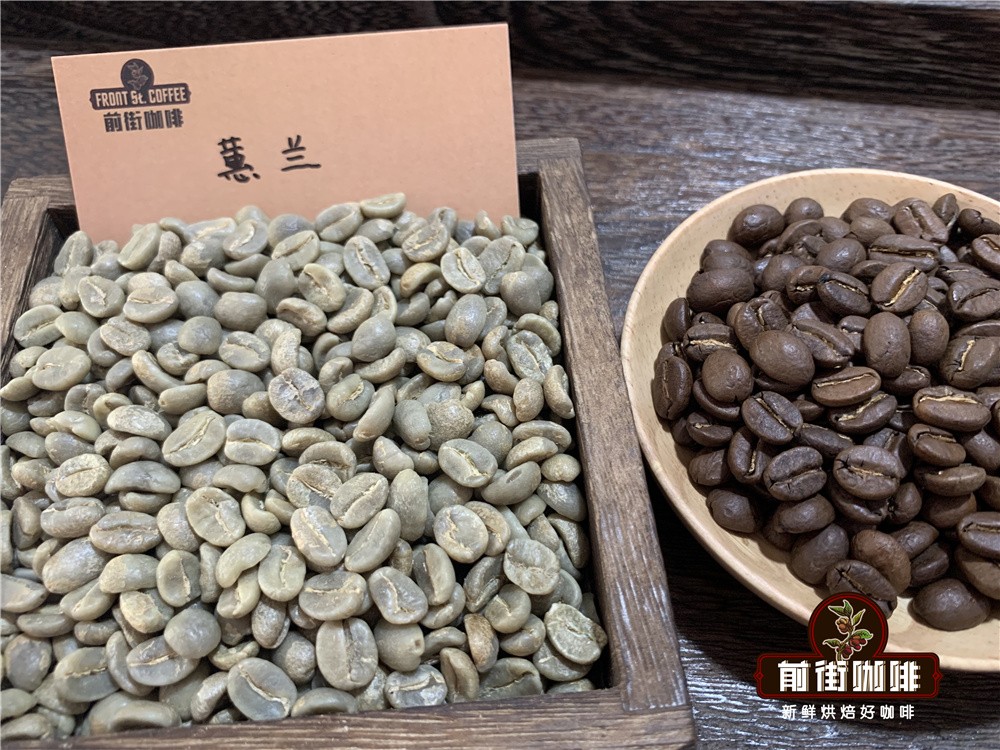
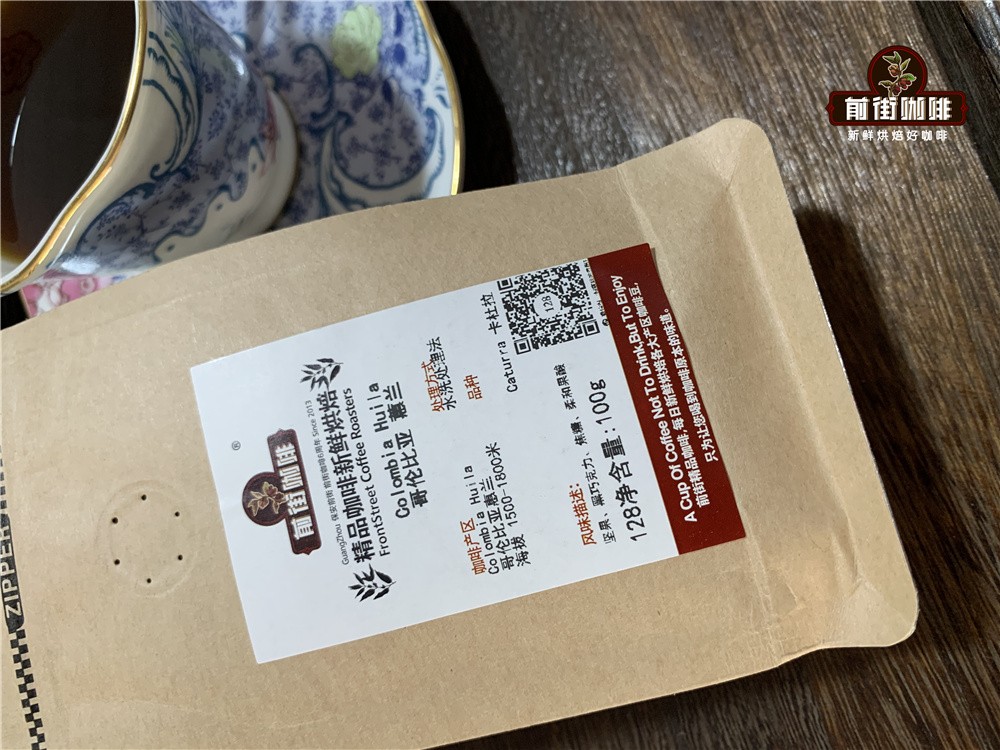
Huila mainly grows Caturra and Catuai, the varieties common to Central and South America. The clean taste and soft acidity of these two, combined with Huila's altitude and volcanic soil, produce beans with a delicate, soft berry acidity, roasted nut aroma and an obvious caramel finish, full of sweetness.
The coffees FrontStreet Coffee currently offers from Colombia, Hanami and Rose Valley, are both Caturra.
Typica
As elsewhere, Typica is a variety with a long history of cultivation in Colombia, first introduced around the late 16th to early 17th century when a priest brought it from the French Antilles by way of Venezuela. Typica has excellent flavour with subtle floral notes, outstanding acidity and full body. Coffees such as Jamaica Blue Mountain No. 1, FrontStreet Coffee's 2013 Yunnan small-grain and Papua New Guinea Bird of Paradise are all harvested from this ancient, superior variety. Because Typica yields poorly and demands high agronomic cost and skill, most farmers choose higher-yielding varieties instead, which is the main reason its share of cultivation is now small.

Only a few regions in Colombia still cultivate Typica. This year FrontStreet Coffee cupped an anaerobic natural processed Typica from Colombia's Pearl Estate, showing high-quality citrus acidity alongside passion fruit and fermented aromas.
Bourbon
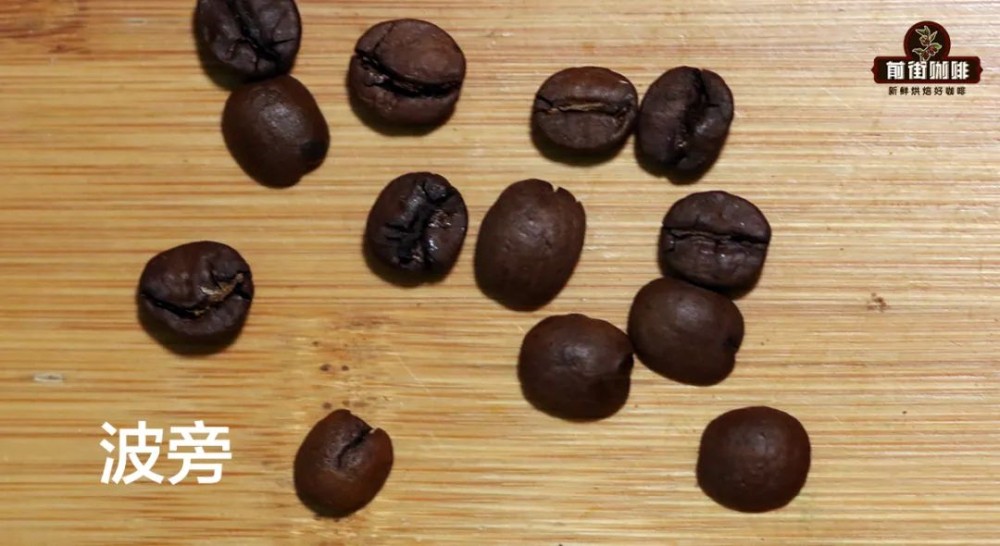
Bourbon is a variant of Typica whose main traits are a rounder bean shape and superior acidity, with qualities reminiscent of red wine. Bourbon was officially introduced to the South American continent in 1860, first to Brazil to replace low-yielding Typica, and later spreading to Colombia. Bourbon cultivation in Colombia is not widespread, however, and only a few regions grow it. FrontStreet Coffee once offered a Pink Bourbon from Paraiso Estate in Cauca, whose clear, clean acidity, reminiscent of lemon and cherry tomato, called Kenyan coffee to mind.
Caturra
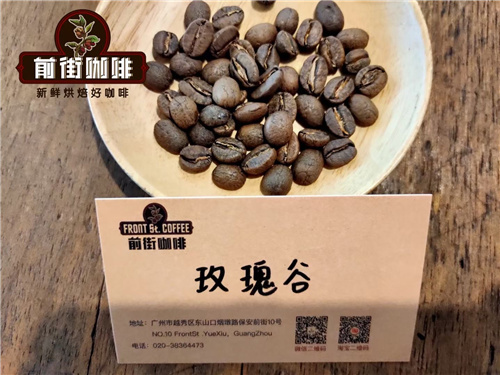
Caturra is a natural variant of Bourbon. It improves on Bourbon in needing full sun rather than shade, in its shorter stature, which makes harvesting easier, and in producing more branches and therefore higher yield, while its flavour is comparable to Bourbon. All of this has made it Colombia's main coffee variety. Interestingly, Caturra was discovered on a plantation in Minas Gerais, Brazil, and later selected by the São Paulo State Agricultural Institute (IAC) in Campinas. Experimental cultivation results in Brazil were not ideal, but once Caturra reached Colombia it was quickly adopted and planted nationwide.
Huila Region Processing Methods
Colombian production regions have abundant water, which makes them well suited to washed processing. Colombian beans are therefore mostly washed, and family farms are equipped with dedicated green-bean processors such as the Ecomill or Eco-Pulper. As special processing methods have gained popularity, and as Colombian beans lend themselves to almost any treatment, more and more specialty methods are being applied, the most representative being anaerobic fermentation.

Examples include FrontStreet Coffee's Colombian Hanami, Rose Valley and Passion Fruit coffees. Even so, most farmers in Huila still insist on traditional washed processing, and FrontStreet Coffee agrees that washed processing expresses a bean's local character best, which is why FrontStreet Coffee chose Colombian washed Huilan coffee as its representative for the country.
Washed Processing Method
1. First, farmers pour all the harvested cherries into water. Defective beans float to the surface while sound cherries sink, an operation that saves a great deal of time compared with sorting bean by bean.

2. The selected cherries go into a depulper that removes the outer skin and pulp. After that, a layer of mucilage still clings to the cherry, so large amounts of clean water are needed to wash the sticky substance off the surface.
3. Fermentation then removes the mucilage completely, a step that takes about 18 hours. Once fermentation finishes, fermentation bacteria cling to the cherry surface, so another wash with large amounts of clean water is required. At this stage, producing 1 kilogram of coffee beans consumes 40 to 50 kilograms of clean water. FrontStreet Coffee considers that a very large figure, which is why drought-prone countries cannot adopt washed processing.

4. The cleaned beans can then be dried. Some regions dry them outdoors, while more developed areas send them to processing plants for machine drying, bringing moisture content down to around 11%. The dried beans are finally stored and packaged for sale and export.
FrontStreet Coffee Brewing Recommendations:
To brew a delicious cup, FrontStreet Coffee believes any method starts with fresh beans. FrontStreet Coffee has always held that freshness greatly affects flavour, and so ships beans roasted within 5 days. Its roasting philosophy is "Freshly Roasted Good Coffee," ensuring every customer receives coffee as fresh as possible. The resting period is about 4 to 7 days, so by the time customers receive their coffee it is at peak flavour.

For those who need ground coffee, FrontStreet Coffee gently notes that pre-ground coffee needs no resting period, because the pressure of carbon dioxide building up in the package during transport also helps round out the flavour, so you can brew a cup as soon as it arrives. Ground coffee should be brewed promptly, however, because it oxidises quickly once exposed to air, and the flavour fades relatively fast. FrontStreet Coffee therefore recommends buying whole beans and grinding fresh before brewing, to experience the coffee's flavour at its best.
FrontStreet Coffee's Colombian Huilan Coffee Brewing Parameters:
When brewing Huilan coffee, FrontStreet Coffee uses a KONO dripper. The KONO's ribs stop below half the dripper's height, a design that keeps the filter paper pressed tightly against the wall once wetted, restricting airflow and lengthening the time water stays in contact with the coffee, which gives more even extraction overall and a fuller body.
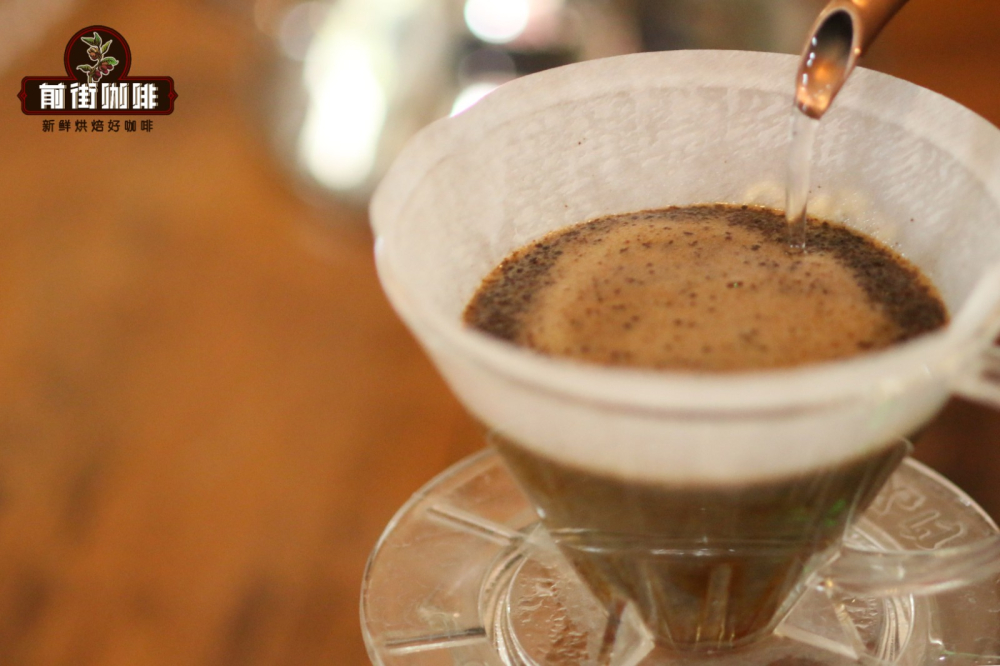
KONO dripper, 88°C water temperature, 1:15 coffee-to-water ratio, 15 g of grounds, grind size at 75% passing a No. 20 standard sieve, three-stage extraction.
With staged extraction, bloom with twice the weight of the grounds, that is 30 g of water for 30 seconds. Blooming lets the grounds release trapped carbon dioxide, making the rest of the extraction more stable. Using small circular pours, build to 125 g, continue to 225 g, then stop. Remove the dripper once the water has finished dripping. Start timing at the beginning of the pour, for an extraction time of 2'00". Then take the whole server, shake it well, and pour into cups for tasting.
Colombian Huilan Coffee Flavour Characteristics:
The first sip reveals nutty flavours with high body. It tends toward caramel sweetness, with a subtle fruit acidity appearing as the cup cools.

Although FrontStreet Coffee believes washed beans express local flavour best, specially processed beans have their own appeal. FrontStreet Coffee's Colombian Hanami, for instance, features strawberry jam, chocolate and fermented wine aromas, while Rose Valley carries rose, peach and chocolate liqueur notes. Both single-origin coffees are very popular. For coffee lovers who worry about sleeplessness, Colombian Swiss Water Process decaffeinated coffee is an excellent alternative, with rich taste, full body and a sweet vanilla-and-dark-chocolate finish.
Are Colombian Coffee Beans Suitable for SOE?
Many coffee enthusiasts, when they find a bean they like, are not content to taste it one way; they want to run it through every tool they own. SOE, or Single Origin Espresso, is one of the most popular personal approaches. The first requirement for a good cup is quality beans, and SOE should likewise use a higher-quality single-origin coffee. FrontStreet's roasting philosophy is "Freshly Roasted Good Coffee," and every bag shipped is roasted within 5 days. FrontStreet Coffee uses Colombian Rose Valley as the extraction subject and, drawing on espresso service from its cafes, briefly explains how to prepare it.

FrontStreet Coffee's cafe machine is a commercial single-group Lelit Bianca, which can adjust extraction by changing pressure, with maximum pressure reaching 11 bar. Home espresso machines only need 9 bar to handle extraction and milk frothing, paired with an espresso grinder.
Coffee beans: Colombia · Hanami Coffee Beans
Coffee grounds: 20 g
Espresso yield: 40 g
Coffee-to-espresso ratio: 1:2
Extraction time: 26-32 seconds
Grind setting: Galileo 2.0 setting

FrontStreet Coffee uses the capacity of a double basket, about 18-20 g of grounds, using 20 g in service. The typical ratio of grounds to espresso liquid lies between 1:1.5 and 1:2.5. FrontStreet's extraction ratio is 1:2, meaning 20 g of grounds yields 40 g of espresso. Time relates to flow rate; a single extraction is generally controlled within 20-35 seconds, since coffee usually tastes thin within 20 seconds while going past 35 seconds easily leads to over-extraction and bitterness. FrontStreet's espresso mostly falls in the 28-30 second range.

FrontStreet Coffee first wipes the portafilter dry, turns on the grinder and grinds a double shot, then sets it on an electronic scale and adjusts to 20 g. A distribution tool spreads the grounds evenly, and the puck is tamped firmly for a more stable extraction. The extraction switch is then activated to run water, wetting the group head and washing away any stuck residue, after which the portafilter is locked gently into the group head and extraction begins. When the scale reads 40 g of espresso, at around 30 seconds, the switch is turned off, and the espresso is poured into a cup to enjoy.
Making SOE Americano
There is no fixed ratio for SOE Americano; each coffee shop has its own service standard, the goal being to present the coffee's flavour profile. From FrontStreet Coffee's repeated experiments, a 1:6 ratio tastes best for a Colombian SOE, that is 40 g of espresso poured into 240 g of 80°C hot water. The hot Americano is then complete. This Hanami SOE Americano shows cantaloupe and cranberry aromas, rich strawberry jam and fermented fruit notes, a layer of biscuit-aromatic crema, and a chocolate aftertaste for a full experience.

Making Latte
A latte is just as simple: combine SOE espresso with milk. Again there is no fixed ratio, mostly between 1:5 and 1:8. FrontStreet Coffee uses 1:6, that is 40 g of espresso with 240 g of milk. For a hot latte, FrontStreet Coffee adds the espresso to a preheated cup, then froths milk with the espresso machine's steam wand. Milk temperature is best kept between 55 and 65°C to create dense, appropriately thick microfoam, which is then combined evenly with the espresso. The latte art on top is the perfect finishing touch.

FrontStreet Coffee Recommendation
Colombia is unusually versatile, working equally well as an espresso blend base and as a pour-over single origin, and its range runs from fruity and bright to full-bodied and deep. FrontStreet Coffee Colombian Huilan is the place to start: washed and medium-dark roasted, it leads with dark chocolate and nutty sweetness, medium oil and a full body, and it handles pour-over, French press, moka pot and espresso machine alike, whether you are making an Americano or a latte.
To explore Colombia's more innovative side, FrontStreet Coffee Colombian Frontera Estate Sidra is processed anaerobically as a natural. The oxygen-free fermentation converts the cherry into richer tropical fruit, and at a medium-light roast it suits pour-over, cold brew, drip bags and moka pot, with passion fruit, grape, apricot and candied fruit layering into a complex, fragrant cup.
For those with a home espresso machine or a moka pot, FrontStreet Coffee Premium Blend is built for cafe service, combining the creamy nut aroma of Brazilian coffee with the dark chocolate bittersweetness of Colombian coffee. It pulls a fine golden crema and pairs beautifully with milk for a rich, smooth latte, while also serving as the base for an Americano, cappuccino or mocha.
Important Notice :
FrontStreet Coffee is a long-established specialty coffee roaster in Guangzhou China, selling freshly roasted beans from its own farm in Yunnan as well as dozens of carefully selected single-origin beans from around the world for both pour-over and espresso. The products deliver consistently excellent quality and great value, with shipping within 24 hours. Guangzhou's FrontStreet Coffee shop is recommended by many coffee lovers, and the beans are now available online at the Tmall 。
FrontStreet Coffee has moved to a new address:
FrontStreet Coffee Address: 315,Donghua East Road,GuangZhou
Tel:020 38364473
 Scan and follow the En Gafei WeChat official account. Please indicate that the reprint comes from "En Gafei".