Flavor Differences Between Light, Medium, and Dark Roast Coffee Beans - Which Roast Level Makes the Best Specialty Coffee?
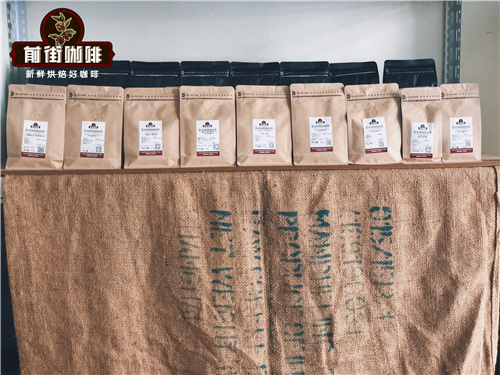
Coffee beans have to be roasted before they can be sold. Raw beans have little to no aroma or taste, but after roasting they develop new and wonderful flavors. The process involves many factors that shape flavor and texture — roasting duration, roasting method, degree of roast, batch size, even the roaster's experience and technique. Minute-by-minute variations create significant differences, which makes roasting an unpredictable yet fascinating craft. This article looks at coffee bean roast levels.
Understanding Coffee Roast Levels
Roast levels fall into many categories. In American terminology they are divided into eight stages: Light Roast, Cinnamon Roast, Medium Roast, High Roast, City Roast, Full City Roast, French Roast, and Italian Roast.
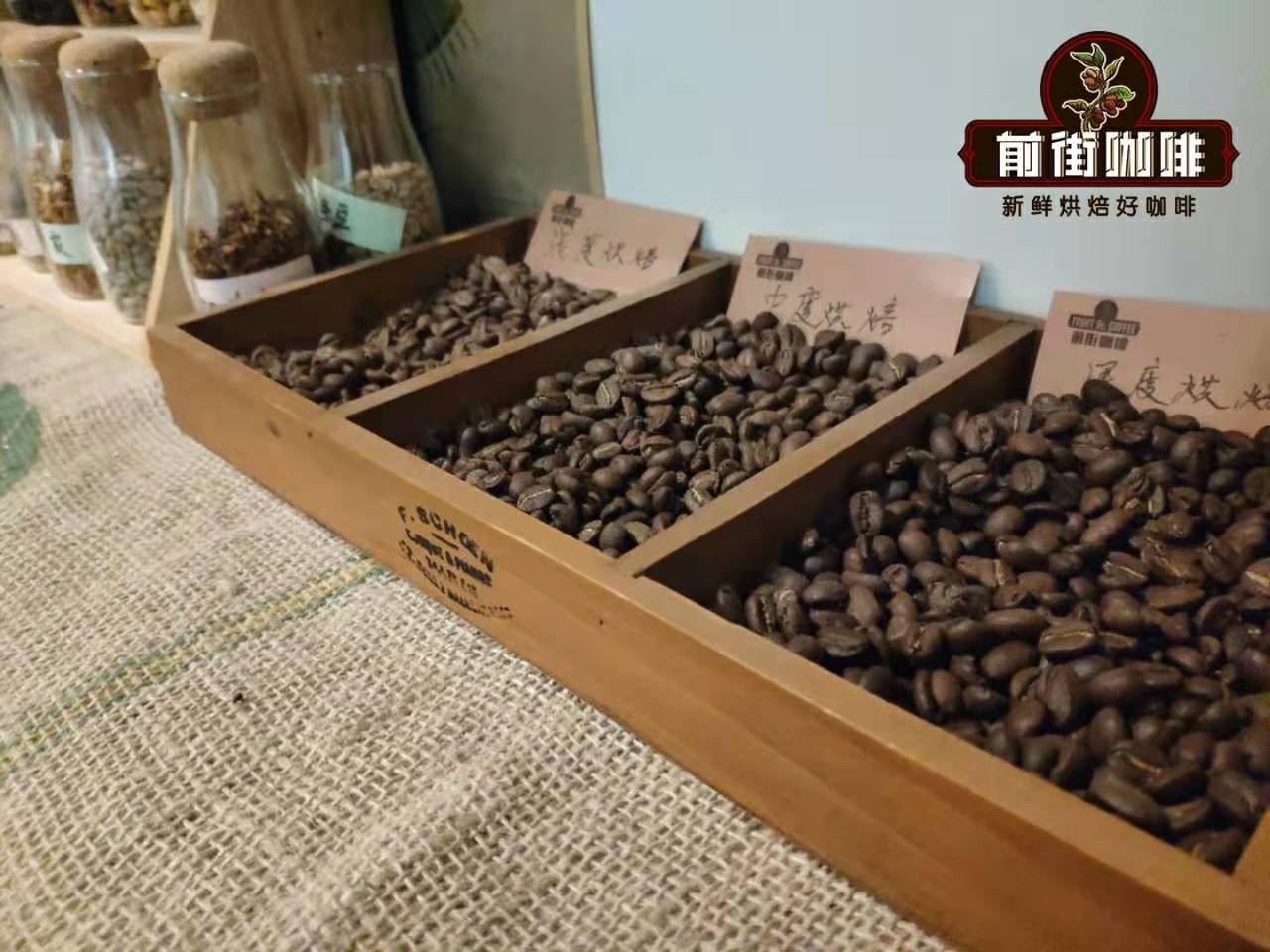
Broadly: light roast beans have a cinnamon-colored surface with strong acidity and a slight aroma. Medium roast beans show a chestnut-colored surface with a light taste, slightly acidic with some bitterness, moderate aroma, and the bean's original flavor retained — often used for American coffee or blends. Medium-dark roast beans have a light brown surface with a bright, lively taste, balanced acidity and bitterness leaning lighter on acidity, and they release coffee's excellent flavors; this is the standard roast level and the most popular among consumers. Very dark roast beans have a black surface with an oily sheen; before the fibers carbonize, the taste becomes strong and complex with robust bitterness and rich roasting and caramelized aromas, mainly popular in Italy and commonly used for Espresso.

How Roasters Choose a Roast Level
You may already be familiar with the ideas of light, medium, and dark roast. But how does a roaster decide, and what do those levels mean in terms of flavor? When FrontStreet Coffee roasts a Mandheling bean, for example, the first question is what the regional flavor characteristics of that Mandheling are; from there, FrontStreet Coffee builds the roasting curve that best represents the origin's optimal flavor. After roasting, FrontStreet Coffee cups within 8 to 24 hours. The purpose of cupping is to examine whether that regional character came through and whether the curve needs adjusting — a repeating process. Only when the bean's roasting, cupping, and brewing all perform at their best and show regional representativeness does FrontStreet Coffee list it for sale.
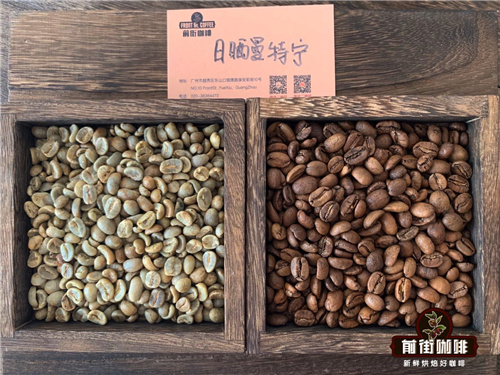
Roasting is an essential journey for every coffee bean. Generally, baristas treat each batch differently, testing a series of roasting curves until they reach the desired result. Roasters taste each batch the way Q graders do, then decide which roasting method — a combination of time and temperature — to adopt. When FrontStreet Coffee roasts Indonesian Mandheling, for instance, it chooses a medium-dark roast to highlight the herbaceous flavors, low acidity, and high body that come from where that Mandheling grows and how it is processed.
Regional Character and Roast Choice
Similarly, when FrontStreet Coffee roasts African beans — Ethiopian Yirgacheffe, say — it uses a light roast to highlight the floral aromas and lemon-citrus acidity that Yirgacheffe's washed processing brings. Because different roast levels make each bean taste different, the question everyone wonders about is: which tastes better, dark roast or light-medium roast?

FrontStreet Coffee holds that no roast level is better than another — it comes down entirely to personal preference. Cafes representing the second wave of coffee culture, Starbucks among them, tend to favor the flavors that dark roasting brings. Broadly, light roast beans have more lively, bright acidity, while dark roast beans have richer body and stronger nutty flavors.
Chemical Changes During Roasting
Different roast levels also change the chemistry inside the bean. The renowned coffee master Mamoru Taguchi wrote that during roasting, chlorogenic acid in coffee produces bitter substances, and how those substances change depends on the roast level. That explains why most light roast beans present bright, refreshing flavors while dark roasts present richer bitterness.

In practice, light roasting makes defects in unripe or flawed beans more obvious, which places real demands on the roaster's skill, and every roaster's method has its own character. Light roast accounts for about 40% of the global consumer market. Its popularity among coffee lovers comes down to this: compared with medium-dark roast, light roast better preserves the original beauty of a bean's flavor, especially for specialty coffees with distinct aromas and characteristics. Of course, different origins and varieties, with different bean characteristics, may not suit the same roasting approach.
The Art and Science of Roasting
People often describe roasting as a technique combining art and science, because roasters must keep experimenting to find the optimal roast level and time that present coffee's best flavors. The variables include weather, the moisture content and quality of the raw beans, conditions during roasting, and the roaster's own characteristics. All of these affect flavor, so beyond making coffee express its best, consistency has to be maintained.
FrontStreet Coffee Recommendation
Once you know how roast level shapes flavor, the practical question becomes which bean to buy. Espresso drinkers tend to want a roast that carries body and sweetness without turning harsh, and FrontStreet Coffee's blends are built around that. FrontStreet Classic Blend and FrontStreet Commercial Blend both take a traditional Italian approach: each adds a small amount of Robusta to the recipe, so extraction yields butter, nut, spice, dark chocolate, and toast aromas with a wild, full body and plenty of golden crema that makes latte art easy. FrontStreet Premium Blend and FrontStreet Dark Cocoa Blend are for anyone drawn to almond, walnut, and almond-kernel notes; both lean heavily on Brazilian beans, which supply a comfortable bittersweetness and creamy peanut aroma. Premium Blend layers in Colombia's nutty, chocolate, and caramel notes with moderate acidity, while Dark Cocoa Blend folds in Yunnan's ripe plum acidity for a creamy-chocolate dry aroma and a balanced, adaptable cup that works as latte, Americano, or any number of specialty drinks — a natural fit for a cafe bar.
For those who prefer single origins, SOE lets a region speak for itself. FrontStreet Huakui SOE comes from Guji Hambela in Ethiopia, grown at 2,300 m, where the high altitude gives the cherries a long growing season and complex aroma, and natural processing lifts the sweetness further. Medium roasted to keep its elegant florals while caramelizing lightly, it drinks as a Huakui SOE Americano or latte with cream, cocoa, berry, faint florals, and black tea. FrontStreet Costa Rica Blackberry SOE answers the demand for high sweetness rather than acidity: it is a Costa Rican honey-processed single origin, where ripe cherries are sorted and washed at the mill and depulped before drying, which shortens drying and lets the beans take on blackberry aroma and clean sweetness. Medium roasted, it makes a bright, refreshing Americano, or a latte showing cranberry cookie, raisin, and nut. And FrontStreet Brazil Queen Farm SOE is the low-acid, gentle option, a rare Yellow Bourbon whose quiet sweetness, medium-dark roasted through an espresso machine, brings out butter cookie, macadamia, and toasted bread.
Whichever roast level or bean you settle on, the constant is care: keep the grinder dialed in, adjust the dose and the water, and taste every batch against the last. That is the only way to keep a cup consistent — the same discipline the roaster applies when choosing a curve.
Important Notice :
FrontStreet Coffee is a long-established specialty coffee roaster in Guangzhou China, selling freshly roasted beans from its own farm in Yunnan as well as dozens of carefully selected single-origin beans from around the world for both pour-over and espresso. The products deliver consistently excellent quality and great value, with shipping within 24 hours. Guangzhou's FrontStreet Coffee shop is recommended by many coffee lovers, and the beans are now available online at the Tmall 。
FrontStreet Coffee has moved to a new address:
FrontStreet Coffee Address: 315,Donghua East Road,GuangZhou
Tel:020 38364473
 Scan and follow the En Gafei WeChat official account. Please indicate that the reprint comes from "En Gafei".