Characteristics and Flavor Profile of Mandheling Coffee | The Origin Story of the Mandheling Name | What Variety are Mandheling Coffee Beans
Do you enjoy Mandheling coffee? Its flavor is exceptionally mellow and aromatic, with sweet notes in the aftertaste that make it endlessly intriguing.
The Origin of the Mandheling Name
The name began as "Mandailing," a tribe in Indonesia. During World War II, when Japan occupied Indonesia, a Japanese soldier drank an unbelievably mellow cup of coffee at a local cafe. He asked the owner what the coffee was called, but the owner mistook the question and answered with where it came from: "Mandailing." After the war, the soldier still remembered that cup. Through a friend's connections, he found a local coffee merchant and had 15 tons shipped to Japan. When people asked for the coffee's name, the soldier said "Mandehling" instead of "Mandailing." And so, through a double misunderstanding, "Mandehling" was born. The coffee became wildly popular in Japan, and the name spread with it. That merchant was the now-renowned PWN (Pwani Coffee Company).
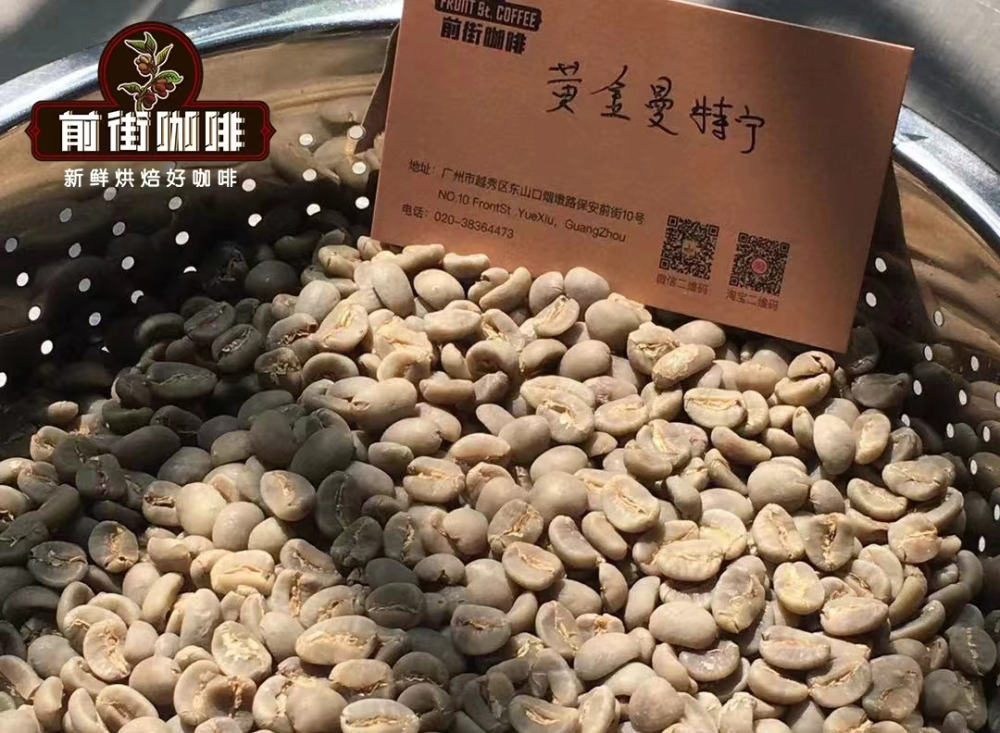
PWN Gold Mandheling
When people talk about Mandheling, they usually think of "Gold Mandheling" — and you've probably noticed that certain letters always seem to travel with the name, as in PWN Gold Mandheling.
PWN stands for Pwani Coffee Company, one of Indonesia's most famous coffee purchasing companies. It buys up Indonesian Mandheling — essentially all of the country's best producing areas — so beans that pass through PWN's hands are almost by definition specialty coffee. After purchase, PWN runs multiple rounds of manual hand-selection, keeping only plump, flawless beans, and only those qualify as Gold Mandheling.
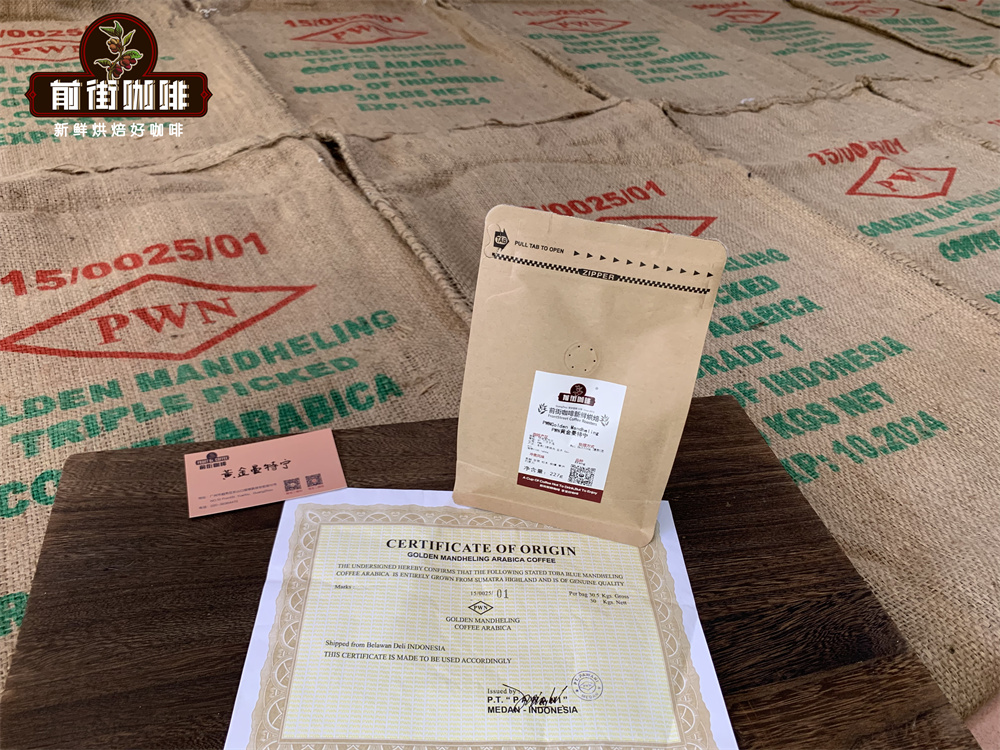
PWN later registered "Gold Mandheling" as a trademark — so where it once meant any Gold Mandheling the company produced, today only coffee produced by PWN itself counts as the genuine article. Most PWN Gold Mandheling now comes from the Aceh region.
Sumatra's Unique Processing Method: Wet Hulling
Most Indonesian Mandheling is processed by wet hulling — a method native to Indonesia. On paper it looks a lot like the washed process, but the resulting flavors are worlds apart. Wet-hulled coffee tends to be rich, intense, and full of personality: the signature of the Mandheling profile.
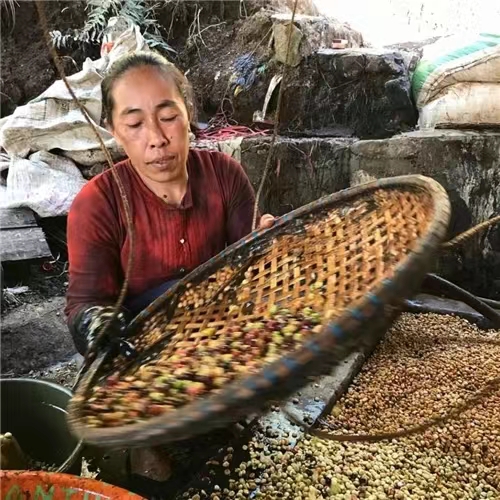
Depulping
As with washed processing, cherries are processed as soon as possible after harvest. In Indonesia, depulping usually happens at small farmers' homes, removing the cherry's skin and some of the pulp.
Washing
The depulped beans are soaked in water for 1 to 2 hours and rubbed together to remove some of the mucilage.
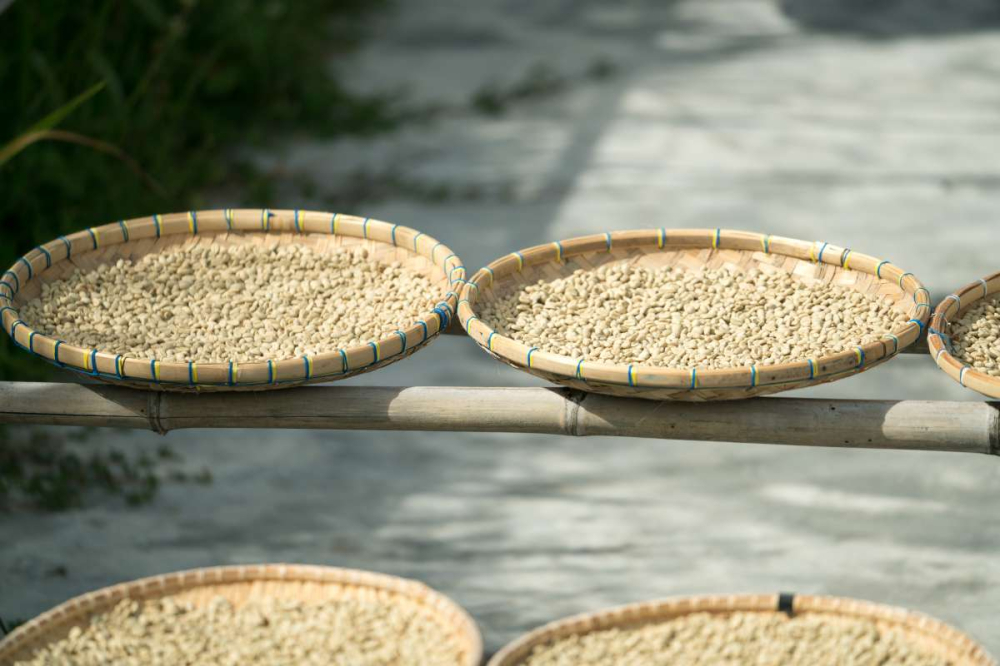
First Drying
The beans then dry briefly at the farmers' homes until their moisture content drops to between 20% and 35%.
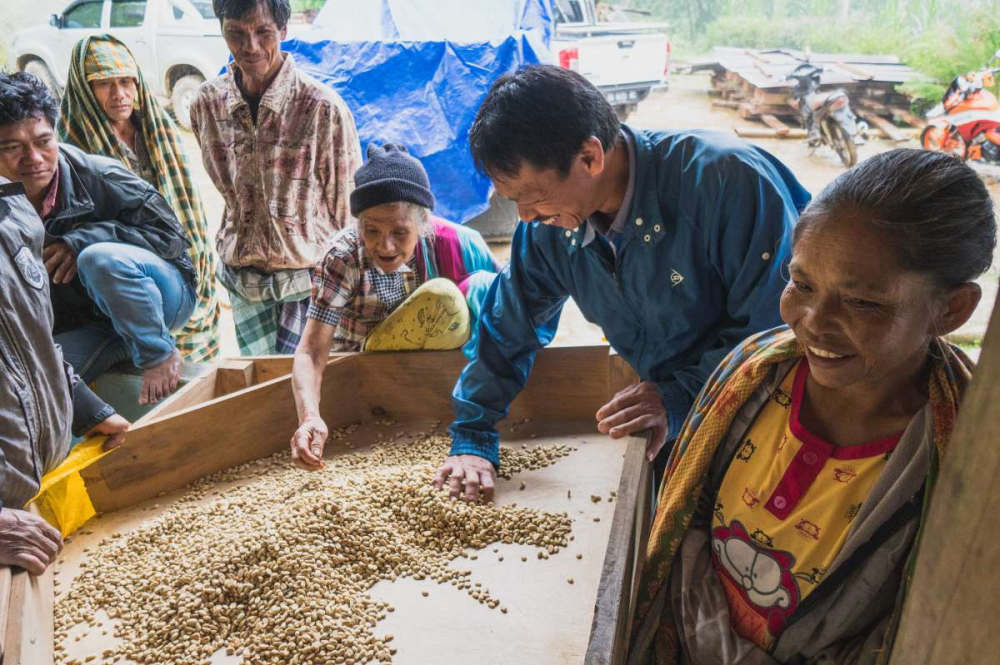
Collection
At this point the mucilage layer hasn't hardened yet and is still sticky. The beans are sold at market, collected, and sent to processing plants for the next steps.
Second Drying
At the processing plant, the collected beans are dried again, bringing their moisture content down to about 18%.
Hulling (Wet Hulling)
Next, the beans go into hulling machines for the wet-hulling step, which strips off the remaining mucilage and parchment. This is what makes wet hulling unique: the parchment is removed before the beans are fully dried, whereas washed processing keeps the parchment on throughout drying and hulls it off just before export.
Final Drying & Storage
Finally, the hulled beans return to the drying yard and are dried down to 11% moisture, then bagged and warehoused to await export.
Wet hulling is Indonesia's homegrown solution to its local conditions. One reason Gold Mandheling's quality is so consistent is the three rounds of manual sorting after processing, which minimize defective beans and guarantee plump, uniform sizing.
What Varieties Are Mandheling Coffee Beans?
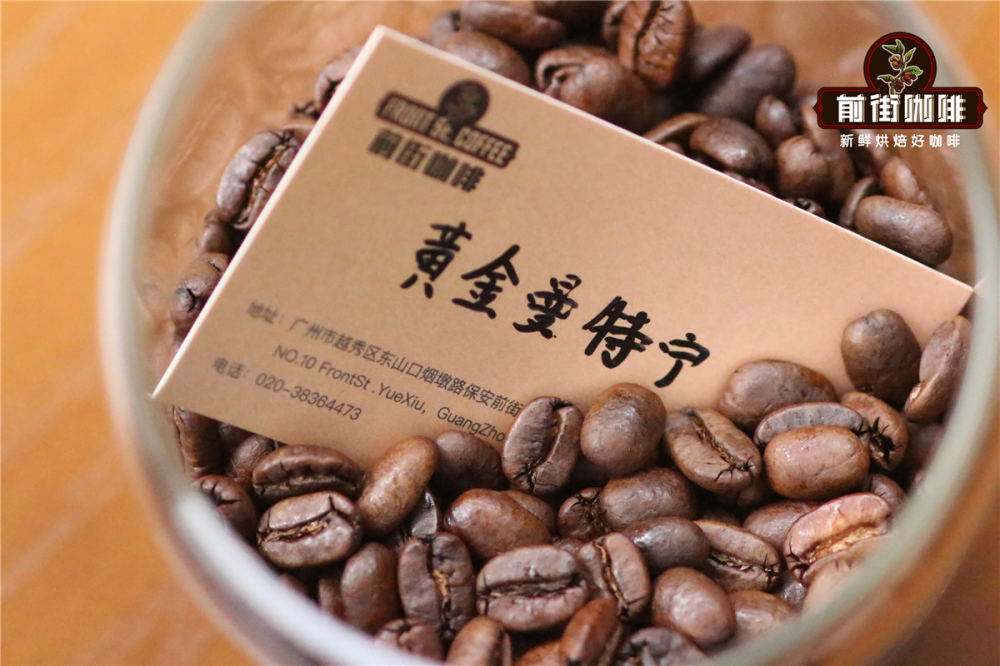
Gold Mandheling
Sumatra Gold Mandheling
- Region: Aceh, Gayo Mountain, Sumatra
- Altitude: 1100-1600 meters
- Variety: Ateng
- Grade: G1, 3 rounds of hand selection
- Processing: Wet hulled
- Flavor: spices, herbal, caramel, pine, nuts, chocolate
Ateng is a hybrid of Arabica and Robusta with several sub-types, widely planted across Sumatra and other Indonesian islands. In short, it's a branch of Catimor — Ateng is simply the local name for it.
Lintong Mandheling
Sumatra Lintong Mandheling
- Region: Lintong, Sumatra
- Altitude: 1100-1600 meters
- Varieties: Typica, Caturra
- Processing: Wet hulled
- Flavor: toasted bread, nuts, caramel, pine, herbal
Typica has bronze-colored young leaves and oval, slender-pointed beans — an elegant flavor, but a fragile plant with poor disease resistance and low yields. Besides Mandheling, several other FrontStreet Coffee beans, such as Jamaica Blue Mountain and Hawaii Kona, are also Typica varieties.
Caturra is a natural Bourbon mutation, discovered in Brazil in 1937. The plant is shorter and more compact than Bourbon; it inherits Bourbon's weaker disease resistance but yields more.

FrontStreet Coffee Recommendation
Sumatra's rainy climate — humidity of 70-90%, typhoons, and over 2000 mm of annual rainfall — is what forced local farmers to invent wet hulling: machine-removing the parchment from half-dried beans to expose them directly to the air, which also invites the wild, herbal-earth flavors Mandheling is famous for. FrontStreet Coffee's PWN Gold Mandheling is the flagship expression of that craft: only beans above 18 screen size are used, with fewer than 3 defects per 300 g to meet the G1 standard, plus three rounds of hand selection. Medium-dark roasted, it gives a clean, full-bodied black coffee with toasted aromas — perfect for anyone who dislikes acidic coffee.
To brew it like FrontStreet does: 87-88°C water, 15 g of coffee, a 1:15 ratio, a coarse granulated-sugar grind, and a three-stage pour — 30 ml bloom, 100 ml to lift the bed, then a gentle 95 ml center pour — for thick body, caramel sweetness, and chocolate and nut flavors. If you'd rather have it as espresso, the FrontStreet Classic Blend adds medium-dark Mandheling to Brazil's creamy nuttiness, with butter, roasted chestnut, and caramel notes, plus a touch of Robusta for crema — great for lattes and Dirty drinks alike.
Important Notice :
FrontStreet Coffee is a long-established specialty coffee roaster in Guangzhou China, selling freshly roasted beans from its own farm in Yunnan as well as dozens of carefully selected single-origin beans from around the world for both pour-over and espresso. The products deliver consistently excellent quality and great value, with shipping within 24 hours. Guangzhou's FrontStreet Coffee shop is recommended by many coffee lovers, and the beans are now available online at the Tmall 。
FrontStreet Coffee has moved to a new address:
FrontStreet Coffee Address: 315,Donghua East Road,GuangZhou
Tel:020 38364473
 Scan and follow the En Gafei WeChat official account. Please indicate that the reprint comes from "En Gafei".