Introduction to the 10 Most Common Espresso-Based Coffee Types: Preparation Methods and Flavor Characteristics

Espresso is a fixture in almost every cafe, but the world of espresso drinks is far larger than just the americano and the latte. In this article, FrontStreet Coffee introduces 10 espresso-based coffees found in cafes, along with how they are made.
1. Espresso Coffee
Espresso means "fast, concentrated coffee." It is produced when hot water is pushed quickly through grounds under high steam pressure (around 9 atmospheres), fully extracting the coffee's essence into a rich, aromatic, full-bodied drink with a bittersweet caramel flavor. FrontStreet Coffee typically uses a double shot (20g of grounds) to produce approximately 40g of espresso, with very fine, rich coffee oil on the surface, also known as crema.
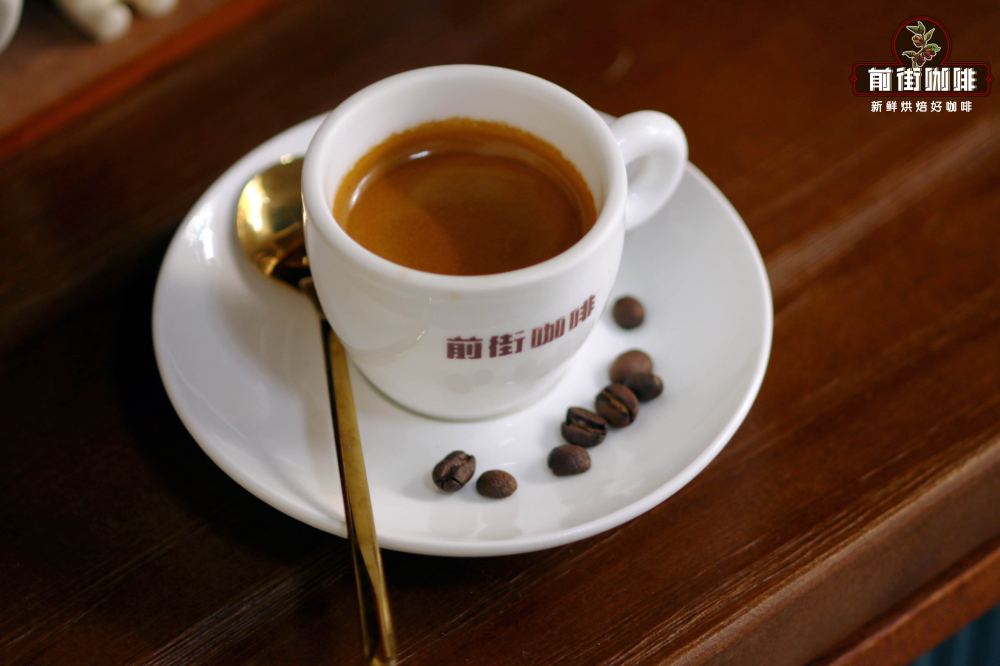
Espresso is the foundation of many espresso drinks. Put another way, if the espresso extraction is poor, the other drinks made from it will not taste good either.
2. Americano Coffee
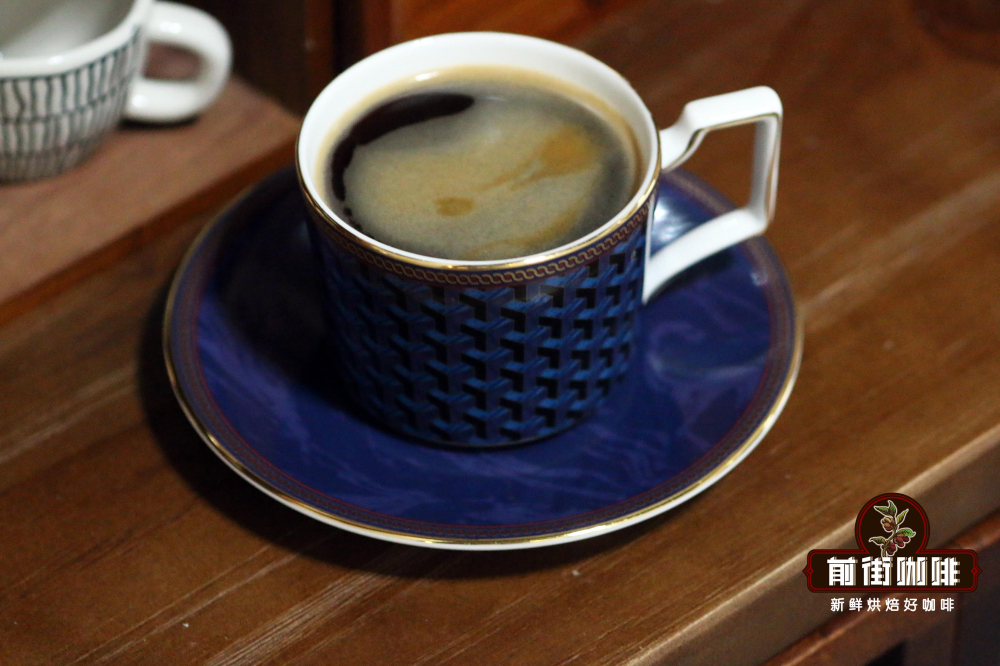
Americano is made by diluting Italian espresso with hot water. It originated during World War II, when American soldiers arrived in Europe and found Italian espresso too strong for their taste, so they diluted it with water. Although an americano contains a large amount of water and tastes milder than straight espresso, its flavor and aroma remain intact. It is completely different from a filter-brewed Americano. It pairs beautifully with sweet treats such as cookies and muffins, and suits anyone who does not enjoy the intensity of straight espresso.
FrontStreet Coffee's hot americano ratio is 40g of espresso mixed with 180ml of hot water, giving a 220ml americano, an espresso-to-water ratio of 1:4.5.
3. Latte Coffee
Latte is a common milk coffee among espresso drinks. "Latte" means "milk" in Italian. FrontStreet Coffee uses a double shot of 40g of espresso for a latte, paired with 260g of milk and foam at a foam thickness of 1cm. A latte can, of course, be finished with beautiful latte art. The perfect fusion of milk and coffee highlights the sweetness of the milk while still showing off the richness of the coffee.
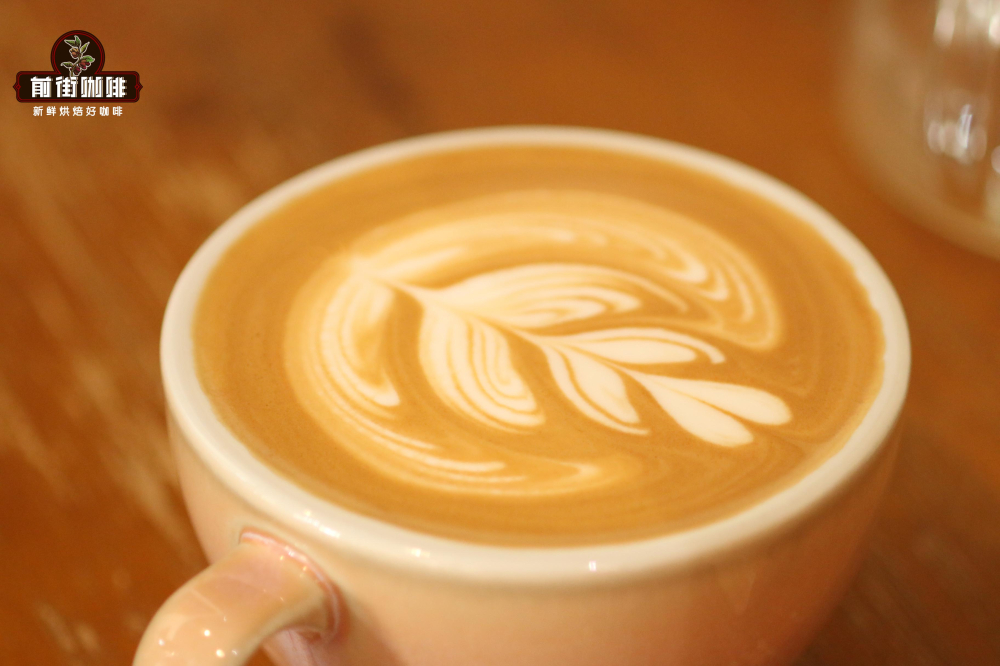
4. Cappuccino Coffee
Cappuccino takes its name from the Capuchin order and the Italian word for hood, Cappuccio. It is similar to a latte, belonging to the milk-coffee family and made from espresso and frothed milk. Unlike a latte, however, a cappuccino has thicker, denser foam, a smaller volume, and a stronger coffee flavor.
Traditional cappuccino harmonizes espresso, milk, and foam in a 1:1:1 ratio, making it less bitter than straight espresso and adding the richness of foam, so it is easier for most people to enjoy. Among espresso drinks, cappuccino has the thickest foam, and that dense, fine foam adds an excellent texture.

FrontStreet Coffee uses a 180ml tulip cup for its cappuccino, adding one freshly pulled shot of espresso and then milk frothed into dense, thick foam.

5. Flat White Coffee
A flat white can be understood as Australia's local version of the latte, so it differs slightly from a standard latte. It originated in Australia and New Zealand, a coffee evolved by Oceanian drinkers to suit their own tastes. It consists of espresso, milk, and a thin layer of foam. Flat white cups are generally smaller than latte cups, with less milk and a stronger coffee flavor that highlights the coffee's richness. Note that a flat white is only ever served hot.
FrontStreet Coffee's flat white standard: a 220ml glass cup, 30g of ristretto espresso, and 190ml of milk plus foam at a foam thickness of roughly 0.5cm. (Foam preparation level: 5 parts full milk frothed to 5.5-6 parts full foam.)
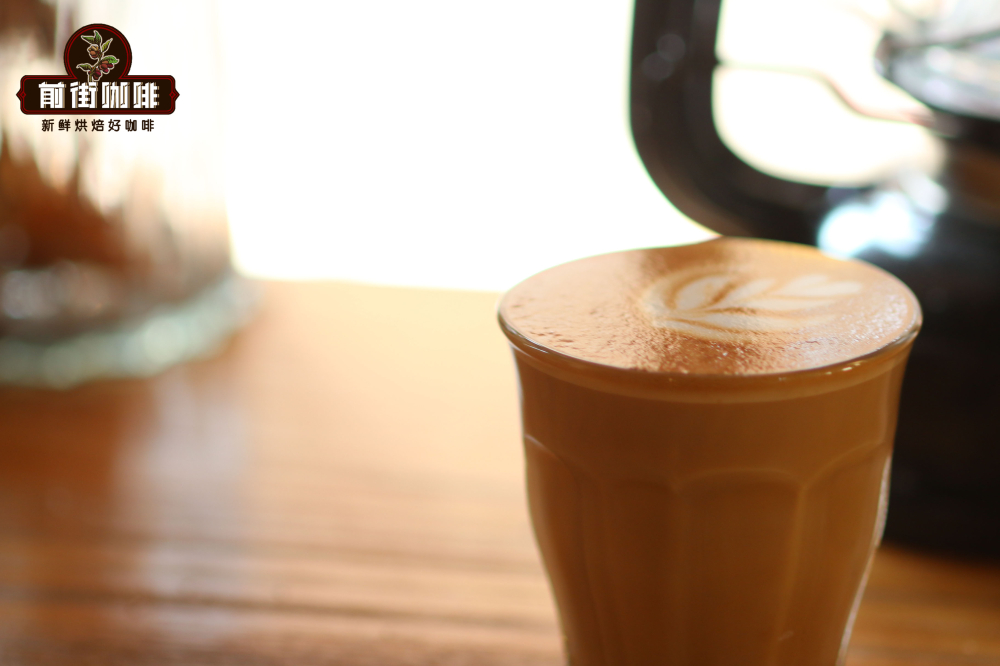
6. Mocha Coffee
In Italian, "mo" means chocolate, so mocha coffee literally means chocolate coffee. It is a fusion of mellow coffee, rich milk, and sweet chocolate. One variation is the white cafe mocha, which uses white chocolate instead of milk and dark chocolate. Another variation, besides white mocha, mixes two types of chocolate syrup and is called zebra mocha, sometimes also known as tuxedo mocha.
FrontStreet Coffee's mocha recipe is: 40g espresso + 20g chocolate syrup + 260g hot milk.

7. Dirty Coffee
Many people wonder about the difference between a Dirty and an iced latte. From ingredients to recipe to appearance, the two share a great deal. Look closely, though, and you will see that a Dirty is essentially a more refined iced latte. The biggest differences are the choice of vessel and the details of preparation.
A Dirty is typically served in a glass that can show off the layers of liquid, and importantly it contains no ice. The point is to let espresso flow slowly into pure white milk, gradually permeating and blending to create a beautiful layered effect. As time passes, the white milk is gradually "stained" by the rich espresso, and through the glass the drink looks dirty. Beyond the visual dirtiness, it sets the collision of cold milk and hot espresso in one glass, letting you taste the shift from hot to cold in a single cup.

FrontStreet Coffee's Dirty ratio is 150g milk and 40g espresso. First take out a pre-chilled glass and make sure it is free of water, then pour in iced milk. Attach the filled portafilter and place the glass of iced milk under the spout (or directly under the outlet with a bottomless portafilter). Keep the distance from the outlet to the liquid surface short - too far, and the coffee's own gravity gives it more penetrating power and it mixes too easily. About 1cm is recommended. With a proper espresso flow rate, the coffee flows evenly and slowly onto the milk surface, floats on top, and gradually sinks, creating the dirty effect.
Drink a Dirty without stirring, and drink it quickly. You will find the hot espresso on top has not yet been melted by the cold, and the milk below has not yet been stained. The transformation from rich, chocolatey hot coffee to milky, light iced coffee is simply wonderful.

8. Macchiato Coffee
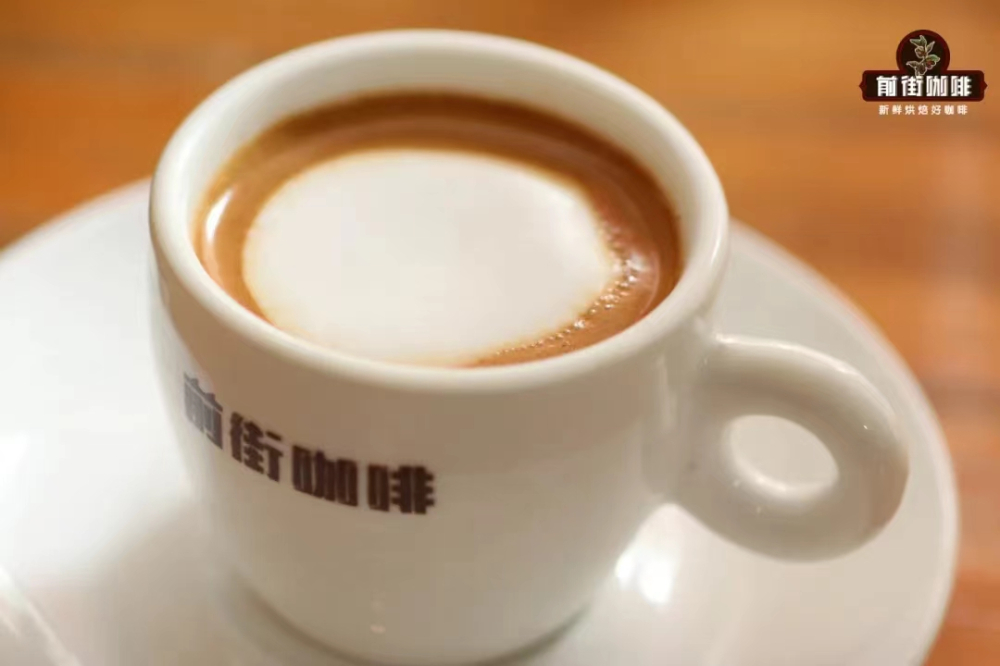
Macchiato is an Italian word meaning "marked." Macchiato coffee originated in 1980s Italy, when customers had a habit of adding a small amount of milk to their espresso, but the milk would quickly disappear into the crema. Baristas wanted a way to distinguish a plain espresso from one containing a little milk, so they used foam to "mark" a white dot on the crema.

Later, people discovered that as the foam and espresso gradually fuse, you can taste both the rich aroma and full body of espresso and the dense sweetness of milk, intertwining and merging in the mouth - wonderful and hard to describe. Thus the traditional macchiato was born.
FrontStreet Coffee's macchiato recipe: 40g espresso + 1 spoon of fine foam.
9. Affogato Coffee
This is a very special coffee drink. The standard method is to place a scoop of vanilla ice cream in a cup and pour a shot of espresso over it, completing an affogato. When you taste it, you get the cool sweetness of vanilla ice cream alongside the aroma of coffee - perfect for summer.

10. Caramel Macchiato
This is Starbucks' signature espresso drink (and completely unrelated to the macchiato). A medium 355ml cup contains one shot (approximately 30ml) of espresso, with the remaining 300ml made up of foamed milk, vanilla syrup, and caramel, giving it a sweet flavor.

Caramel Macchiato: making it uses large amounts of milk and foam, not far off a wet cappuccino or a thicker latte. Vanilla syrup and smooth hot fresh milk, topped with a layer of fine, smooth foam, mixed with rich espresso and finished with soft caramel sauce - the sweet, rich caramel macchiato is an excellent way for coffee lovers to enjoy strong espresso.
FrontStreet Coffee Recommendation
Most espresso blends are medium-dark roasted so that milk drinks show bold nut and chocolate notes. FrontStreet Coffee's classic blend is its first choice here: it follows the traditional Mamba recipe and pulls a dense, fine crema even on a home machine, giving lattes, cappuccinos, and a Dirty a mellow, full-bodied base that both beginners and experienced drinkers enjoy.
If you want the fullest crema and body, FrontStreet Coffee's commercial blend and classic blend include a small amount of Robusta, which adds golden foam and lifts the caramel aroma. If creamy, nutty milk drinks are your goal, FrontStreet Coffee's premium house blend and black cocoa blend are built on a Brazil-led recipe, so a latte shows complex almond and walnut character over a silky texture. The premium house blend pairs Brazil Cerrado with Colombia Huila for the classic espresso taste FrontStreet's own shops have served for nearly a decade.
For a fruit-forward milk drink, FrontStreet Coffee's Strawberry Candy blend recreates a clear strawberry-gummy sweetness from the natural flavors of Arabica beans and works for both home and cafe use. And if you prefer a hand-pour base for milk, choose a medium-dark single origin such as FrontStreet Coffee's Brazil Queen Estate, PWN Golden Mandheling, or Colombia Huila, all of which hold their flavor when a little milk is added.
Important Notice :
FrontStreet Coffee is a long-established specialty coffee roaster in Guangzhou China, selling freshly roasted beans from its own farm in Yunnan as well as dozens of carefully selected single-origin beans from around the world for both pour-over and espresso. The products deliver consistently excellent quality and great value, with shipping within 24 hours. Guangzhou's FrontStreet Coffee shop is recommended by many coffee lovers, and the beans are now available online at the Tmall 。
FrontStreet Coffee has moved to a new address:
FrontStreet Coffee Address: 315,Donghua East Road,GuangZhou
Tel:020 38364473
 Scan and follow the En Gafei WeChat official account. Please indicate that the reprint comes from "En Gafei".