Introduction to Uganda Coffee Varieties and Grades: How to Best Enjoy Ugandan Coffee Beans?
Uganda's coffee production ranks among the highest in Africa and accounts for over 70% of the country's total exports. Uganda is also the birthplace and main producing region of Robusta coffee. In the 1960s, output held steady at about 3.5 million bags a year. By the mid-1980s, largely for political reasons, production fell to 2.5 million bags annually. It is now climbing again, reaching roughly 3 million bags per year. The main exports go to the European Union, with Sweden and Italy among the biggest buyers.
Uganda Coffee Classification System
The types and grades of Ugandan coffee are confirmed by the Uganda Coffee Development Authority. The grading system is the same as Kenya's:
PB: peaberry
AA Plus-plus:
AA plus:
AA: Screen 17 and 18 (sieve: 17, 18 mesh = 7.2 mm)
AB: Screen 15 and 16 (6.6 mm; sieve: 15, 16 mesh = 6.6 mm)
C:
E:
TT: lightweight beans selected from AA and AB grades through airflow screening
Origin and Processing Details
Origin: Mt. Elgon Region, Uganda, Africa
Green Beans: Organic HB certified Hard Bean
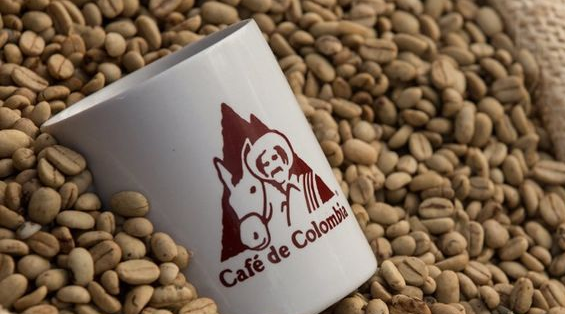
Notes: The Bugidu tribe lives in the Elgon Mountain region and has become expert coffee farmers. Because their environment is undisturbed, their production has received organic certification, which is quite special. The mountain terrain is steep and there are barely any proper roads during the rainy season, making transport difficult. The Bugidu tribe solves this by using donkeys to carry green beans; India uses elephants to move coffee beans. That is why every cup of Ugandan coffee carries a sense of the raw passion behind it.
FrontStreet Coffee Brewing Analysis
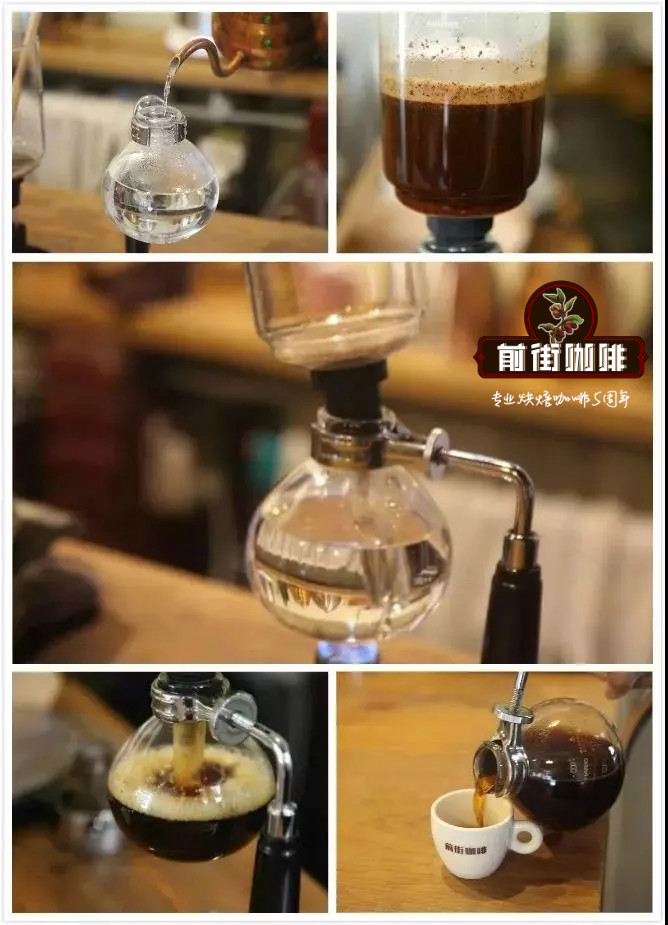
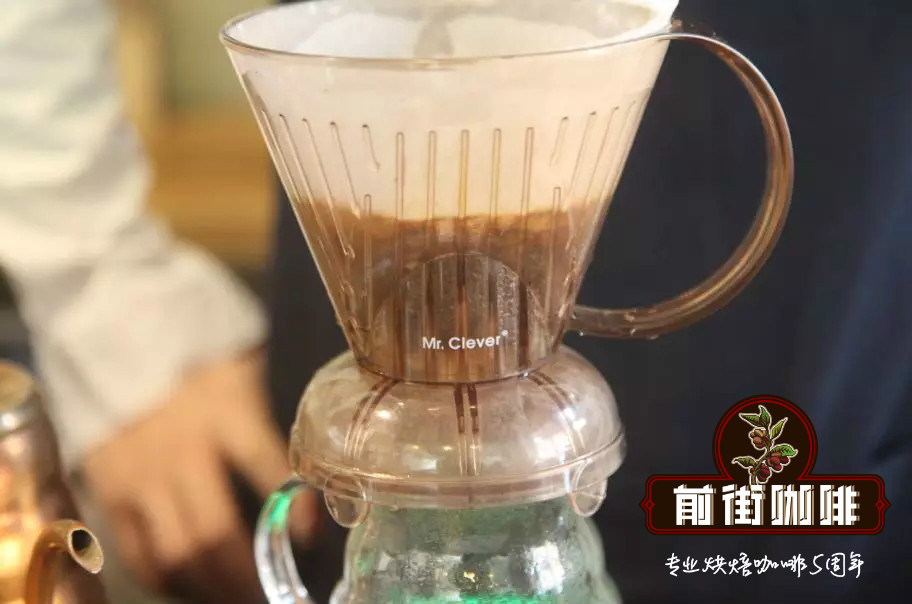
Recommended Brewing Methods: Siphon, Pour-over
Grind Size: 3.5 (Japan Fuji R440)
Water Temperature: 89°C
V60 Dripper: 15 g coffee grounds, water temperature 89-90°C, grind size 3.5, water-to-coffee ratio close to 1:15
Bloom: 30 g water for bloom, 30 s bloom time
Pouring Stages: Pour water to 100 ml, pause, then slowly pour to 225 ml
Sequence: 30-100-95
Other Drip Brewing Recommendations:
French Press: Recommended grind size 3.5-4 / water temperature 90°C
AeroPress: Recommended grind size 2.5, water temperature 88°C
Pour-over: Grind size 3.5, water temperature 89°C
FrontStreet Coffee Recommendation
Ugandan coffee is Arabica with a clean, balanced profile, and it sits nicely alongside the other great Arabica origins FrontStreet Coffee carries. If you want the natural, fruit-forward side of Arabica, FrontStreet's sun-dried Flower Queen is a strong entry point - tropical strawberry, mango, jackfruit, and citrus with low bitterness, the kind of cup that changes how people think about coffee.
For the washed, citrus-driven side, FrontStreet's washed Yirgacheffe is the classic: bright lemon and citrus acidity, clean jasmine florals, and a tea-like finish. It is one of the most approachable specialty coffees for a first-time Arabica drinker.
For something richer and more balanced, FrontStreet's Jamaica Blue Mountain No. 1 is Typica, one of the archetypal Arabica varieties. It strikes an excellent balance among acidity, sweetness, bitterness, and aroma, with cream, caramel, chocolate, nut, honey, and light fruit notes over a smooth, rounded body - the specialty coffee most people end up loving.
Important Notice :
FrontStreet Coffee is a long-established specialty coffee roaster in Guangzhou China, selling freshly roasted beans from its own farm in Yunnan as well as dozens of carefully selected single-origin beans from around the world for both pour-over and espresso. The products deliver consistently excellent quality and great value, with shipping within 24 hours. Guangzhou's FrontStreet Coffee shop is recommended by many coffee lovers, and the beans are now available online at the Tmall 。
FrontStreet Coffee has moved to a new address:
FrontStreet Coffee Address: 315,Donghua East Road,GuangZhou
Tel:020 38364473
 Scan and follow the En Gafei WeChat official account. Please indicate that the reprint comes from "En Gafei".