Robusta Coffee Flavor Profile and Taste Characteristics - Robusta Coffee Bean Growth and Environment
We often hear about Arabica coffee beans and Robusta coffee beans. Everyone knows Arabica well, but when it comes to Robusta, most of us only know that it does not taste very good and is used in commercial beans. Today, FrontStreet Coffee takes you through the Robusta coffee variety.
The Origin of Robusta
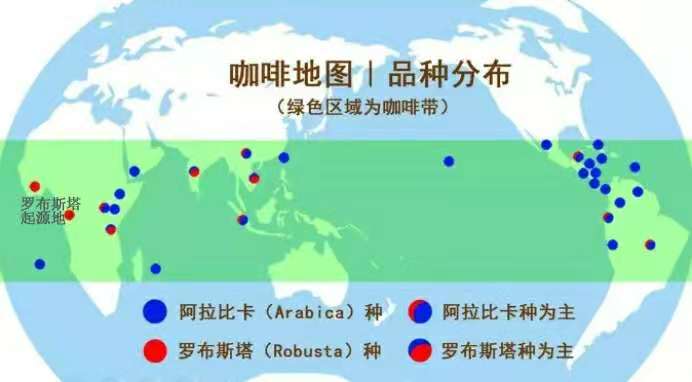
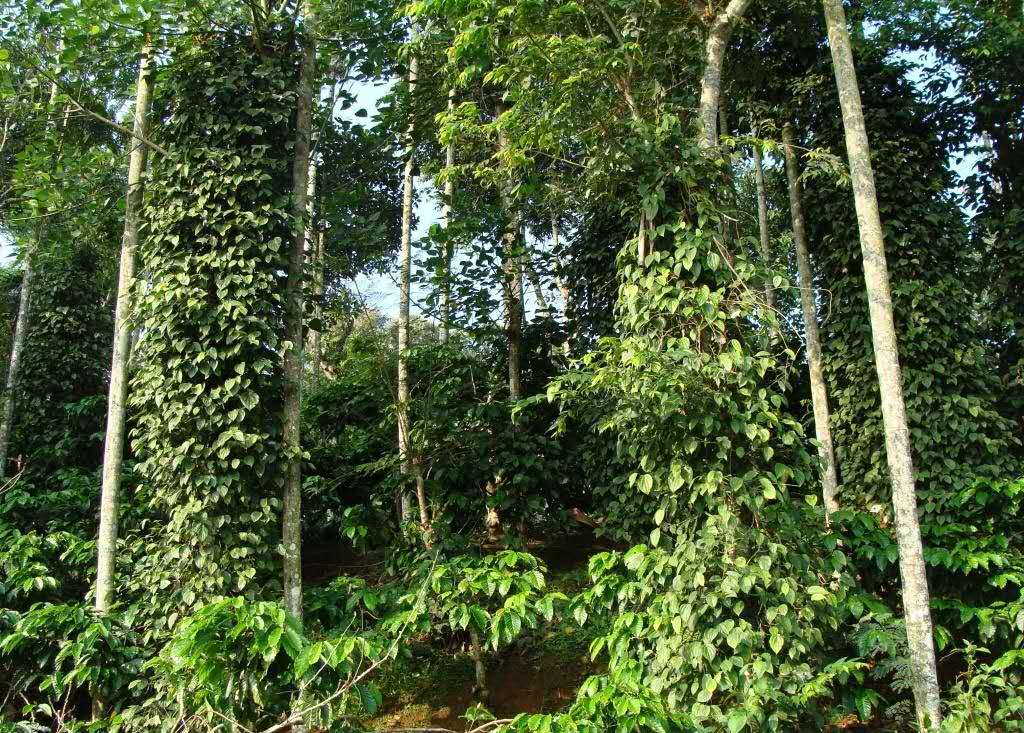
Robusta originated in the Congo region of West Africa. We often compare Arabica and Robusta, but that comparison is not rigorous, because botanically they are not even at the same taxonomic level. Robusta actually belongs to the Canephora species, also known as the Congo species, in the same way that Typica belongs to the Arabica species. Unfortunately, among the Canephora species, only one variety, called Robusta, can be commercialized and is widely known, so Robusta has almost replaced Canephora as the synonymous name for the whole species.
Appearance of Robusta Coffee Beans
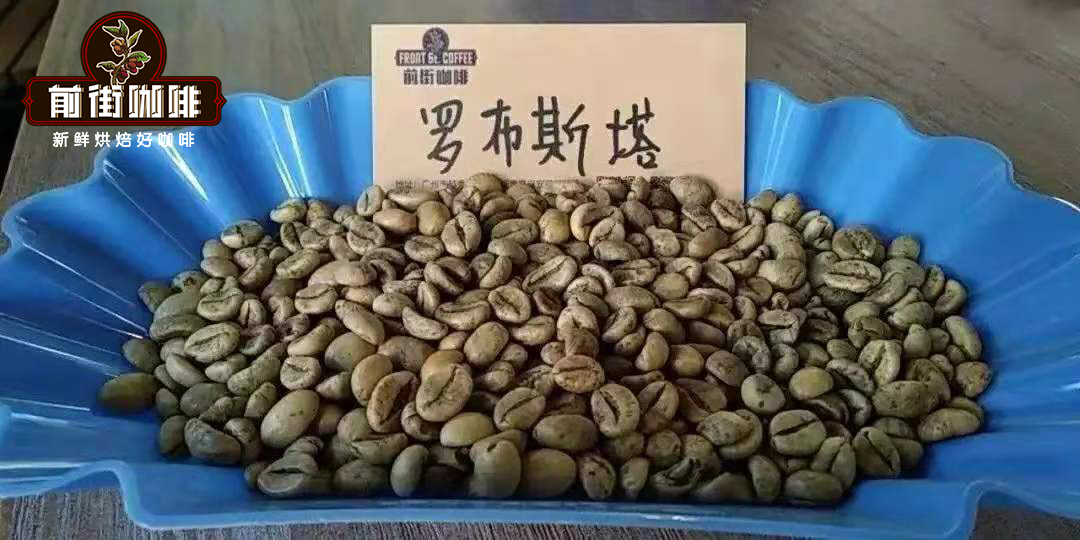
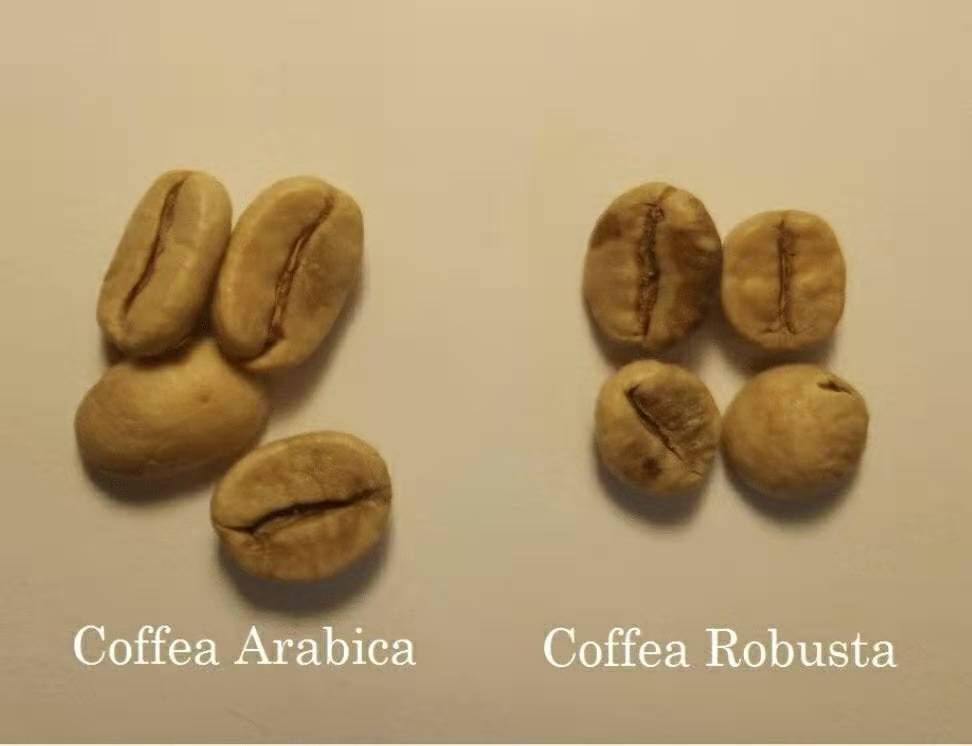
Robusta coffee yields one bean per fruit. Robusta beans are relatively round and C-shaped, with a central line that appears as a "1" shape, and the raw beans display a yellowish-brown color.
Advantages of Robusta
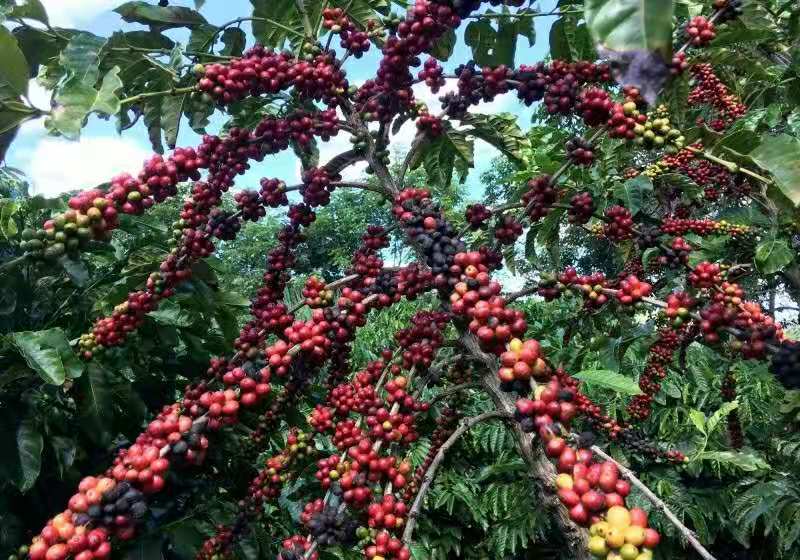
Growing Conditions: The global coffee growing belt lies between the Tropic of Cancer and the Tropic of Capricorn, and Robusta is no exception. But Robusta's growing conditions are not as demanding as Arabica's. It can grow at lower altitudes and higher temperatures, grows faster than Arabica, and tolerates extreme weather better. Robusta is widely cultivated in countries such as Vietnam, Brazil, and India. Hainan, China, also grows Robusta.
Insect Resistance: Robusta's caffeine content ranges from 2.7% to 4%, which is twice that of Arabica. Caffeine serves as a natural pesticide, protecting the plant from most insect damage.
Disease Resistance: We generally know that Arabica has 44 chromosomes while Robusta has 22. Generally, the more chromosomes, the higher the genetic complexity and the more advanced the species. However, Arabica is self-pollinating while Robusta is cross-pollinating, and pollination involves a genetic process.
Typically, cross-pollinated plants have higher quality, because offspring produced through cross-pollination carry genetic traits from both parents and are likely to develop new characteristics that help them survive in a changing environment. Self-pollinating Arabica, by contrast, is quite fragile: as it reproduces continuously, its genes become increasingly homogeneous, with no participation from outside genes. If certain diseases appear, such as leaf rust, they can potentially wipe out coffee plants that share the same genes. Robusta's strength lies in its ability to keep changing its genes to adapt to the environment.
Disadvantages of Robusta
Flavor: Compared with Arabica, Robusta has higher caffeine, amino acid, and chlorogenic acid content. Chlorogenic acid is the source of bitterness, so Robusta naturally lacks the delicate aromatic fragrance unique to Arabica beans. Instead, it offers a richer, deeper body with flavors of walnut, peanut, hazelnut, wheat, and grains, and sometimes even pungent earthy notes. Because of this inferior flavor, Robusta is often rejected by the specialty coffee community and is generally used for blending with Arabica or for instant coffee.
Specialty Robusta
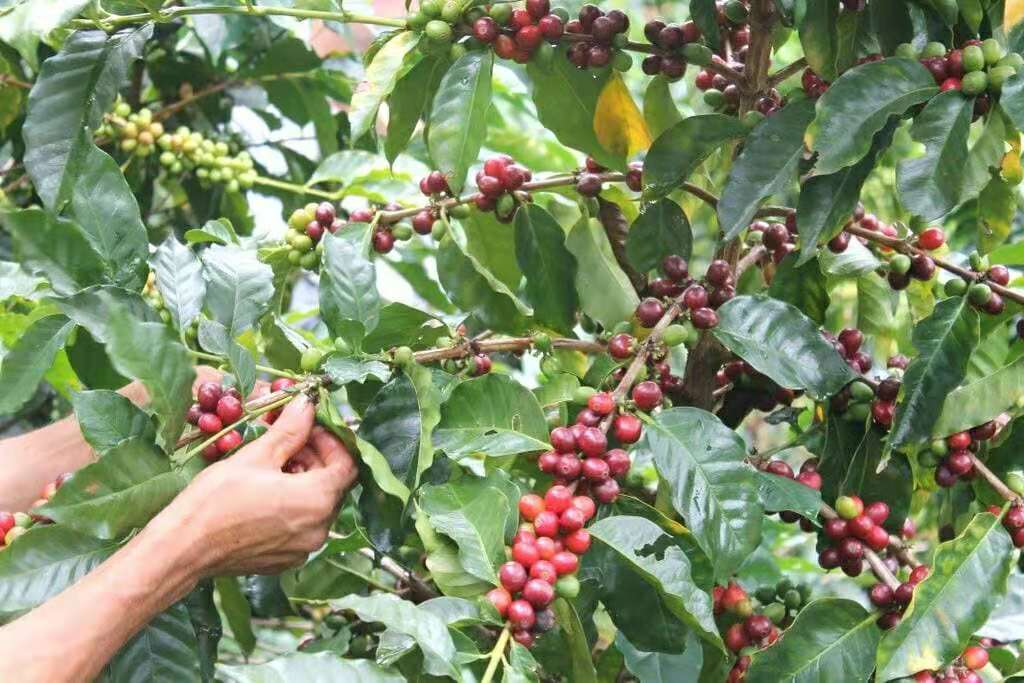
Many factors contribute to Robusta's poor flavor, both congenital, meaning genetic, and acquired, meaning cultivation and processing. So if the acquired conditions are improved, can delicious Robusta be produced?
The representative of specialty-grade Robusta is India's "Kappi Royale."
Kappi Royale means "top grade." At least four private coffee estates in India currently grow and produce "Kappi Royale" grade Robusta beans using the standards and procedures of specialty Arabica.
The introduction of "Kappi Royale" specialty Robusta has undoubtedly begun to change the world's impression of Robusta. Most people who have tried it are amazed by its combination of richness and cleanliness. Thanks to refined cultivation and processing, "Kappi Royale" grade Robusta's flavor is mostly quite clean, without the disturbing defects of cheap-grade Robusta. It still lacks the delicate aromatic fragrance unique to Arabica, but it offers a richer, more stable body with strong flavors reminiscent of peanut butter, hazelnut paste, walnut, peanut, hazelnut, and wheat.
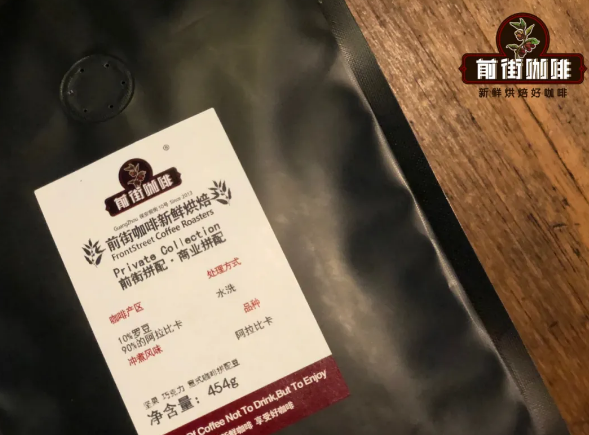
Robusta beans are also widely used in espresso blends. FrontStreet Coffee's commercial blend, for example, consists of 30% Colombian Arabica, 60% Brazilian Arabica, and 10% Robusta. The Robusta supplies rich coffee oils, making the flavor rich and full-bodied, with caramel sweetness, nut and cocoa flavors, dark chocolate notes, balanced acidity and sweetness, a slight bitter-sweetness, and a long-lasting aftertaste.
Flavor: Caramel sweetness, nut and cocoa flavors, dark chocolate notes, balanced acidity and sweetness, slight bitter-sweetness, long-lasting aftertaste.
FrontStreet Coffee Recommendation
If Robusta's heavier, earthier profile is not what you are after, the other side of the coffee world is Arabica, and FrontStreet Coffee's single-origin list shows how wide that range is. FrontStreet Huakui is a naturally processed Ethiopian heirloom from the Hambela area, with a soft floral top note and loud fruit, including cream strawberry, mango, jackfruit, citrus, and blueberry, the ripe tropical character typical of FrontStreet's sundried Sidamo beans. It took first place in that year's TOH green bean competition, and it pairs drinkability with price.
For a cleaner, more citrus-driven cup, FrontStreet Yirgacheffe Geddid Cooperative is an Ethiopian G1 washed lot with elegant white florals and bright citrus, showing orange, lemon, and a green tea finish. If you want the balanced, gentle end of the spectrum, FrontStreet Jamaica Blue Mountain No. 1 is grown from Typica and offers a remarkably even cup where no single note dominates, with hazelnut, cream, chocolate, and caramel.
Arabica like these rewards a gentler hand than Robusta. Keep the water near 90-91°C, use a medium grind at a 1:15 ratio, and pour in stages after a 30-second bloom so the fruit and sweetness come forward without the bitterness that a hard extraction would pull from the roast.
Important Notice :
FrontStreet Coffee is a long-established specialty coffee roaster in Guangzhou China, selling freshly roasted beans from its own farm in Yunnan as well as dozens of carefully selected single-origin beans from around the world for both pour-over and espresso. The products deliver consistently excellent quality and great value, with shipping within 24 hours. Guangzhou's FrontStreet Coffee shop is recommended by many coffee lovers, and the beans are now available online at the Tmall 。
FrontStreet Coffee has moved to a new address:
FrontStreet Coffee Address: 315,Donghua East Road,GuangZhou
Tel:020 38364473
 Scan and follow the En Gafei WeChat official account. Please indicate that the reprint comes from "En Gafei".