Robusta Coffee Bean Cultural Development and Flavor Characteristics

Most people have heard of Robusta and Arabica coffee beans. So why do we see Arabica beans sold in coffee shops but rarely come across Robusta? Since both are coffee beans, what's the difference between them? In this article, FrontStreet Coffee answers common questions about Arabica and Robusta.
Q1: Where do Arabica and Robusta varieties originate?
The Arabica variety originates from Ethiopia. Even today, many unknown coffee tree varieties still grow in Ethiopia's primary forests. Robusta, by contrast, originated in the Congo region of West Africa. Robusta actually belongs to the Canephora species, also called the Congensis species. Unfortunately, among the Canephora species only one variety—named Robusta—can be commercialized and is widely known, so Robusta has almost replaced Canephora as the synonymous name for the species.
Q2: What are the characteristics of Robusta and Arabica varieties?
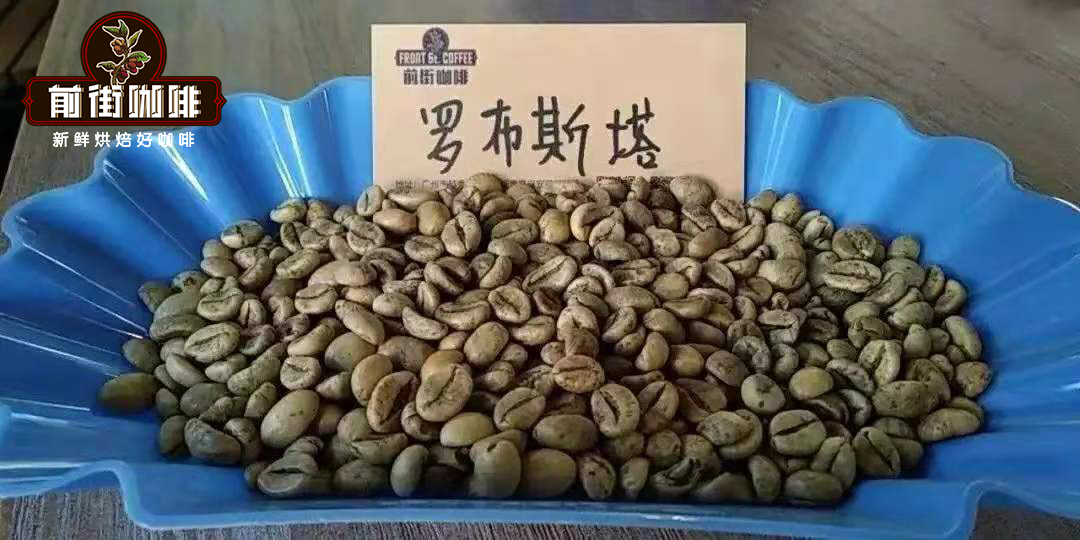
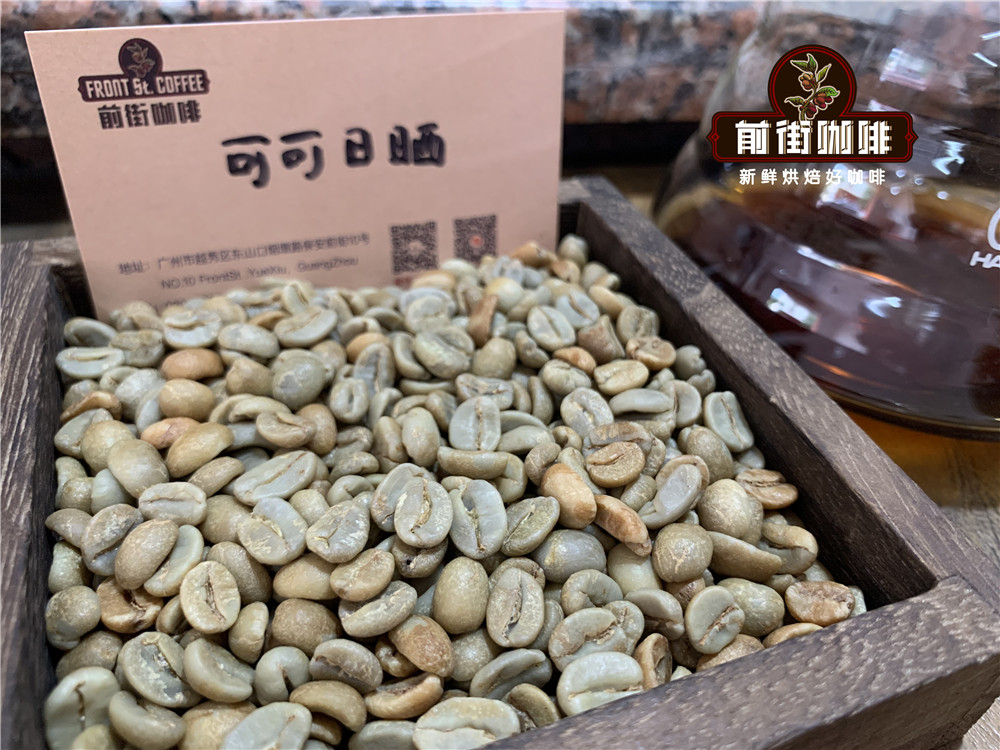
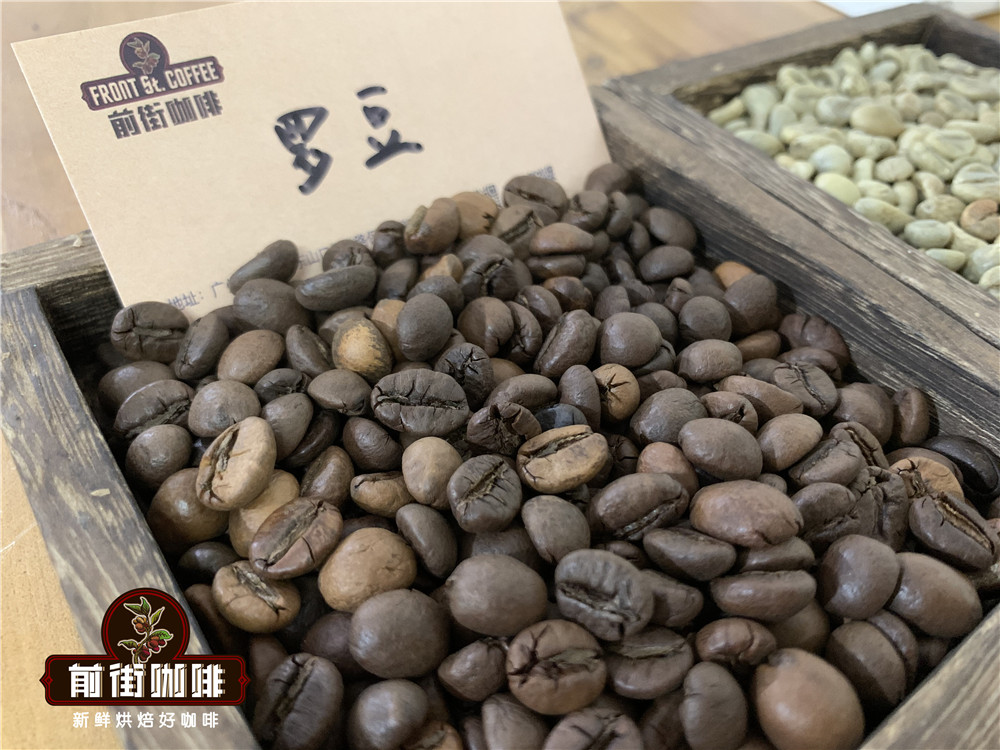
The Robusta variety produces one bean per fruit—meaning each Robusta coffee fruit contains only a single bean. Robusta beans are relatively round and C-shaped, with their center line appearing as a "1" shape.

Arabica coffee fruits, on the other hand, contain two beans (occasionally only one; because of their three-dimensional elliptical shape, people call such beans peaberries). Arabica beans are oval, relatively slender and flat, with their center line appearing as a "C/S" shape.
Q3: Do Arabica and Robusta have different requirements for growing conditions?
Arabica beans have high demands for their growing environment. Suitable temperatures and high altitude are the basic requirements for growing Arabica. Through different altitudes, temperatures, microclimates, humidity levels, and soil conditions, Arabica's flavor profile varies significantly. Because they grow at high altitude with large temperature differences between day and night, the coffee trees' growth cycle extends, allowing more complex flavor development.

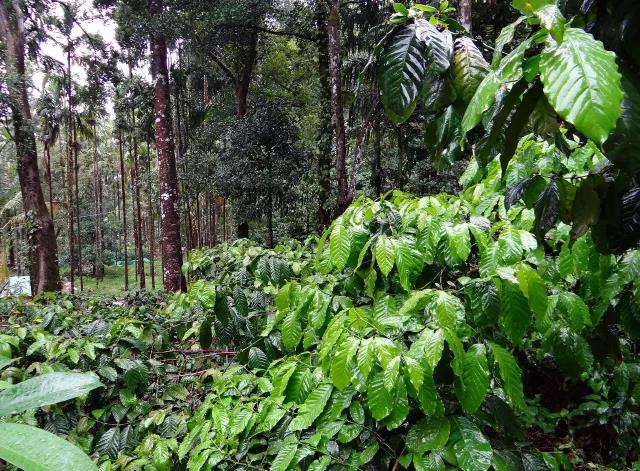
Robusta's growing conditions are not as demanding. It can grow at lower altitudes and higher temperatures. It grows faster than Arabica and tolerates extreme weather better. Robusta is widely cultivated in Vietnam, Brazil, and India; Hainan province in China also grows Robusta.
Q4: What are the caffeine contents of Arabica and Robusta?
Arabica has a low caffeine content, roughly 0.9% to 1.2%. It contains 60% more fat than Robusta and twice the sugar. As a result, Arabica has a clean, sweet taste with typically soft acidity and quite rich flavors. Compared with Arabica, Robusta has a higher caffeine content, roughly 1.6% to 2.4%, with lower fat and sugar content, giving it a more bitter, intense flavor. Caffeine serves as the best "natural pesticide" against pests.

Q5: Why does Robusta resist disease better than Arabica?
FrontStreet Coffee learned through research that Arabica coffee trees reproduce by self-pollination, while Robusta reproduces by cross-pollination. This pollination process involves genetic inheritance. Offspring produced through cross-pollination inherit traits from both parent plants, making it likely they will develop new characteristics that help them survive in changing environments. Self-pollinating Arabica is therefore quite fragile—its genes become increasingly uniform through continuous reproduction, similar to the principle of inbreeding in biology. When a disease that threatens coffee trees (leaf rust, for example) appears, it could destroy every Arabica tree with the same genes. Robusta, by contrast, can keep adapting to its environment by changing its genes.
Q6: What are the flavor characteristics of Arabica coffee beans?
Arabica beans are grown in high-altitude regions with large temperature differences between day and night. They grow slowly, giving them enough time to develop more flavor. Taking the well-known Typica, Bourbon, and Geisha beans as examples, FrontStreet Coffee has cupped Typica from different producing regions and found that an elegant, clean flavor and balanced character are its greatest features. Bourbon has better aroma and fuller flavors. Geisha's greatest characteristic lies in its rich floral aromas and soft acidity.

Q7: What are the flavor characteristics of Robusta coffee beans?
As mentioned above, Robusta is mostly grown in low-altitude areas and grows quickly, resulting in less flavor development. Robusta trees also have a high chlorogenic acid content (the source of bitter substances), so the coffee tastes mellow and deep, with flavors of walnuts, peanuts, hazelnuts, wheat, and grains, and sometimes even pungent earthy notes.
Q8: What are Robusta coffee beans generally used for?
Robusta has inferior flavor but possesses extremely high body and rich oils. Most instant coffee on the market is made from Robusta. Even after large amounts of saccharin and creamer are added, the coffee still keeps a mellow mouthfeel. FrontStreet Coffee blends Robusta with Colombian and Brazilian beans to create an espresso blend. Robusta adds body and oils, while the Colombian and Brazilian beans provide rich nutty and cocoa aromas.

FrontStreet Coffee Recommendation
If all this talk of Arabica varieties has you curious, Ethiopia is the place to start. The FrontStreet Washed Yirgacheffe shows exactly the clarity the varieties above point to—jasmine florals, bright citrus and lemon acidity, and a tea-like body. For a fuller, fruitier expression, the FrontStreet Natural Huakui comes from the Hambella area of Guji in Sidamo; grown at high altitude and naturally processed, then roasted light-medium, it gives light fermented wine, florals, citrus, and mango, with honey sweetness and cocoa over a full body.
Important Notice :
FrontStreet Coffee is a long-established specialty coffee roaster in Guangzhou China, selling freshly roasted beans from its own farm in Yunnan as well as dozens of carefully selected single-origin beans from around the world for both pour-over and espresso. The products deliver consistently excellent quality and great value, with shipping within 24 hours. Guangzhou's FrontStreet Coffee shop is recommended by many coffee lovers, and the beans are now available online at the Tmall 。
FrontStreet Coffee has moved to a new address:
FrontStreet Coffee Address: 315,Donghua East Road,GuangZhou
Tel:020 38364473
 Scan and follow the En Gafei WeChat official account. Please indicate that the reprint comes from "En Gafei".