Geisha Coffee Bean Variety Story: Is It Worth Trying? What Grade, Flavor, and Taste Characteristics Define Las Rocas Volcanic Rock New Blue Label Geisha
At FrontStreet Coffee, the Geisha variety never fails to capture customers' attention. Many newcomers learn about this bean's reputation before they ever taste it, and they'll sit at the bar quizzing our baristas about what makes Geisha special. We patiently answer every question. FrontStreet Coffee carries multiple Geisha beans from Ethiopia, Panama, and Costa Rica. Geisha expresses itself differently in each region, but its floral signature is always present no matter where it grows. As specialty coffee has developed, more and more Geishas with different processing methods have appeared. In this article, FrontStreet Coffee focuses on the differences between the two traditional methods: natural and washed.
The Origin and Discovery of Geisha
The Geisha variety was discovered in 1931 in the Geisha forest of Ethiopia, then sent to the Coffee Research Institute in Kenya. It was introduced to Uganda and Tanzania in 1936 and to Costa Rica in 1953. In 1963, Don Pachi Serracin brought Geisha trees from Costa Rica to Panama. But with low yields cutting into harvest volume and fragile branches demanding extra care, farmers showed little enthusiasm for planting it.
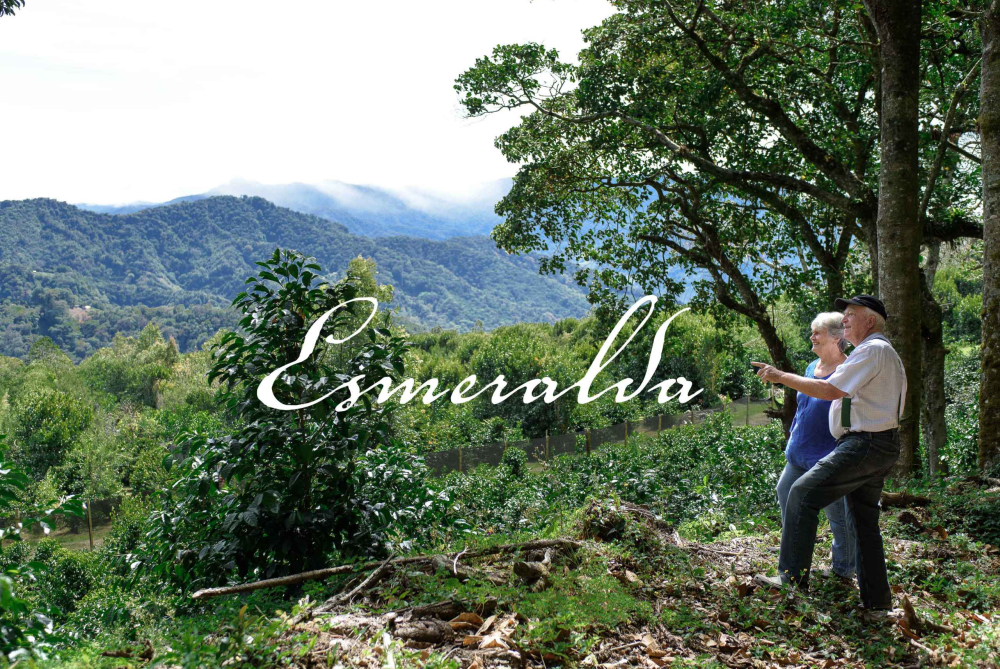
Few paid attention to Geisha until Panama's Hacienda La Esmeralda came along. Determined to improve quality, the estate tasted, compared, and catalogued hundreds of varieties. In 2003, they stumbled on something remarkable: the beans from Geisha trees in their own plantation had the citrus and floral character of African beans — utterly unlike the "nuts, caramel, chocolate" profile of Central American coffee at the time. Two weeks before the 2004 Best of Panama competition, owner Daniel Peterson selected the batches to enter. The once-unknown Geisha won the competition outright, and the variety finally stepped into the spotlight. But such exquisite, elegant flavors come only from very specific growing conditions.
What Geisha Needs to Thrive
Geisha is particular: it wants high-altitude land with cloud and mist shade or extensive shade trees, and fertile soil. At high altitude, Geisha develops distinct floral aromas and refined, elegant fruit acidity — elegance that explains its global appeal. To today's specialty coffee enthusiasts worldwide, Geisha remains the supreme treasure.
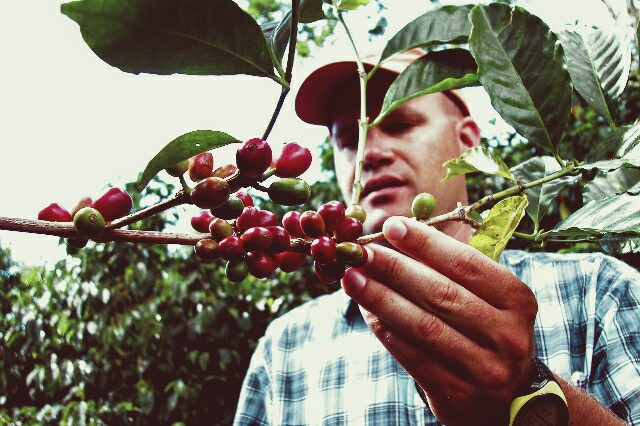
Customers often ask FrontStreet Coffee why higher altitude means better quality. Geisha is the answer. It demands high altitude, and the higher it grows, the better it tastes. FrontStreet Coffee stocks several grades of Panama Geisha, with the Red Label the highest grade — and from the highest altitude. We'll walk through Hacienda La Esmeralda's grading system below.
Hacienda La Esmeralda's Territorial Division
Hacienda La Esmeralda sits in Panama's Boquete region, an important coffee area that's also home to famous estates like Elida and Kotowa.
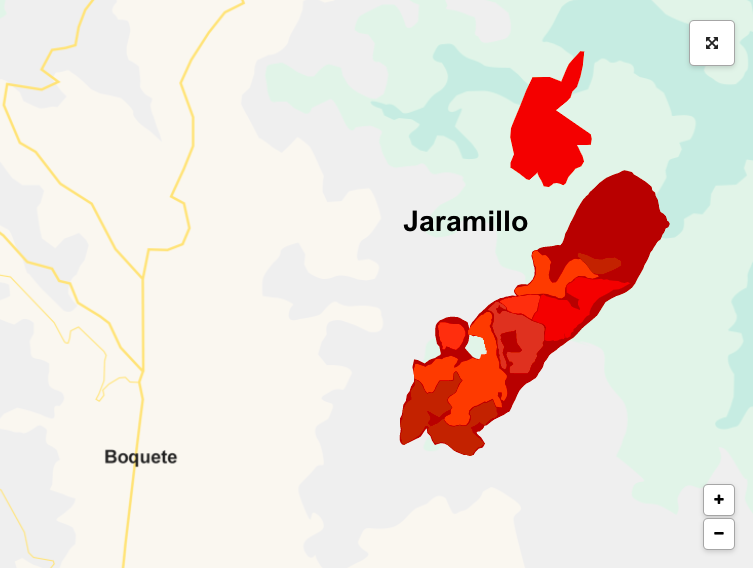
The estate divides its Geisha land with extreme precision, mainly into three plots: Jaramillo, Cañas Verdes, and El Velo — each further subdivided. The finest Geisha comes mainly from Jaramillo and Cañas Verdes.
Jaramillo receives 4000ml of annual rainfall, with average daytime temperatures of 19-25°C and nighttime temperatures of 11-15°C, at an average altitude of 1600-1700m. It's subdivided into five small plots: Mario, Noria, Reina, Bosque, and Buenos Aires.
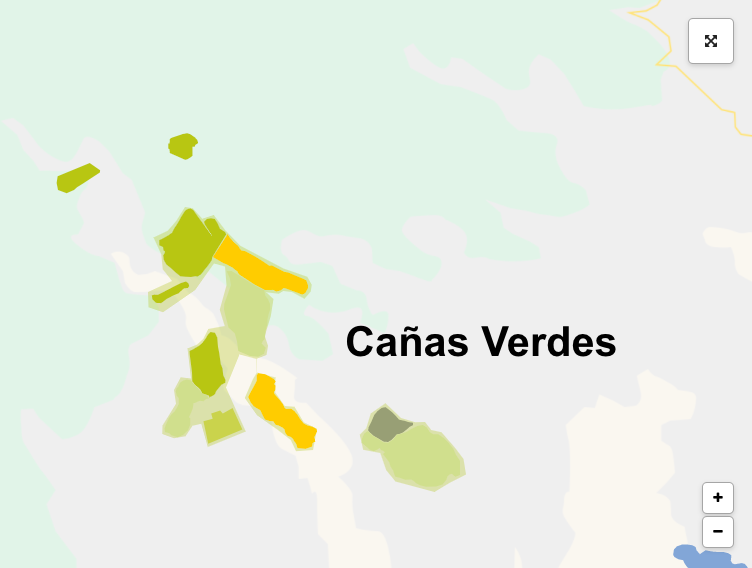
Cañas Verdes gets 3500ml of annual rainfall, with daytime temperatures averaging 16-23°C and nighttime 10-15°C, at an average altitude of 1600-1800m. Cañas Verdes includes plots such as Nido, Tumaco, Cabana, Leon, Montana, Fundador, Lino, Coronado, Chinta, Trapiche, and Colga.
El Velo is the estate's newest acquisition, at an average altitude of 1700-1900m. Alongside Geisha and Catuai, it holds small quantities of other exotic varieties: Laurina, Pacamara, Moka, and SL28. El Velo's plots include Guabo, Aguila, Higo, Buena Vista, Mural, Durazno, Porton, and the Ethiopian Accession Garden.
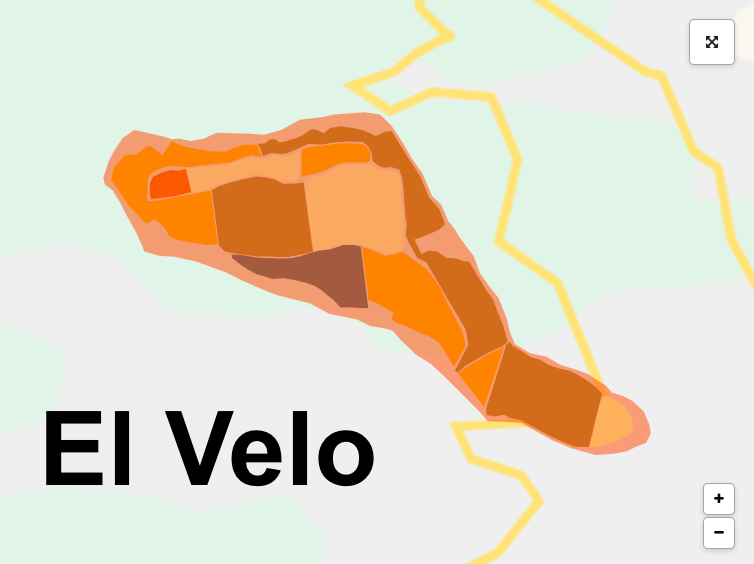
Hacienda La Esmeralda's Geisha Grades
The estate's Geisha is divided into three grades: Special Selection (Red Label), Private Collection (Green Label), and Geisha 1500 (Blue Label).
FrontStreet Coffee · Panama Hacienda La Esmeralda Red Label Geisha
Esmeralda Special Selection is what everyone calls the Red Label. It selects Geisha grown at 1600-1800 meters from the Jaramillo and Cañas Verdes regions, with each batch cupping above 90 points. The estate's independent auctions feature Geisha batches chosen from designated plots — these are the auction Red Labels. There are also non-auction Red Labels on the market: Geisha from the same plots that wasn't submitted for auction. Quality is consistent; only prices differ. This grade comes in natural or washed processing, with special, bright floral and citrus aromas.

La Esmeralda and its Geisha became world-famous in 2004 — and the batch sent to that year's BOP competition came from the Jaramillo farm, a testament to that plot's Geisha. FrontStreet Coffee's shelf still offers a Red Label Geisha from the same farm as the 2004 champion.
The Red Label Geisha we carry is naturally processed. Brewed, it shows bright rose and citrus aromas, brown rice, berries, apricots, complex fruits, and honey, with thick juiciness, rich flavor layers, and noticeable sweetness. If you want the definitive Geisha experience, natural processing makes the flavors more intense and the layers richer and more complex — a qualitative leap in acidity, sweetness, and aroma. As the estate's most iconic coffee, it lets FrontStreet Coffee's Esmeralda Geisha express itself completely.
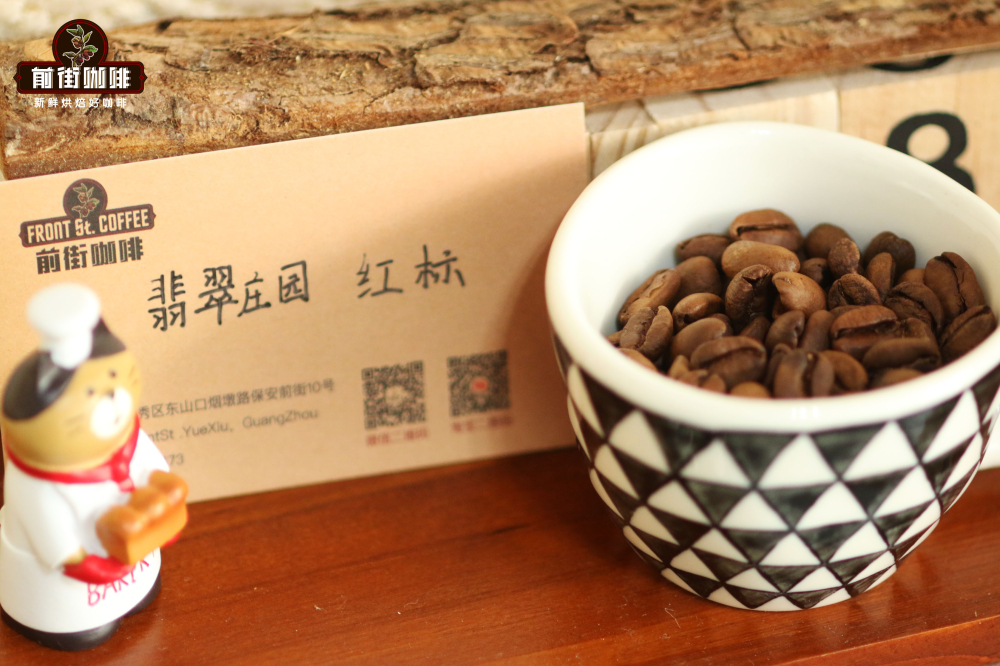
How FrontStreet Coffee Roasts the Red Label Geisha
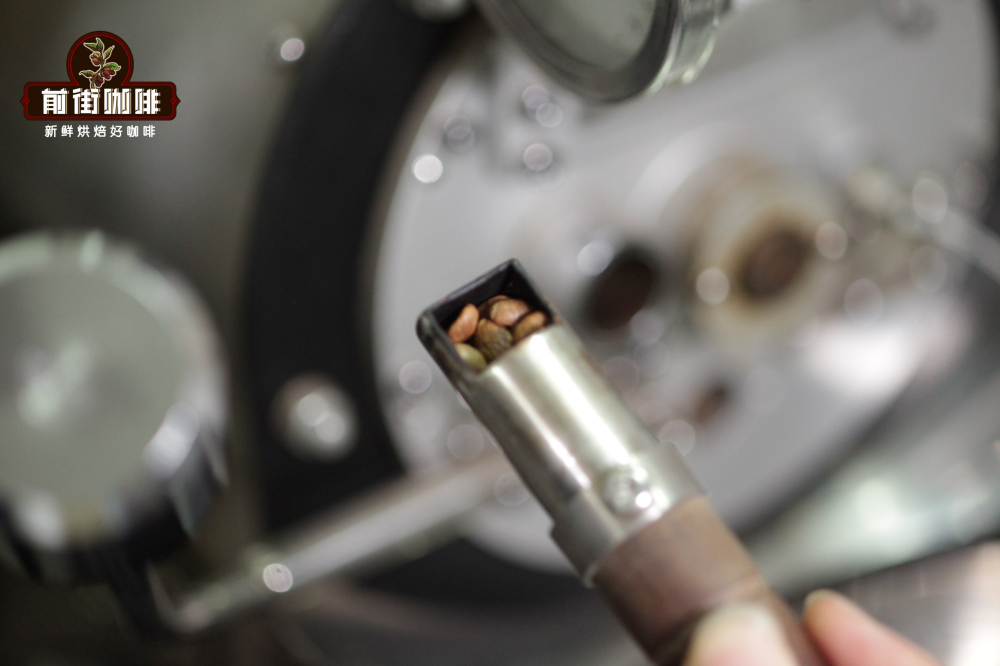
Yangjia 800N, 380g batch: charge at 150°C, heat at 120, damper at 3. Turning point at 1'36"; when drum temperature reaches 140°C, open the damper to 4, heat unchanged. At 147.6°C the bean surface yellows, the grassy aroma disappears, and dehydration begins. When drum temperature reaches 150°C, adjust heat to 100, damper unchanged. At 7'38", the beans show wrinkles and dark spots and the toast aroma shifts into coffee aroma — the prelude to first crack. Listen carefully. At 8'10", first crack begins; open the damper to 4, develop for 1'28" after crack, and drop the beans at 189.5°C.
FrontStreet Coffee · Panama Hacienda La Esmeralda Green Label Geisha
Private Collection — the Green Label — consists of non-competition batches: Geisha that doesn't go to auction but still delivers excellent quality. It selects beans grown at 1600-1800 meters across Jaramillo, Cañas Verdes, and other plots. Because it blends batches without detailed plot specifications, one Green Label may taste very close to a Red Label while the next differs. Though it doesn't quite reach Red Label's level, it keeps Geisha's classic profile: florals, fruit, citrus acidity, and a thick, juicy texture.

Green Label comes washed and natural too. The one FrontStreet Coffee carries is washed: rich jasmine aroma, high sweetness, citrus, berries, juiciness, cream, green tea, orange peel, and cantaloupe, with layered flavors and a persistent floral-citrus aftertaste. The washed Green Label represents the estate's fresh, light style — a cleaner taste that shows the original terroir — and it's also the best-value Geisha from La Esmeralda.
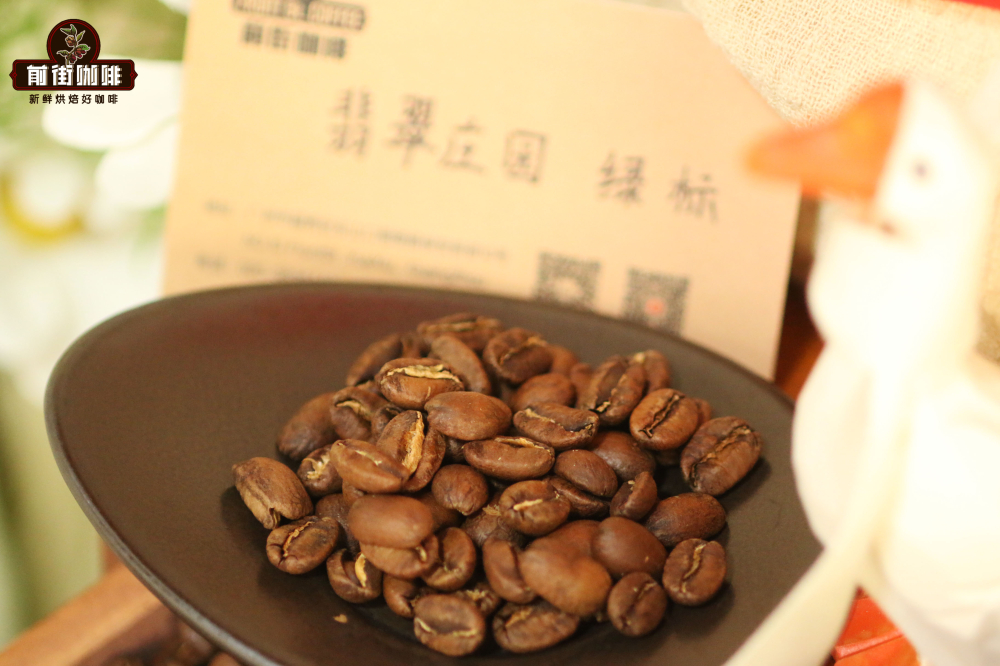
How FrontStreet Coffee Roasts the Green Label Geisha
Yangjia 800N, 500g batch: charge at 190°C, heat at 150, damper at 3. Turning point at 1'36"; when drum temperature reaches 140°C, open the damper to 4 and reduce heat to 130. At 150.8°C the bean surface yellows and dehydration begins. When drum temperature reaches 166°C, adjust heat to 110, damper unchanged. At 7'55", at 176°C, reduce heat to 90. The beans develop wrinkles and dark spots as toast aroma becomes coffee aroma — first crack's prelude. At 8'30", first crack begins; open the damper to 5, and at 187°C reduce heat to 60. Develop for 1'30" after crack and discharge at 193.5°C.
FrontStreet Coffee · Panama Hacienda La Esmeralda Blue Label Geisha
Geisha 1500 is the Blue Label. It blends beans grown at 1400-1500 meters from three plots: Jaramillo, Cañas Verdes, and El Velo. The flavor leans on light florals, fruit acidity, and sweetness, with a lighter body. In previous years Blue Label was washed only, but the current harvest added a natural option.
The washed Blue Label we carry brews with light florals, gentle lemon and grapefruit acidity up front, honey sweetness in the middle, and an oolong-tea character with brown sugar sweetness in the finish — clean and bright overall. The natural Blue Label offers fermented aromas and fruit sweetness, tasting of melon and tropical fruits with a juice-like texture and very high sweetness.
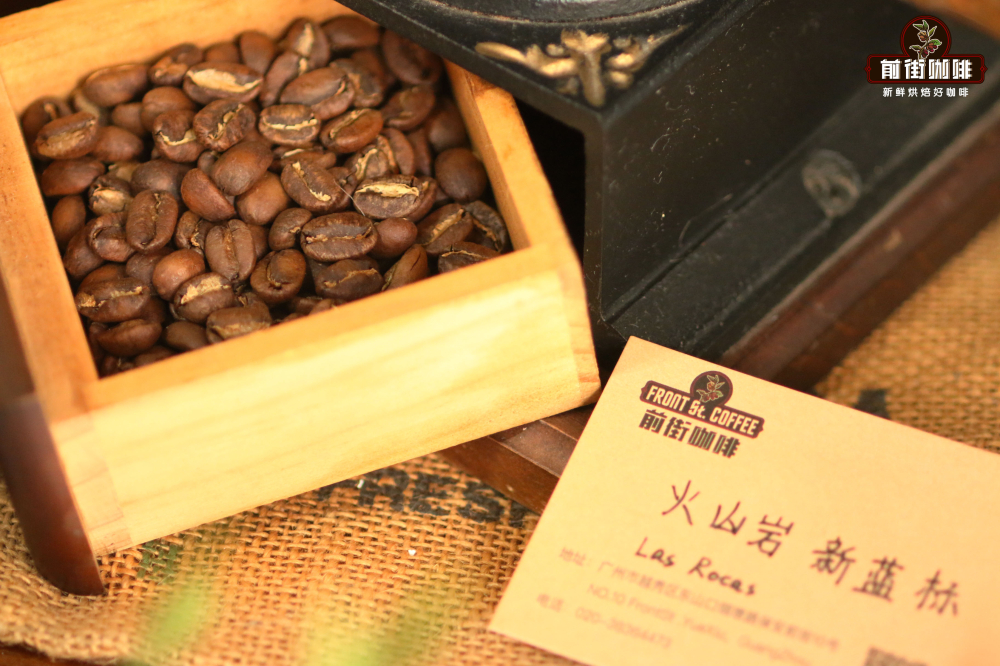
In 2021, word spread that La Esmeralda would discontinue the Blue Label. That same year, a Geisha from the same region appeared under the name "Volcanic Rock." After verification, FrontStreet Coffee confirmed the Volcanic Rock Geisha was processed by Hacienda La Esmeralda and closely matched previous Blue Label lots. (That brand, too, has since been discontinued.)
How FrontStreet Coffee Roasts the Washed Blue Label Geisha
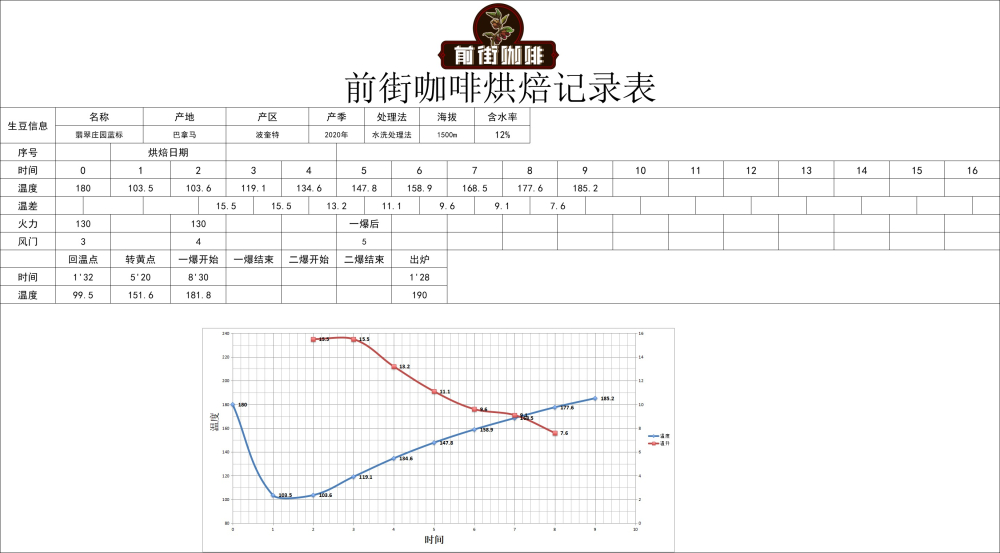
Yangjia 800N, 480g batch: charge at 180°C, heat at 130, damper at 3. Turning point at 1'32"; when drum temperature reaches 130°C, open the damper to 4, heat unchanged. At 151.6°C the bean surface yellows and dehydration begins. At 7'56", wrinkles and dark spots appear as toast aroma turns to coffee aroma — the prelude to first crack. Listen carefully. At 8'30", first crack begins; open the damper to 5, develop for 1'28" after crack, and discharge at 190°C.
FrontStreet Coffee · Panama Las Rocas Volcanic Rock Geisha
Las Rocas Volcanic Rock Geisha is a new brand from the 2021 harvest. In truth, it comes from the renowned Hacienda La Esmeralda, grown at around 1500 meters and washed processed. Sharp-eyed readers will notice this matches the Blue Label Geisha exactly — and indeed, it is the original Blue Label. In 2021, La Esmeralda released no new-crop Blue Label because those batches were sold domestically to a certain green coffee company, under whose brand this coffee now appears. Unsurprisingly, the flavor is identical to the old washed Blue Label.
Ethiopia Gesha Village Geisha
Panama and Ethiopia are separated by mountains and seas, and Panama's coffee endured many twists before taking root there. Ethiopia is coffee's origin — and, it is said, Geisha's native land. Last century, Geisha seeds were carried out of the depths of local primary forests, made their way to Panama, and only in 2000 became the coffee that stunned the world.
Gesha Village Estate lies in western Ethiopia's Bench Maji region, ringed by dense jungle, with beautiful scenery and a mild climate — from its high points you can overlook ancient, vast forests. Owners Adam and Rachel searched for three years to find the right land, guided by locals to the forest of Geisha's birthplace, a two-day journey from the capital Addis Ababa.
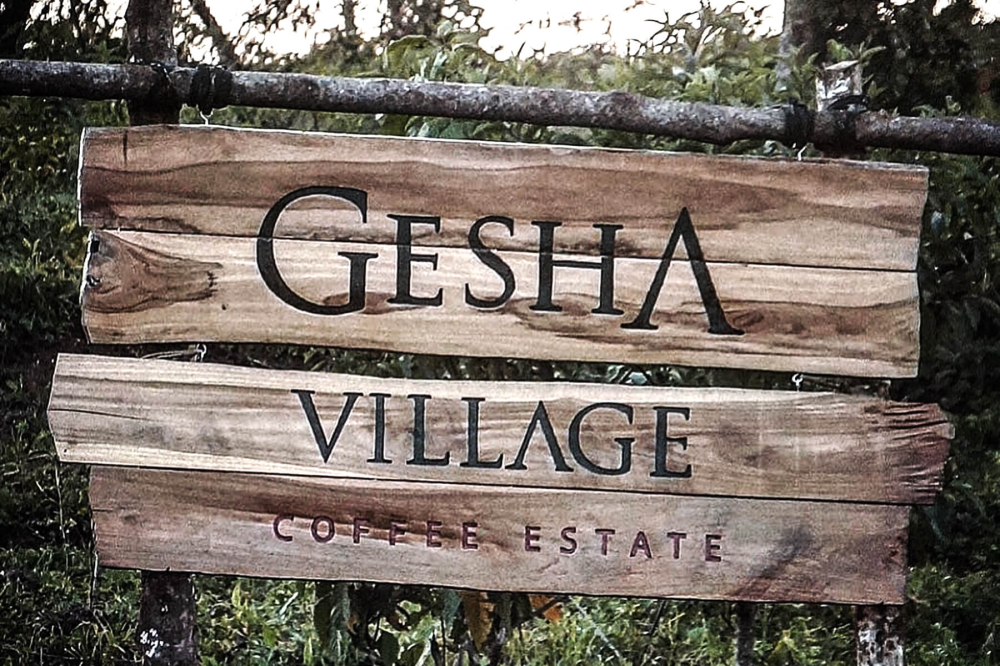
Gesha Village runs a strict internal grading system: Auction, Gold Label, Red Label, Green Label, and Chaka batches.
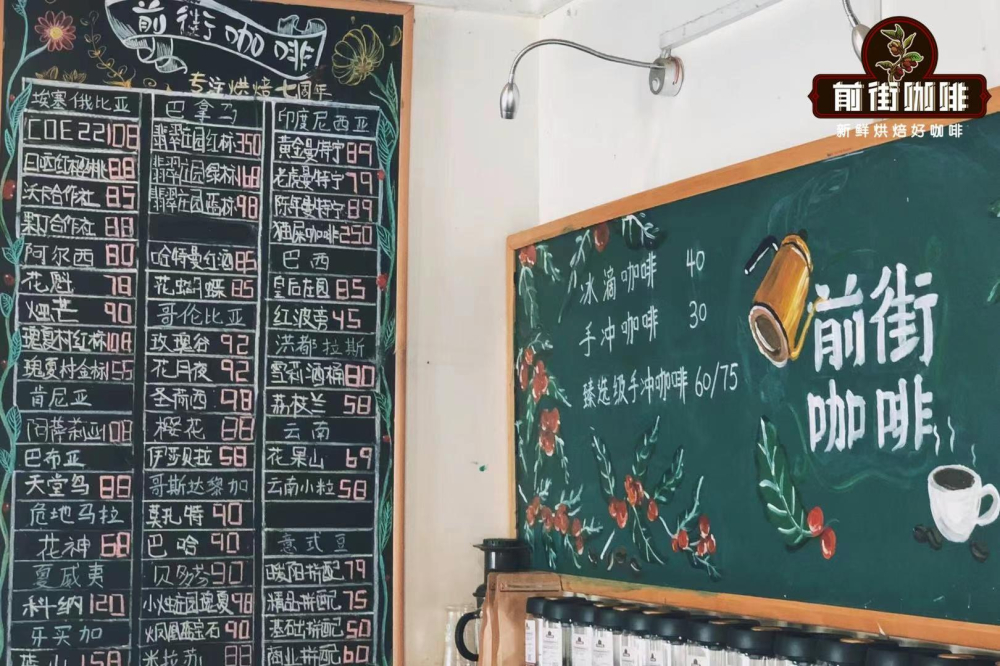
FrontStreet Coffee's list offers four beans from Gesha Village: Gold Label, Red Label, Green Label, and Chaka. One important note: the varieties at Gesha Village aren't identical to the Geisha we usually discuss. For the classic Geisha flavor, Panama-grown Geisha is still the benchmark. Of course, every region and variety has its own character — otherwise FrontStreet Coffee's bean list wouldn't be so long.
How FrontStreet Coffee Brews Geisha
FrontStreet Coffee recommends brewing with freshly roasted beans to capture the fullest flavor. Beans we ship are roasted within 5 days — freshness shapes flavor profoundly, and our roasting philosophy is "Freshly Roasted Good Coffee." Coffee's resting period runs about 4-7 days, so by the time your beans arrive, they're at peak flavor.
- Water Temperature: 91°C
- Grind Size: Fine sugar texture (80% pass rate on the Chinese standard #20 sieve)
- Coffee-to-Water Ratio: 1:15
- Dose: 15 grams
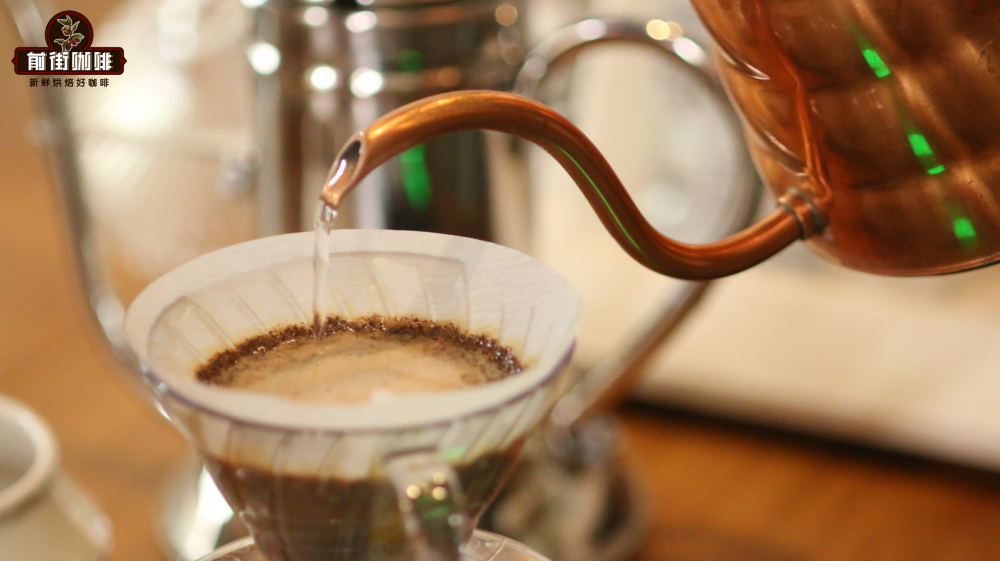
FrontStreet Coffee's Brewing Method:
Start the timer and pour 30g of water for a 30-second bloom, then continue to 95g (scale reads about 125g), finishing in about 1 minute. When the water level drops to 2/3 of the coffee bed, pour the remaining 100g (scale reads about 225g), finishing at about 1 minute 40 seconds. Let drip-through complete between 1'55''-2'10'', then remove the dripper. Extraction complete.
FrontStreet Coffee Recommendation
Geisha wears many labels, and FrontStreet Coffee carries the ones worth your attention. For the pinnacle, our Panama Esmeralda Estate Red Label Geisha — natural processed, from 1600-1800 meters and the same Jaramillo terroir as the 2004 BOP champion — delivers bright rose and citrus aromas, berries, apricot, honey, and thick juiciness with deeply layered sweetness. The Green Label Private Collection, washed and blended across plots, offers jasmine, citrus, cream, and green tea at a far friendlier price — the best value in La Esmeralda's lineup.
For a gentle first taste of "Geisha flavor," FrontStreet Coffee's Panama Boquete Geisha is our go-to entry-level choice: at an accessible price you get classic Panama orange-blossom sweetness, oolong-tea character, delicate fruit acidity, and distinct layers. And to return to Geisha's homeland, our Ethiopia Genlana Estate Gesha — hand-picked ripe cherries sun-dried on raised beds for 14-20 days, roasted medium-light — shows bright citrus acidity, elegant ginger-flower aromatics, and the silky, refined finish that only the Geisha variety can give.
Important Notice :
FrontStreet Coffee is a long-established specialty coffee roaster in Guangzhou China, selling freshly roasted beans from its own farm in Yunnan as well as dozens of carefully selected single-origin beans from around the world for both pour-over and espresso. The products deliver consistently excellent quality and great value, with shipping within 24 hours. Guangzhou's FrontStreet Coffee shop is recommended by many coffee lovers, and the beans are now available online at the Tmall 。
FrontStreet Coffee has moved to a new address:
FrontStreet Coffee Address: 315,Donghua East Road,GuangZhou
Tel:020 38364473
 Scan and follow the En Gafei WeChat official account. Please indicate that the reprint comes from "En Gafei".