Brazilian Coffee Origin Culture and Planting History: The Story of Coffee Varieties' Origins and Introduction to Brazilian Coffee Bean Characteristics and Brewing Flavor

As the world's largest coffee exporting country, Brazil fills its streets with the aroma of coffee. It is known across the market for its rich nutty and chocolate flavor profile and its smooth texture. Let FrontStreet Coffee walk you through Brazilian coffee, starting from its history of cultivation.
The Cultivation History of Brazilian Coffee
Brazilian coffee was introduced from French Guiana, in northern South America, in 1720. At the time, Brazil was a Portuguese colony while many other South American countries were Spanish colonies. That is why most of South America speaks Spanish, while Brazil speaks Portuguese.
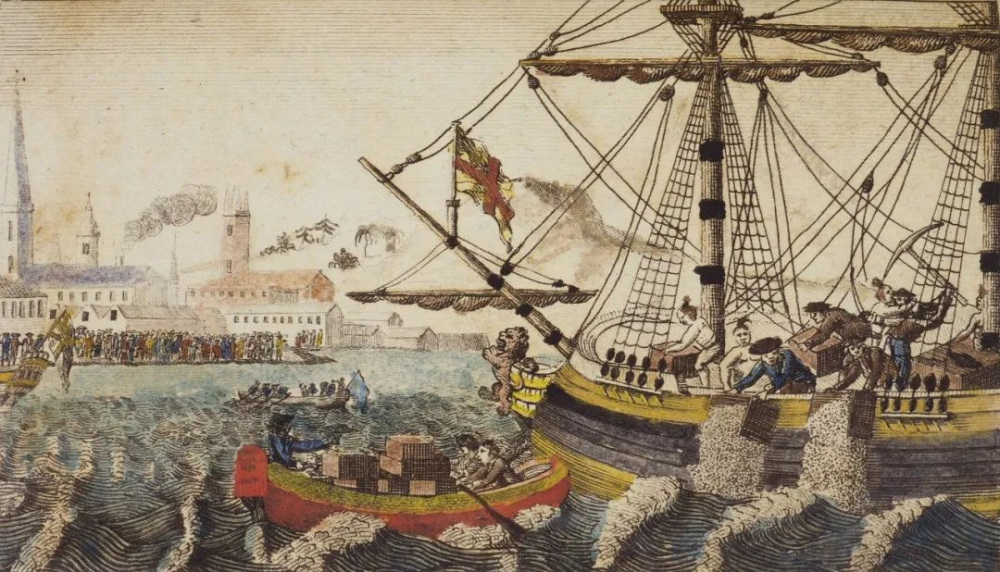
A Portuguese military officer stationed in Brazil wanted to bring Guiana's coffee beans home, at a time when exporting coffee to other countries was strictly prohibited. He won the heart of the Guiana governor's wife and successfully carried coffee seeds into Brazil. From there, coffee adapted quickly, spreading from the north to the southeastern state of Sao Paulo. By 1845, Brazilian beans already accounted for 45% of world coffee production. Today, Brazil remains the world's number one coffee exporter.
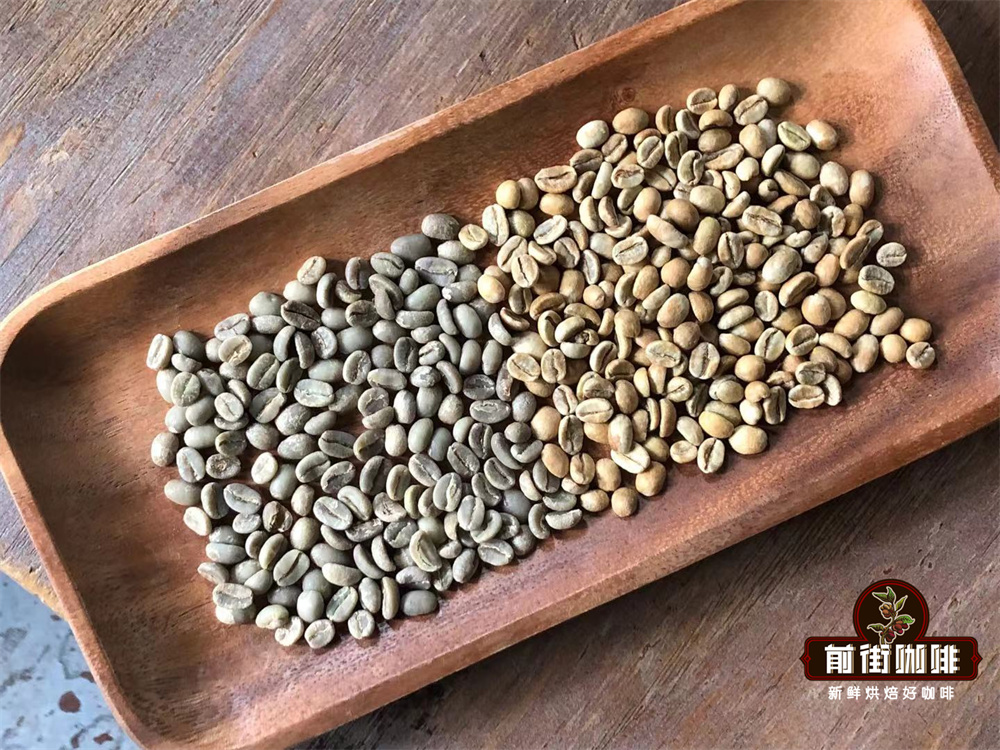
The early varieties introduced to Brazil were Typica, but because Typica's yield was low, farmers could not earn a matching return. So in the 1860s the higher-yielding Bourbon variety was brought in from Reunion Island. Brazil's main varieties today are Red Bourbon, Yellow Bourbon, Mundo Novo, and Catuai. Red Bourbon can be densely planted thanks to its tree shape, and its yield runs about 30% higher than Typica. The beans are relatively round and short, with rich berry acidity, noticeable cream and fragrance, and pure acidity.

Brazilian Specialty Coffee Growing Regions
Unlike other coffee-producing countries in Central and South America, Brazil has vast territory and prioritizes yield. Altitudes are generally low, and coffee trees can be grown on large, flat areas below 1,000 meters. When the cherries ripen, workers harvest on a large scale with machines, saving considerable labor. The harvested cherries then go to large green-bean processing plants, with every step run on a commercial model.
Brazilian growers differ from many meticulous estate owners. Years ago, to help the trees adapt to the local terroir, Brazilians developed varieties that can grow in full sun without shade. The trees are also planted at lower altitudes, without enough time to absorb more nutrients and build unique aromas. As a result, Brazilian coffee tends to be balanced, low in acidity, and smooth, which makes it easy for first-time drinkers to enjoy.
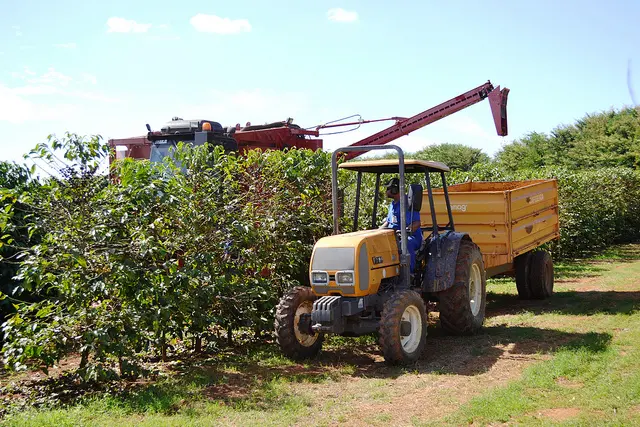
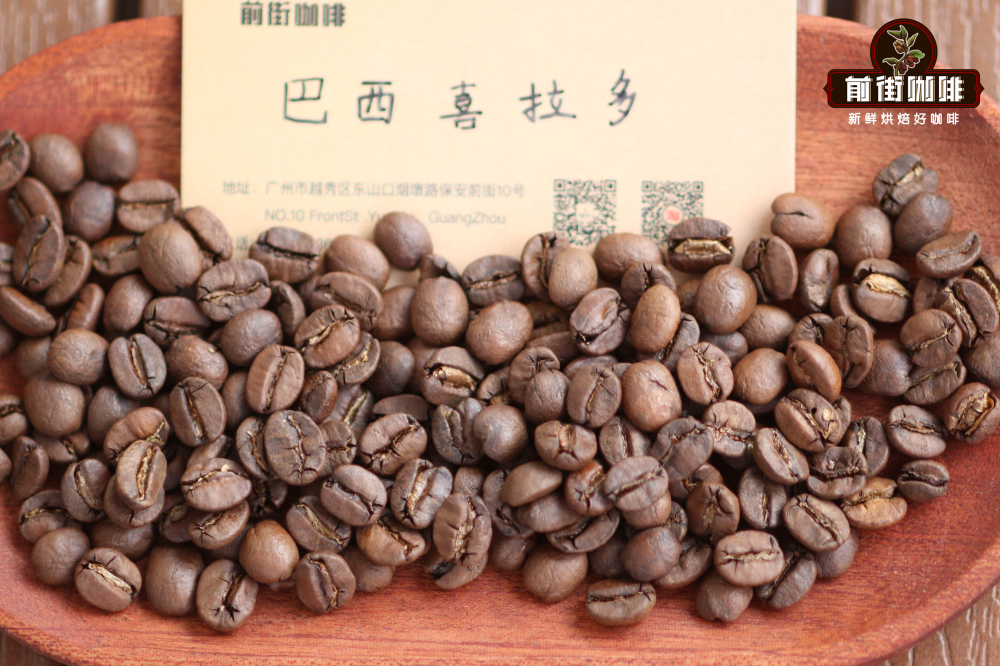
As a mass producer, Brazil naturally has more regions and larger areas than other countries. It currently has 17 states producing coffee, mainly in the southeast. Concentrated rainy-season rainfall and a mild climate suit the trees well. FrontStreet Coffee believes the coffee from the southeastern states of Minas Gerais and Sao Paulo is the best in quality. Among these, the Cerrado region in Minas was Brazil's first coffee region to receive origin certification, and its coffee is almost entirely Arabica with superior flavor. As a mature region, Cerrado was the first part of Brazil to commercialize coffee, and many exporters have invested in large-scale plantations there. FrontStreet Coffee's Brazil Daily Bean is selected from the famous Cerrado region.
FrontStreet Coffee launched its daily beans to help beginners understand what different origins, processing methods, and varieties express by tasting classic regional flavors, deepening their coffee knowledge along the way. As a pivotal coffee powerhouse, Brazil naturally became part of the daily-bean lineup.
Natural and Pulped Natural Processing Methods
Traditionally, Brazil's local harvest season coincides with the dry season, which is very suitable for drying green beans by natural processing. Traditional natural processing spreads everything flat on the ground, which easily lets the beans pick up earthy and woody off-flavors and leads to inconsistent quality.
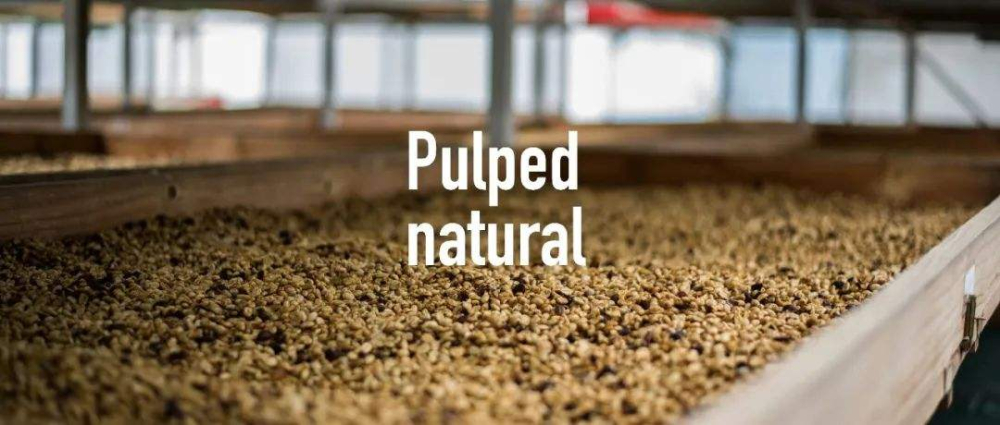
After 1990, Brazil promoted the pulped natural method, also called semi-washed: flotation removes defects and floaters, machines peel off the skin, pulp, and part of the mucilage, then the beans are washed and finally dried in the sun or in drying rooms. Compared with the washed method, pulped natural saves water and labor, significantly improves Brazilian coffee quality, and delivers cleaner flavor profiles. Some more demanding estates adopt sophisticated natural processing, such as FrontStreet Coffee's Brazil Queen Estate green beans, which are naturally processed.
Flavor Characteristics of Brazilian Coffee
To taste the flavors described above, FrontStreet Coffee recommends choosing freshly roasted beans. Coffee enters its optimal flavor period 4 to 7 days after roasting; after that window, and certainly by about a month and a half past roast, the aroma may have faded and woody flavors may develop. To avoid that, FrontStreet Coffee only ships beans roasted within 5 days, so everyone can enjoy coffee at its best.
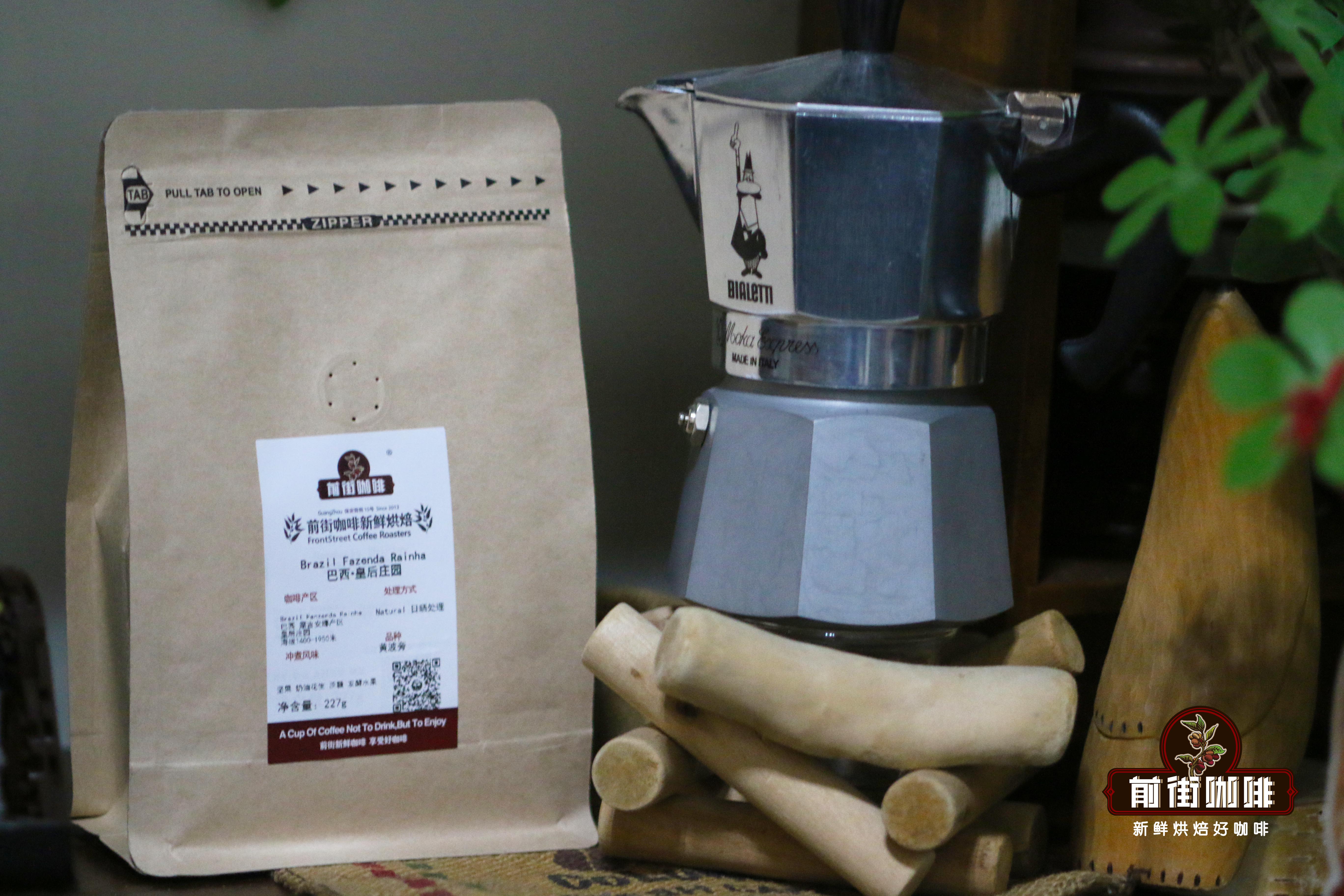
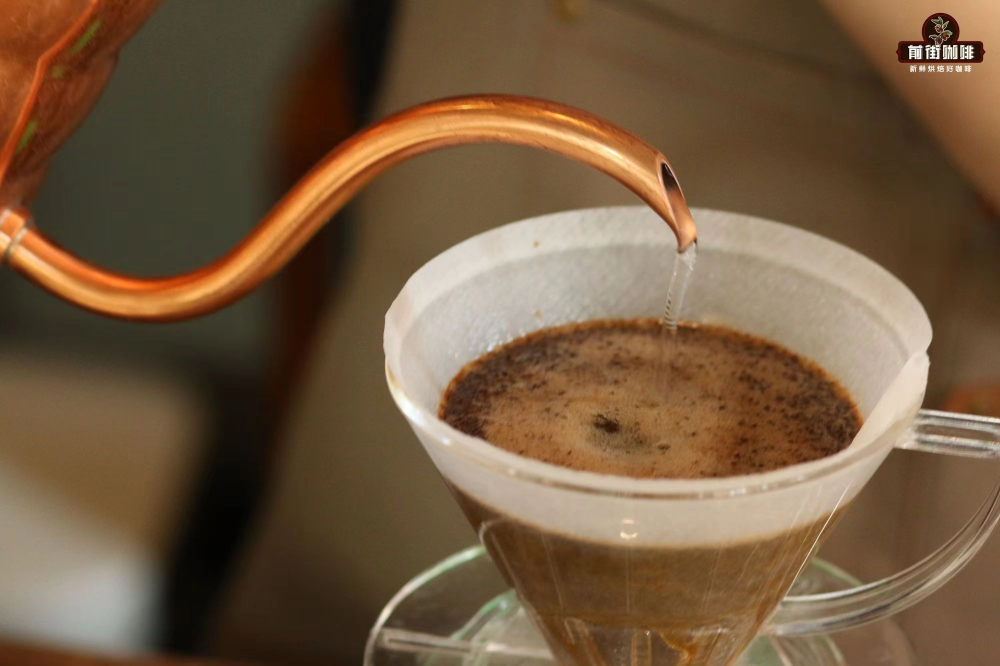
Both Brazilian beans on FrontStreet Coffee's list are dominated by mellow, bitter notes. FrontStreet Coffee uses medium-dark roasting to promote more caramelization. Because a medium-dark roast receives heat for longer than a light roast, the bean's internal structure becomes fluffier and absorbs water better. To avoid over-extraction, FrontStreet Coffee chooses a grind with a 75% pass-through rate on a standard #20 sieve and 88 degrees Celsius water, paired with its usual three-stage pouring method. A Kono dripper is used to make the extracted coffee taste rounder.
Pour-over parameters: 88 degrees Celsius water, granulated-sugar grind size (75% pass-through rate on a #20 standard sieve), 15 g of beans, a 1:15 coffee-to-water ratio, three-stage extraction.
In the first stage, gently pour 30 g of water to bloom, with a bloom time of 30 seconds. In the second stage, pour to about 125 g, evenly and steadily in outward circles. Then wait for the coffee to drop; when it falls to half, pour the final stage to 225 g. Wait for all the coffee to finish dripping. Total extraction time is generally around 2 minutes.
Brewing flavor: FrontStreet Coffee's Brazil Cerrado Daily Bean carries aromas of nuts, chocolate, and caramel, with noticeable aftertaste sweetness and an overall rounded feel. The chocolate note is stable and persistent.
FrontStreet Coffee Recommendation
If this history has you curious about the cup itself, FrontStreet Coffee's Brazilian lineup is the natural place to start. The Brazil Cerrado Pulped Natural is a classic single origin: a Red Bourbon from the well-known Cerrado region, medium roasted and showing creamy peanut, toasted bread, caramel, and hazelnut with a round body, no real acidity, and only a faint bitterness. It is versatile enough for pour-over, moka pot, espresso SOE, siphon, and French press. For a fruitier expression, the Brazil Queen Estate comes from Mogiana, where fertile red volcanic soil feeds the rare Yellow Bourbon variety; brewed as pour-over, moka pot, or on a home espresso machine, it shows a sugarcane-like clarity that other regions rarely deliver, along with fruit and chocolate.
Brazil is also the backbone of FrontStreet Coffee's espresso blends, because its low-acid, balanced profile and accessible price make it the first choice for so many recipes. The rich-crema Classic Blend, the nut-forward Boutique Blend, the Black Cacao blend, and FrontStreet Coffee's Commercial Blend built for cafes all include Brazilian beans, which contribute chocolate and cream aromas and a soft sweet-sour-bitter balance that keeps extraction stable.
Important Notice :
FrontStreet Coffee is a long-established specialty coffee roaster in Guangzhou China, selling freshly roasted beans from its own farm in Yunnan as well as dozens of carefully selected single-origin beans from around the world for both pour-over and espresso. The products deliver consistently excellent quality and great value, with shipping within 24 hours. Guangzhou's FrontStreet Coffee shop is recommended by many coffee lovers, and the beans are now available online at the Tmall 。
FrontStreet Coffee has moved to a new address:
FrontStreet Coffee Address: 315,Donghua East Road,GuangZhou
Tel:020 38364473
 Scan and follow the En Gafei WeChat official account. Please indicate that the reprint comes from "En Gafei".