Introduction to Brazilian Coffee Varieties, Cultivars, and Culture - Flavor Profile and Taste Description of Brazilian Red and Yellow Bourbon Coffee Beans

Bourbon is a natural mutation that arose from the Typica variety. Both belong to the Arabica species and both are historically important coffee varieties; many of the varieties grown today evolved naturally from them or were bred from them by farmers.
The Bourbon variety took hold on Bourbon Island as early as the 18th century, gathering strength there, and finally reached the American continent, Brazil, in the 1860s, spreading quickly to countries across Central and South America. To this day, Bourbon and its descendants remain the preferred choice for coffee cultivation in Central and South America.

In Brazil, 70-80% or more of Arabica coffee is Bourbon or a member of the Bourbon family, most commonly Red Bourbon and Yellow Bourbon, along with Catuai and Catimor.
Red Bourbon Coffee Variety
Red Bourbon is perhaps the most common type. Normally, coffee cherries ripen gradually from unripe green to pale yellow to orange, reach their ideal picking window when they turn red, and finally pass into an overripe dark purple.
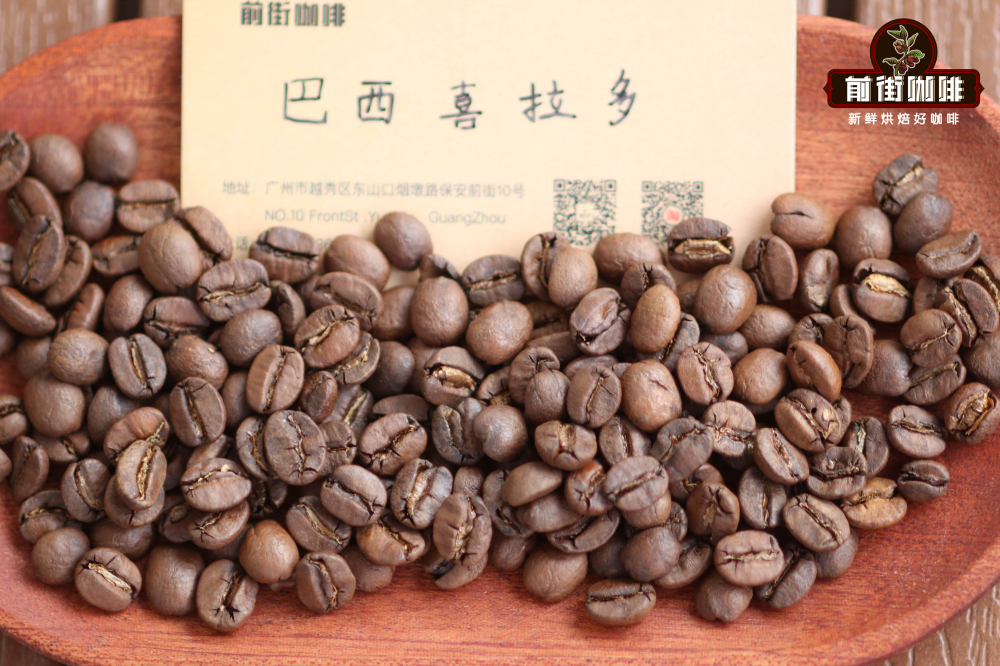
Through cupping comparisons, FrontStreet Coffee has found that its Brazilian Red Bourbon has a smooth mouthfeel and a clear sweetness. The higher the growing elevation, the more refined the flavor becomes.
Yellow Bourbon Coffee Variety
Yellow Bourbon is a distinctive Bourbon variant from the Brazilian state of São Paulo. Its cherries do not turn red when ripe but instead show an orange-yellow color, which is how it earned the name "Yellow Bourbon."
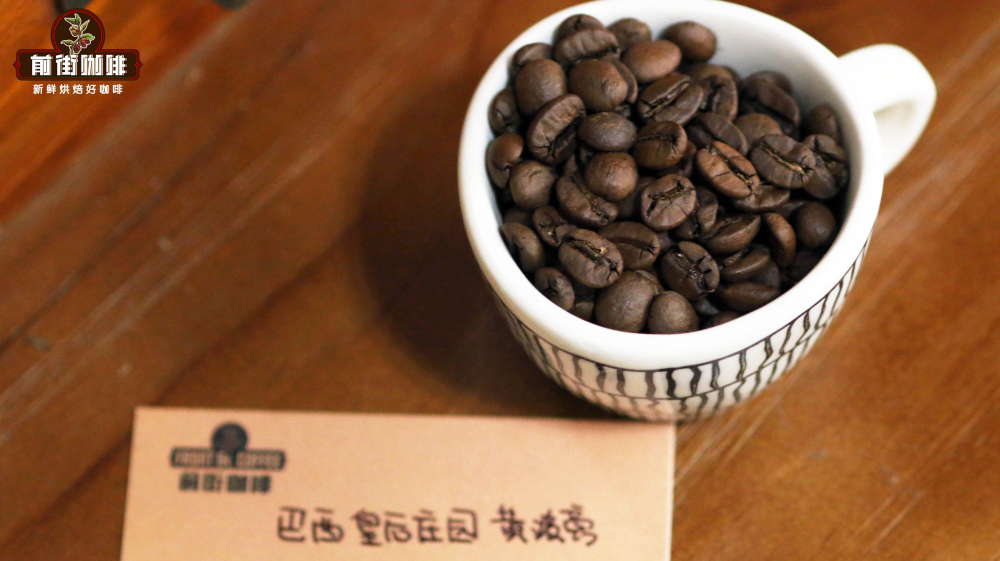
Through cupping comparisons, FrontStreet Coffee has found that its Brazilian Queen Estate Yellow Bourbon has balanced, smooth acidity and a faint, clean bitterness, giving it a bright, refreshing overall profile. The higher the growing elevation, the clearer the flavor expression.
Catuai Coffee Variety
Catuai is a natural mutation of Bourbon. Catuai plants carry fruit on very short branch intervals, and their cherries are smaller than Bourbon's, which allows them to bear more fruit in the same space and greatly increases yield.
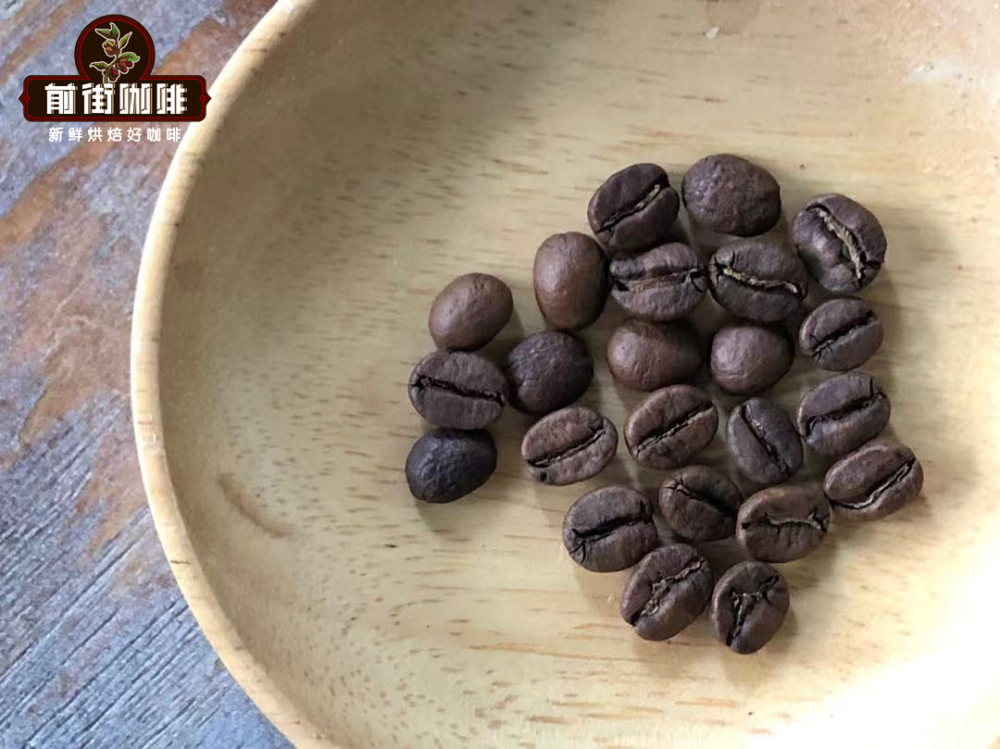
According to FrontStreet Coffee's cupping comparisons, Catuai beans have a bright, clean mouthfeel with a distinct sweetness.
Catimor Coffee Variety
Catimor is a cultivated hybrid of Catuai and Mundo Novo. From Mundo Novo it inherits high yield, strong disease resistance, and excellent cup quality; from Catuai it inherits a compact plant size, good acidity, and suitability for sun-dried processing.
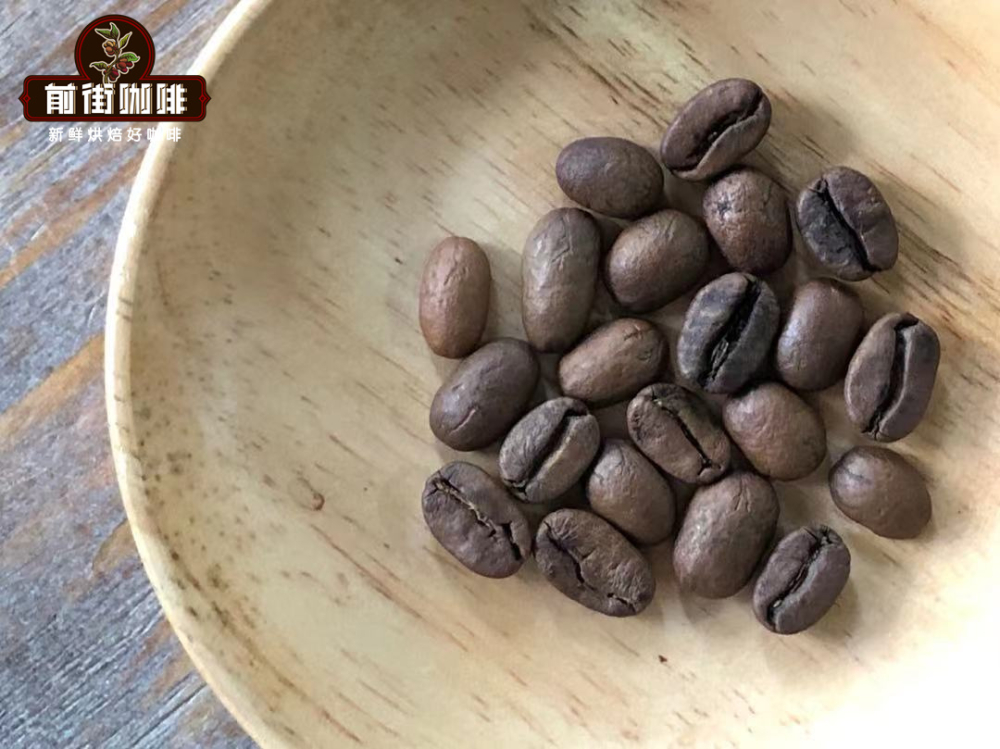
According to FrontStreet Coffee's cupping comparisons, Catimor beans have soft acidity, a clean mouthfeel, and rich fruity aromatics.
Recommended Brazilian Premium Coffee Beans
FrontStreet Coffee currently offers two premium Brazilian coffees: a Brazilian Pulped Natural Red Bourbon from the Cerrado region, and a Brazilian Queen Estate Pulped Natural Yellow Bourbon from Mogiana. Both express Brazilian regional character strongly.
In the regional selections of FrontStreet Coffee's daily bean series, the Brazilian representative is the Brazilian Red Bourbon from Cerrado. Once brewed, coffees from this area are highly typical of Brazil: nuts, caramel, low acidity, and a rich body, all at excellent value.
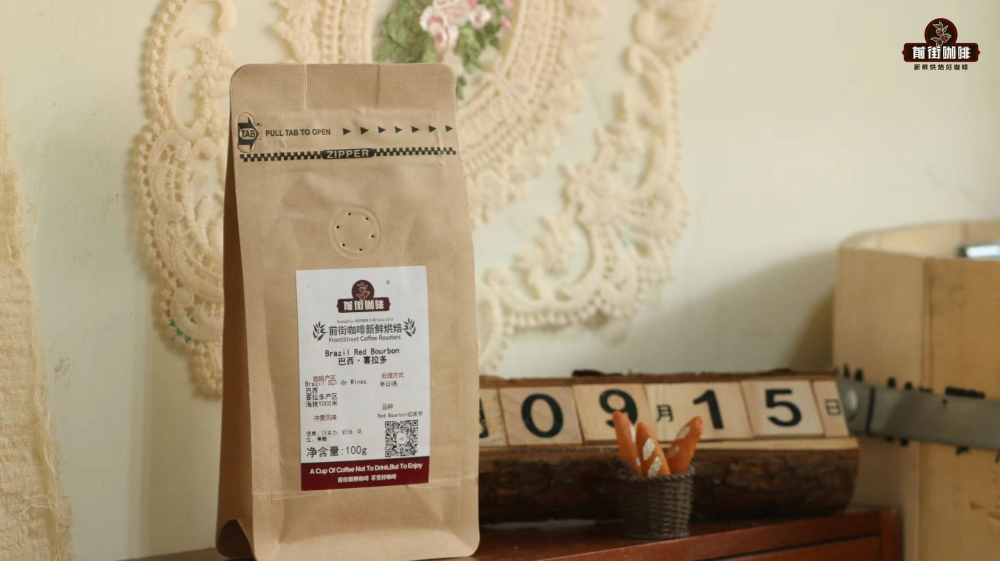
Compared with the Cerrado Red Bourbon, FrontStreet Coffee's Brazilian Queen Estate Yellow Bourbon has a more distinctive, clean sweetness. It carries the same Brazilian hallmarks of nuts, caramel, low acidity, and a rich body, and adds a brown-sugar sweetness in the aftertaste. Anyone who enjoys a strong body and clearly defined sweetness should try FrontStreet Coffee's Brazilian Queen Estate beans.
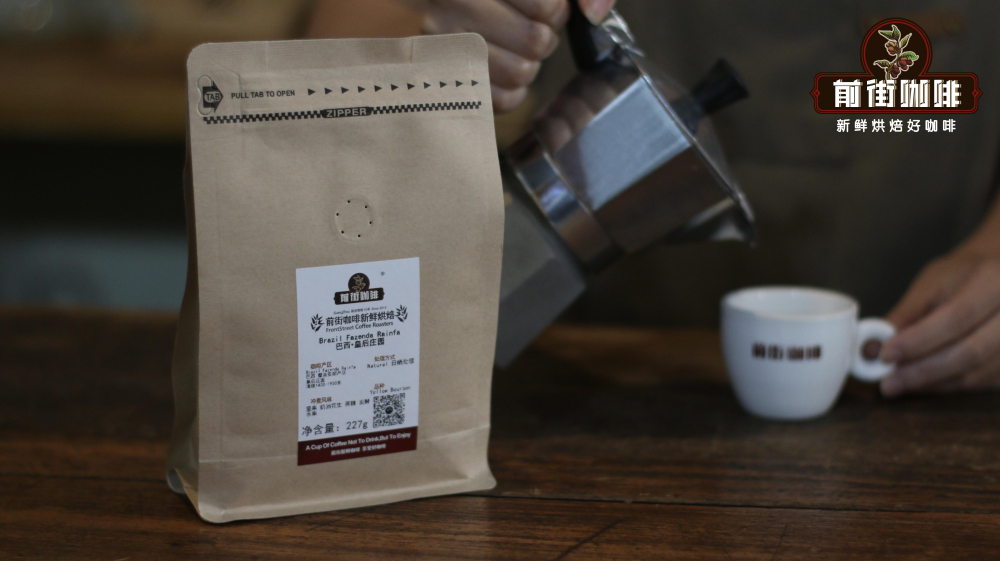
A Quick Guide to Making Brazilian Coffee Taste Better
To let Brazilian coffee express its signature nutty, full-bodied regional flavors, FrontStreet Coffee roasts both of its Brazilian coffees to a medium-dark level and ships them within five days of roasting to guarantee 100% freshly roasted beans, which is also the key to a great cup.
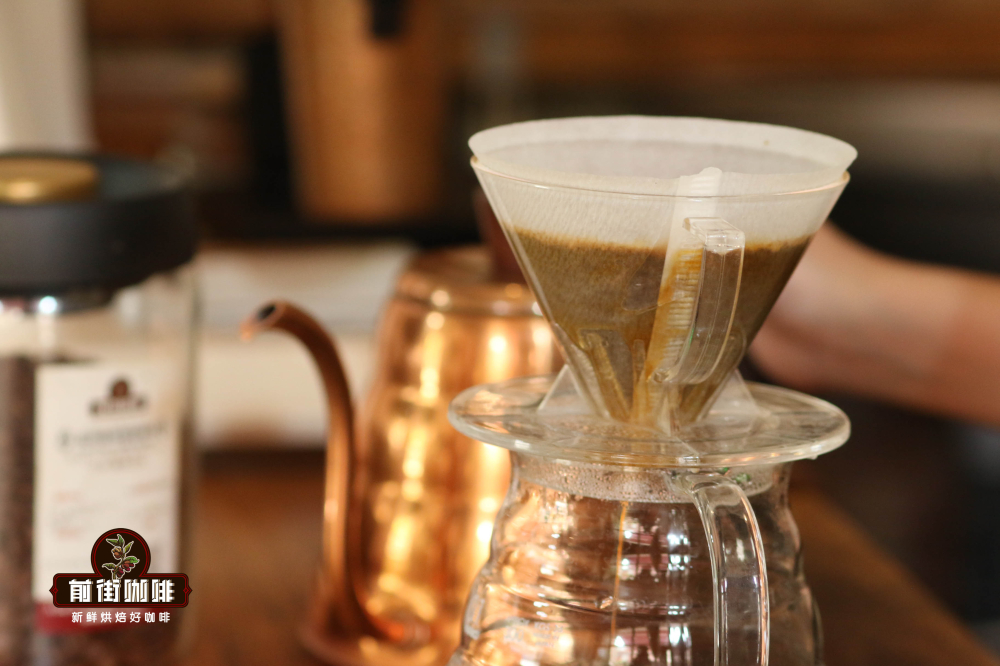
Medium-dark roasted beans have a loose structure, which makes the compounds inside easier to extract. FrontStreet Coffee therefore recommends pour-over extraction with water a little lower in temperature and a medium-coarse grind.
FrontStreet Coffee's brewing parameters: Kono dripper (its design relies on the tight fit between the filter paper and the cone to create an immersion-style extraction during pour-over, resulting in a higher coffee concentration), 88°C water, a 1:15 coffee-to-water ratio, a 15g dose, and a grind size of sugar-granule consistency (70% pass-through on a #20 standard sieve).

The extraction technique: first pour 30g of water to bloom, blooming for 30 seconds. For the second pour, go to roughly 125g and wait for the liquid to drop. When the bed has dropped by half, add the final water to reach 225g. End the extraction once all the coffee has finished dripping through. Total extraction time is generally around 2 minutes and 10 seconds.
FrontStreet Coffee Recommendation
Brazil's strength lies in its Bourbon family, and FrontStreet's Brazilian Cerrado Red Bourbon is a classic single-origin expression of it. When roasted to a medium level it pours out rich aromas of creamy peanut, toasted bread, caramel, and hazelnut, with a round body, low acidity, and a faint bitterness, and it is versatile enough for pour-over as well as a moka pot, an espresso SOE, a siphon, or a French press.
FrontStreet's Brazil Queen Estate Yellow Bourbon from Mogiana, near South Minas, grows in fertile red volcanic soil that lets the cherries take up abundant nutrients and develop a full aroma. This rare Yellow Bourbon, a genetic mutation of Red Bourbon, has a cleaner fruit character, and through pour-over, a moka pot, or a home espresso machine it reveals a sugarcane sweetness found in few other origins, alongside fruit and chocolate notes.
Because its low-acid, balanced profile and approachable price make it a natural base, Brazilian coffee also anchors many of FrontStreet's espresso blends. The classic blend, with its rich crema, the nutty premium blend, and the balanced black cocoa blend all contain Brazilian beans, which supply chocolate and cream aromas along with a soft sweet-tart-bitter edge that helps keep extraction stable and consistent.
Important Notice :
FrontStreet Coffee is a long-established specialty coffee roaster in Guangzhou China, selling freshly roasted beans from its own farm in Yunnan as well as dozens of carefully selected single-origin beans from around the world for both pour-over and espresso. The products deliver consistently excellent quality and great value, with shipping within 24 hours. Guangzhou's FrontStreet Coffee shop is recommended by many coffee lovers, and the beans are now available online at the Tmall 。
FrontStreet Coffee has moved to a new address:
FrontStreet Coffee Address: 315,Donghua East Road,GuangZhou
Tel:020 38364473
 Scan and follow the En Gafei WeChat official account. Please indicate that the reprint comes from "En Gafei".