Flavor Profile and Characteristics of Yunnan Typica Coffee Beans - Are Yunnan Small Beans Typica or Catimor?
Typica coffee beans originated in southeastern Ethiopia and Sudan and are one of the oldest coffee varieties among all Arabica species. The top leaves are bronze-colored, giving it the name "red-top coffee," and it is also known as old-variety small-bean coffee. FrontStreet Coffee currently offers two Yunnan coffees, and the one labeled "FrontStreet Yunnan Small Bean" is actually the Catimor variety, because 99% of Yunnan today grows Catimor. FrontStreet Yunnan Huaguoshan, however, is Yunnan's old coffee variety, Typica. FrontStreet Coffee's plantation in Yunnan grows Typica coffee beans and a small amount of Bourbon.
Typica: Ethiopia's Ancient Native Variety
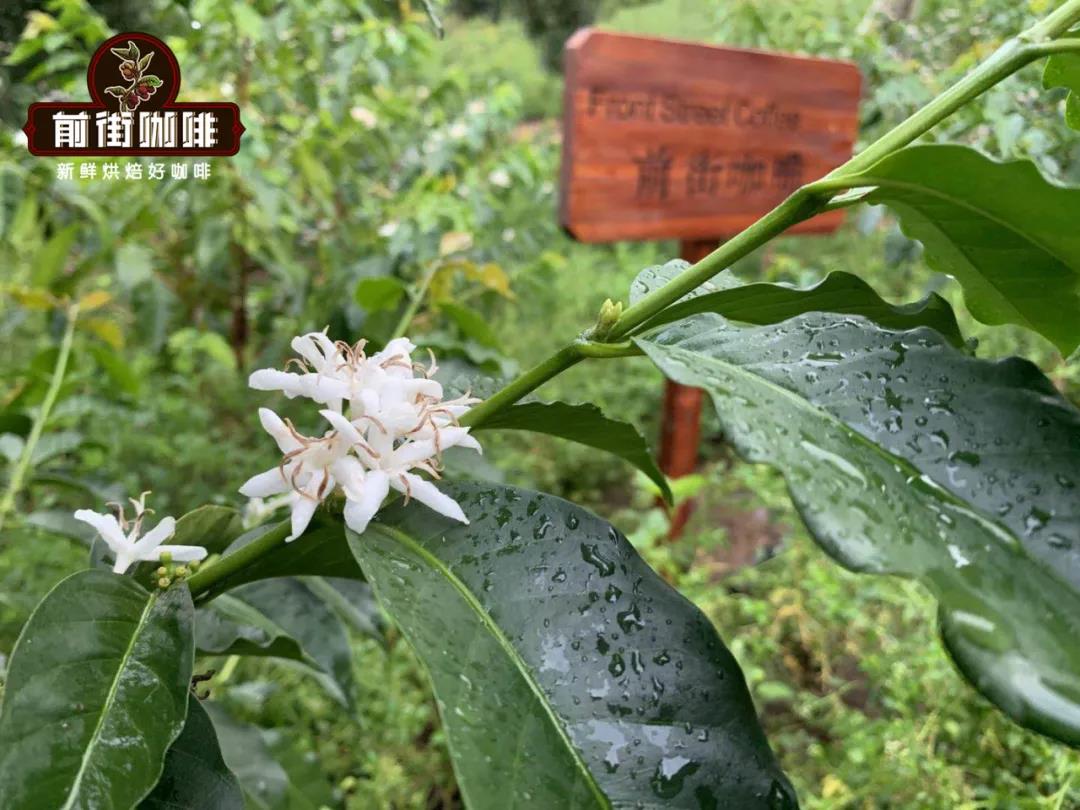
Typica is Ethiopia's oldest native variety, and all Arabica varieties derive from Typica coffee beans. The top leaves of Typica are bronze-colored, and the beans are oval or slender-pointed. The flavor is elegant, but the plant has a weak constitution, poor disease resistance and low fruit yield.
Ethiopia is the birthplace of Arabica coffee, so Typica naturally comes from this place. Around the 7th century AD, Yemen began growing coffee. These coffee trees were all copper-topped, producing oval-shaped beans that are flat on one side. This is the Typica variety, named later by the people who categorized coffees of these characteristics.
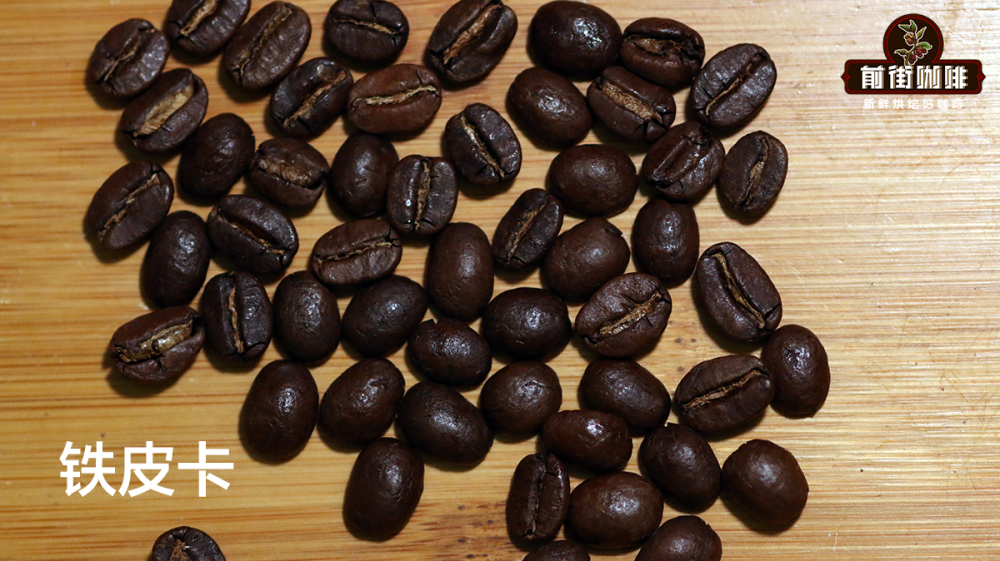
Typica's tree characteristics are distinct and may be the most easily recognized variety. The plants are conical with a main vertical trunk that can reach up to 5 meters. That height means Typica has greater distances between branches and between nodes on the same branch compared with other varieties.
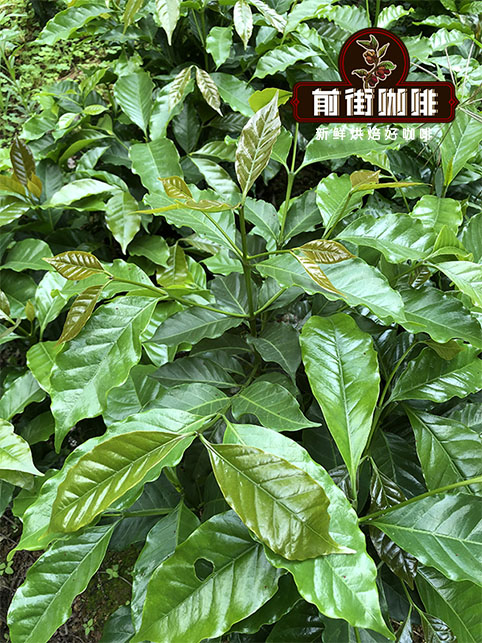
The lateral branches form 50-70° angles with the vertical trunk. The trunk and branches are not very sturdy, and the leaves, fruits and green beans are usually elongated. The bud tips of young leaves are bronze-colored. Compared with other Arabica varieties, Typica leaves have smoother surfaces and fewer wavy edges. Typical Typica fruits turn bright red when ripe.
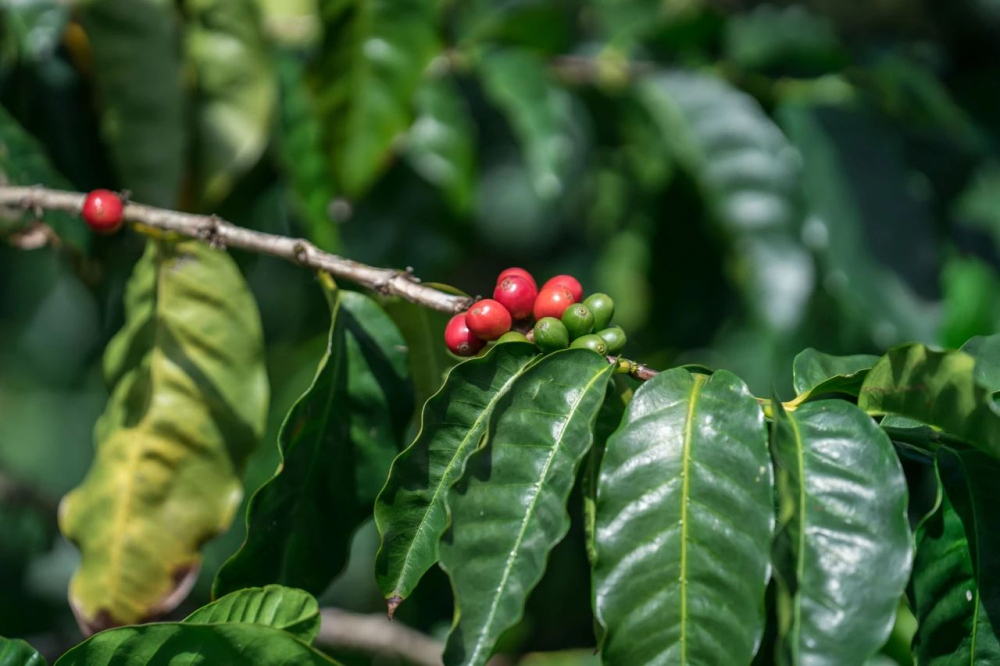
The bronze-colored top leaves are one of Typica's signatures. The beans are larger, forming pointed ovals or slender shapes, and some people call it "red-top coffee." Typica coffee has a unique clean, elegant flavor and balanced character with high taste cleanliness. Its drawbacks are insufficient yield, demanding altitude requirements, and susceptibility to leaf rust with weak pest and disease resistance.
Typica has created considerable glory: it was rated first-class at the International Coffee Tasting Conference held in London in 1958; at the National Coffee Conference in 1980 it was praised by Chinese and foreign experts as "China's Coffee Crown"; and at the World Coffee Competition held in Brussels, Belgium in 1993 it won the "Eureka" Gold Award.
Typica originated in southeastern Ethiopia and Sudan and is one of the oldest coffee varieties among the many Arabica species. Its top leaves are copper-colored, which is why it is called red-top coffee, and also known as old-variety small-bean coffee. Because of low yield and difficult cultivation, the price is much higher than ordinary small-bean coffee. Its flavor performance is excellent, though, and it is recognized as a specialty coffee variety.
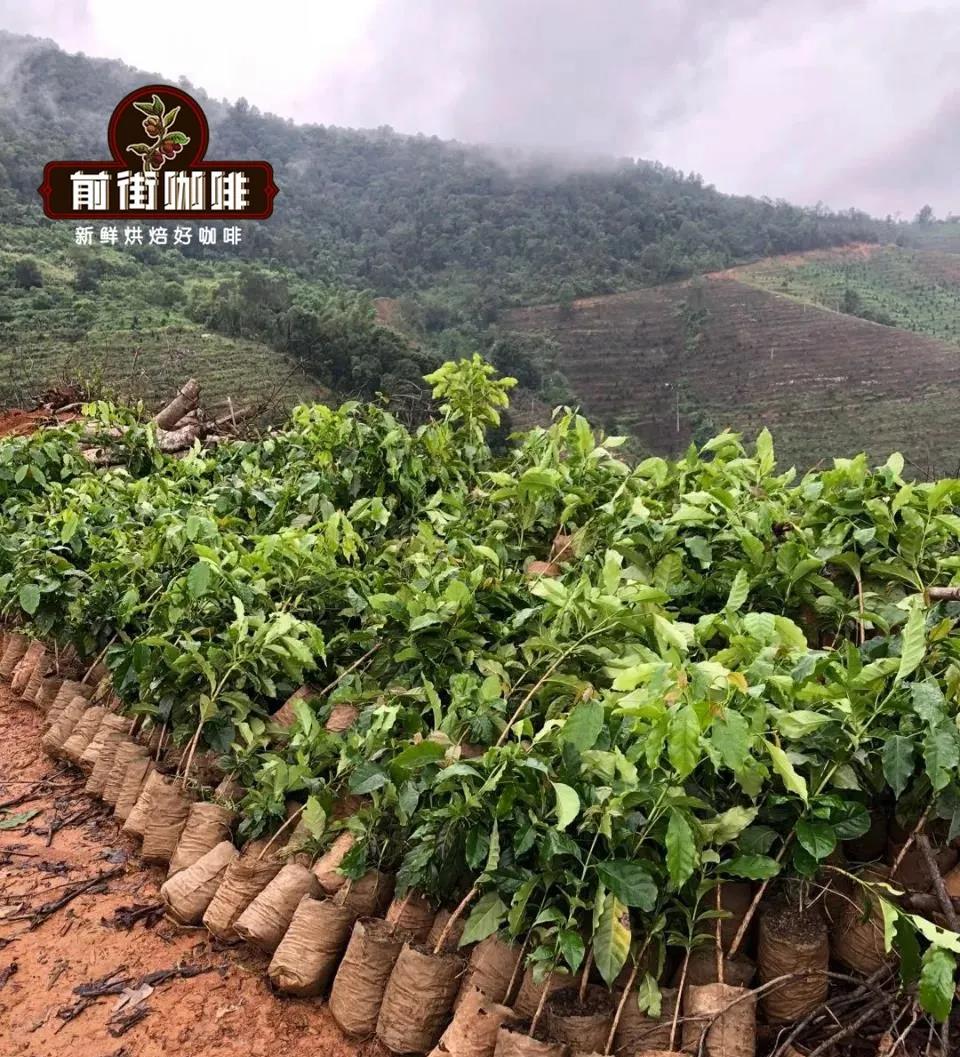
Common Typica Varieties
Common Typica varieties mainly include Indonesia's Sumatra Typica, Jamaica's Blue Mountain variety, Yunnan's old tree variety and India's Kent. These are all Typica varieties that have adapted to local environments and are called by other names locally, but essentially they remain Typica.
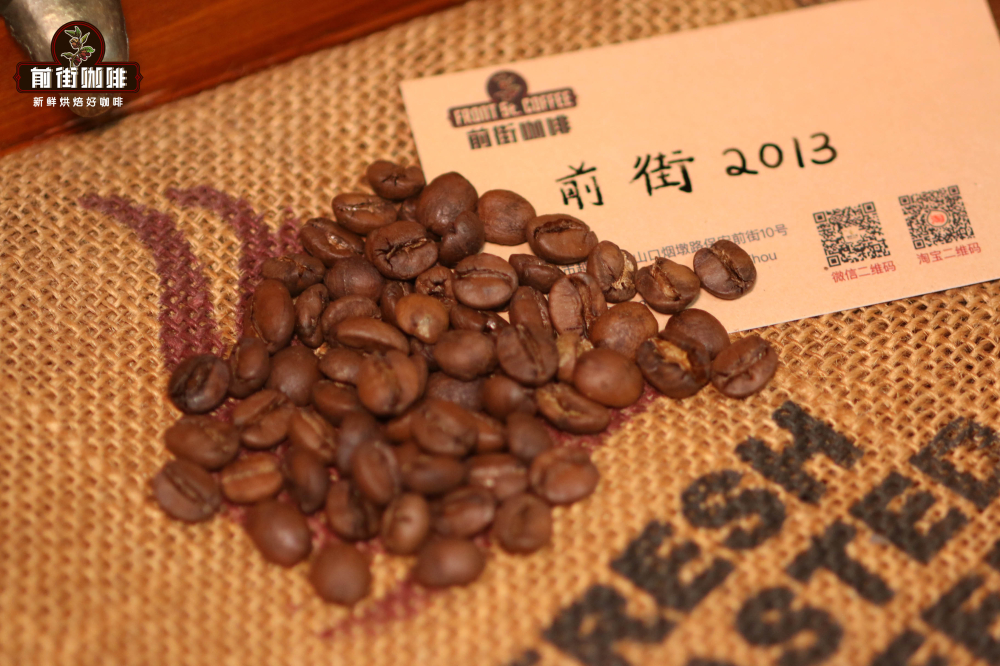
FrontStreet Coffee - Yunnan FrontStreet 2013 Natural Typica
Region: Lincang, China
Estate: FrontStreet Coffee Plantation
Variety: Typica
Altitude: 1300m
Processing: Natural
2013 was the year FrontStreet Coffee's Guangzhou Dongshankou store opened, and also the start of FrontStreet's coffee cultivation. Starting as agricultural beginners, FrontStreet kept making mistakes and learning. They chose the semi-primitive forest area on the China-Myanmar border in Lincang, Yunnan, to begin cultivation. The altitude there suits Arabica growth and the climate is good. In choosing a variety, FrontStreet chose Typica because more than 100 years ago Yunnan already grew Typica, and predecessors had proven that Yunnan could produce good Typica beans. In 2013, Yunnan generally planted high-yield Catimor varieties, but in flavor Typica performs better than Catimor.

From seedling cultivation to transplanting, tree growth and fruiting, it took a full 5 years to start bearing fruit. By 2020, the seventh year, there was a relatively stable yield. FrontStreet named this bean "FrontStreet 2013."
Roasting Suggestions
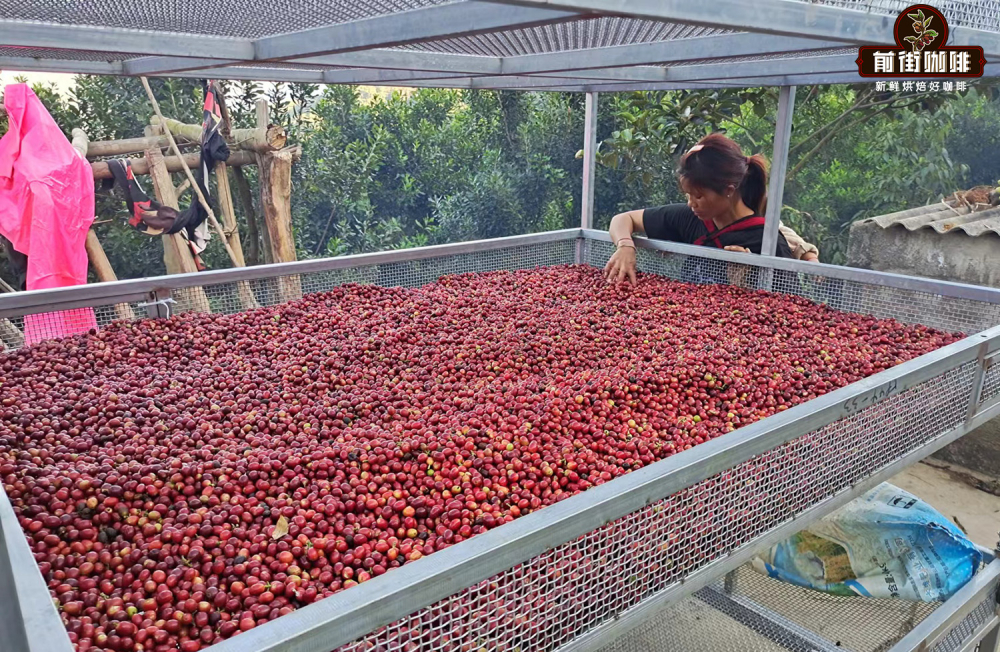
FrontStreet Yunnan Typica uses natural processing. FrontStreet picks only mature, deep red cherries, then uses raised African beds for refined natural processing to preserve the coffee's sweet flavor characteristics.
FrontStreet's roaster believes a medium slow roast best reflects the round, smooth character of FrontStreet's natural Typica while maintaining rich floral and fruit aromas.
Roaster: Yangjia 500g semi-direct heat
Preheat to 200°C, air vent set to 3, adjust heat to 160°C after 30 seconds, air vent unchanged. Return temperature point at 1'33", adjust heat once at 168°C. At this point the bean surface turns yellow and the grassy aroma disappears completely; dehydration is complete, so lower the heat to 130°C and set the damper to 4.
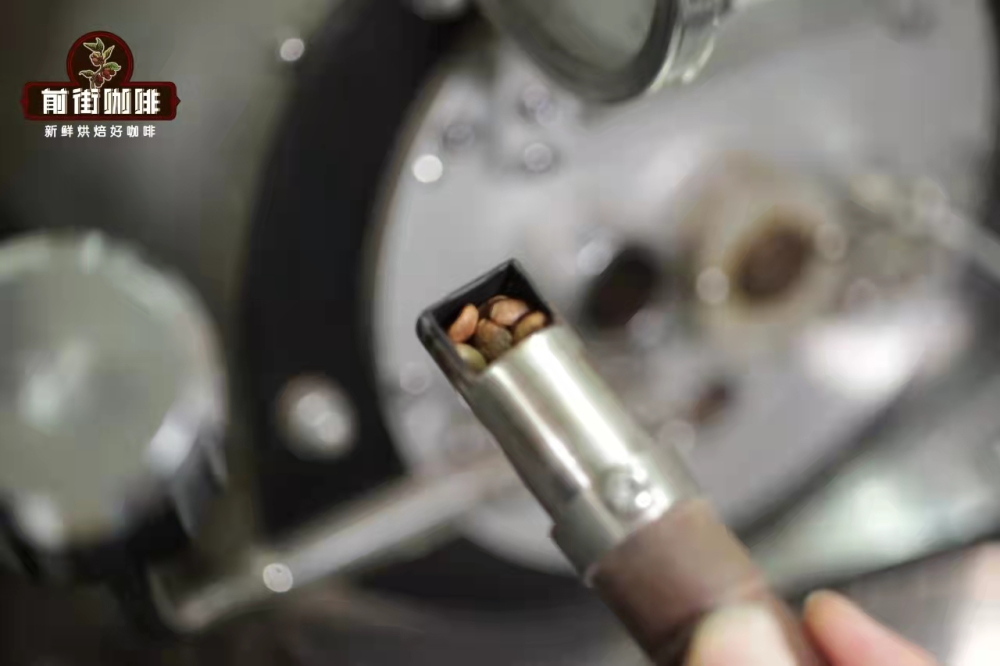
At 8'45", ugly wrinkles and black spots appear on the bean surface, and the toast aroma clearly transitions to coffee aroma, which can be defined as the prelude to first crack. Listen carefully for the sound of first crack. At 9'07" first crack begins, so reduce heat to 80°C and fully open the air vent to 5, adjusting heat very carefully so it is not so low that there is no cracking sound. 3'00" after first crack, unload at 198°C.
Cupping Report
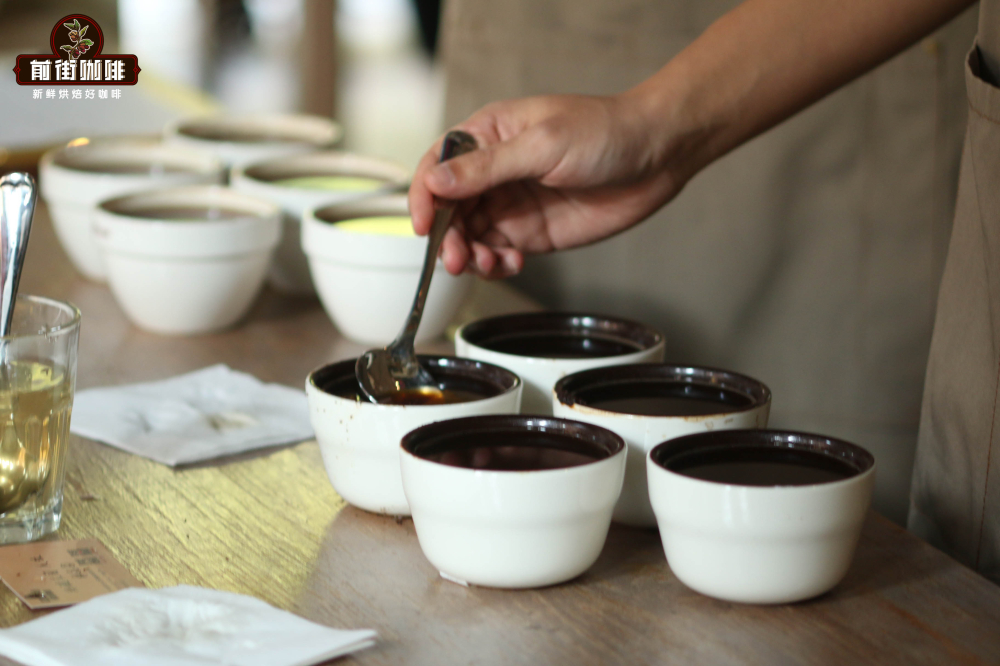
Within 8-12 hours after roasting, FrontStreet conducted cupping. The flavors of FrontStreet 2013 Yunnan Typica are as follows:
Aroma: Nuts, caramel, toast
Flavor: Plum, cream, cane sugar, soft fruit acidity
Aftertaste: Caramel, black tea
FrontStreet Pour-over Suggestions
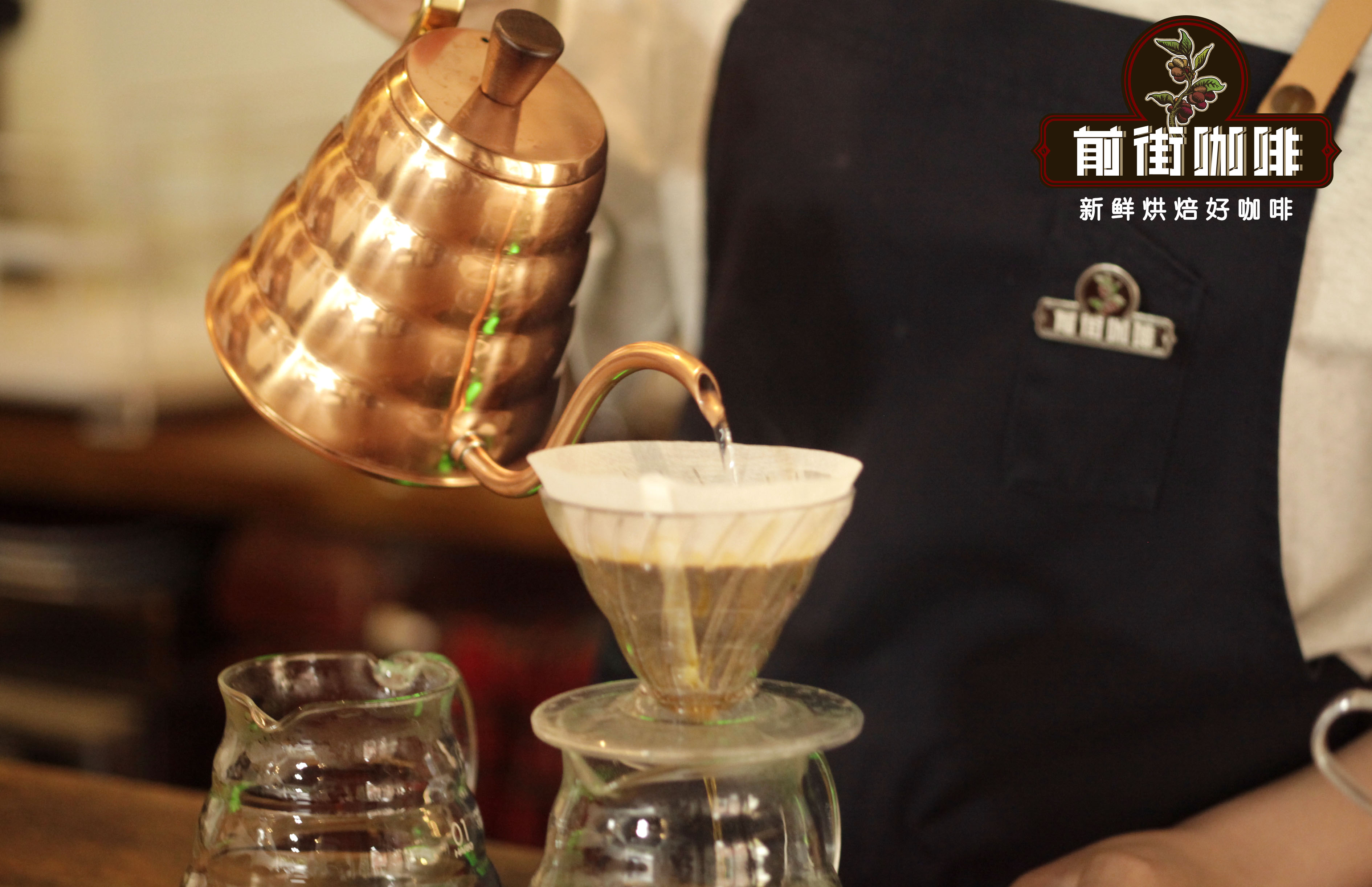
Dripper: V60
Water Temperature: 90°C
Grind Size: 75% pass-through #20 sieve, EK43s setting 10.5
Coffee-to-Water Ratio: 1:15
Brewing Method: Three-stage pouring
First stage: pour 30ml water, bloom for 30 seconds;
Second stage: pour 120ml water in small circles; when the liquid level is about to expose the coffee bed,
Third stage: pour 75ml water in small circles.
[FrontStreet Yunnan FrontStreet 2013 Natural Typica] Flavor: Toast sweetness and nutty sweetness, with slight fruit acidity creating a good layered texture, fruity aroma, and a special spiced sweetness in the aftertaste. The taste is rich and balanced.
FrontStreet Coffee Recommendation
Yunnan coffee is also known as Yunnan small bean, and the beans are uniform and full with a moderately rich body. Yunnan Typica can be traced back to 1904, when the French missionary Tian Deneng brought Typica seeds from Vietnam into Yunnan and planted them successfully in Zhugula village, Binchuan county. That was the beginning of Yunnan coffee, generally called small-bean coffee locally. Coffee likes warm conditions, tolerates heat but not cold, and grows best with plenty of light; the ideal growing temperature is 16-21°C. Around the equator, the golden coffee belt covers latitude 25 north, and Yunnan happens to lie on it, with much of the province above 1000 meters, fertile sloped soil, ample sunlight, abundant rain and large day-night temperature swings.
Yunnan's coffee is grown mainly in the southwest of the province, across four major origins: Baoshan, Dehong, Pu'er and Lincang. FrontStreet's two Yunnan specialty coffees come from Baoshan and Lincang. For an entry-level Chinese Arabica, FrontStreet Yunnan Small Bean is the first choice: washed processed and medium roasted, it brings out some caramel while keeping part of the acidity, showing the terroir of Yunnan well. Washing removes the mucilage through fermentation and rinsing before drying, which is what gives Yunnan Small Bean its characteristic regional profile.
For a clearer expression of Yunnan, FrontStreet 2013 Yunnan Sun-Dried Typica is the step up. FrontStreet's estate Typica uses the most original, traditional green bean process, sun drying. Typica is one of the oldest and purest Arabica varieties, and after natural processing FrontStreet's Typica has a heavier body and sharper acidity, with citrus and berry character, a hint of fermented wine aroma, caramel sweetness and a creamy finish.
Important Notice :
FrontStreet Coffee is a long-established specialty coffee roaster in Guangzhou China, selling freshly roasted beans from its own farm in Yunnan as well as dozens of carefully selected single-origin beans from around the world for both pour-over and espresso. The products deliver consistently excellent quality and great value, with shipping within 24 hours. Guangzhou's FrontStreet Coffee shop is recommended by many coffee lovers, and the beans are now available online at the Tmall 。
FrontStreet Coffee has moved to a new address:
FrontStreet Coffee Address: 315,Donghua East Road,GuangZhou
Tel:020 38364473
 Scan and follow the En Gafei WeChat official account. Please indicate that the reprint comes from "En Gafei".