Flavor Differences Between Natural and Washed Coffee Processing Methods - Roasting Recommendations
Introduction
Innovative processing methods are making coffee flavours more special and overturning many fixed ideas about how coffee should taste. For plenty of coffee lovers, though, traditionally processed beans remain the eternal classic. Washed and natural processing in particular add no extra flavour interference, so you really taste the character of the growing region.

FrontStreet Coffee has cupped many beans processed in different ways. Whatever the origin, washed processing best represents a coffee's fundamental character, while natural processing lifts the fruit aroma and the fuller texture. When we recommend coffee to beginners, we always start with a washed or natural coffee.
What Is Natural Processing?
Sun-drying is our most primitive way of drying food, and the principle behind natural coffee processing is the same. Traditional natural processing lays cherries out on drying patios or even on roadsides to dry. Because the conditions are crude and handling is rough, natural coffee quality varies widely and the defect rate is high. Weather dependence is another cause of defects: the month-long drying period needs continuous, stable, hot, dry weather, and if it rains while the cherries are drying, they mould.
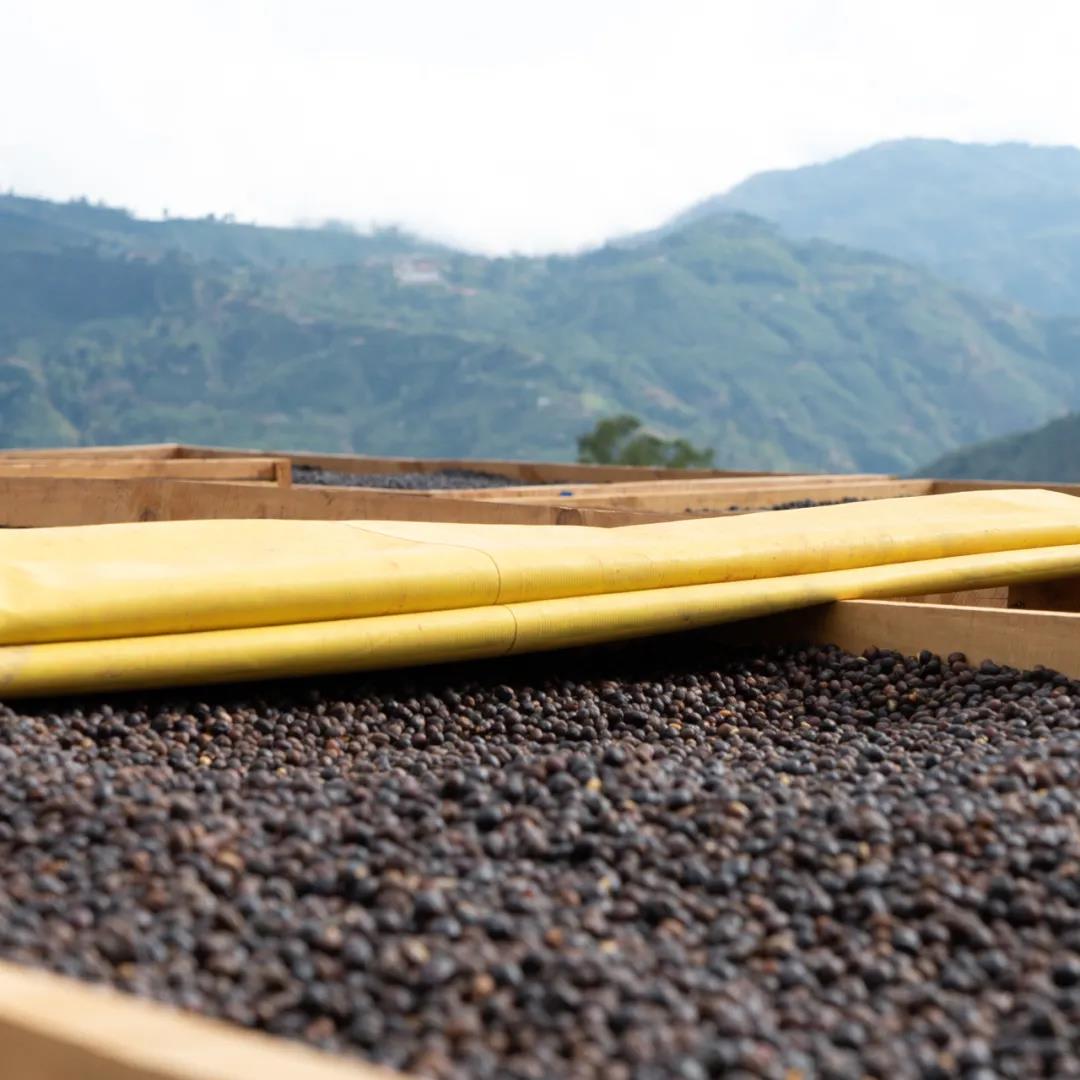
As coffee demand grows and expectations of bean quality rise, many large processing plants have refined natural processing to improve the cup. Before drying, floating selection removes cherries of insufficient density. Drying sites are also controlled carefully, with raised African beds and cement patios built for the purpose. To dry evenly during the natural process, many plants and estates hire workers to turn the cherries regularly, which ensures uniform drying, avoids over-fermentation and reduces defects.
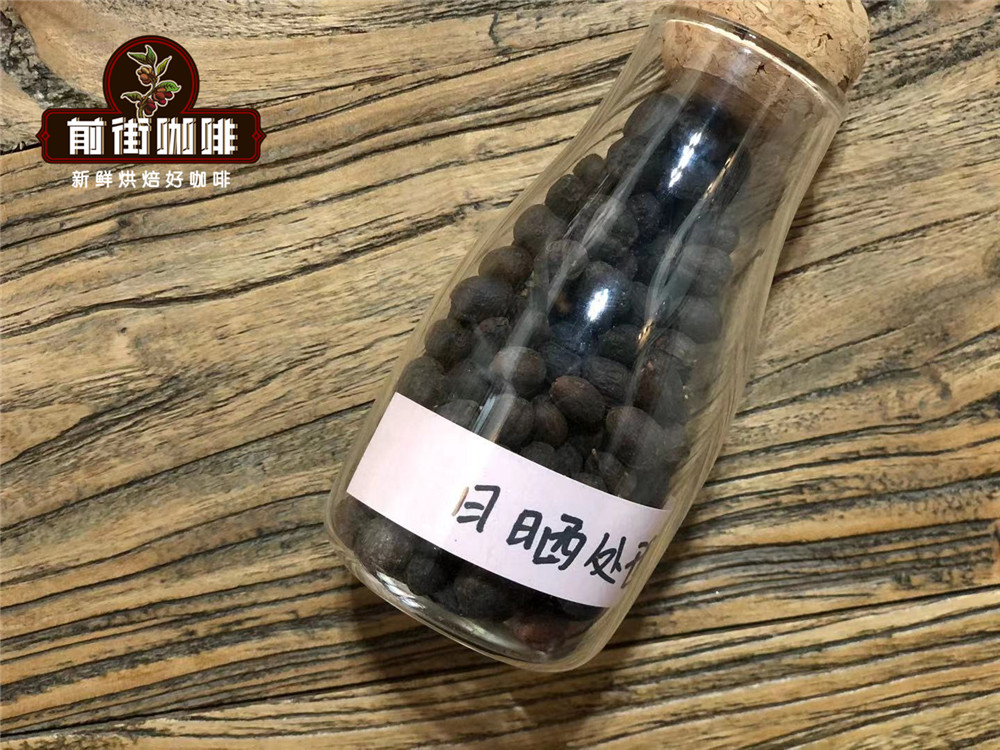
The flavour of naturally processed beans comes mainly from the sugars the bean absorbs from the pulp and mucilage during drying. Over the month-long drying period the bean has ample time to take in those sugars, which raises the coffee's sweetness. Though natural processing is simple, it depends on the weather; regions with little sunshine, low temperatures or high humidity are not suitable. To shorten drying time, resourceful farmers created the washed method.
What Is Washed Processing?
Washed processing differs from natural processing in being a quality-stable method. Harvested cherries first go through floating selection, which again removes fruit of insufficient density. Machines then remove the pulp, and the beans go into water tanks for either anaerobic or water fermentation, using fermentation to break down the mucilage layer. Once fermentation is complete the beans are rinsed with clean water to remove the mucilage, and finally the clean beans are sun-dried down to a moisture content of 11% to 13%.
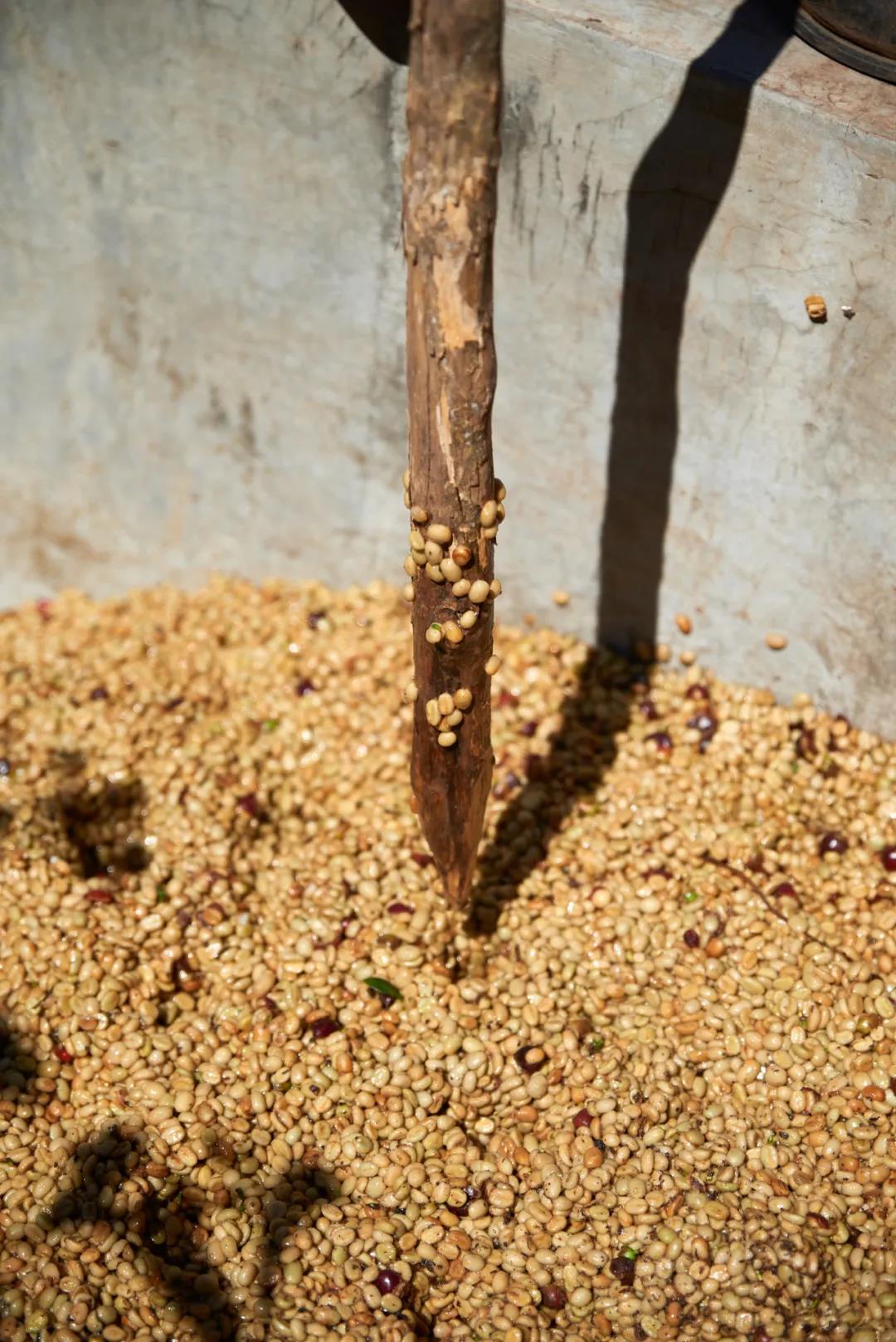
Because floating selection screens out bad fruit and cuts drying time, washed coffee quality is more stable. At the same time, removing mucilage by fermentation lifts the coffee's acidity, which means that if the cup shows over-fermented or rotten flavours, those defects are amplified by the acidity. FrontStreet Coffee believes washed processing reflects bean quality most directly. Although it reduces dependence on weather, it requires large amounts of water, so it is not suited to water-scarce regions.
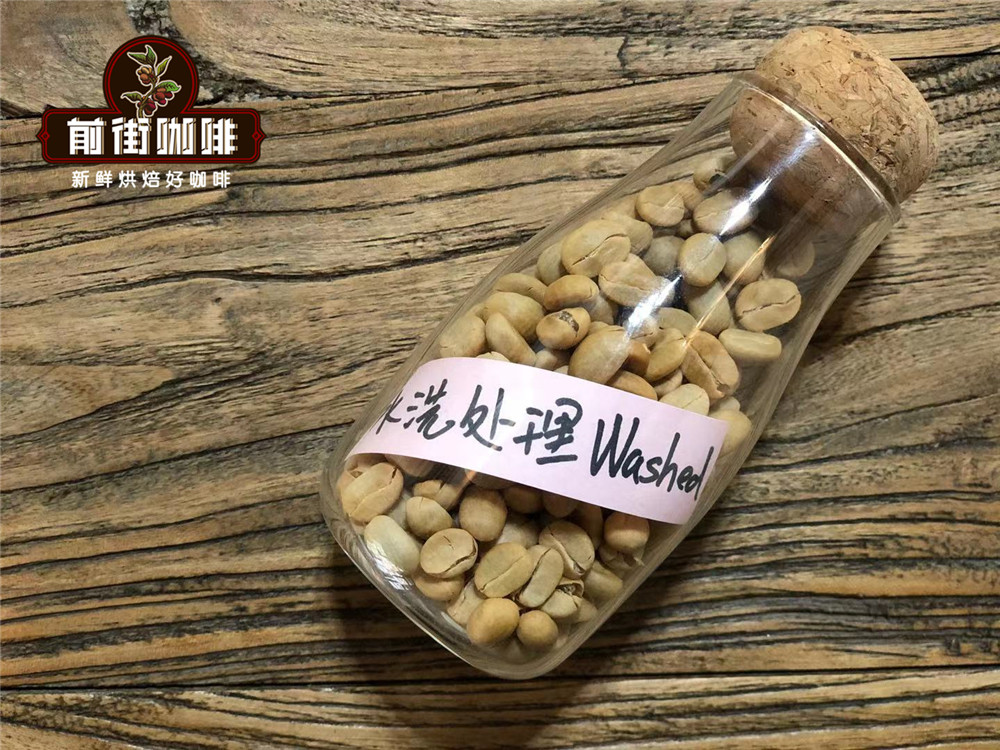
Telling Washed and Natural Apart by Looking at the Beans
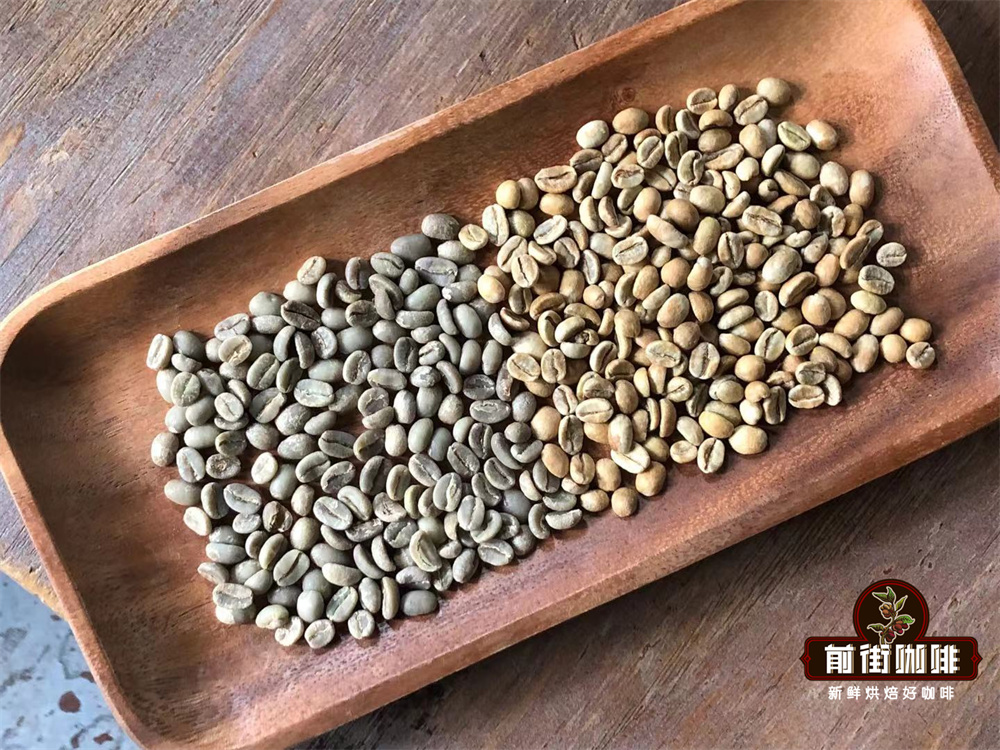
Washed and natural green beans look obviously different. Place them side by side and washed green beans have a clear bluish-green colour, while natural green beans look yellowish.
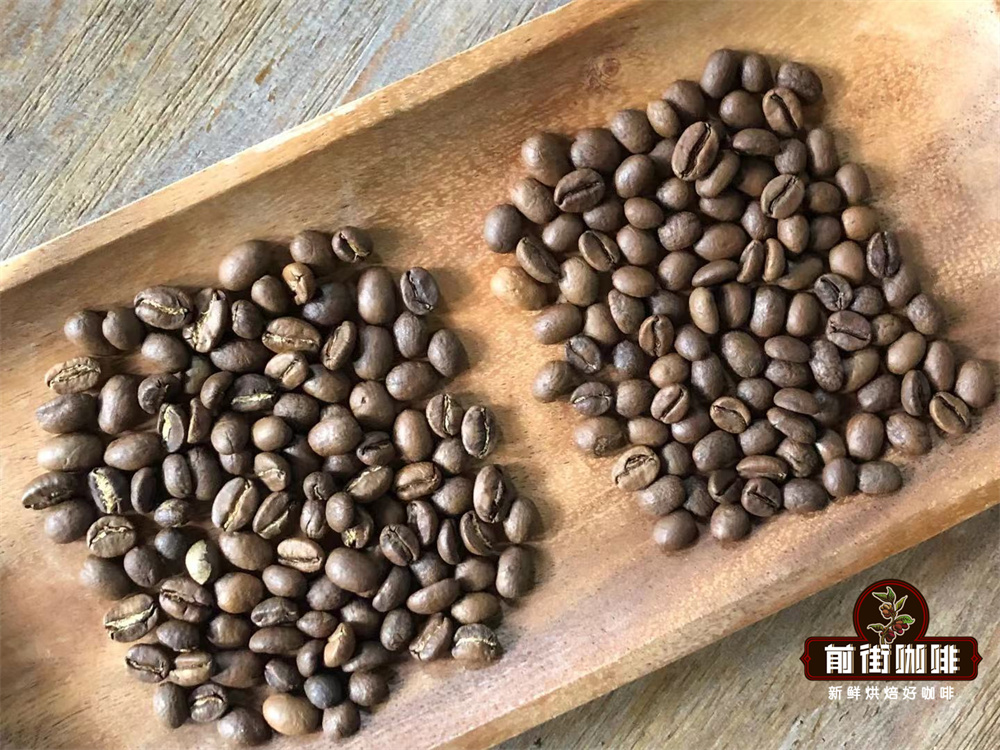
With roasted washed and natural beans, we can look at the centre line of the bean. Beans with a white centre line are washed, while those without are natural. This is because natural beans keep their outer silver skin entirely connected, so the silver skin attached at the centre line comes off with it; after roasting, natural beans have very clean silver skin removal, with no residue along the centre line. Washed beans are the opposite: with almost no silver skin connection on the outer layer, the silver skin at the centre crack cannot peel away easily, so residue remains along the bean's centre line.
What to Watch When Roasting Natural and Washed Coffee
Washed and natural beans also roast differently. The roaster at FrontStreet Coffee explains that washed green beans hold slightly more moisture than natural green beans, so when comparing the two, roasting washed coffee calls for a longer dehydration stage.
The dehydration stage generally means the period from when the green beans enter the roaster until they finish dehydrating and turn yellow. Moisture is removed continuously throughout roasting, but most of a green bean's moisture is lost during this stage.
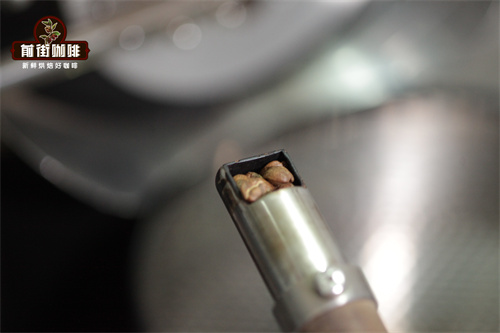
During dehydration the green bean's structure is at its most complete and most heat-resistant. The stage needs enough heat to warm the beans and increase the temperature difference between surface and core, letting the beans absorb heat quickly and build sufficient thermal momentum and core pressure.
As roasting continues, the bean structure becomes increasingly fragile, but flavour compounds still need enough heat to form. If enough thermal momentum is not built up early, then adding heat later easily scorches the bean surface. During the dehydration stage, of course, even a large temperature rise has to stay under control, or the beans will scorch anyway.
Flavour Differences Between Washed and Natural Processing
FrontStreet Coffee believes washed coffee has higher acidity and cleanliness, though its complexity and layering do not match natural processing, while naturally processed coffee has stronger berry aromas, more complexity and generally higher sweetness than washed coffee.
FrontStreet Coffee Recommendation
Washed processing is the clearest window onto a region's character, and FrontStreet Coffee Ethiopia Yirgacheffe Gotiti Cooperative shows why. The washed process brings out jasmine and a bright citrus acidity to the fullest, and at a medium-light roast the cup opens into green tea and honey notes over a clean, precise finish. It is at home as a pour-over, a cold brew or an espresso.
Where washed coffee shows clarity, natural processing builds sweetness and depth. FrontStreet Coffee Ethiopia Natural Red Cherry is a whole-cherry natural, dried with the fruit still on the bean, so it keeps the classic Yirgacheffe profile while gaining tropical fruit from the sun. Expect citrus acidity, a berry-juice sweetness, honeyed sweetness and a creamy smoothness.
For a washed coffee that leans toward the classic, balanced end, FrontStreet Coffee Jamaica Blue Mountain No. 1 is a Typica grown on the island and washed before drying, which is what steadied its reputation. In the cup it shows hazelnut, cream, chocolate and caramel, with an even body in which no single note dominates or falls short.
Important Notice :
FrontStreet Coffee is a long-established specialty coffee roaster in Guangzhou China, selling freshly roasted beans from its own farm in Yunnan as well as dozens of carefully selected single-origin beans from around the world for both pour-over and espresso. The products deliver consistently excellent quality and great value, with shipping within 24 hours. Guangzhou's FrontStreet Coffee shop is recommended by many coffee lovers, and the beans are now available online at the Tmall 。
FrontStreet Coffee has moved to a new address:
FrontStreet Coffee Address: 315,Donghua East Road,GuangZhou
Tel:020 38364473
 Scan and follow the En Gafei WeChat official account. Please indicate that the reprint comes from "En Gafei".