Costa Rica Tarrazu Coffee Bean Varieties: Geisha, Caturra, and Catuai Differences

As one of the most charming and beautiful countries in Central America, Costa Rica is a top tourist destination in the eyes of ordinary travelers. But if you are a coffee drinker, you should be more interested in its thriving coffee industry. FrontStreet Coffee's Costa Rican coffee can fairly be described as "sweet as honey." Whether it is the daily blend beans, Hacienda Mirasu, the Musician Series, or the recently introduced Blueberry, when discerning customers want a sweet pour-over, FrontStreet Coffee always brings out Costa Rican coffee to save the day. Today we talk about Blueberry - friends who love this bean should not miss it.
Blueberry: Costa Rica's Stone Manor Gem
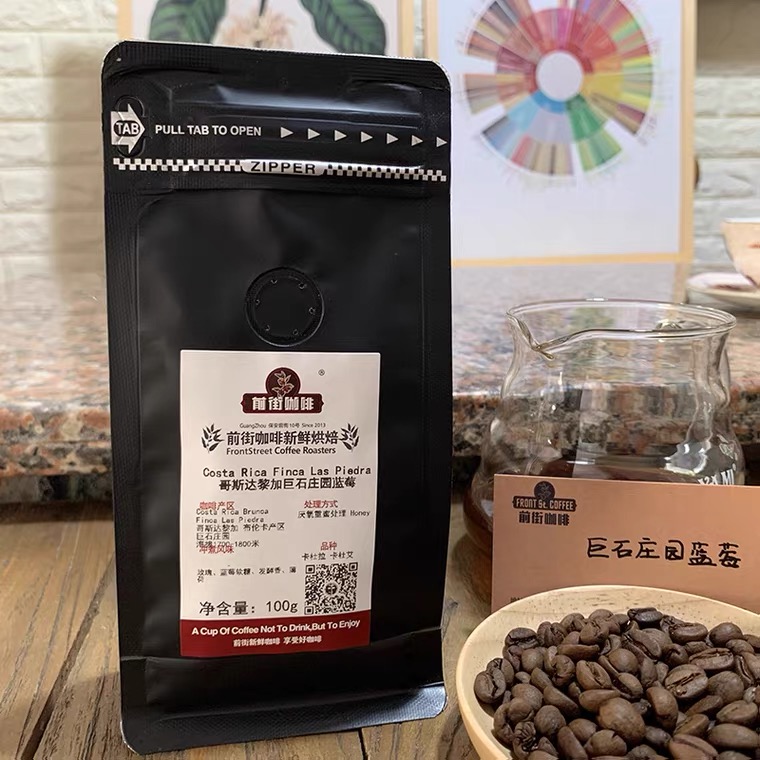
FrontStreet Coffee: Costa Rica · Stone Manor Blueberry
Region: Brunca, Costa Rica
Estate: Stone Manor
Altitude: 1700-1800 meters
Processing: Anaerobic Double Honey Process
Varieties: Caturra, Catuai
Blueberry, as anyone who has tried it knows, is a very special coffee. The dry aroma reveals delicate rose floral notes, elegant and refined. On the first sip, a blueberry gummy texture bursts in the mouth. As the juicy sensation fades, a cooling mint effect provides a second impact. Simply intoxicating.
The Brunca Coffee Region
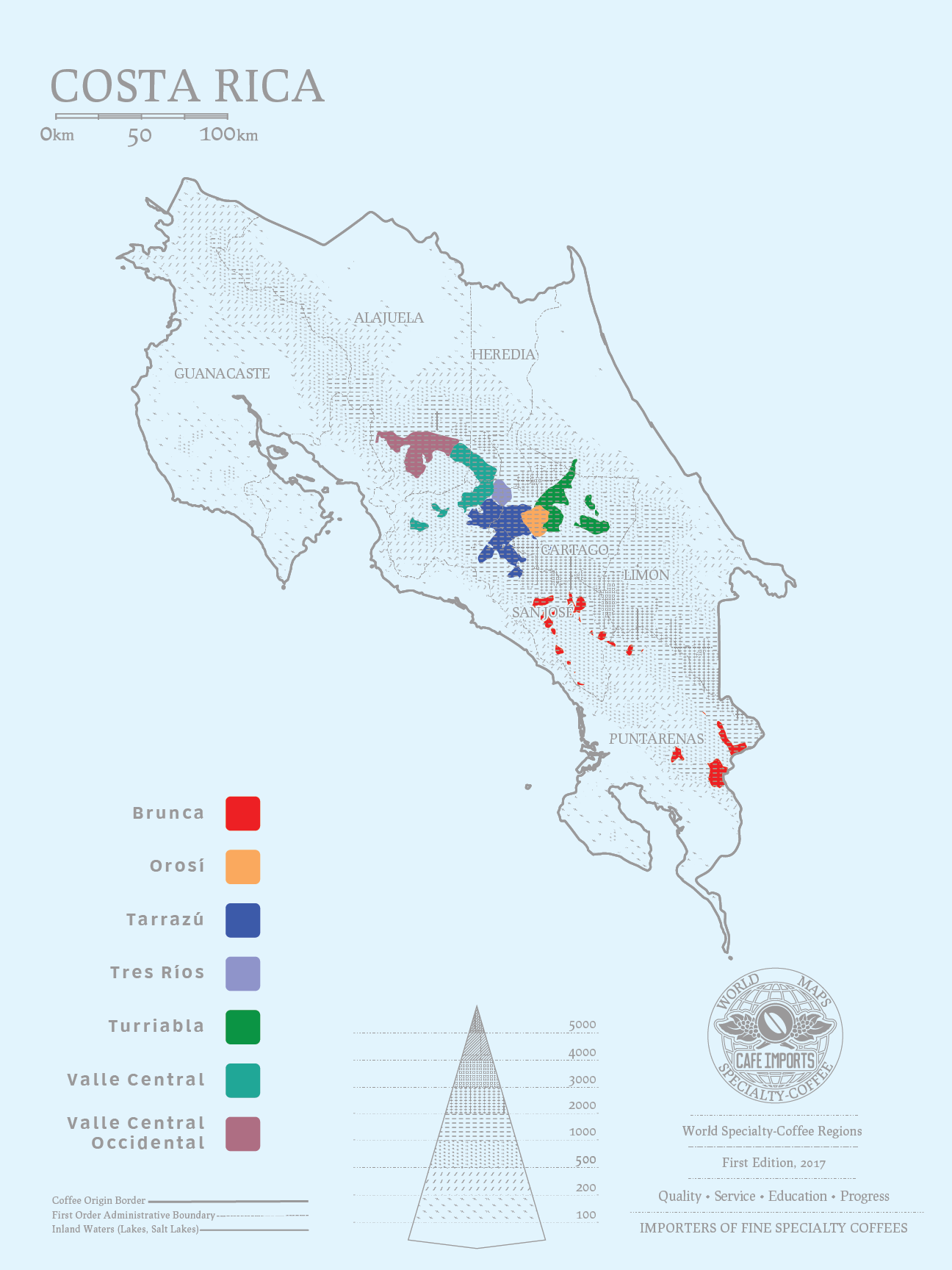
Through this coffee, FrontStreet Coffee wants to test your knowledge. Besides Brunca, do you know how many coffee regions Costa Rica has? Despite its small size (compared with China), it actually has 8 coffee regions: Central Valley, West Valley, Tres Rios, Tarrazu, Turrialba, Orosi, Guanacaste, and Brunca. Setting aside the other seven, let me introduce the Brunca coffee region, where coffee production accounts for about one-fifth of the country's total output. Brunca is a mid-altitude region where coffee is grown at approximately 800-1200 meters above sea level. Most coffee crops in this region are HB grade or higher.
Stone Manor: A Historical Treasure
According to FrontStreet Coffee's research, Stone Manor is located in southern Costa Rica, bordering Panama, and has diverse microclimates that make it extremely suitable for coffee cultivation. Because of the lower altitude in this region, production is basically carried out on hillside farms at 800-1700 meters, with an average temperature of 22°C. The local conditions meet the demanding growing environment required for flavor-intensive coffee. The total coffee cultivation area is about 12,000 hectares, distributed across 4,200 farms, with coffee accounting for approximately 20% of the country's total coffee production.
So how did Stone Manor get its name? A large number of carvings created by indigenous peoples between 200 BC and 1500 AD were unearthed near the estate, which is why the estate was named after these massive stones.

Anaerobic Double Honey Processing
The processing method for Blueberry is also a point of confusion for many customers. When it comes to Costa Rican honey processing, you probably know something about it. Honey processing is actually a method between natural and washed processing, designed to help farmers produce sweeter dried coffee in less time while effectively reducing the risk of accidental over-fermentation. After removing the fruit skin, the mucilage in the coffee fruit is retained and naturally dried until the moisture content drops to 11%.
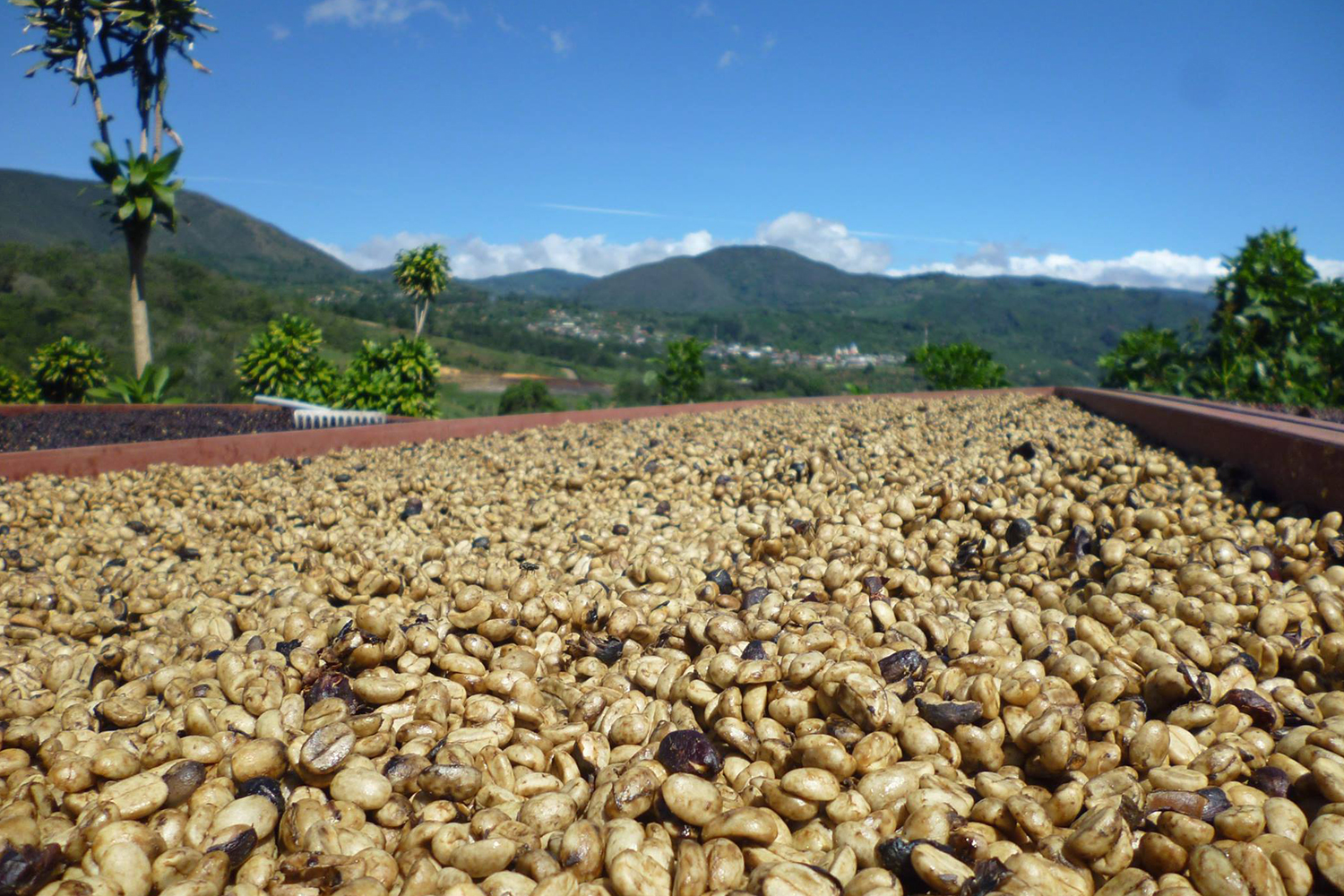
Anaerobic double honey processing is slightly more complex than honey processing. After pickers select perfectly ripe cherries, they soak them in plastic tanks, removing leaves, impurities, and cherries with insufficient density. Before the first fermentation stage, prepared cultures are added: yeast, lactic acid, sucrose, blueberry fructose, orange juice, mint juice, and others. The first fermentation stage lasts 30 hours, which enhances the coffee's sweetness and fruity character. After removing the fruit skin, the cherries are placed in round plastic tanks, the prepared culture liquid is added, and carbon dioxide is introduced while the pH value is controlled. Cool nights let the beans ferment longer without worrying about over-fermentation. The resulting coffee has a very clean taste and a high body, with rich cherry sweetness and the typical sweet fruit aromas of Costa Rica. After anaerobic fermentation ends, the second stage of honey fermentation begins. During the day, the beans with mucilage are placed on African beds and sun-dried at temperatures below 40°C. After 8 hours of sun-drying, the fruit is placed in a greenhouse to rest for 12 hours. This process repeats for 20-25 days. When the moisture content of the green beans reaches 15%, they enter a stabilization period, packed in inner bags with outer cloth bags and left in that state for a month.
Other Costa Rican Coffee Recommendations
Besides Blueberry, what other Costa Rican coffees are worth buying? FrontStreet Coffee enthusiastically recommends Costa Rica's daily blend - Tarrazu. Using the region name directly for the beans, so that one bean represents the entire region's flavor, is exactly FrontStreet Coffee's intention in creating daily blend beans. The daily blend series is a group of high-value regional beans. While they may not match estate-specific beans in every respect, through this series you can experience the main flavors of major regions at a great value, letting coffee beginners identify their preferred regions at a very low price.
Tarrazú Region Characteristics
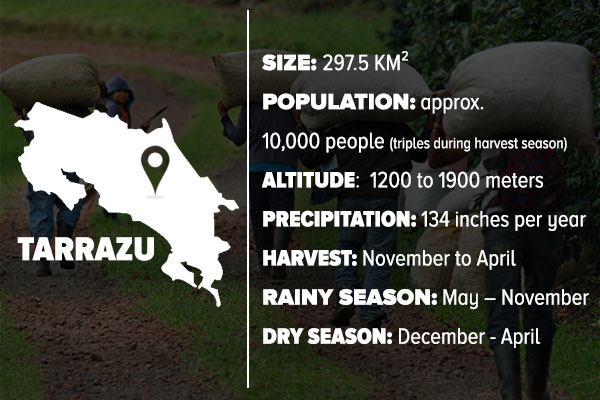
Let's use FrontStreet Coffee's daily blend to explore this region. Costa Rica's Tarrazu growing region is locally known as "Los Santos" because its cantons, similar to towns, are named after various saints. Tarrazu is about a two-hour drive from San Jose, with roads winding around mountainsides and coffee plantations everywhere. Tarrazu is an ideal place for growing Arabica coffee. The region is famous for producing coffee with distinct acidity, largely because the diamine composition in this area plays a significant role. The altitude of 1200-1900 meters also creates diverse microclimates for coffee cultivation.
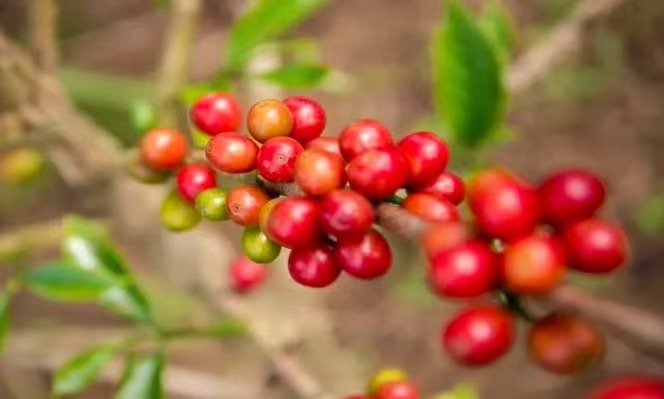
The main varieties grown in this region are Caturra and Catuai. Caturra is a natural mutation of Bourbon, discovered in Brazil in 1937. The tree is shorter than Bourbon, and while it inherited Bourbon's weaker resistance, its yield is higher. Caturra's flavor mainly presents fruity characteristics with berry-like acidity. Catuai is a hybrid of Mundo Novo and Caturra, inheriting Caturra's short tree but with higher resistance and firm fruit that does not easily fall off. In flavor, Catuai is more monotonous than Caturra, with nutty notes as the main characteristic and less of Caturra's rich layering. The combination of these two varieties makes Tarrazu coffee more balanced and smooth.
Brewing Costa Rican Coffee
So how should we brew Costa Rican coffee beans? FrontStreet Coffee believes it is best to start with standard brewing methods.
FrontStreet Coffee Brewing Parameters:
V60 Dripper
Water Temperature: 91°C
Water to Coffee Ratio: 1:15
Coffee Amount: 15g
Grind Size: (China No. 20 standard sieve 80% pass-through rate)
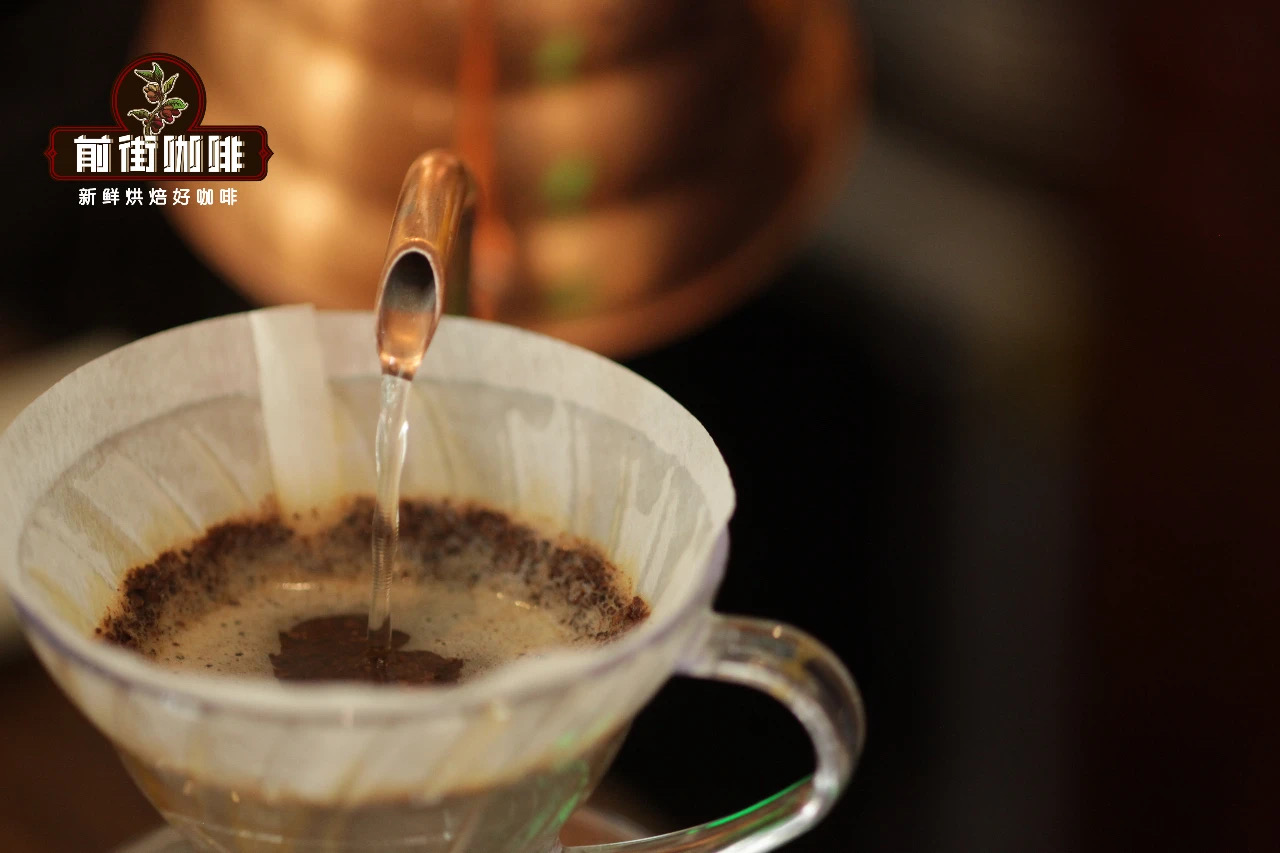
FrontStreet Coffee Brewing Technique: Use 30g of water for a 30-second bloom, then pour with a small flow in a circular motion to 125g for the first segment. When the water level drops and is about to expose the coffee bed, continue pouring to 225g and stop. When the water level drops and is about to expose the coffee bed again, remove the dripper. (Timing starts from the bloom.) Extraction time: 2'00".

By referring to the coffee bean information and flavor descriptions on FrontStreet Coffee packaging, you can try at home to identify the various flavors and texture characteristics in the coffee.
Professional coffee knowledge exchange. More coffee bean information. Follow the Coffee Workshop channel.
FrontStreet Coffee is happy to help you choose among its Costa Rican lots.
FrontStreet Coffee Recommendation
Geisha is the most celebrated variety in Arabica, and understanding its grades makes it easier to buy well. The Esmeralda Estate in Panama splits its Geisha into two lines. The Red Label, officially named "Esmeralda Special," is grown at 1,600-1,800 meters; every lot must cup above 90 points, each lot has its own number, and a lot comes from a single small plot. The Green Label, originally "Private Collection," does not emphasize detailed plot information the way the Red Label does, but blends lots from several plots to express the estate's signature high-altitude Geisha flavor, and it is more affordable.
In Ethiopia, the Gesha Village estate has its own, more complex system, growing three Geisha varieties: Gori Gesha, Gesha 1931, and Illubabor Forest. The Gold Label, part of the Rarities range, belongs to the Gesha 1931 variety and accounts for 10% of the estate's output - its top coffee outside of auctions, often chosen by competition baristas. The Red Label, part of the Growers Reserve range, belongs to the Gori Gesha variety, makes up 15% of production, and scores 88 or above on the SCA 100-point scale, with full traceability for each lot. For an entry point, FrontStreet Coffee's Boquete Geisha offers the classic orange-honey, oolong-tea, and delicate fruit character at a friendlier price, and the Genlana Gesha from Ethiopia - a single-variety estate with a processing station established in 2014 and a growing area of 700 hectares - brings bright citrus, elegant ginger flower, and ripe fruit sweetness after 14-20 days of raised-bed drying.
To brew Geisha, FrontStreet Coffee suggests a finer grind, about 78% pass-through on a China standard #20 sieve (roughly fine sugar), with 91°C water. A V60 works well: 15g of coffee at a 1:16 ratio, blooming to 30g for 30 seconds, then pouring in circles to 125g, waiting for the bed to drop, and continuing to 225g, for a total extraction of about 2 minutes 10 seconds to 2 minutes 20 seconds.
Important Notice :
FrontStreet Coffee is a long-established specialty coffee roaster in Guangzhou China, selling freshly roasted beans from its own farm in Yunnan as well as dozens of carefully selected single-origin beans from around the world for both pour-over and espresso. The products deliver consistently excellent quality and great value, with shipping within 24 hours. Guangzhou's FrontStreet Coffee shop is recommended by many coffee lovers, and the beans are now available online at the Tmall 。
FrontStreet Coffee has moved to a new address:
FrontStreet Coffee Address: 315,Donghua East Road,GuangZhou
Tel:020 38364473
 Scan and follow the En Gafei WeChat official account. Please indicate that the reprint comes from "En Gafei".