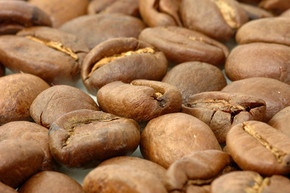
Sidamo Coffee Bean Flavor, Taste, and Aroma Characteristics: Latest Updates on the First Arrival of Flower Queen 6.0
The Story of Ethiopia's Guji Coffee
When it comes to coffee beans from Ethiopia's Guji region, most people immediately think of Guanke coffee. The year 2022 marks the 6th anniversary of Guanke's rise to fame, which means this year's new harvest is batch 6.0. Because of a shipping container shortage this year, the first batch of Guanke 6.0, originally scheduled for export in March, was delayed in departing from Ethiopia's capital. Air freight batches were also slowed at port customs by the worsening COVID-19 situation in Shanghai. It was not until mid-April that the first Guanke 6.0 batch was rerouted to Guangzhou port and gradually distributed.
FrontStreet Coffee did not receive the Guanke 6.0 beans until late May. Upon opening the burlap sacks, however, FrontStreet Coffee's barista observed that this year's Guanke 6.0 beans had a relatively high defect rate, so they gave feedback to Hongshun, the importer of Guanke green coffee. Besides FrontStreet Coffee, many roasters reported similar issues. Consequently, in mid-June this year an official statement was published regarding the high defect rate of Guanke 6.0, stating that it was caused by a lack of rainfall during the early stages of cherry development in late 2021.

To ensure everyone can enjoy freshly roasted beans of more stable quality, however, FrontStreet Coffee will not sell beans marked as batch 6.0 this year. Instead, it will uniformly use new-harvest natural-processed Guanke coffee, also produced at the Buku Abel processing plant in Guji's Hambella region and also imported by Hongshun Company.
Not Guanke 6.0, But Still Guanke?
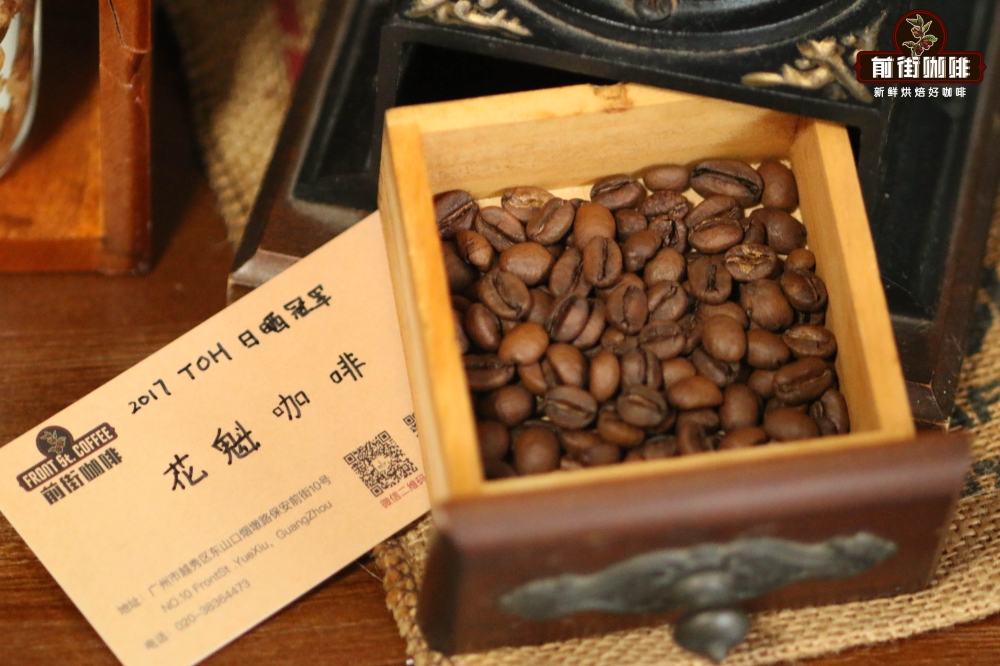
Are beans that are not Guanke 6.0 still Guanke? Of course. The beans that won the 2017 TOH natural processing category were not originally called Guanke either. They were naturally processed Ethiopian heirloom beans from DW Company's Buku Abel processing plant. That year, domestic baristas used this champion bean to "defeat" competitors using Geisha, drawing the attention of Chinese coffee professionals. Hongshun Coffee Company also began importing natural-processed beans from DW Company's Hambella region that year. To make the bean easier to remember, it was named Guanke. Put simply, this bean is called Guanke only in China; internationally, it is still referred to as Hambella natural-processed Ethiopian heirloom coffee.
Ethiopia's Coffee Diversity
As the birthplace of coffee varieties, Ethiopia has an incredible diversity of beans. It is like a natural gene bank for Arabica. On one hand there are numerous varieties that are difficult to identify and classify. On the other, the Ethiopian government, for protection, is unwilling to disclose information about these varieties, so they are collectively referred to as Ethiopian heirloom varieties.
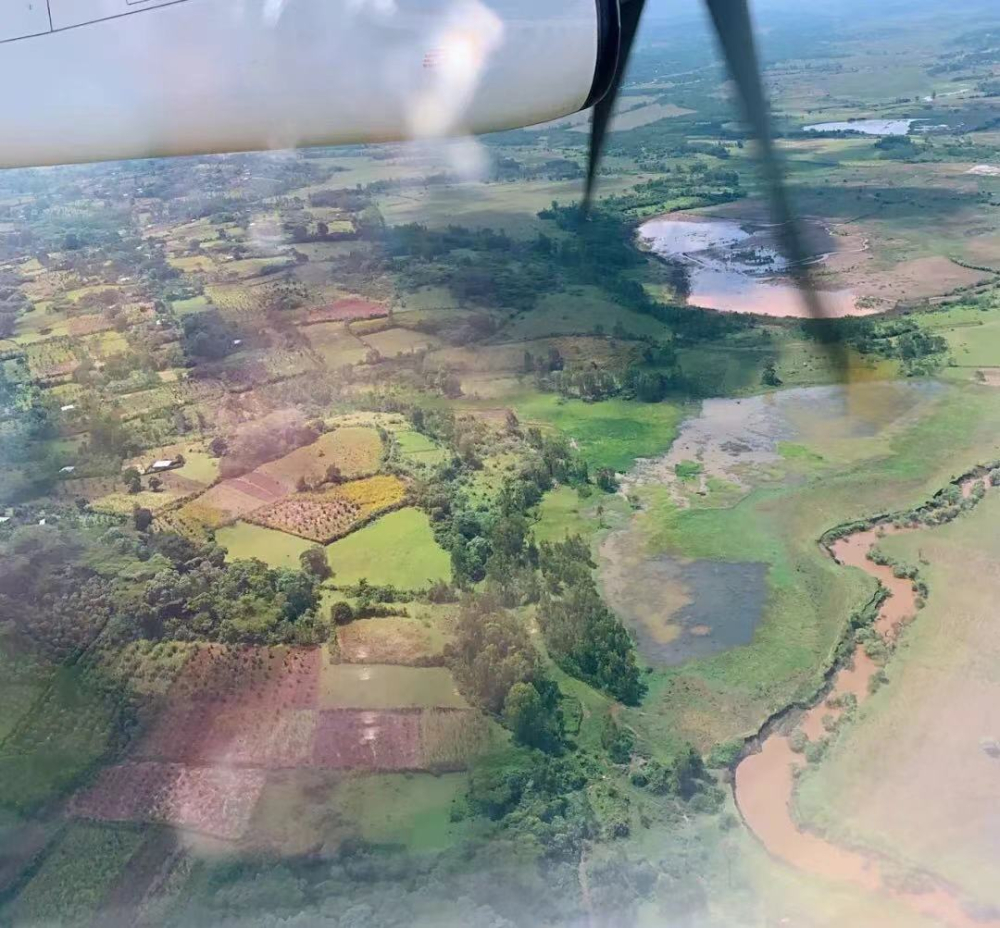
Coffee beans, as agricultural products, change in quality each year because of many natural factors, which is why X.0 is used to distinguish new harvest seasons. After winning the championship in 2017, DW Company further increased the number of processing plants in Hambella's core Dimtu area, including "Buku Abel," "Buku Saysay," "Haro Soresa" and "Tirtiro Goye," with an annual coffee production of about 1,100 tons. In terms of growing region and processing plants, only the processing area of the "Buku Abel" plant covers the small origin that originally produced the natural-processed bean "Guanke."
The Evolution of Guanke
Strictly speaking, when new-harvest Hambella beans are released each year, only the natural-processed Ethiopian heirloom beans from the Buku Abel plant can be called "Guanke X.0." When FrontStreet Coffee cupped each new harvest season's Guanke, they found that the overall body and aftertaste of later Guanke X.0 could not match the 2017 Guanke. In 2018 and 2019, however, among some smaller beans from Hambella's Buku plant, they tasted flavors similar to the 2017 Guanke.
By comparing different batches, FrontStreet Coffee realized that the main source of the 2017 Guanke's aroma was some particularly small bean varieties within the Guanke coffee. These small beans were not abundant - in ten sacks of Guanke X.0, several bags contained them. After cupping in 2018 and 2019, FrontStreet Coffee confirmed that the main aroma source of Guanke came from these small beans and shared the finding with the green bean supplier. As a result, starting in 2020, Guanke was split into two types: 4.0 and Small Bean Guanke. Guanke X.0 became one series, and Small Bean Guanke another.
Roasting and Brewing
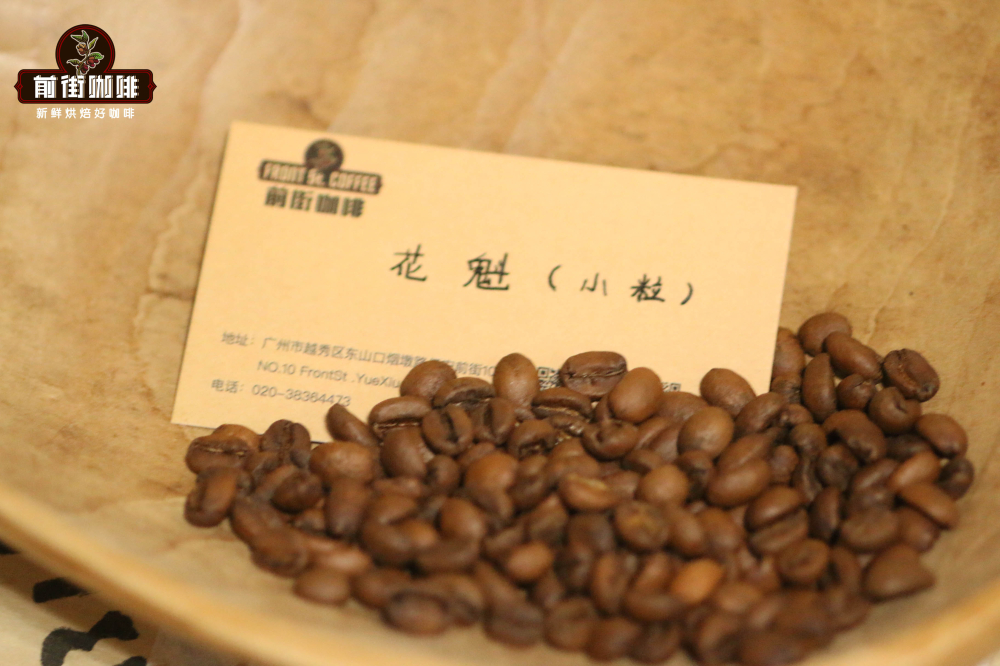
To express the full juice-like character of the origin's Guanke coffee, FrontStreet Coffee's roaster adopted a light roast. Through cupping comparisons, this year's new-harvest Guanke features rich, full berry acidity and sweetness, tropical fruit-like fermentation aromas, and a black tea-like aftertaste. When you purchase FrontStreet Coffee's Guanke coffee, you will receive beans roasted within the last 5 days.
Brewing Guanke does not require overly complex extraction. Simply use a three-stage method with a versatile V60 dripper, a medium-fine grind size (75% passing the China No. 20 standard sieve), 90°C water and a 1:15 coffee-to-water ratio, and you will get an excellent cup.
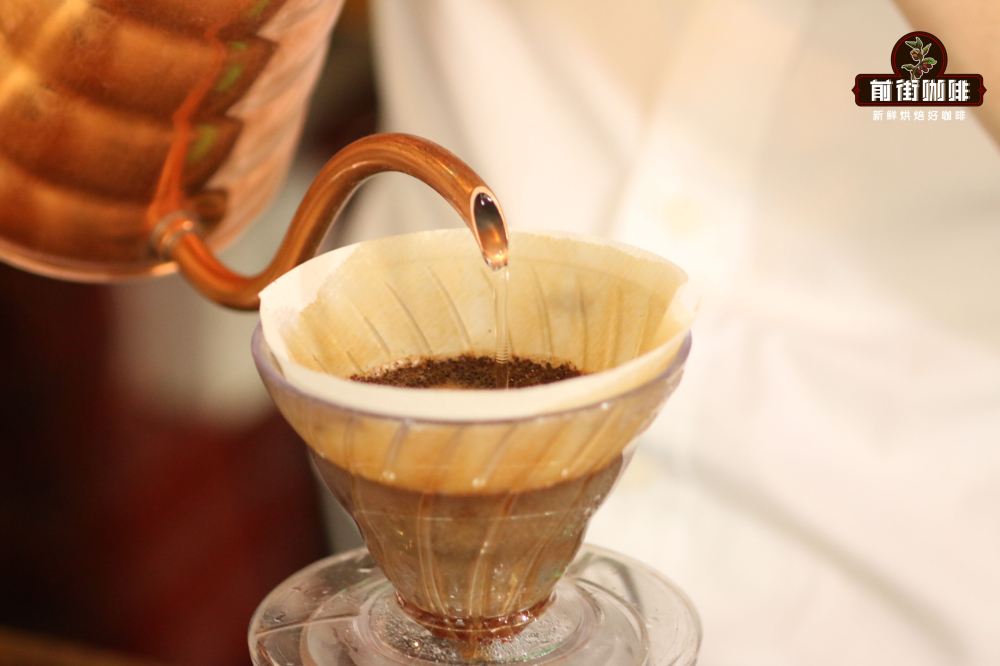
Once everything is ready, start timing. First pour to 30g of water and let it bloom for 30 seconds. Then begin the second pour with a small circular stream to 125g. Wait until the water level in the coffee bed drops to half before pouring again. Continue with a small circular stream to 225g. After complete dripping, total extraction time should be around 2 minutes 20 seconds to 2 minutes 30 seconds.
FrontStreet Coffee's new-harvest Guanke flavor notes: passion fruit, fermented wine aroma, strawberry, jackfruit, black tea.
FrontStreet Coffee Recommendation
This article traces Guanke back to its origin in Hambella, Guji, Sidamo, and FrontStreet Coffee's own sun-dried Huakui comes from exactly that place. Grown across a 200-hectare farm in Hambella and given the traditional natural process - the ripe cherries are dried on raised beds for 21 days and turned regularly to dry evenly, with defective beans hand-sorted every three to five days - it develops the soft fermented wine aroma, florals, citrus and mango this story describes. Roasted light-medium, it shows honeyed sweetness with a cocoa note and a touch of spice, a full body and a lasting finish. Brew it at the 90°C, 1:15, V60 three-stage recipe above and the Guji character comes through clearly.
Important Notice :
FrontStreet Coffee is a long-established specialty coffee roaster in Guangzhou China, selling freshly roasted beans from its own farm in Yunnan as well as dozens of carefully selected single-origin beans from around the world for both pour-over and espresso. The products deliver consistently excellent quality and great value, with shipping within 24 hours. Guangzhou's FrontStreet Coffee shop is recommended by many coffee lovers, and the beans are now available online at the Tmall 。
FrontStreet Coffee has moved to a new address:
FrontStreet Coffee Address: 315,Donghua East Road,GuangZhou
Tel:020 38364473
 Scan and follow the En Gafei WeChat official account. Please indicate that the reprint comes from "En Gafei".