Differences Between Geisha and Gesha Coffee Beans - Characteristics and Roasting Recommendations
The Origin and Legend of Geisha Coffee
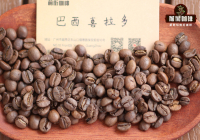
Geisha coffee beans, also known as Gesha coffee or Geisha beans, are all the same variety of coffee bean. The name comes from Geisha Mountain in Ethiopia, pronounced similarly to the famous Japanese geisha — hence the name.
Geisha coffee beans have an extraordinary legend. The variety originates from southwestern Ethiopia. In 1963, Don Pachi Serracin introduced Geisha coffee trees from Costa Rica to Panama. Because low yields directly affected harvest amounts, coffee farmers had little interest in cultivating them. It wasn't until Daniel Peterson, owner of Panama's La Esmeralda estate, accidentally discovered that the beans from these Geisha trees — originally used as windbreaks at the highest point of his estate — possessed the characteristic citrus and floral aromas of African beans. After separating these beans and entering them in the 2004 Panama cupping competition, where they achieved instant fame, Geisha has been unstoppable ever since, winning the Panama cupping championship for consecutive years. In the eyes of specialty coffee enthusiasts worldwide today, Geisha coffee beans are undoubtedly the supreme treasure.
The Accidental Fame of La Esmeralda
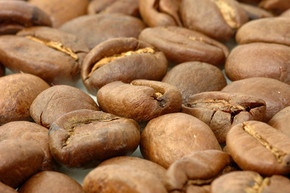
The reason La Esmeralda's Geisha became world-famous stems from a coincidence. Rudolph A. Peterson, a retired Swedish-American banker, purchased La Esmeralda estate in Panama to spend his later years. Unexpectedly, the coffee trees on the estate bore fruit, and he casually sent them to a coffee competition, achieving instant fame by winning the national championship at the 2004 Panama Specialty Coffee Competition.
Characteristics of Geisha Green Coffee Beans
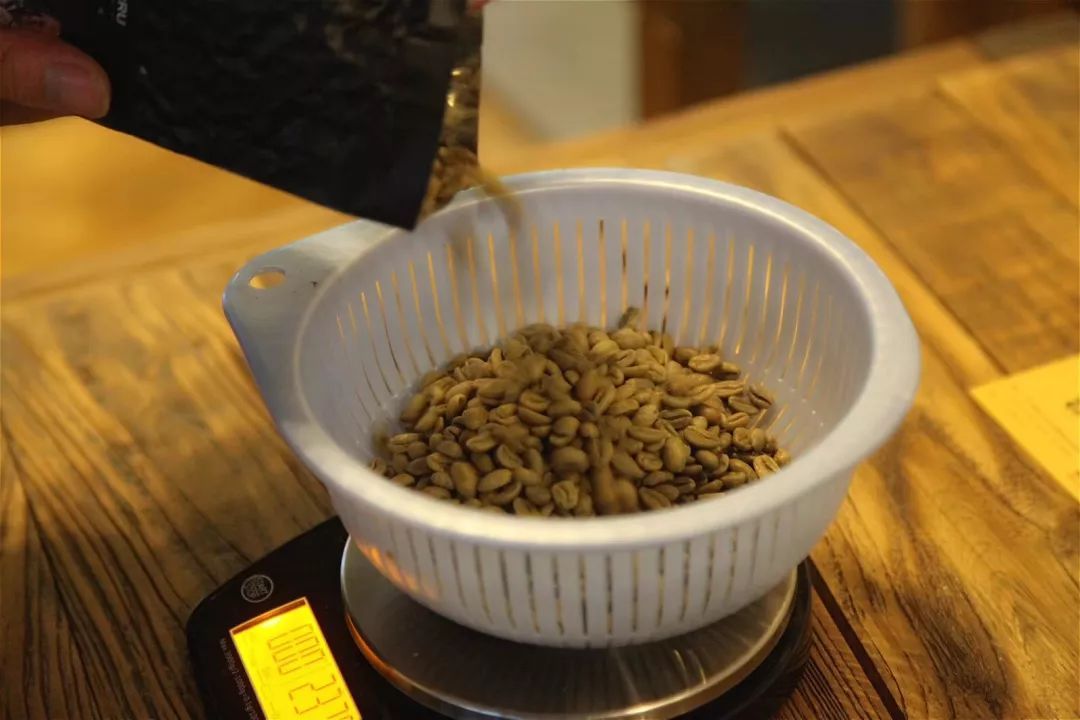
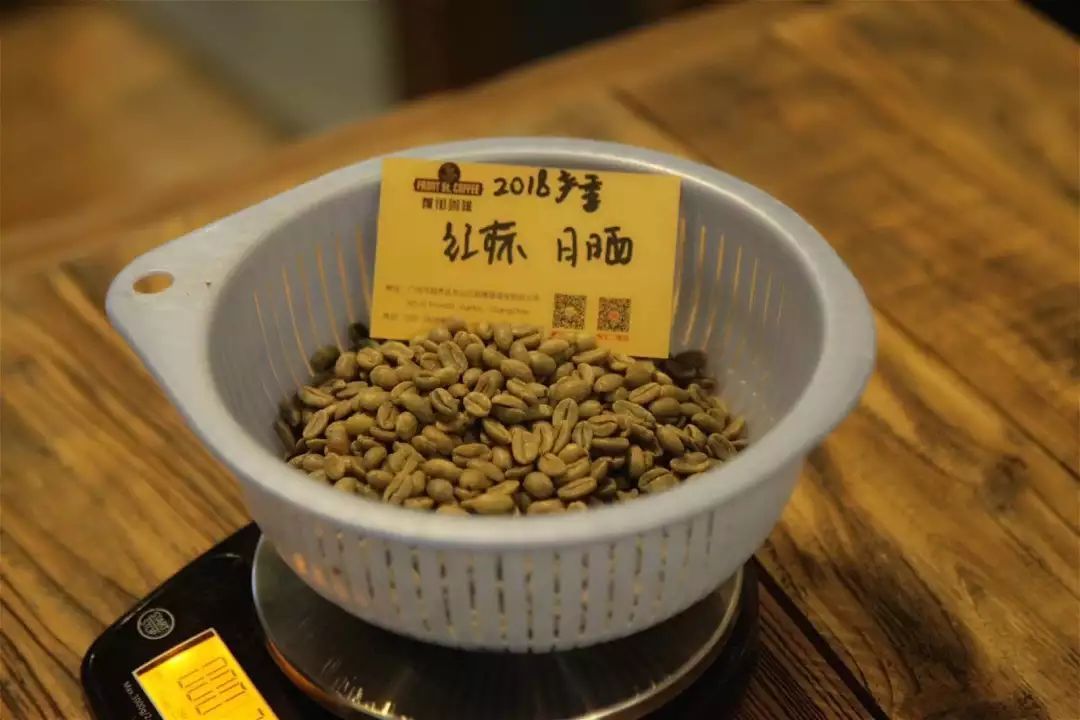
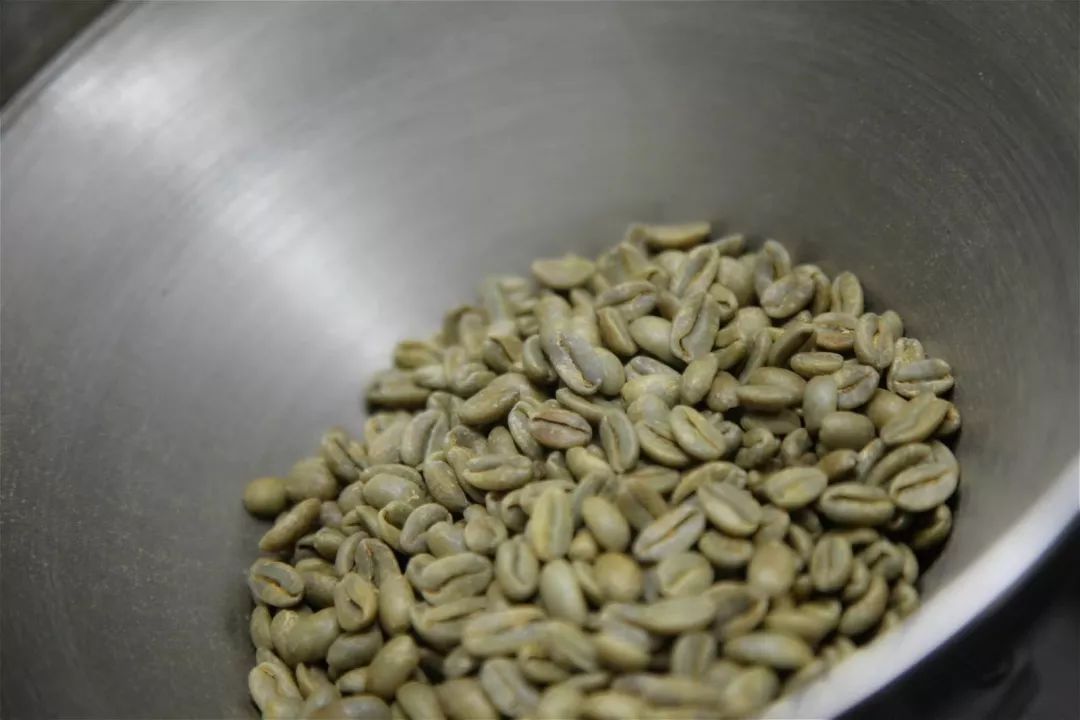
Geisha green coffee beans have a beautiful blue-green color with a jade-like warm texture. They smell of fresh grass, peach, and berry notes, plus the unique milk-sweet aroma of oolong tea that most coffee beans lack. Aroma and flavor seem to require associative thinking, but the faint tea aroma is something we can clearly perceive.
FrontStreet Coffee's Roasting Recommendations
When you get a batch of Geisha, how should you roast it?
To fully reveal Geisha's character, you must put considerable effort into roasting. Geisha is generally grown at high altitudes above 1500 meters. We received beans from 1700 meters — high-hardness, high-density beans. Their form is plump, medium-sized particles, thick and long in body, with pointed ends.
To highlight the characteristics and aroma of these beans, use light roasting. This degree of roasting brings out the beans' inherent characteristics better. Too dark would damage the floral aroma and fruit acidity. Of course, this should also be adjusted according to the beans' characteristics and the roaster's understanding of them.
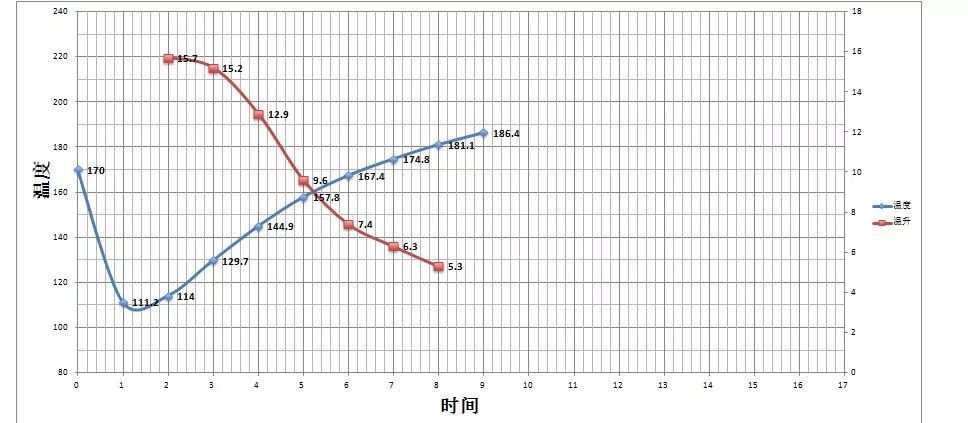
From personal experience: during roasting, pay attention that the Geisha roast curve shouldn't be too long, or the flavor will become dull. After first crack, the temperature rise shouldn't be too high. Geisha beans have pointed ends and easily develop black scorch points. A temperature rise below 6 degrees would be better. Light roasting reveals the tea-rose aroma better.
Roasting Process
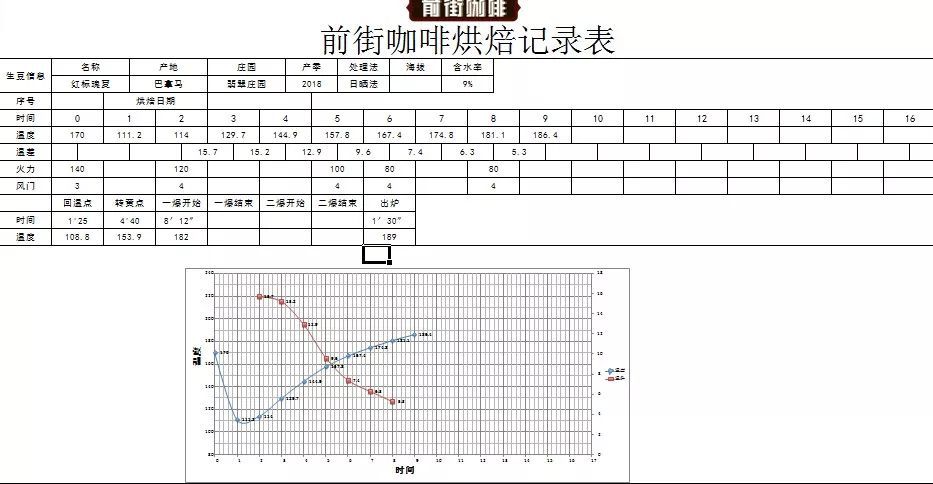
Roasting machine: Yangjia 600g semi-direct heat
Preheat the roaster to 170°C and load the beans, with damper set to 3. After 30 seconds, adjust heat to 140°C, damper unchanged. Return to temperature point at 1'25". At 140°C, adjust heat once. At this point the bean surface turns yellow, the grass aroma disappears completely, and dehydration is complete. Adjust heat to 100°C, damper to 4.
At 7'40", ugly wrinkles and black spots appear on the bean surface. The toasty aroma clearly transforms to coffee aroma, which can be defined as the prelude to first crack. Listen carefully for the first crack. At 8'12", first crack begins. Reduce heat to 80°C, damper to 4 (heat adjustment must be very careful, not so small that cracking stops). Develop for 1'30" after first crack, unload at 189°C.
Cupping Results
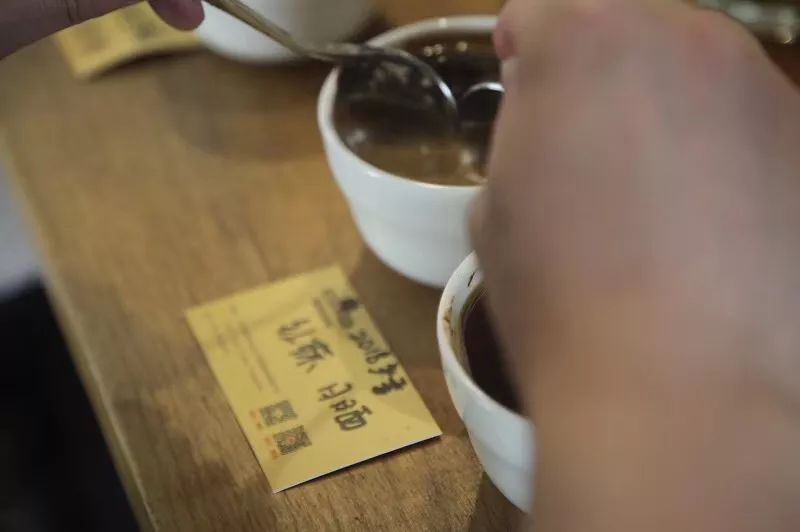
The cupping results show elegant, soft acidity on entry, with sweetness quickly appearing on the tongue and lasting a long time. The mouthfeel is clean and bright, like black tea. There are aromas of roses, honeysuckle, sweet potato, grapefruit, lemon, black tea, and cane sugar, with clear layers and a long aftertaste.
FrontStreet Coffee Recommendation
Whether you call it Geisha or Gesha, it's the same variety — and if you want to taste it, the name on the bag matters less than the grade. Much of the story begins with Panama's Hacienda La Esmeralda, which splits its Geisha into Red and Green Labels. Red Label, officially "Esmeralda Special," comes from a single small plot at 1,600-1,800 meters, cups above 90 points, and carries its own lot number — the FrontStreet Red Label comes from the Jaramillo plot. Green Label, or "Private Collection," blends several plots to express the estate's signature high-altitude Geisha character at a kinder price, so it offers excellent value.
For a first taste, FrontStreet Panama Boquete Geisha is the approachable entry, with orange-blossom honey, oolong tea, and a delicate fruit acidity in clear layers. Ethiopia, Geisha's homeland, has its own references: FrontStreet Gesha Village Gold Label (Gesha 1931, about 10% of the village's output, natural process) cups complex and layered, while the Red Label (Gori Gesha, about 15% of output, 88+ on the SCA 100-point scale) is a single-terroir series with full traceability. FrontStreet Grana Gesha is another option, hand-picked and dried on raised beds for 14-20 days at the Genlana station, roasted medium-light for bright citrus, ginger flower, and ripe-fruit sweetness.
Because Geisha is a light roast with hard, dense beans, it's easy to over- or under-extract. FrontStreet suggests grinding to about 78% pass-through on a China standard #20 sieve (roughly fine caster sugar), brewing at 91°C with 15g in a small Hario V60 at a 1:16 ratio, and pouring in three stages — 30g bloom for 30s, then to 125g, then to 225g — for a total extraction of about 2:10-2:20. That keeps the floral top notes and the long, clean finish intact.
Important Notice :
FrontStreet Coffee is a long-established specialty coffee roaster in Guangzhou China, selling freshly roasted beans from its own farm in Yunnan as well as dozens of carefully selected single-origin beans from around the world for both pour-over and espresso. The products deliver consistently excellent quality and great value, with shipping within 24 hours. Guangzhou's FrontStreet Coffee shop is recommended by many coffee lovers, and the beans are now available online at the Tmall 。
FrontStreet Coffee has moved to a new address:
FrontStreet Coffee Address: 315,Donghua East Road,GuangZhou
Tel:020 38364473
 Scan and follow the En Gafei WeChat official account. Please indicate that the reprint comes from "En Gafei".