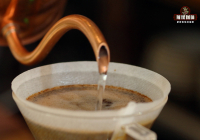
Sumatra Mandheling Coffee Bean Origin, Flavor Profile & Brewing Guide
Professional Coffee Knowledge Exchange
Mandheling coffee is grown in Sumatra, Indonesia — it is also known simply as "Sumatra coffee." Its distinctive rich, mellow flavor has earned it generations of devoted coffee connoisseurs.
Mandheling Coffee
Introduction to the Mandheling Coffee Origin
About 90% of the coffee grown across Indonesia is robusta; the remaining 10% — the arabica — comes mainly from the islands of Sumatra, Java, and Sulawesi. Mandheling refers specifically to the arabica grown on Sumatra, mostly of the timtim and Ateng varieties.
And yes: Mandheling is not a coffee variety at all. It is the name of an indigenous people of Sumatra. The name was borrowed for these regional beans so consumers could remember the coffee more easily — and so that hearing it immediately calls Sumatra to mind.
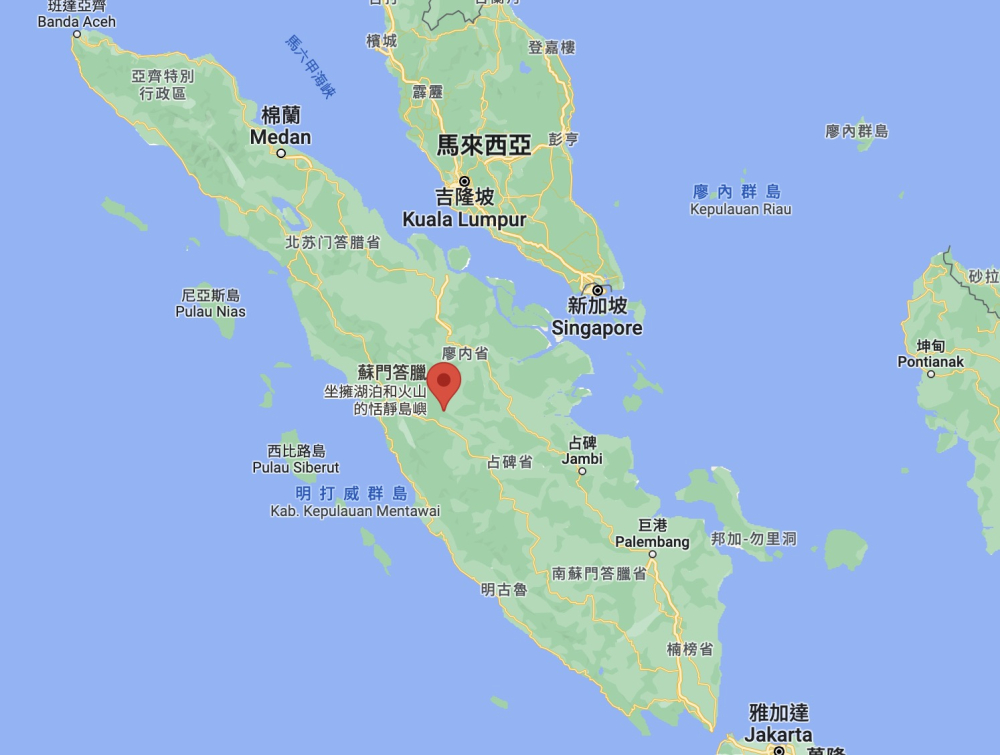
Traditionally, Mandheling coffee comes from the Lintong growing region of northern Sumatra and the Gayo Mountain region of Aceh, and these remain the main sources of premium Mandheling. FrontStreet Coffee currently carries two Mandheling beans, both from these two storied regions.
Why is Mandheling Coffee from Sumatra So Famous?
The biggest reason is altitude — the island has exactly the elevations arabica needs. Sumatra's highest point reaches 3,805 m, and quality Mandheling is grown between 900 and 1,600 m. Lintong and Gayo both meet those conditions, and both sit near lakes that give the coffee trees plenty of water.
Lake Toba lies north of Medan, the capital of Sumatra, and is a high-altitude freshwater lake with an average elevation of about 900 m above sea level. This diamond-shaped lake runs 100 kilometers long and 30 kilometers wide, covering 1,130 square kilometers — a highland lake sitting at an average altitude of around 1,100-1,600 meters.
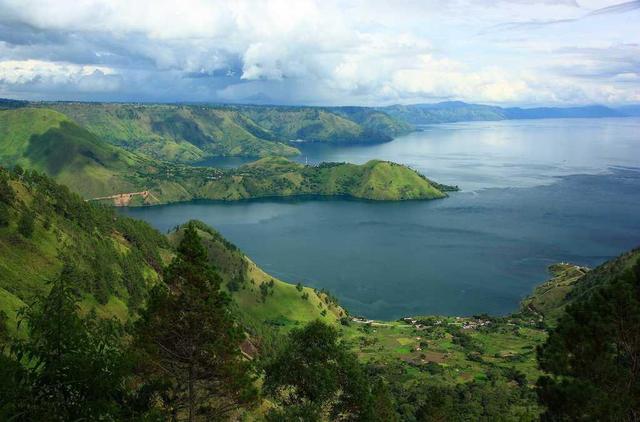
The Gayo Mountain region sits in Aceh Province at Sumatra's northern tip. Coffee there is grown on the slopes around the town of Takegon and Lake Tawar, at altitudes averaging between 1,110 and 1,600 meters. Smallholder farmers grow it under shade trees and use the wet-hulled process, drawing out flavors of deep and lively richness.
Flavor Characteristics of Mandheling Coffee
Thanks to the climate, the terroir, and Indonesia's one-of-a-kind green coffee processing, beans from Sumatra are defined by low acidity, heavy body, and herbal, spicy notes.
At FrontStreet Coffee, we believe a good specialty bean lets you taste the character of its origin. To help coffee lovers experience the signature flavors of the world's most popular growing regions at a friendly price, FrontStreet Coffee has released 7 selected regional staple coffee beans.
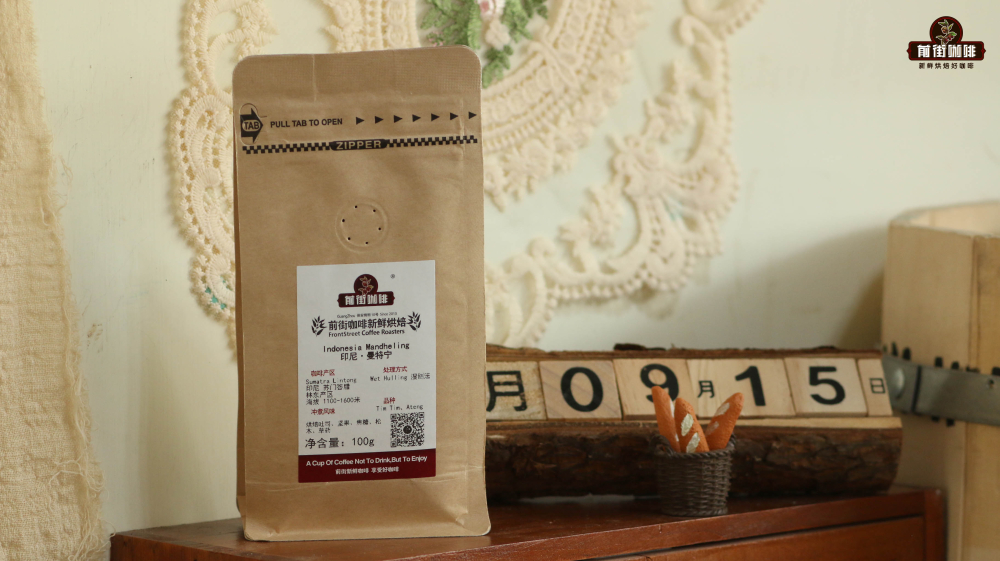
The bean representing Indonesia comes from Lintong. In FrontStreet's cupping, this Lintong Mandheling shows flavors of toast, nuts, caramel, pine, and herbs, with low acidity and rich body — a very faithful expression of the region.
The other, FrontStreet Golden Mandheling, comes from the Gayo Mountains of Aceh and is a Mandheling with a cleaner cup and more pronounced sweetness. The beans FrontStreet sources come from PWN (Pwani) Coffee Company, and represent the highest grade of Mandheling in all of Indonesia.
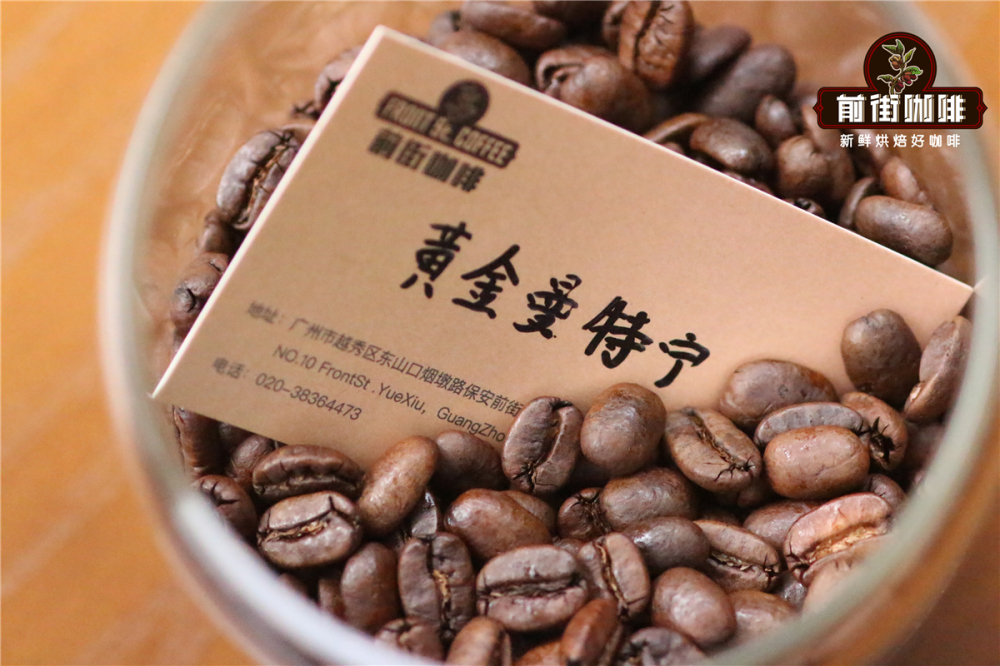
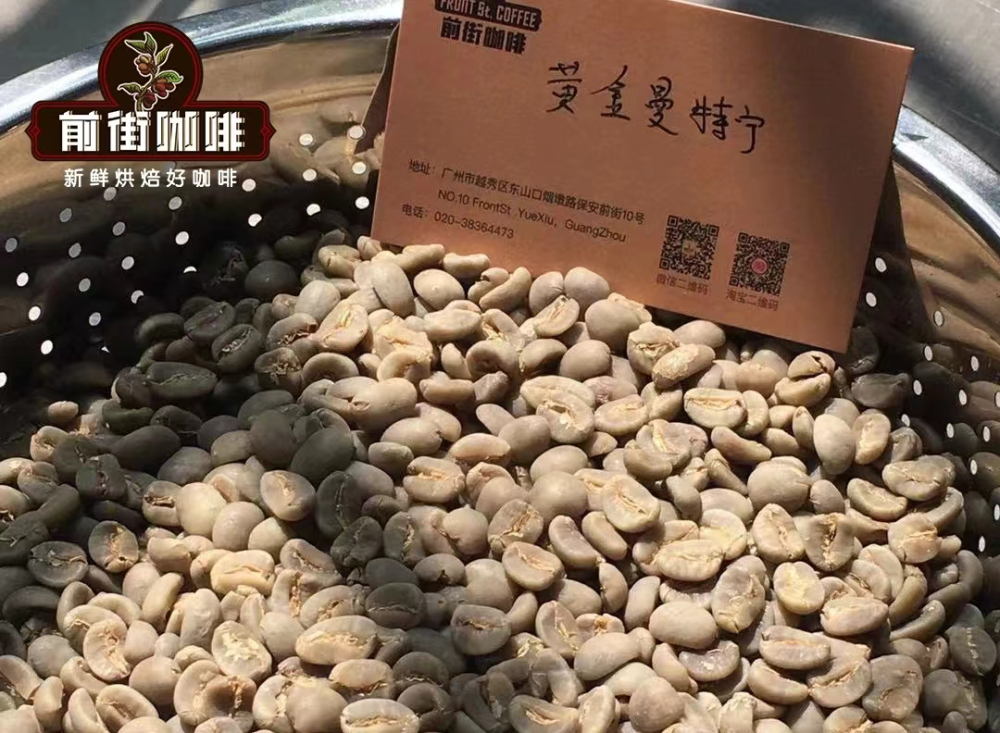
PWN buys Mandheling grown in Aceh and wet-hulls it. After processing, the green beans go through 1 machine selection + 3 manual hand selections so each lot meets Indonesia's top grade, G1.
Machine selection first screens out everything that must be 18 mesh or larger; the repeated hand selections then remove uneven, defective beans. Cutting the defect rate lifts the quality of the coffee substantially: because the beans are more uniform in size, they heat evenly through the roast, develop better, and build more sweet compounds — yielding a cleaner cup.
Such is the fame of Golden Mandheling that many carefully sorted beans are sold under its name. But Golden Mandheling is a registered trademark of PWN Company. To help buyers verify authenticity, PWN issues certification certificates — any first-hand buyer receives one, and the gunny sacks holding the green beans are printed with the company logo. At FrontStreet Coffee's offline stores you can see both the certificates and the sacks printed with the PWN logo.
Brewing Taste Description of Mandheling Coffee Beans
FrontStreet roasts both Mandhelings to a medium-dark level, stopping before the second crack, to let the coffee show its low acidity and rich body. The longer a coffee roasts, the more porous its structure becomes and the faster its soluble compounds release. FrontStreet therefore suggests grinding a bit coarser when brewing its Mandheling and avoiding overly hot water, to rein in late-stage extraction and keep bitterness down.
For drinks served in FrontStreet Coffee's stores, the drip parameters are: Dripper: KONO, Dose: 15 grams, Water-to-coffee ratio: 1:15, Grind size: 70% pass-through rate on China standard #20 sieve, Water temperature: 88°C.

The three-stage pour goes like this: first pour 30g of water for a 30s bloom; second, pour in small circles up to 125g and wait until the water level in the coffee bed drops to half before continuing; then keep pouring in small circles up to 225g. Once the bed has fully drained, total extraction time is about 2 minutes and 10 seconds.
FrontStreet Lintong Region Mandheling Brewing Flavor: rich herbal aroma on entry, dark chocolate and caramel, with a sweet finish.
FrontStreet-PWN Golden Mandheling Brewing Flavor: layered, rich, and clean overall; an intense nut and caramel aroma with chocolate notes, a persistent finish, and high balance.
FrontStreet Coffee Recommendation
Sumatra's rainy season overlaps with the coffee cherry harvest, which makes sun-drying nearly impossible — so growers there developed a regional method all their own: wet-hulling. Since the 1970s, this process has shaped Mandheling's unique profile. Growers strip the skin and pulp first and rinse the beans briefly; once the cherries reach a half-dry, half-wet state, machines remove the parchment entirely, exposing the green beans directly to the air to speed up drying. That exposure also absorbs wild yeasts and fungi from the air, which is where Mandheling's one-of-a-kind, untamed flavor comes from.
Among all Mandhelings, Golden Mandheling is the pick for detail-obsessed coffee lovers. FrontStreet Golden Mandheling comes from Indonesia's PWN Company, produced under exceptionally strict standards: starting from beans 18 mesh and larger, each 300-gram green coffee sample must contain fewer than 3 defective beans to meet the top G1 grade, followed by three rounds of hand sorting to remove every remaining defect — raising the cup's cleanliness and intensifying its sweetness. That rigor also means limited output and outstanding quality.
To taste the classic wild side of Mandheling, try FrontStreet Lintong Mandheling: mellow and intense, pleasantly bittersweet, with clove and woody aromatics, the low acidity of a medium-dark roast, spice and mint notes, and a strong, lasting, full sweetness.
For espresso lovers who have fallen for Mandheling, the most-reordered choice is the FrontStreet Classic Blend: deep-roast Mandheling layered over the creamy, nutty character of Brazilian coffee, with standout butter, roasted chestnut, and caramel flavors, plus sandalwood, herbal, and spice notes — and a touch of robusta added for richer crema, whether you're pouring latte art or a layered Dirty.
Important Notice :
FrontStreet Coffee is a long-established specialty coffee roaster in Guangzhou China, selling freshly roasted beans from its own farm in Yunnan as well as dozens of carefully selected single-origin beans from around the world for both pour-over and espresso. The products deliver consistently excellent quality and great value, with shipping within 24 hours. Guangzhou's FrontStreet Coffee shop is recommended by many coffee lovers, and the beans are now available online at the Tmall 。
FrontStreet Coffee has moved to a new address:
FrontStreet Coffee Address: 315,Donghua East Road,GuangZhou
Tel:020 38364473
 Scan and follow the En Gafei WeChat official account. Please indicate that the reprint comes from "En Gafei".