The Origin of Mandheling Coffee Beans and Introduction to Its Characteristics: How to Brew Indonesian Mandheling Coffee by Hand

Originating in Indonesia, Mandheling coffee is known for its distinctive aromatic profile of spice, herbs, and pine, combined with a rich, mellow taste. It is often called "the gentleman of coffees." Today FrontStreet Coffee introduces this singular bean and shares how to brew the classic Mandheling flavor.
Where the Name Mandheling Comes From
Unlike many coffees, the name Mandheling is tied to a long-standing story, and it stems largely from a mispronunciation by a local indigenous tribe in Indonesia.
During World War II, a Japanese soldier was drinking coffee at a shop in central Indonesia and asked the owner what kind of coffee it was. The owner thought he had been asked where he was from, and answered "Mandailing." After the war, when the soldier returned to Japan, he remembered the unusually flavored coffee as "Mandheling." In 1968 the Nomura Trading Company of Osaka, Japan, visited the Indonesian company N.V. Pawani Medan and imported 15,000 kilograms of Sumatran Mandheling, which became hugely popular in the Japanese market. From then on, both Mandheling coffee and the Pawani coffee company became widely famous.
Where Mandheling Coffee Is Produced
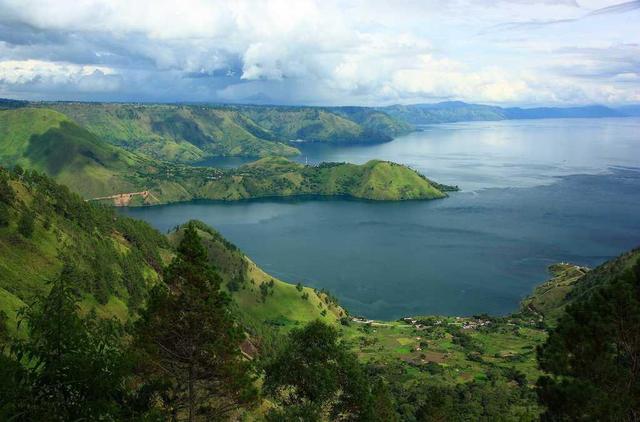
Indonesia grows mainly Robusta, with Arabica varieties accounting for less than one-tenth of production. Among them, Mandheling from Sumatra is the most famous, which is why it is also called Sumatran coffee. Traditionally, Sumatran Mandheling comes chiefly from the Lake Toba area in the Lintong production region of North Sumatra province and from the Lake Tawar area in the northernmost Aceh region.
The Lintong region near Lake Toba, Indonesia's largest volcanic lake, sits at an elevation between 1,000 and 1,500 meters. Volcanic ash soil lets the Mandheling here absorb more nutrients, and the tropical rainforest climate brings abundant rainfall, so the coffee trees grow vigorously without much irrigation or fertilizer.
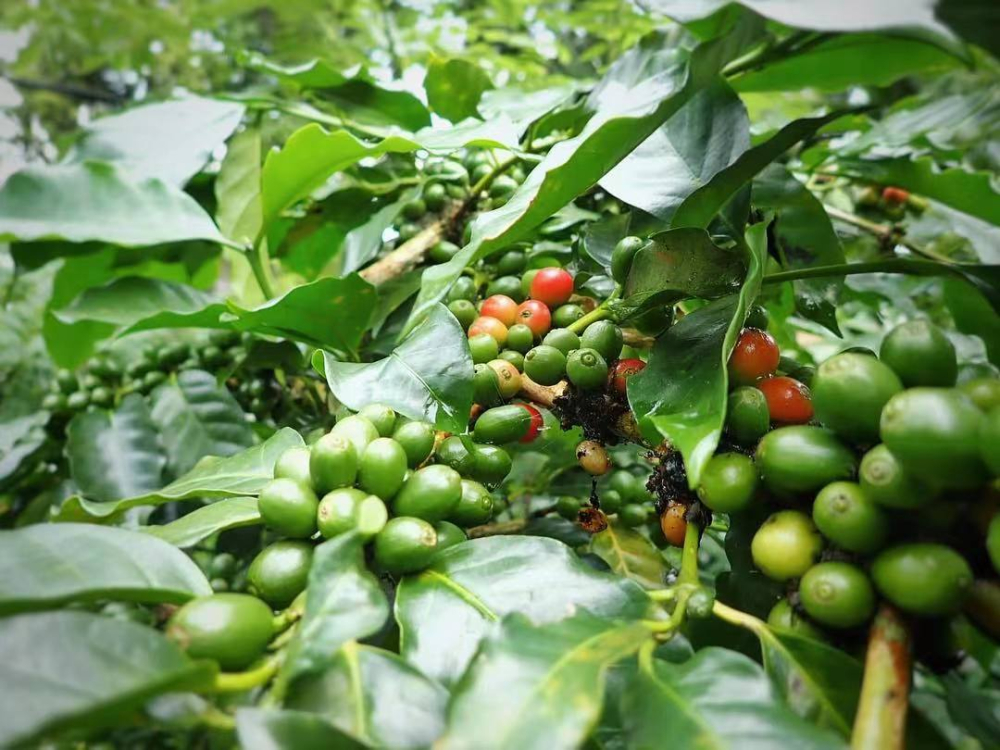
Aceh sits at the northernmost tip of Sumatra. Years of political instability held its coffee industry back relative to Lintong, but for that very reason more ancient original trees have survived, and local farmers use green organic methods, planting coffee on the slopes around the picturesque Lake Tawar.
The Wet Hulling Process
Sumatra lies near the equator and sees high temperatures, heavy rain, and frequent typhoons year round. It therefore cannot widely adopt the African natural drying method or the Central and South American washed method for green coffee. To prevent mold and spoilage during processing, locals shortened both the fermentation and the drying times considerably to suit the weather.
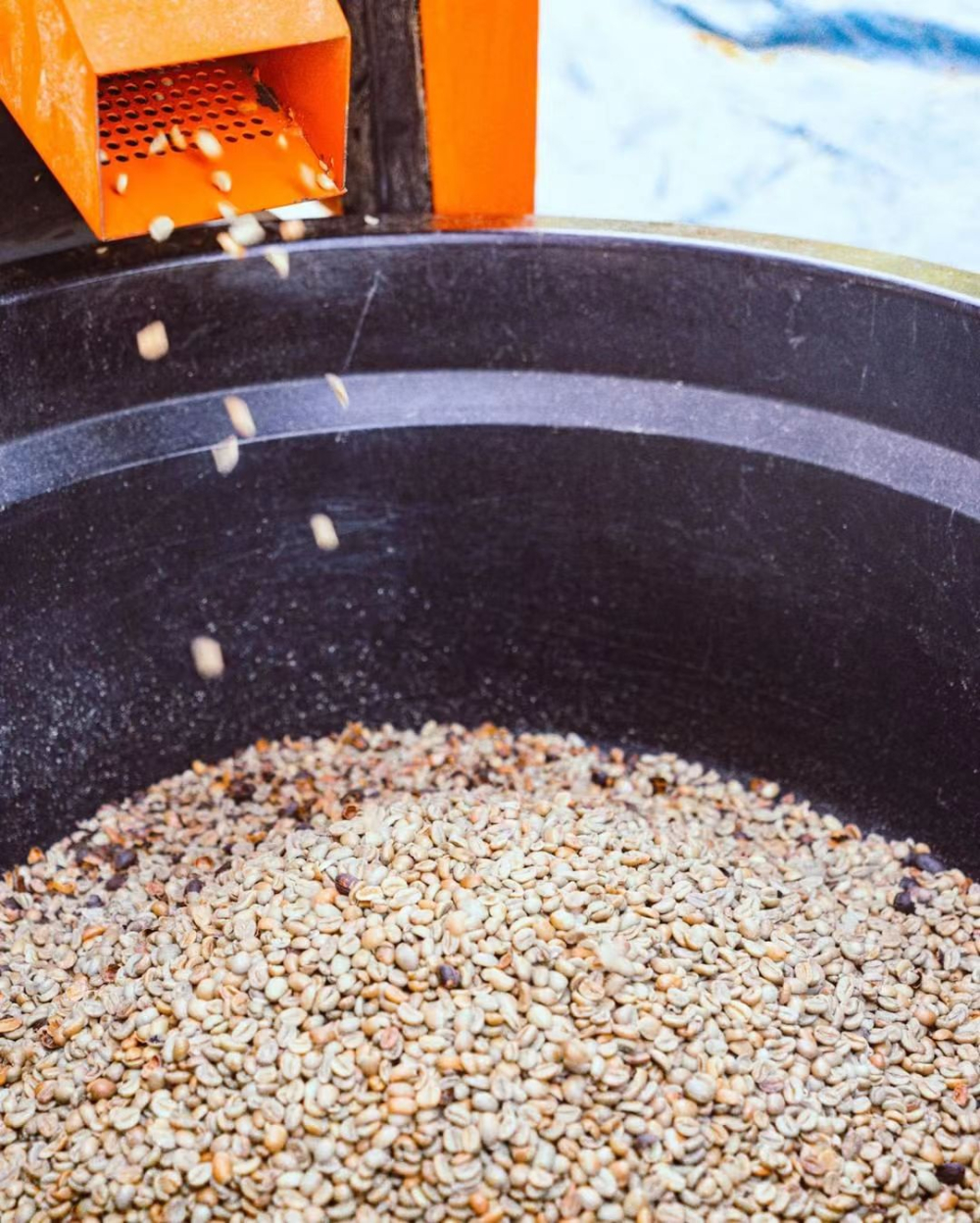
After the outer skin of the cherry is removed, the beans undergo a brief fermentation of several hours, followed by sun-drying. When the moisture content of the parchment coffee reaches 30-50%, the beans are still in a semi-dry state. Locals then use special hulling machines that rely on friction to remove the still-hard parchment layer, and finally continue drying the hulled beans to the standard moisture content. Because every step takes place in air that stays at 70-90% humidity, and the parchment has already been removed before the final drying stage, the exposed green beans readily absorb moisture from the air. That gives the resulting Mandheling coffee extra woody and herbal notes. FrontStreet Coffee believes this is the distinctive flavor characteristic of Sumatran Mandheling, which is why FrontStreet Coffee has added Lintong Mandheling to its high-value daily coffee range so that everyone can experience it.
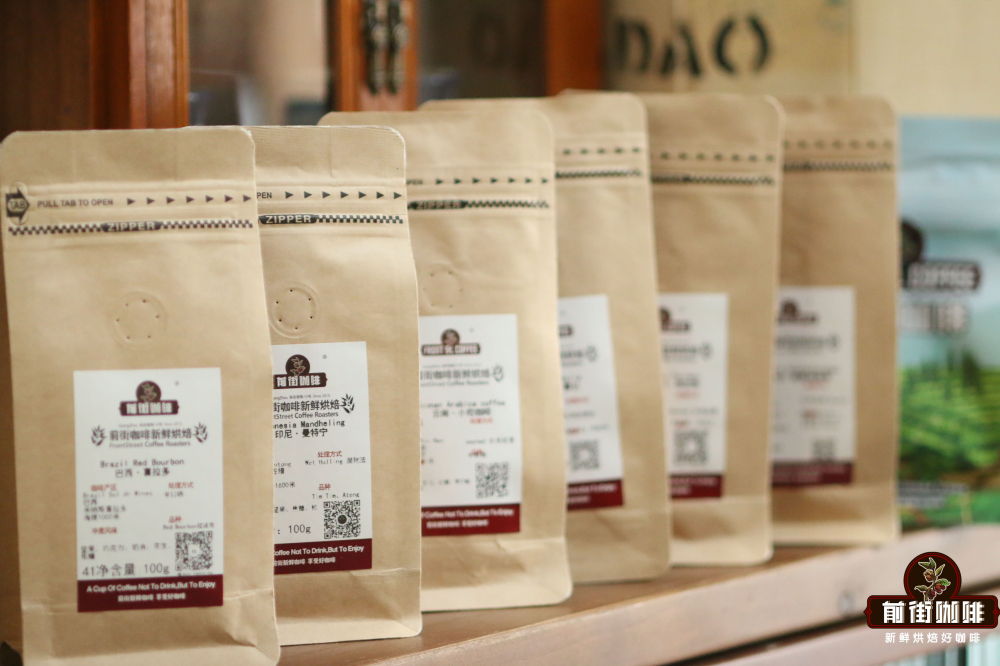
Premium Grade Mandheling: PWN Golden Mandheling
During wet hulling, green beans are easily compressed and deformed under strong force, and after the final high-temperature sun-drying stage the beans may crack on one side, creating what are commonly called elephant hoof beans. Wet hulling brings a unique flavor, but it also raises the defect rate, and those defective beans have to be removed to improve quality.
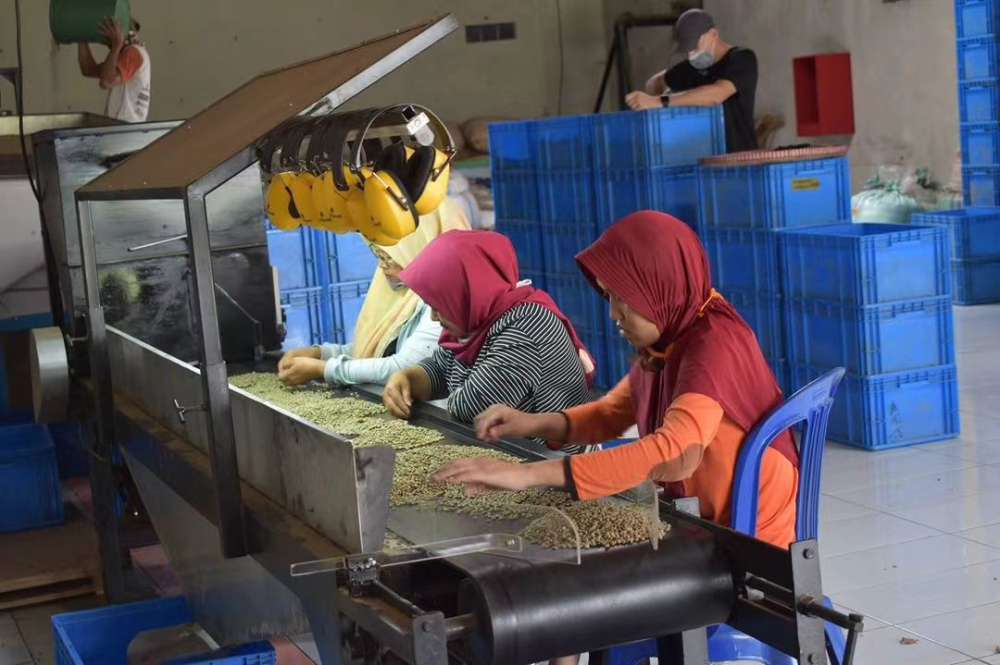
When the subject is high-quality Mandheling, one name must come up: the "golden" brand of Indonesia, Golden Mandheling. The well-known Indonesian green bean purchasing company PWN processes wet-hulled Mandheling green beans with one machine selection plus three rounds of hand selection, ensuring that every batch reaches Indonesia's highest grade, G1. The purpose of the machine selection is to screen out beans of 18 mesh and above first, followed by repeated hand selection to remove irregular, defective beans. Reducing the defect rate improves Mandheling quality markedly.
FrontStreet Coffee's bean selection often reserves this PWN Golden Mandheling for Mandheling fans, so that everyone can experience the refined classic Mandheling flavor.
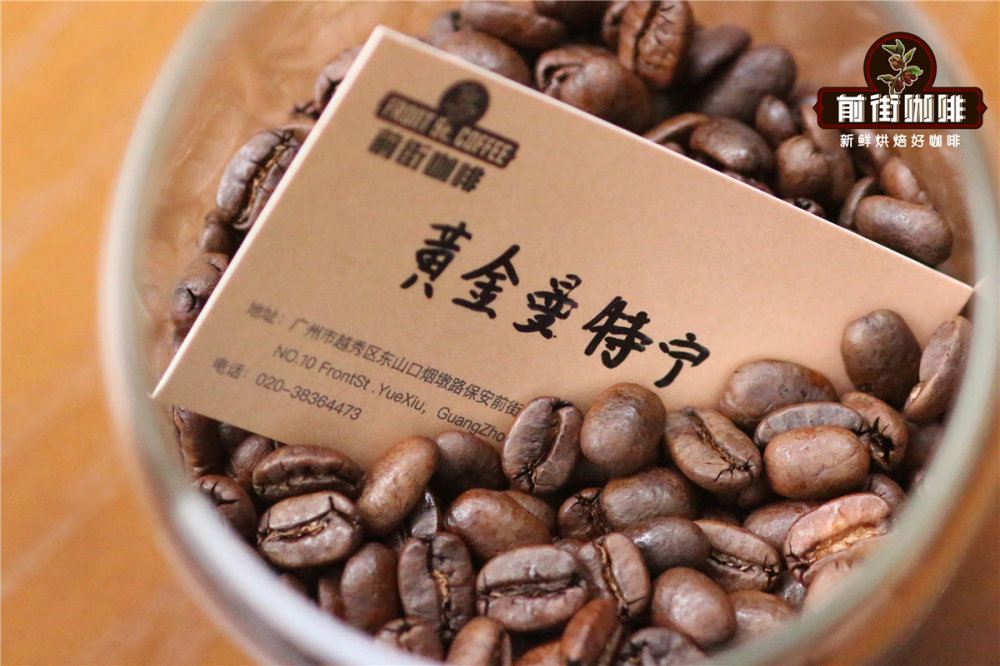
What Is the Classic Mandheling Flavor?
To highlight the body thickness of Golden Mandheling while preserving more herbal and spice notes, FrontStreet Coffee's roasters use a medium-dark roast. Freshly roasted Mandheling needs 7-10 days of degassing before it reaches its best flavor window. FrontStreet Coffee wants every customer to experience the full aroma of their coffee, so it ships only beans roasted within 5 days, ensuring the complete flavor period is still ahead of you when the bag arrives.
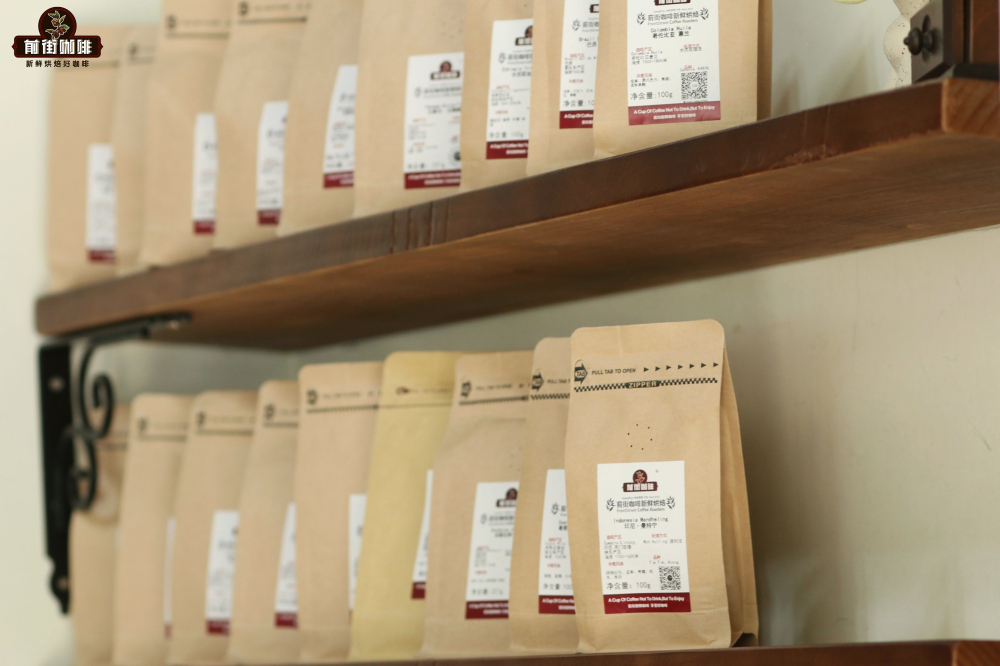
Roasted coffee beans expand and take on a loose texture, so after grinding they absorb more water and release their compounds more quickly. To avoid over-extraction, FrontStreet Coffee uses a medium grind and a slightly lower water temperature, which reduces the extraction of bitter large molecules.
For this brew, FrontStreet Coffee's barista aims to bring out the rich, clean, and aromatic character of Golden Mandheling and uses a KONO dripper. Although both are conical drippers, the KONO has far fewer ribs than the V60 and a smooth curved upper surface that lets the filter paper fit more closely. That restricts upward airflow and forces the hot water to flow only downward, creating a siphon-like extraction that releases more aromatic compounds from the grounds and heightens the full mouthfeel.
Golden Mandheling Pour-Over Parameters
Water temperature: 87-88°C
Medium grind, 70% pass-through rate on the China standard #20 sieve
Coffee: 15g
Coffee-to-water ratio: 1:15
Three-stage pour-over method
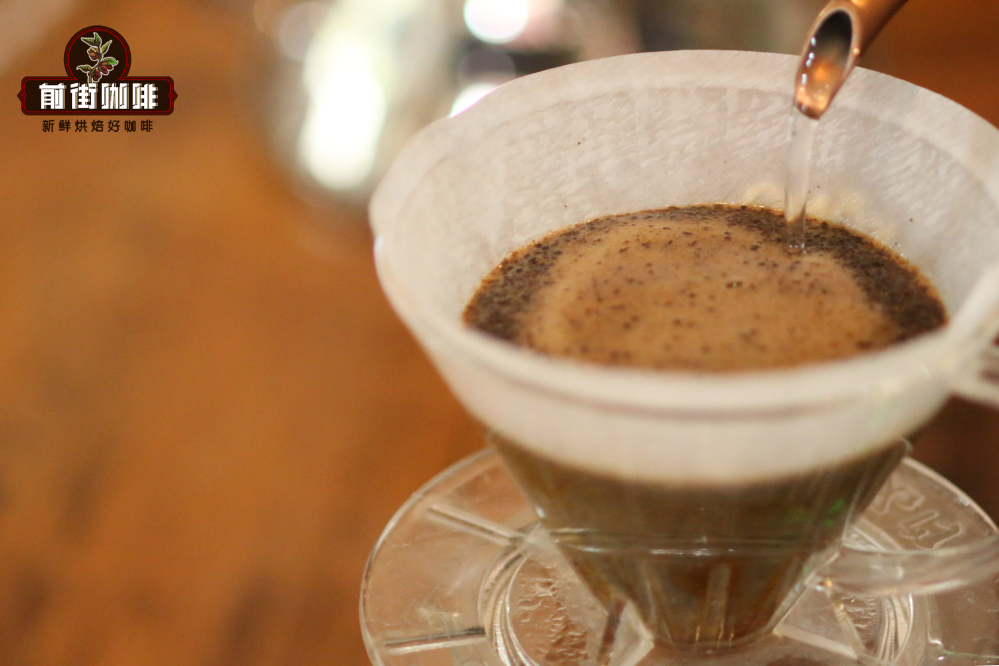
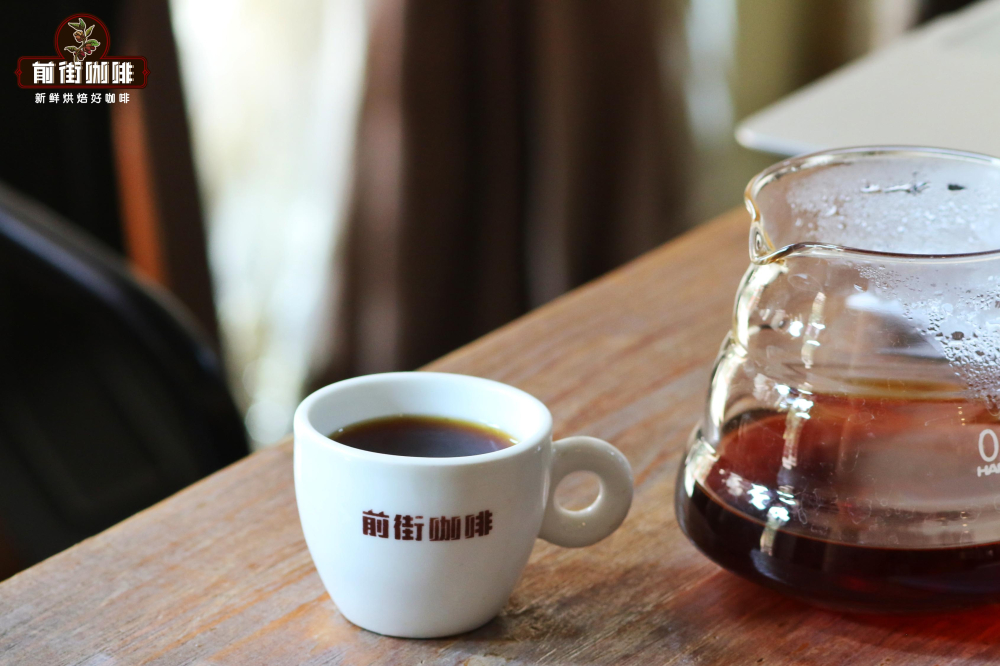
Use twice the weight of the coffee in water to moisten the bed, forming a dome, and let it bloom for 30 seconds. Then, with a fine stream, pour in circles from the inside out until you reach 125g for the first segment. Wait until the coffee bed drops to half the height of the dripper, then continue with the same fine stream for the third segment up to 225g. Remove the dripper once all the coffee has filtered through, which takes about 2 minutes. Finally, swirl the coffee in the pot to mix it before serving.
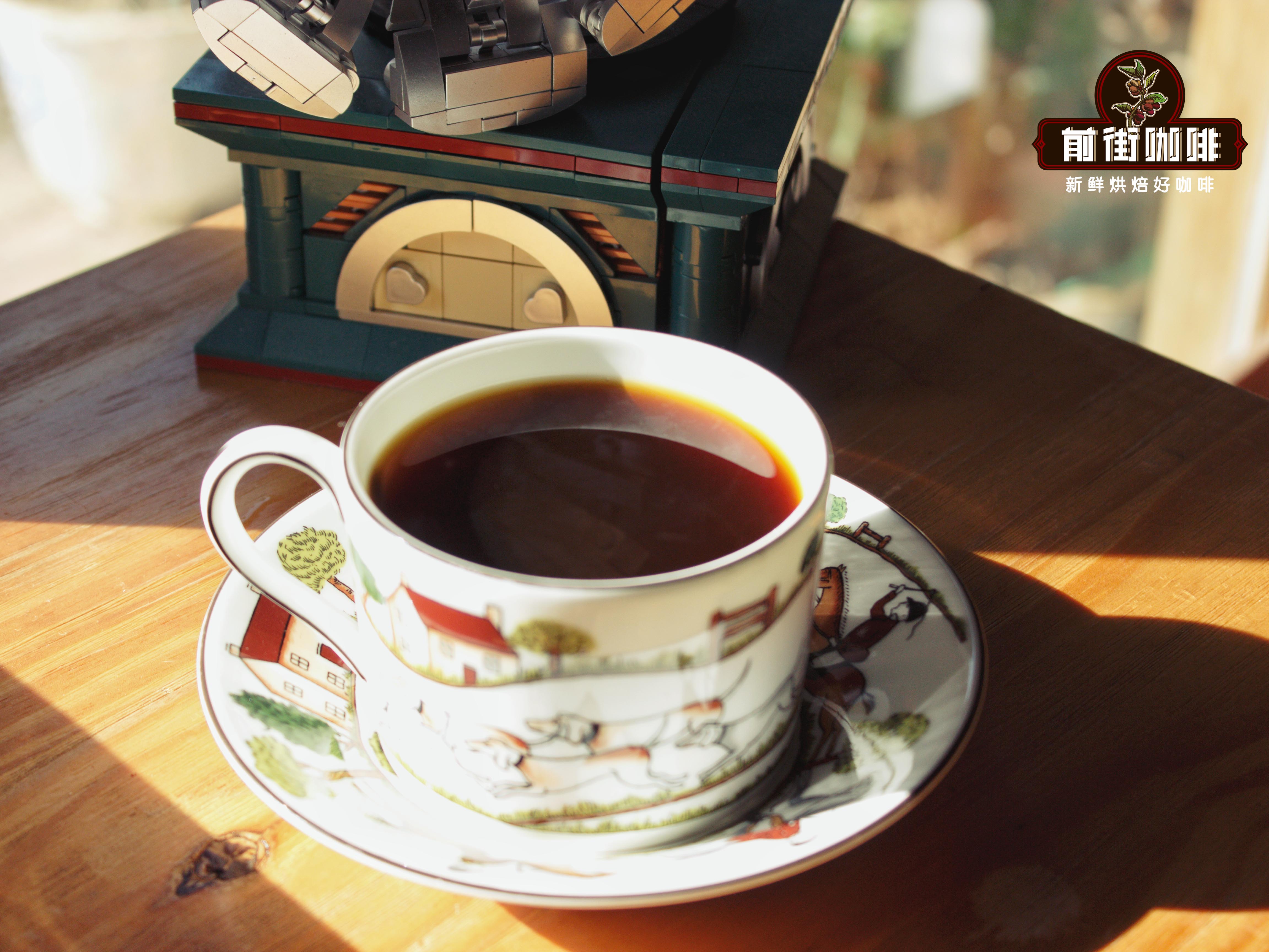
The hand-poured PWN Golden Mandheling shows complex layers, a rich, intense flavor, and a clean mouthfeel. It offers nutty and caramel aromas with chocolate notes, a lasting finish, and excellent balance.
FrontStreet Coffee Recommendation
If the wet-hulled character described here is what you are after, FrontStreet Coffee PWN Golden Mandheling is the highest expression of it. It comes from the PWN company, which starts with beans of 18 mesh and above and applies one machine pass plus three rounds of hand selection, bringing the defects in a 300g sample below three beans to hit the top G1 standard and eliminating flawed green beans entirely, which raises both the cleanliness of the cup and the intensity of its sweetness. The beans are uniform and plump, large and translucent, and after a medium-dark roast they carry a rich roasted aroma; the brewed black coffee has a clean mouthfeel and full body and suits anyone who dislikes acidic coffee.
For a more everyday take on the same region, FrontStreet Coffee Lintong Mandheling comes from the Lintong region on Sumatra and is also given a medium-dark roast, built to show black chocolate and caramel while keeping Mandheling's wild herbal edge. Both lots come from the same process: the parchment is stripped while the bean is still between 30-50% moisture, exposing the green bean to air that sits at 70-90% humidity, which is exactly what gives Mandheling its woody, herbal depth. Mandheling is one of the best-known coffees in the world and is also called Sumatra coffee, and unlike the fruit-forward acidity of African coffees it brings its own herbal, spice, and woody notes, which is why it is so often called the gentleman of coffees.
And when you want that body in an espresso drink, the FrontStreet Coffee Classic Blend adds a medium-dark Mandheling to a creamy, nutty Brazilian base, so butter, roasted chestnut, and caramel stand out while the Mandheling lifts the overall body and contributes sandalwood, herbal, and spice character. A small amount of Robusta is added to enrich the crema, which makes latte art or a layered Dirty easy to pour.
Important Notice :
FrontStreet Coffee is a long-established specialty coffee roaster in Guangzhou China, selling freshly roasted beans from its own farm in Yunnan as well as dozens of carefully selected single-origin beans from around the world for both pour-over and espresso. The products deliver consistently excellent quality and great value, with shipping within 24 hours. Guangzhou's FrontStreet Coffee shop is recommended by many coffee lovers, and the beans are now available online at the Tmall 。
FrontStreet Coffee has moved to a new address:
FrontStreet Coffee Address: 315,Donghua East Road,GuangZhou
Tel:020 38364473
 Scan and follow the En Gafei WeChat official account. Please indicate that the reprint comes from "En Gafei".