All Starbucks Coffee Beans and Their Introduction - 13 Types of Starbucks Coffee Beans and Their Quality Level
Starbucks currently sells 13 coffee beans on a regular basis, covering both single-origin beans and blends from different regions. They come from Yunnan and Indonesia in Asia, Guatemala and Colombia in Central and South America, and Ethiopia and Kenya in Africa. On top of that, Starbucks releases limited-edition single-origin beans for different holidays and events.
Introduction to Starbucks' 13 Coffee Beans
First: Colombia
Medium roast beans from the Latin America region, with nutty flavors. Some people might be surprised here: isn't coffee always bitter, something you can only drink with milk and sugar? Not at all. The beans themselves carry their own distinctive flavors.
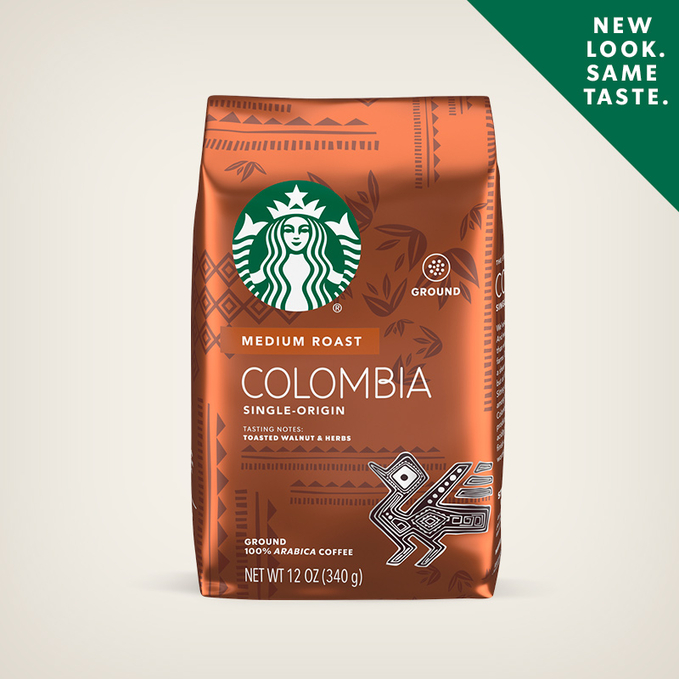
This was the bean my store manager hand-brewed for me during onboarding, walking me through the four steps of coffee tasting: smell, slurp, determine, describe. For small cups you can cover the rim; for large cups you can fan the aroma toward your nose. This bean's balanced acidity and body gave me a very comfortable feeling.
Second: Breakfast Blend
Medium roast beans from the Latin America region, with refreshing and lively flavors. This was the bean my mentor chose for a coffee tasting. It was morning, and this bean has strong acidity with low body, which can be described as refreshing, lively, and bright, with a hint of sweet aftertaste that adds vitality.

Third: Sumatra
Dark roast beans from the Asia/Pacific region, with long-lasting herbal flavors and earthy aromas. I was a little reluctant to try dark roast beans before, but once I actually tasted them, I found another wonderful experience.
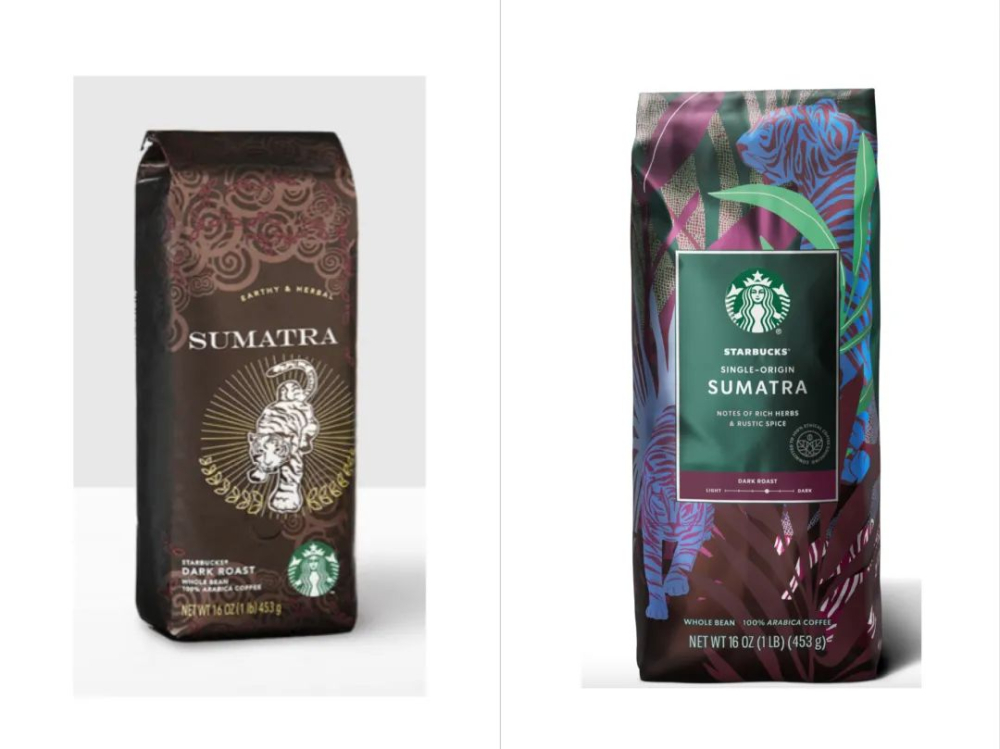
You might notice the packaging color differs from the previous two beans. Coffee beans have different roast levels, which also affects their flavors. Coffee-colored packaging means medium roast, where caramelization is well preserved, giving smoother, more balanced flavors. Nearly black packaging means dark roast, which makes the body richer and more intense.
Fourth: Kenya
Medium roast beans from the Africa region, rich in flavor with intense grapefruit and blackcurrant notes, high acidity, and full body. It is renowned overseas and quite favored by customers.

We can sum up the world's three main coffee-growing regions: Latin American beans have refreshing, lively acidity with nutty, cocoa, and subtle spice flavors; African beans are rich and juicy with floral, citrus, and berry notes; and Asia/Pacific beans are full-bodied with herbal and earthy aromas.
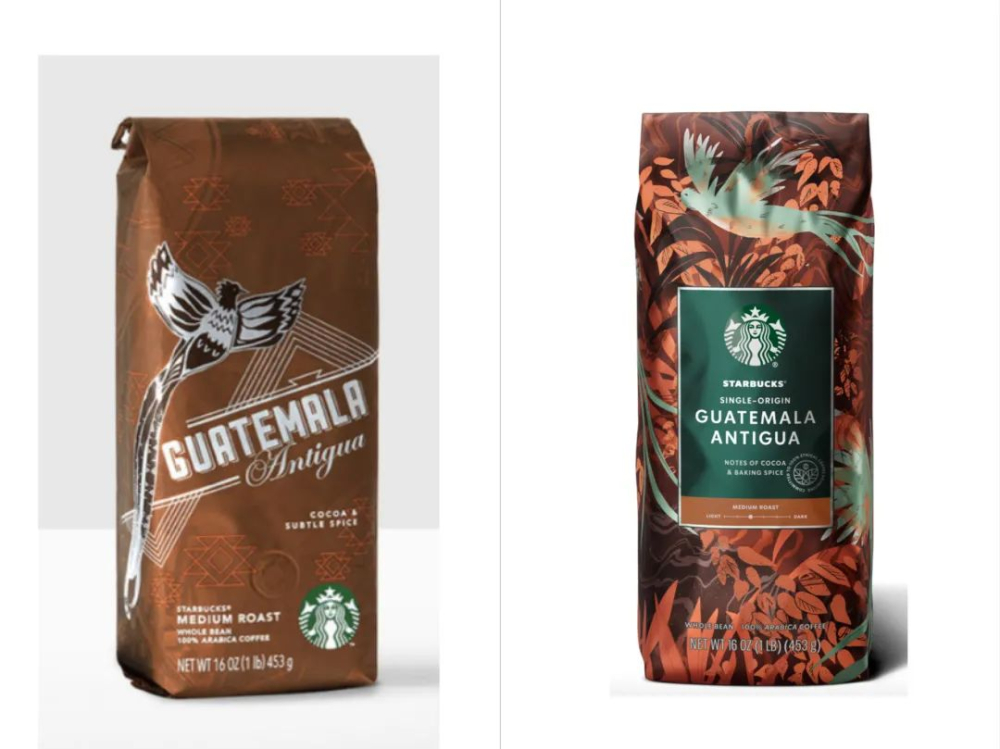
Fifth: Guatemala Antigua
Medium roast beans from the Latin America region, with cocoa and spice flavors. When you truly taste it, you can feel a smoky quality, which is its most distinctive characteristic.
Finally, let me introduce the four basic elements of coffee brewing: proportion, grind size, water, and freshness. It is recommended to use 10 g with 180 ml of water, a ratio of 1:18. Grind size determines the contact time between water and coffee; too fine and the brewed coffee turns too bitter. Generally grind at level 7 or 5, with 1 to 9 as the range, where larger numbers mean coarser particles. The water should be low-temperature, pure filtered water, ideally heated to between 90 and 96 degrees Celsius. Brewed coffee should not be left for more than 20 minutes, as it will turn bitter and lose its original flavors.
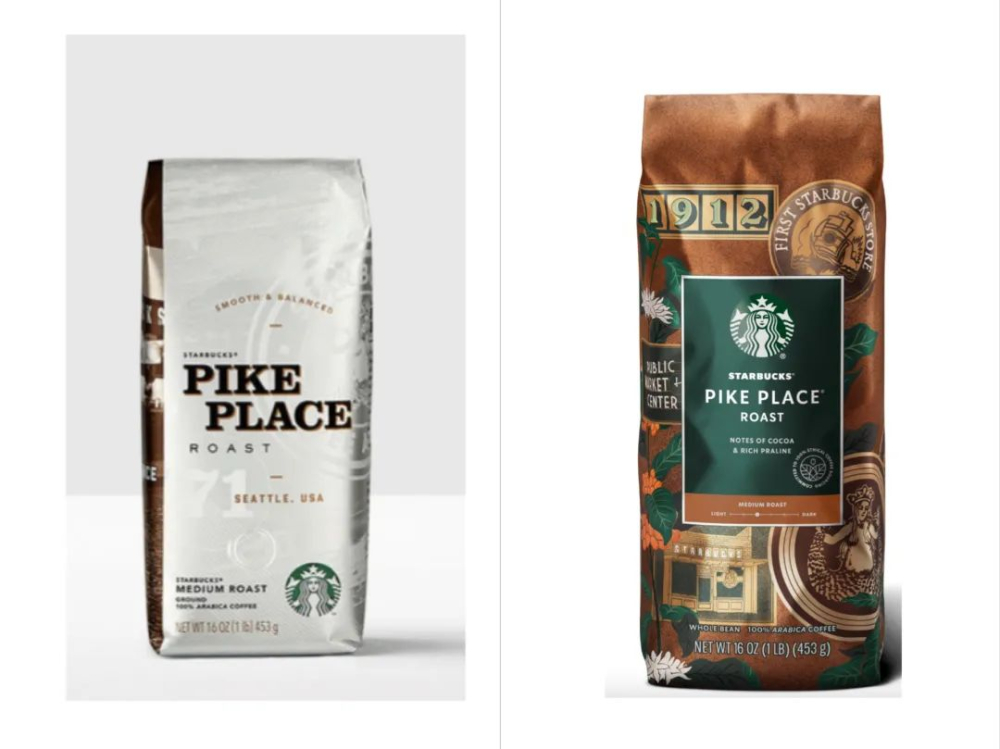
Sixth: Pike Place Roast
Medium roast from the Latin America region, washed process, medium body, medium acidity. It blends Latin American beans with subtle cocoa and roasted nut flavors. It was created in 2008 to commemorate Starbucks' first coffee store in Seattle's Pike Place Market, hence the special packaging.
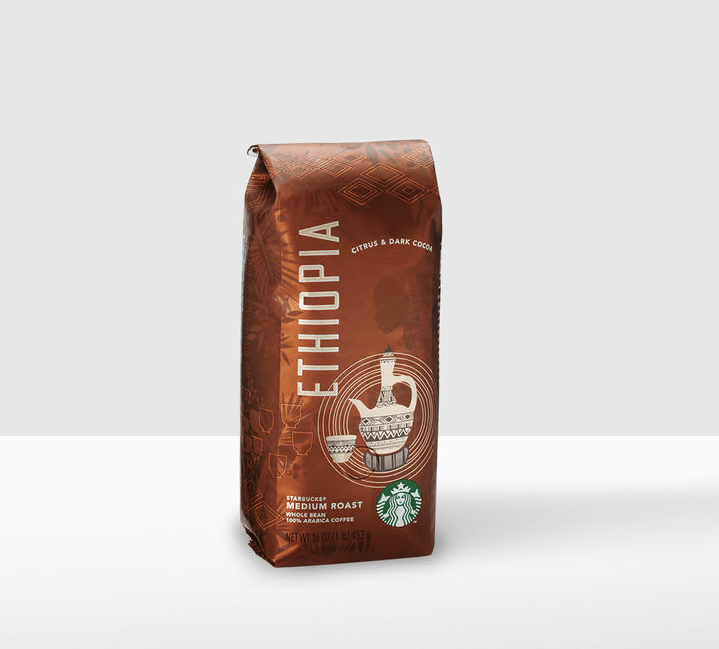
Seventh: Ethiopia
Medium roast from the Africa region, with dark cocoa and citrus flavors, washed process, medium body, high acidity.
Processing methods also shape the flavor of the beans. The washed process helps enhance a coffee's acidity and aroma, giving it a soft, refreshing quality and a clean aftertaste. Colombia, Breakfast Blend, Kenya, and Guatemala Antigua all use this method. There are also semi-washed and natural drying methods. The former highlights herbal, earthy flavors and a rich body; readers of the previous article will not have trouble guessing that Sumatra uses this processing method, known as wet-hulling. The latter gives coffee a dense, sweet fruit-and-floral character, with sun-dried Sidamo coffee using this approach.
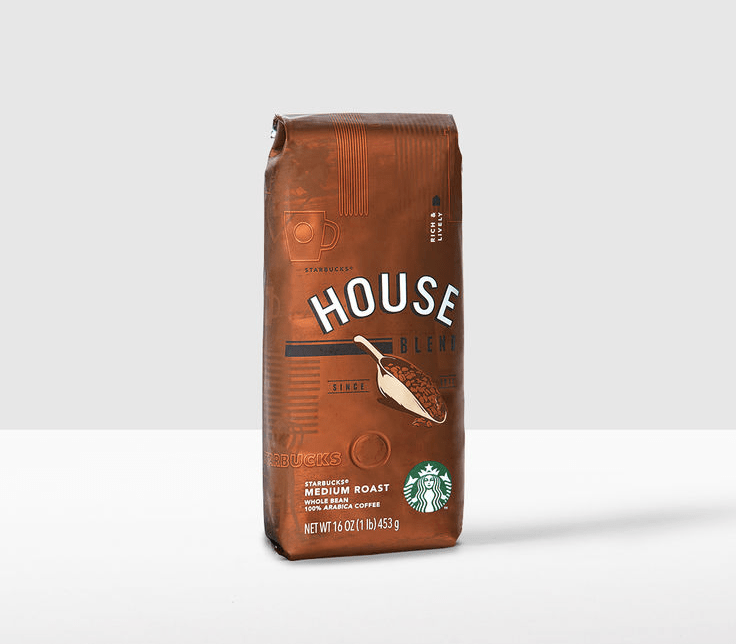
Eighth: House Blend
Medium roast, washed process, the first blend Starbucks launched in 1971, with medium body, medium acidity, rich and lively flavors, and roasted nut and cocoa-like aromas.
Ninth: Anniversary Blend
Washed and semi-washed process, specially created in 2009 to celebrate Starbucks' 10th anniversary in the Chinese market. It blends Asia/Pacific region and Yunnan coffee beans, with herbal flavors, low acidity, and medium body.

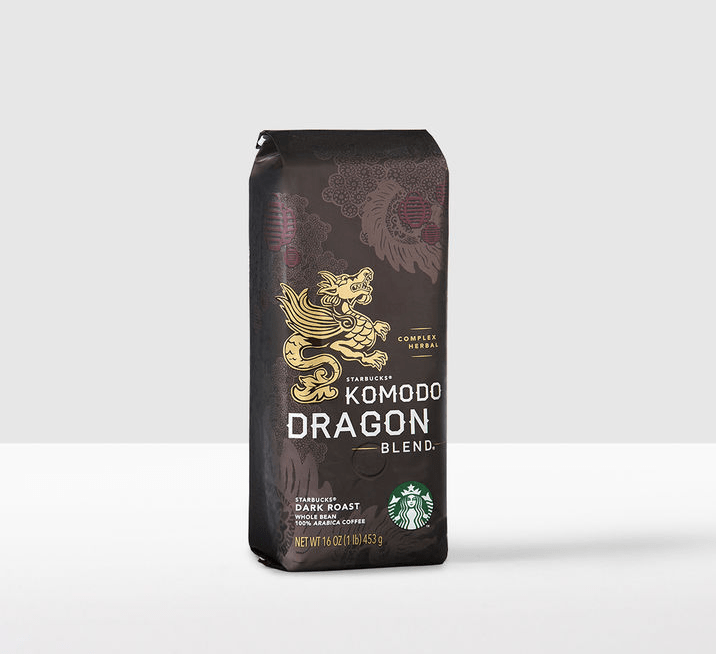
Tenth: Dragon Scale Blend
Dark roast from the Asia/Pacific region, washed and semi-washed process, with rich fresh herbal flavors and lingering spice notes, full body, low acidity, and (note this) low caffeine.
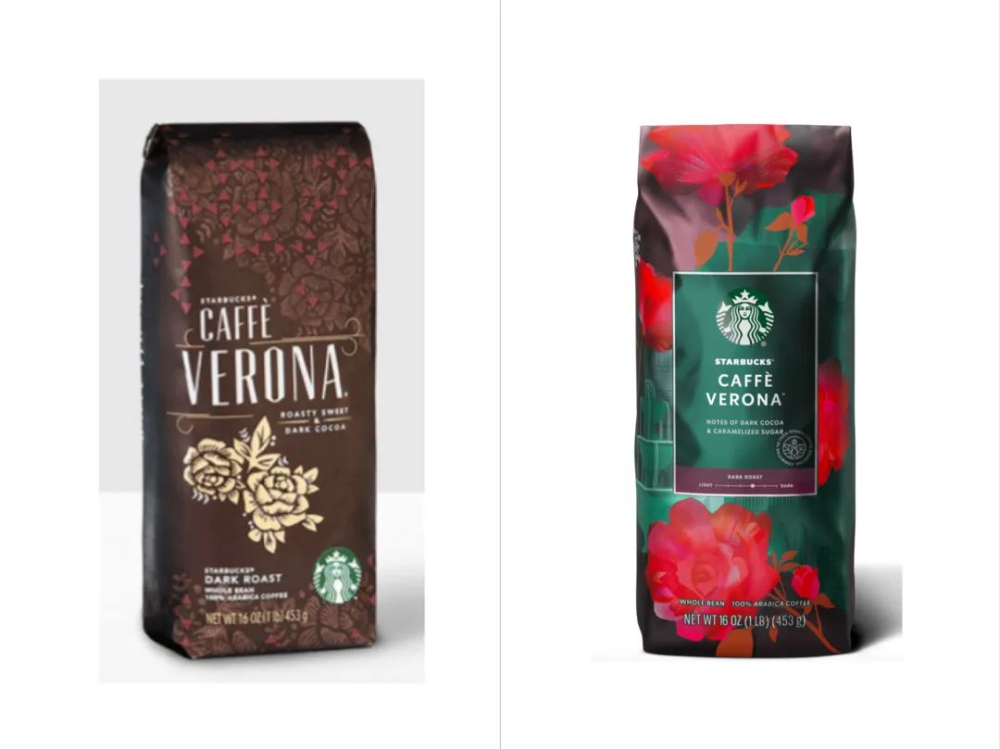
Eleventh: Verona
Dark roast from multiple regions, washed and semi-washed process, with roasted sweetness and dark cocoa flavors, full body, low acidity. This is a coffee bean full of love, with enhanced flavors when paired with dark chocolate.
Twelfth: Espresso Roast
From multiple regions, washed and semi-washed process, full body, medium acidity, rich caramel-like sweetness, the best match for steamed milk, and the bean used for espresso drinks in Starbucks stores.
Thirteenth: Italian Roast
From multiple regions, medium body, low acidity, recommended for drip brewing, and especially suitable with caramel-flavored desserts.
How to Brew Starbucks Coffee Beans?
- Pour coarsely ground coffee into the pot, 2 teaspoons (10 grams) for 180 milliliters of water.
- Pour in just-boiled water.
- Steep for 4 minutes.
- Slowly press the filter and pour out the coffee to drink.
When purchasing beans, have the store staff grind them. You may also want a measuring cup with markings or an electronic scale. Before brewing, fill the pot with hot water and then pour it out to warm the pot, and use your phone's stopwatch for timing. If you want to pair something with pastries, choosing chocolate-containing pastries is never a wrong move.
FrontStreet Coffee Recommendation
Starbucks' Anniversary Blend leans on Yunnan beans alongside Asia/Pacific coffee, and if that has you curious about Chinese coffee as a single origin, FrontStreet Coffee has you covered. The Yunnan Baoshan small-bean is washed and medium roasted, bringing soft nut and chocolate sweetness with a light plum acidity, which makes it the everyday introduction to Chinese Arabica. Coffee has been grown here since 1904, when the French missionary Tian Deneng carried Typica seeds from Vietnam into Yunnan, and the region's altitude, temperature, and rainfall still shape a cup that is honest and comforting rather than flashy.
For a clearer, more distinctive Yunnan flavor, the 2013 Yunnan Natural Typica is the step up. Grown on FrontStreet's own estate from the oldest and purest of Arabica varieties and processed with the traditional natural method, it is medium roasted for a heavier body with citrus and berry tones, a touch of fermented wine, caramel sweetness, and a creamy finish. If you would rather taste Yunnan inside an espresso blend, the Black Cacao blend combines Yunnan small-bean with Brazil Cerrado: Brazil supplies mixed-nut aroma and balance, Yunnan contributes chocolate and citrus, and the result is a balanced americano and a smooth, almond-and-cream latte.
Important Notice :
FrontStreet Coffee is a long-established specialty coffee roaster in Guangzhou China, selling freshly roasted beans from its own farm in Yunnan as well as dozens of carefully selected single-origin beans from around the world for both pour-over and espresso. The products deliver consistently excellent quality and great value, with shipping within 24 hours. Guangzhou's FrontStreet Coffee shop is recommended by many coffee lovers, and the beans are now available online at the Tmall 。
FrontStreet Coffee has moved to a new address:
FrontStreet Coffee Address: 315,Donghua East Road,GuangZhou
Tel:020 38364473
 Scan and follow the En Gafei WeChat official account. Please indicate that the reprint comes from "En Gafei".