Flavor Differences Between Golden Mandheling and Yirgacheffe Coffee Beans Introduction to Indonesian Mandheling Coffee Beans

Ask ten people which coffee tastes best and you'll get two camps: some love bright acidity, others want rich and full-bodied. Tastes differ, choices differ — and every coffee can be delicious. Customers often come to FrontStreet Coffee asking: what's the difference between Golden Mandheling and Yirgacheffe? Here's the short version. Golden Mandheling is Indonesian — an Asian bean. Asian coffees run rich and full-bodied, with pine and herbal notes. Yirgacheffe is Ethiopian — an African bean — floral and fruity, fresh and light. These two are on entirely different wavelengths.
There's also a pattern worth noting: Golden Mandheling drinkers skew male — Mandheling has a reputation as a gentleman's coffee — while Yirgacheffe drinkers skew female, favoring fresher, brighter profiles. Both are bestsellers at FrontStreet Coffee, so let's introduce them properly.
Yirgacheffe Coffee
Yirgacheffe is a premium coffee from Ethiopia and the country's flagship. At FrontStreet Coffee, washed Yirgacheffe is the best-selling item in our staple-bean lineup — you can tell how popular it is.
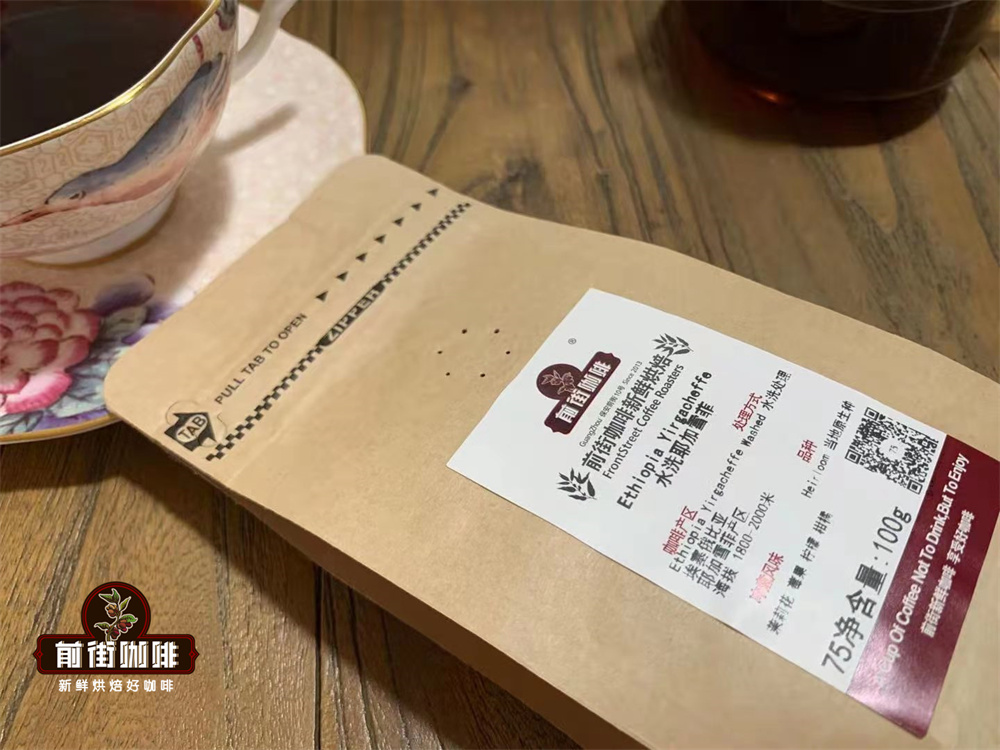
Ethiopia is the birthplace of coffee and its genetic treasury, with countless varieties and a vast gene bank — many varieties are still undocumented, which is why so many Ethiopian coffees are simply labeled "heirloom" or "native variety." Anyone who buys Yirgacheffe regularly notices the beans vary in size, some long, some round: they're heirloom varieties, mixed together at harvest.
Golden Mandheling Coffee
Sumatra is Indonesia's heartland for premium Arabica. When people say "Mandheling," they mean the Arabica grown around Lake Toba in central-northern Sumatra at 900-1200m, and around Aceh at the island's northern tip at 900-1600m. The suitable altitude and tropical rainforest climate keep the island's average temperature at 25-28°C with evenly distributed seasons and no true dry period — an excellent environment for coffee trees.

So what exactly is "Golden" Mandheling? The name suggests a grade above ordinary Mandheling — but FrontStreet Coffee will tell you: Golden Mandheling isn't a grade at all. It's a trademark of the Indonesian company P.W.N. (N.V. Pawani Medan, abbreviated PWN). Founded in 1957, PWN exports Indonesian goods — coffee, rubber, cinnamon, cloves, patchouli oil — and was the first company to export coffee from North Sumatra and the first to make "Mandheling coffee" famous in Japan. Since 1977 the company has focused on exporting premium beans: Sumatra Arabica Mandheling Grade 1 and Robusta AP-I Grade 2, mainly to Japan, Taiwan, and the United States, with Japan and Taiwan taking over 95% of exports. In both markets, "PWN" became synonymous with "quality guarantee."
The Golden Mandheling FrontStreet Coffee sells comes from PWN. After harvesting and drying, PWN Golden Mandheling goes through at least three rounds of pure manual selection to ensure beans of size 18 or above and fewer than 3 defects per 300g green sample — the highest G1 grade. PWN beans are dark green, uniform flat beans.
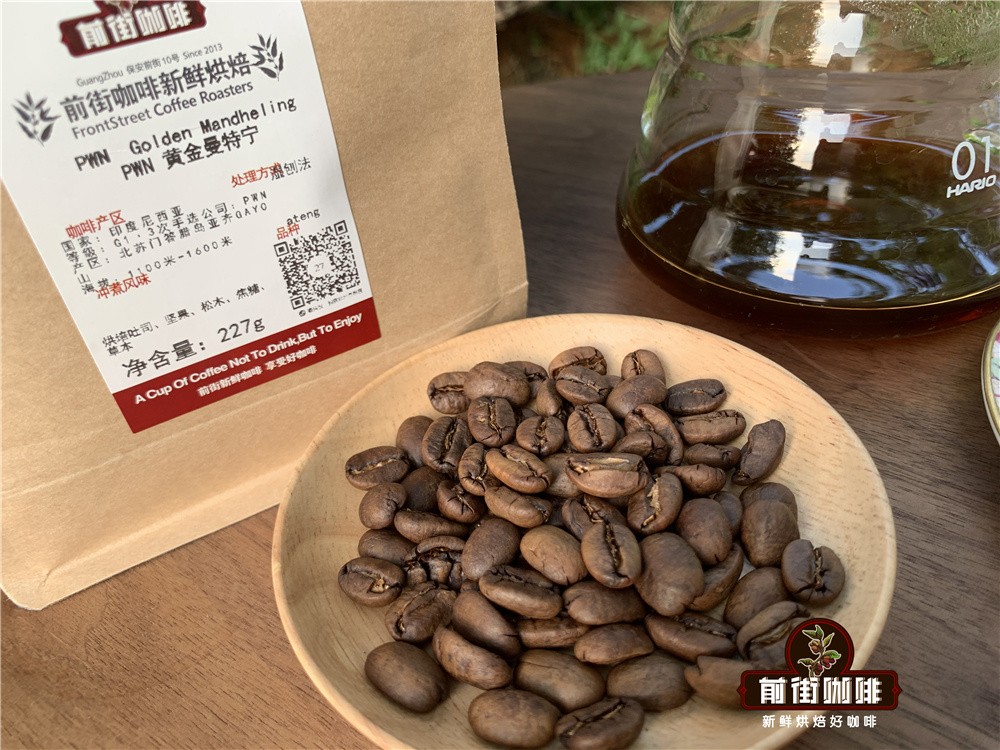
FrontStreet Coffee's new-season Golden Mandheling comes from the GAYO mountains of Aceh, North Sumatra. The variety is Ateng — an Arabica-Robusta hybrid widely planted across Sumatra and other Indonesian islands; Ateng is actually the local name for Catimor. Golden Mandheling carries stricter quality requirements: beans must reach size 19, full and uniform, then pass one machine selection plus three manual selections to hold the defect rate down.
Main Processing Methods for Ethiopian Yirgacheffe Coffee Beans
Washed Yirgacheffe is exactly what it sounds like. Yirgacheffe originally relied on natural processing, but people discovered that washing better showcases the coffee's bright acidity and cleaner, fresher taste — so washed now dominates, though natural remains widely used. Washed coffee tastes cleaner and represents the local character well, which is why nearly all FrontStreet staple beans are washed.

In washed processing, the screened cherries go into a depulper to remove skin and pulp. The beans, still coated in mucilage, are fermented in water for roughly 12-36 hours depending on local temperatures. After fermentation, the parchment beans are washed in flowing channels to strip remaining pulp and mucilage, then sun- or machine-dried to about 12% moisture, and finally hulled. FrontStreet Coffee notes the telltale of washed beans: the white silver-skin line retained along the center cut of the roasted bean.
Sumatra Golden Mandheling Coffee Bean Processing
Mandheling's unique flavor owes everything to its processing method — and as ever, processing follows climate. The local weather is relentlessly rainy and humid, making natural drying impossible. So farmers hull the beans wet: the wet-hulled method, and this accident of climate gives Mandheling its one-of-a-kind profile.

Wet-hulling starts like washed processing — fermentation, then partial drying — but removes the parchment by machine while the beans are still damp, followed by final drying. The beans go into storage smooth and bare. Golden Mandheling is processed the same way.
Roasting Differences Between Golden Mandheling and Yirgacheffe Coffee
Golden Mandheling is an Asian bean — high body, herbal notes. FrontStreet Coffee's roasters take it to a medium-dark roast to pursue that dense Asian-bean richness.
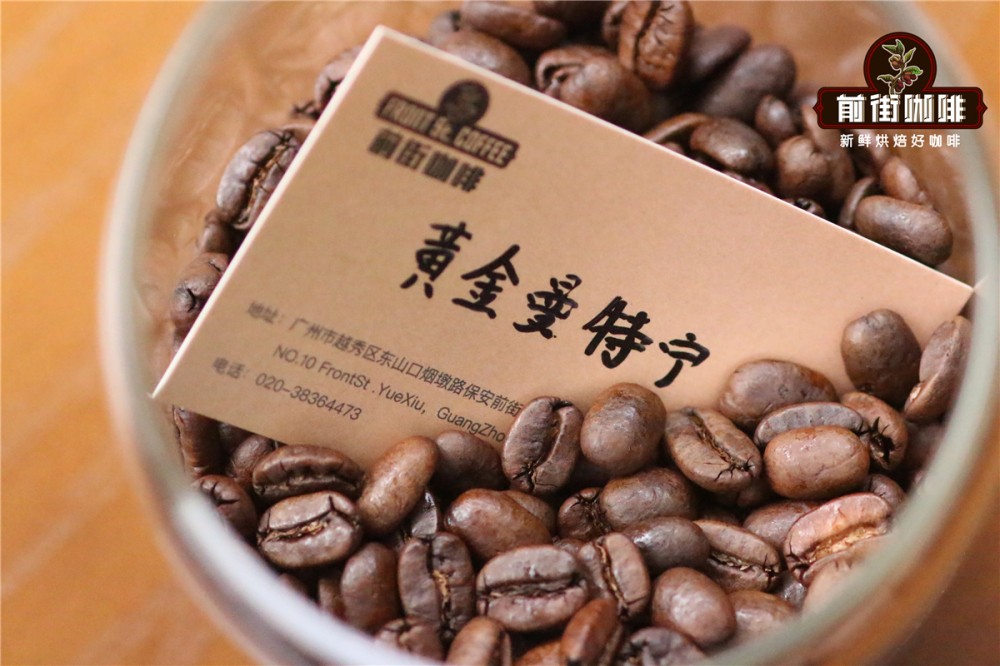
Universally loved Yirgacheffe is an African bean — lighter body but far greater aromatic intensity. Yirgacheffe carries the scent of small white flowers and citrus sweet-sourness. For roasting, FrontStreet Coffee's baristas use a light roast to spotlight the floral and fruit aromas. Yirgacheffe's green beans are Ethiopian heirloom varieties — a mix of round, long, and flat shapes — and count as small beans, which generally need shorter roast times because they don't tolerate long development.

As Indonesia's signature specialty, Golden Mandheling delivers herbal notes and rich dark chocolate aroma, a thick smooth mouthfeel, and a nutty sweet aftertaste — the finish is very sweet.
Yirgacheffe releases extraordinarily complex aromas and an outstanding, hard-to-describe taste. Light roasted, it reveals lemon, florals, and honeyed sweetness, soft fruit acidity, and citrus — fresh and bright. Take it black and let the texture and gentle florals wash over your palate; the aftertaste is endless.

FrontStreet Coffee Brewing Recommendations
For brewing, FrontStreet Coffee recommends freshly roasted beans to capture the coffee at its fullest. Everything we ship is roasted within 5 days — freshness drives flavor, and our roasting philosophy is "freshly roasted, good coffee." With a degassing window of roughly 4-7 days, coffee arrives at peak flavor.

All of this presumes fresh beans. If you'd rather have FrontStreet Coffee grind for you, that's fine too — but a reminder: pre-ground coffee doesn't need degassing, because the CO2 pressure inside the packaging during transit mellows the coffee, and you can brew immediately on arrival. Ground coffee should, however, be brewed promptly — exposed to air it oxidizes quickly and the flavor dissipates. So for the best experience, buy whole beans and grind fresh.

FrontStreet Coffee's Yirgacheffe Brewing Parameters:
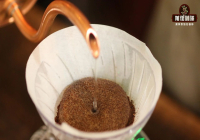
To draw out the layered character of Ethiopian beans, FrontStreet Coffee uses higher water temperature and a finer grind — balanced by a fast-flowing dripper, the V60, to avoid over-extraction. The V60's 60° cone funnels the grounds toward the center; during pouring, the flow converges on the middle automatically, ensuring sufficient water-coffee contact time. The spiral ribs inside run clockwise from bottom to top, holding the filter paper off the walls for good airflow, and the large bottom hole makes the drawdown faster than most drippers.
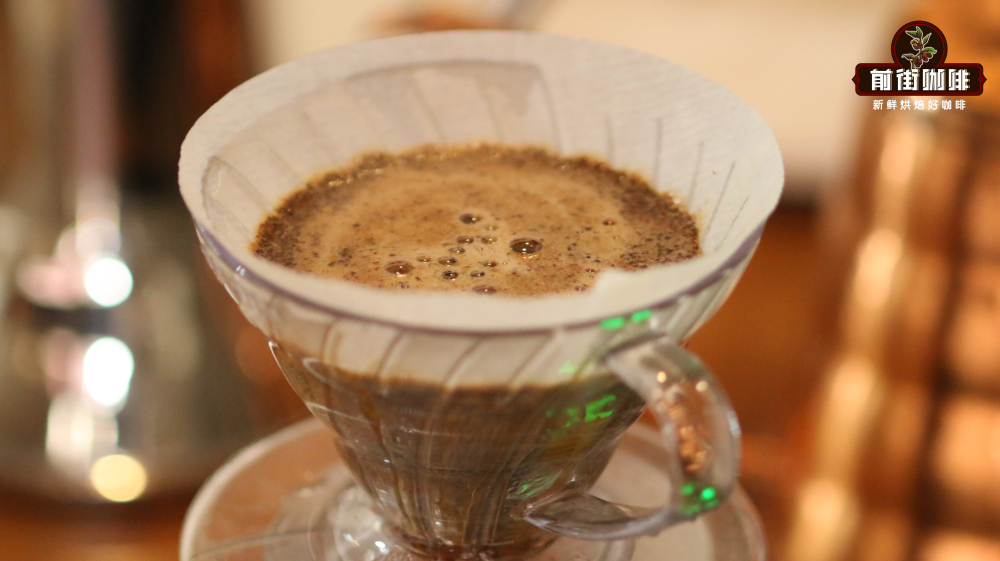
Dripper: Hario V60, Water temperature: 90°C, Coffee amount: 15g, Coffee-to-water ratio: 1:15, Grind size: medium-fine (80% pass on the Chinese standard #20 sieve).
FrontStreet Coffee's Golden Mandheling Brewing Parameters:
To showcase Mandheling's richness, FrontStreet Coffee chooses the Kono dripper. The Kono has few ribs, mostly near the bottom, and the filter paper fits flush against the wall — restricting airflow and lengthening water-coffee contact so the grounds extract fully and the cup turns richer.
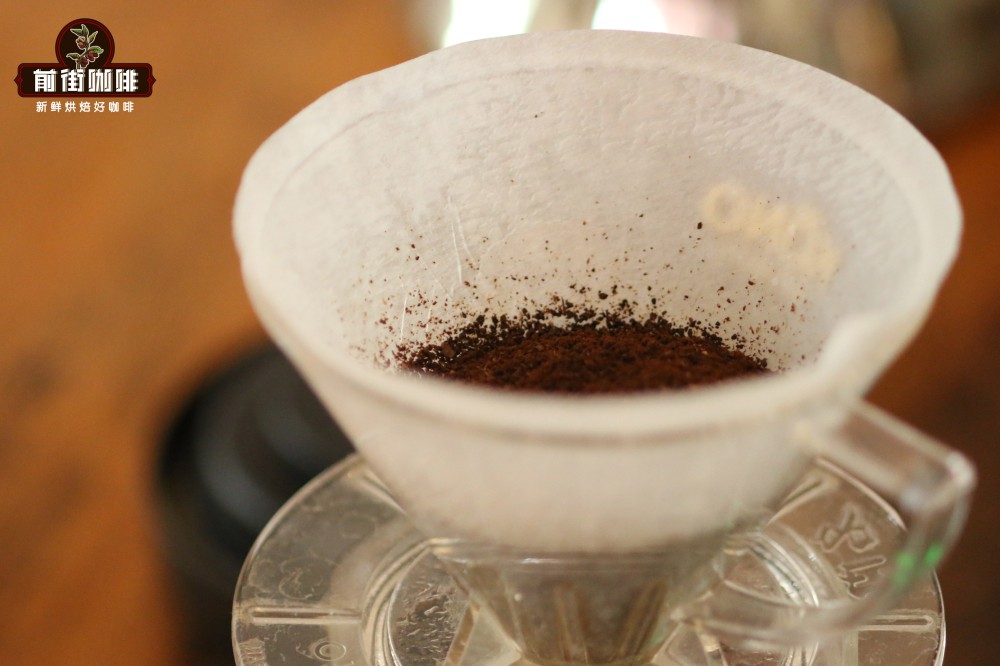
Water temperature: 88°C, Coffee amount: 15g, Coffee-to-water ratio: 1:15, Grind size: medium-fine (70% pass on the #20 sieve).
[Washed Yirgacheffe Coffee Flavor]: brighter, livelier acidity; lemon acidity and citrus aroma; fresh, clean taste with a black-tea sensation in the finish.
[PWN Golden Mandheling Coffee Bean Flavor]: varied layers, rich and clean, intense nut and caramel aromas, chocolate notes, persistent finish, high balance.
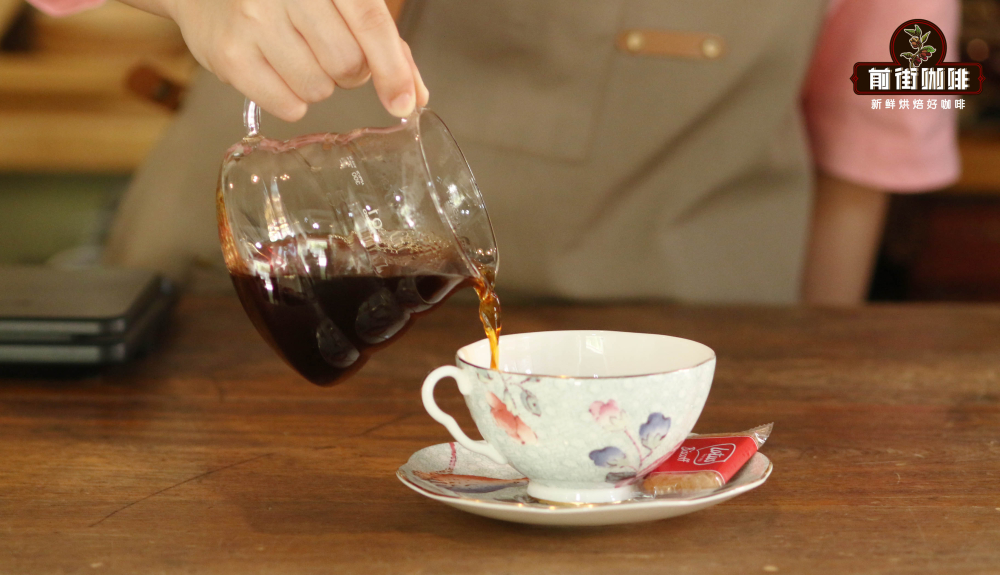
FrontStreet Coffee carries over fifty different single origins from producing countries and regions around the world, in every flavor style — come taste them all.
FrontStreet Coffee Recommendation
Want to taste the Yirgacheffe side of this comparison at home? Start with the FrontStreet washed Yirgacheffe daily bean — the classic gateway to Ethiopian coffee, famous for white jasmine, bright citrus and lemon acidity, and a tea-like finish. Roasted medium-light and priced for daily drinking, it's the bean most newcomers fall in love with first; FrontStreet brews it on a V60 at 90°C, 15g of coffee, 1:15.
Ready for a step up? The FrontStreet Guodingding Cooperative coffee, from Worka at Yirgacheffe's southeastern edge, is washed the traditional way and shows none of the old bitterness: crisp citrus and lemon acidity under elegant white-floral fragrance. And if the natural side of Ethiopia appeals to you, the FrontStreet natural Red Cherry — fully ripe cherries, sun-dried three to five weeks and turned every 2-3 hours at the start — layers citrus acidity and berry juiciness over honeyed sweetness and a cream-smooth texture.
Important Notice :
FrontStreet Coffee is a long-established specialty coffee roaster in Guangzhou China, selling freshly roasted beans from its own farm in Yunnan as well as dozens of carefully selected single-origin beans from around the world for both pour-over and espresso. The products deliver consistently excellent quality and great value, with shipping within 24 hours. Guangzhou's FrontStreet Coffee shop is recommended by many coffee lovers, and the beans are now available online at the Tmall 。
FrontStreet Coffee has moved to a new address:
FrontStreet Coffee Address: 315,Donghua East Road,GuangZhou
Tel:020 38364473
 Scan and follow the En Gafei WeChat official account. Please indicate that the reprint comes from "En Gafei".