How to Brew Yirgacheffe Coffee Without Sourness - Yirgacheffe Coffee Bean Brewing Parameters Guide
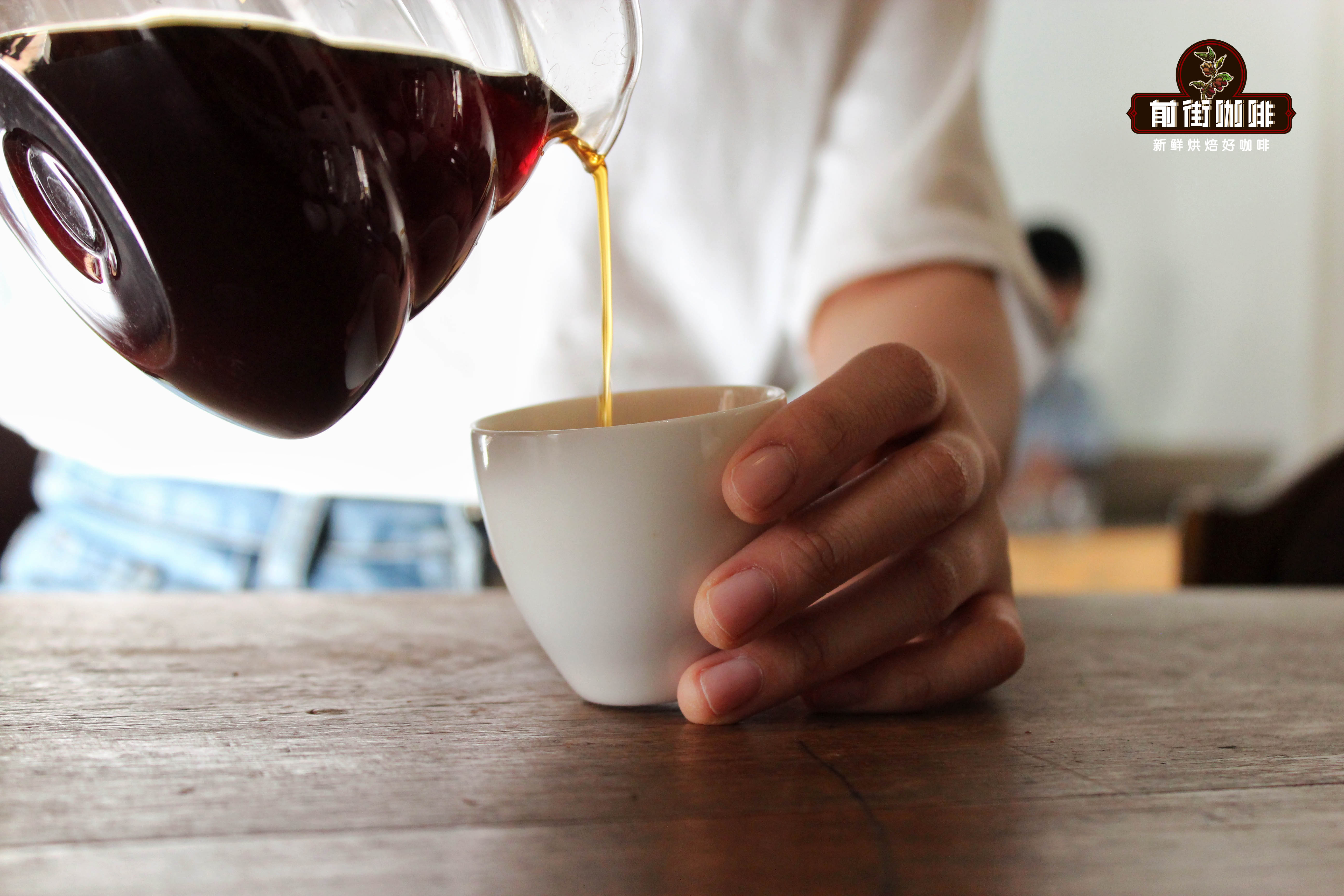
Yirgacheffe coffee is bright, delicate, and rich in floral and fruity notes, which is why so many drinkers treat it as their introduction to single-origin coffee. It suits pour-over, cold drip, and other gentle extraction methods particularly well. Yet some friends say they cannot reproduce at home the fragrance they taste in a cafe, and the acidity never seems as crisp and refreshing. They wrote to FrontStreet Coffee for answers, and this article addresses exactly that question.
Yirgacheffe: A Medium-Light Roast Coffee
The signature Yirgacheffe profile shows elegant citrus, lemon, and berry notes with rich floral aromas and a clear tea-like sensation that lingers. To express such refined flavors and textures, excellent growing conditions, variety, and processing, along with roasting and brewing, are all indispensable.
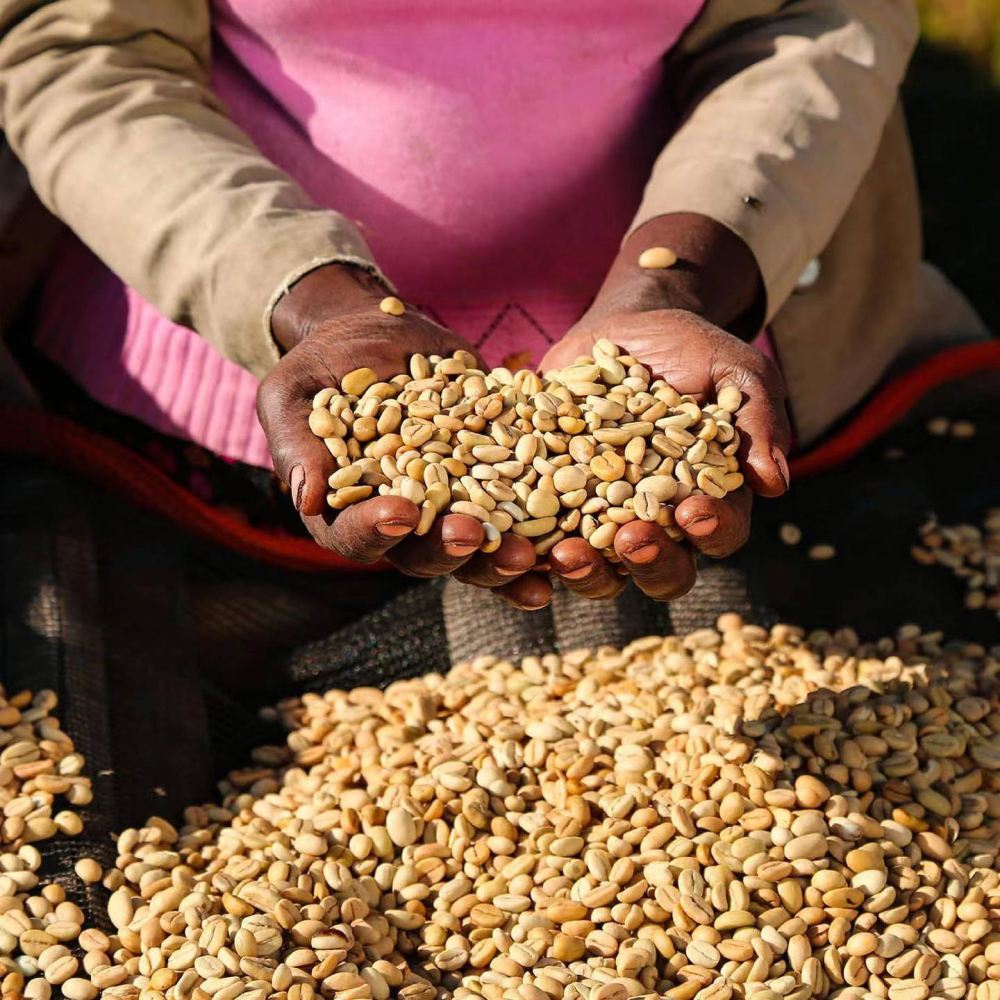
Ethiopia, on the African continent, has underdeveloped water resources, so it traditionally used the ancient natural drying method for green beans, drying them directly in sunlight. Rough handling once kept coffee quality low. Only in 1972 did Ethiopia introduce washed processing technology and equipment from Central and South America to raise bean quality. Unlike other producing regions, Yirgacheffe is a wetland area better suited to washed processing.
What Is the Washed Method?
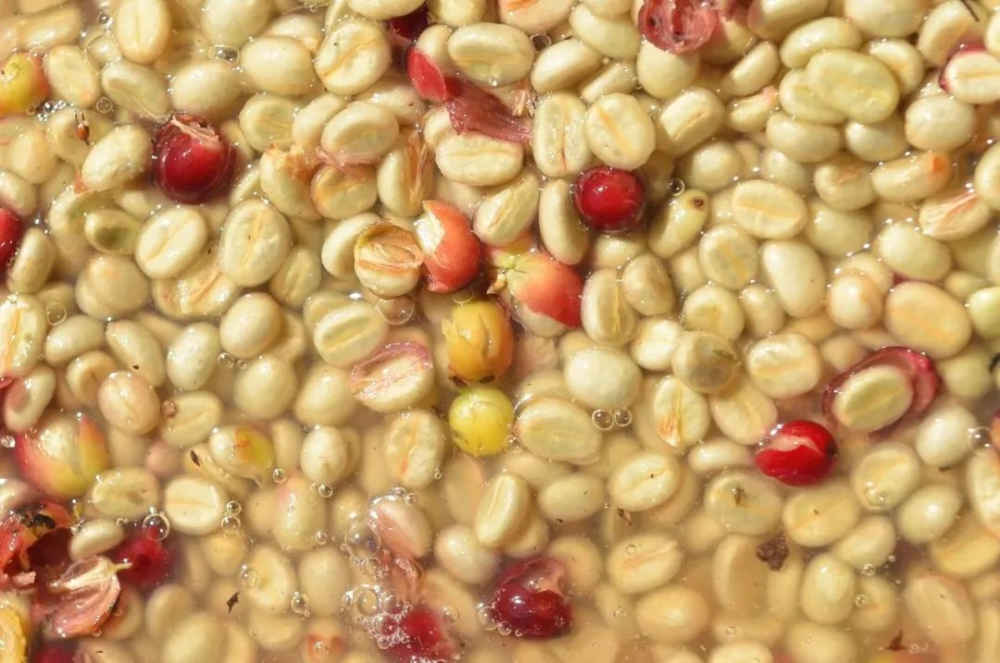
Production areas using the washed method must build washing pools that can introduce a continuous supply of fresh water, which raises production costs. During processing, fermented beans are placed in the pool and moved back and forth, using the friction between beans and the power of flowing water to wash them until smooth and clean. Across the washing steps, several stages of removing defective beans cut the defect rate sharply, giving higher cleanliness and clearer, more transparent inherent aromas. This also amplifies the citrus and lemon notes native to Yirgacheffe beans, making the cup fresher and brighter.
For years, most coffee people drank was dominated by bitter, burnt flavors. Coffee's bitterness comes mainly from roasters deep-roasting the beans, with nuts and dark chocolate as the leading notes. Because Yirgacheffe beans are small, deep roasting easily heats them unevenly or even burns them, so roasters prefer medium-light roasting. To their surprise, lightly roasted Yirgacheffe not only showed an uplifting acidity but also a highly distinctive fruitiness, essentially opening "the new era of fruity, acidic coffee." Preferring sweetness and avoiding bitterness happens to match public taste, which is why Yirgacheffe is so popular worldwide.
FrontStreet Coffee wants everyone to taste the classic Yirgacheffe profile, so every Yirgacheffe on its menu is roasted medium-light. Here, FrontStreet Coffee uses washed beans from the Gedeb cooperative to show how to brew classic Yirgacheffe flavors.
Yirgacheffe Brewing Parameters
- Dripper: V60
- Water Temperature: 92-93°C
- Coffee Dose: 15g
- Coffee-to-Water Ratio: 1:15
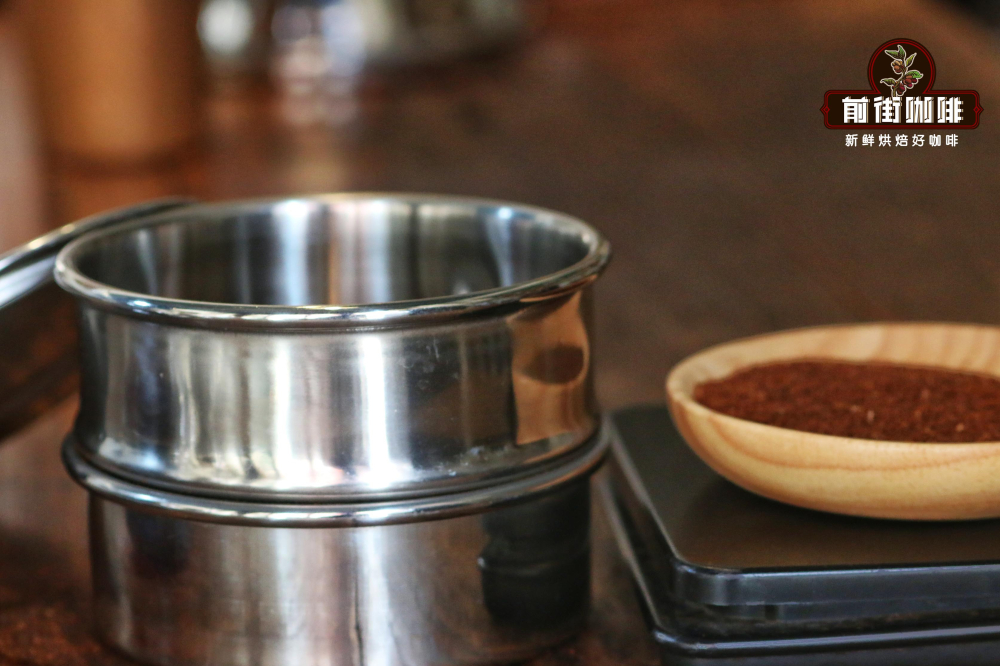
- Grind Size: Fine sugar size (78% retention on #20 sieve)
- Pouring Method: Three-stage pour
Because Yirgacheffe beans grow at high altitude and have a harder texture, FrontStreet Coffee uses 92-93°C water to release more floral and fruit notes. FrontStreet Coffee recommends a medium-fine grind (78% pass-through on the Chinese standard #20 sieve). Too coarse a grind will not extract enough body and yields a thin cup; too fine a grind easily over-extracts at high temperature, producing bitter, astringent coffee.
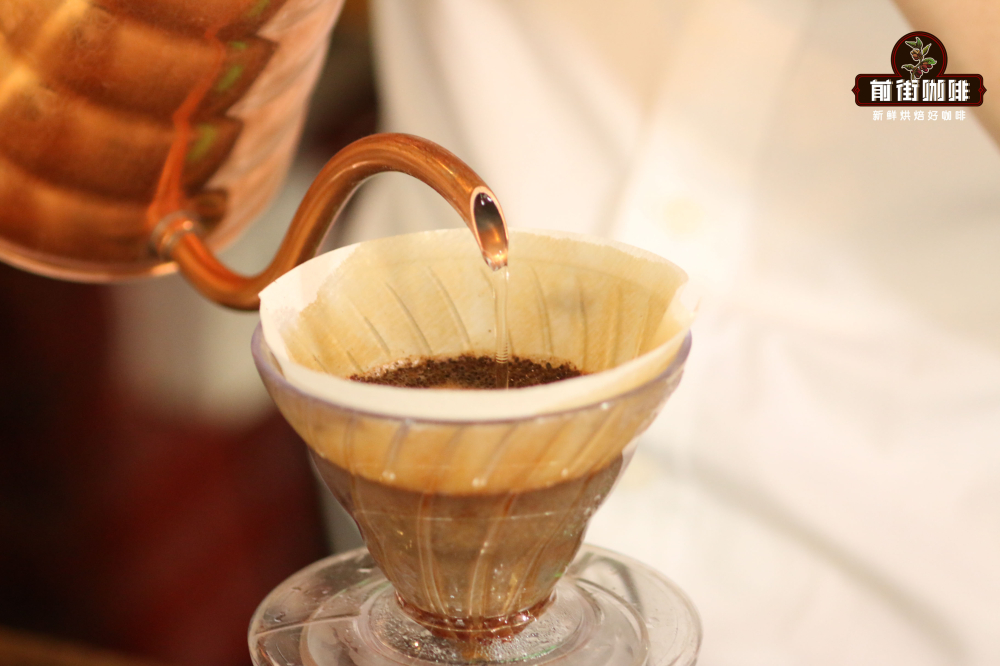
During cupping, FrontStreet Coffee noticed this bean shows different flavors at different temperatures, so the brewing technique uses three-stage extraction, letting different flavor compounds express themselves as the coffee bed warms gradually. To highlight the fresh, captivating aroma of washed Yirgacheffe, FrontStreet Coffee uses a V60 dripper. Its spiral rib design lets the grounds degas better, maximizing the activation and dissolution of acidic aromatic compounds.
On ratios, FrontStreet Coffee finds both 1:15 and 1:16 work well. For a richer mouthfeel, use 1:15. To perceive floral aromas and sweetness more clearly, use 1:16 and let the flavors disperse further.
FrontStreet Coffee Barista's Brewing Technique
Based on past experience, FrontStreet Coffee recommends the three-stage pour for beginners. Three-stage extraction dissolves flavor compounds more completely, adds mouthfeel complexity, and avoids over-extraction from an overly long immersion.
For 15g of grounds at a 1:15 ratio and 225ml total water, the three stages are 30ml, 95ml, 100ml, with the scale reading 30g, 125g, 225g.
First, place the folded filter paper in the dripper and wet it so it conforms better. Prepare hot water and a thermometer, add the 15g of ground coffee to the dripper, and zero the scale.
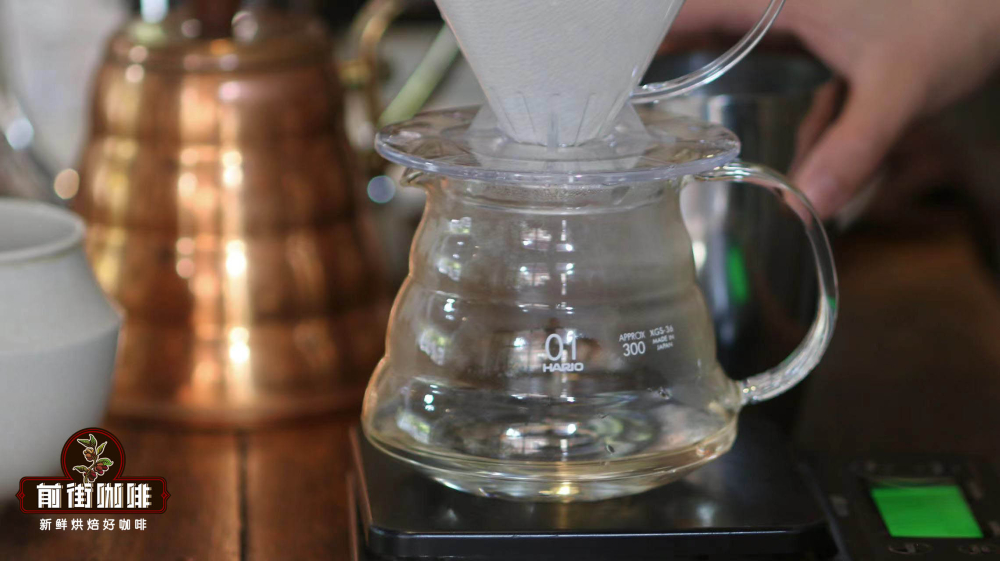
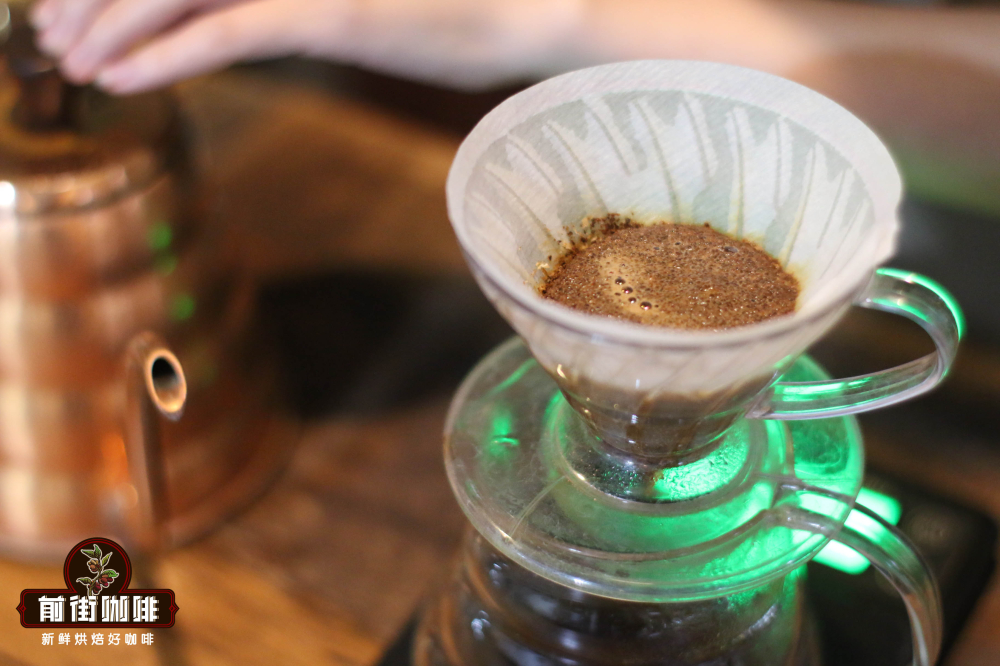
For the first stage, pour 30g of water for a 30-second bloom. Start timing as you pour, using a small stream from the center and spiraling outward to wet the entire coffee bed.
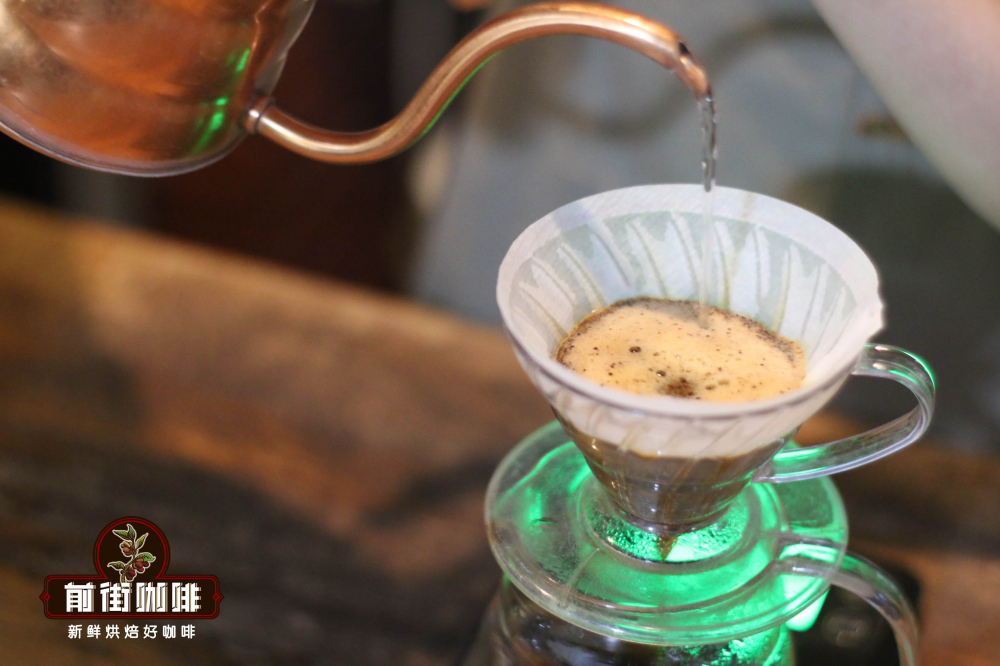
After 30 seconds, begin the second stage with 95g of water in a slightly larger, steady stream to raise the whole bed. The water column should fall vertically and evenly, with the timer reading 125g and the pour finishing around 55 seconds.
When the water level drops to about halfway, begin the third stage of 100g with a small stream in small circles. Keep the stream from spiraling too wide, which easily disturbs the coffee bed and causes under-extraction. The total should reach 225g, finishing around 2 minutes. After removing the dripper, shake the coffee in the sharing pot evenly before tasting.
The amount of water in each stage is not fixed. We can adjust based on our accumulated pour-over experience and our understanding of the beans. FrontStreet Coffee treats brewing as a scientifically grounded experiment. To master pour-over, we need to understand deeply what each parameter really does. That way we can more easily find the methods that work and build a brewing framework suited to ourselves.
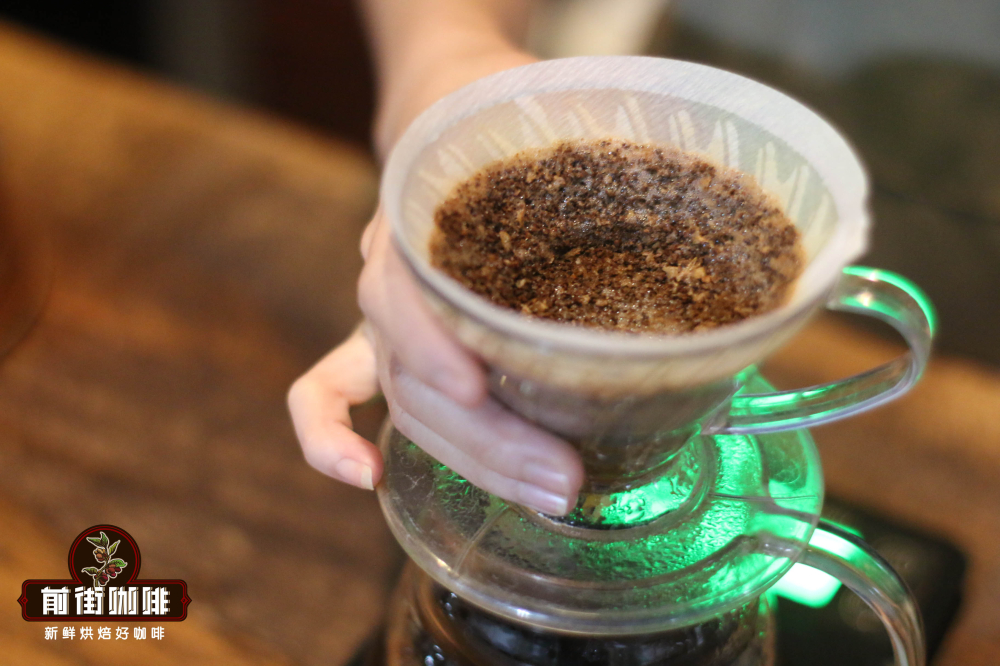
Brewed this way, the Yirgacheffe shows bright lemon, citrus, and green tea notes, with berry, cream, and sugarcane undertones emerging as the temperature changes. The aftertaste is distinct, with a clean, sweet mouthfeel.
FrontStreet Coffee Recommendation
If you want to taste what clean, classic Yirgacheffe is meant to be, start with FrontStreet Coffee's washed Yirgacheffe, the everyday staple bean known for white jasmine florals, bright citrus and lemon acidity, and a tea-like body. Its friendly price has made it the very first specialty bean for countless drinkers, and it is the perfect reference point for practicing the three-stage pour described above.
For a finer, village-level example of washed Yirgacheffe, try FrontStreet Coffee's Gedeb cooperative, in the Worka area at the southeastern edge of Yirgacheffe. Originally part of the Worka cooperative under the Yirgacheffe Coffee Farmers' Cooperative Union, it was later traced and recognized as a single-terroir lot. Its traditional washed processing yields clean, bright citrus and lemon acidity and jasmine fragrance, with no heavy bitterness, the ideal illustration of why a washed Yirgacheffe tastes so transparent.
If you would rather tame the tartness with sweetness, the FrontStreet Natural Red Cherry Yirgacheffe uses only fully ripe red cherries, dried on raised beds for three to five weeks. Alongside the typical Yirgacheffe character it brings tropical fruit, a berry-juice body, honeyed sweetness, and a creamy smoothness. Brew it in a V60 at 90-91°C with 15g of coffee at a 1:15 ratio, ground to about fine sugar size (EK43s setting 10, or 80% passing a #20 sieve), and the result is balanced and easy to love.
Important Notice :
FrontStreet Coffee is a long-established specialty coffee roaster in Guangzhou China, selling freshly roasted beans from its own farm in Yunnan as well as dozens of carefully selected single-origin beans from around the world for both pour-over and espresso. The products deliver consistently excellent quality and great value, with shipping within 24 hours. Guangzhou's FrontStreet Coffee shop is recommended by many coffee lovers, and the beans are now available online at the Tmall 。
FrontStreet Coffee has moved to a new address:
FrontStreet Coffee Address: 315,Donghua East Road,GuangZhou
Tel:020 38364473
 Scan and follow the En Gafei WeChat official account. Please indicate that the reprint comes from "En Gafei".