Is Kenya AA Coffee Good? Kenya Coffee Bean Grade Classification and Flavor Characteristics
Kenya AA Grade Coffee: A Rare Gem
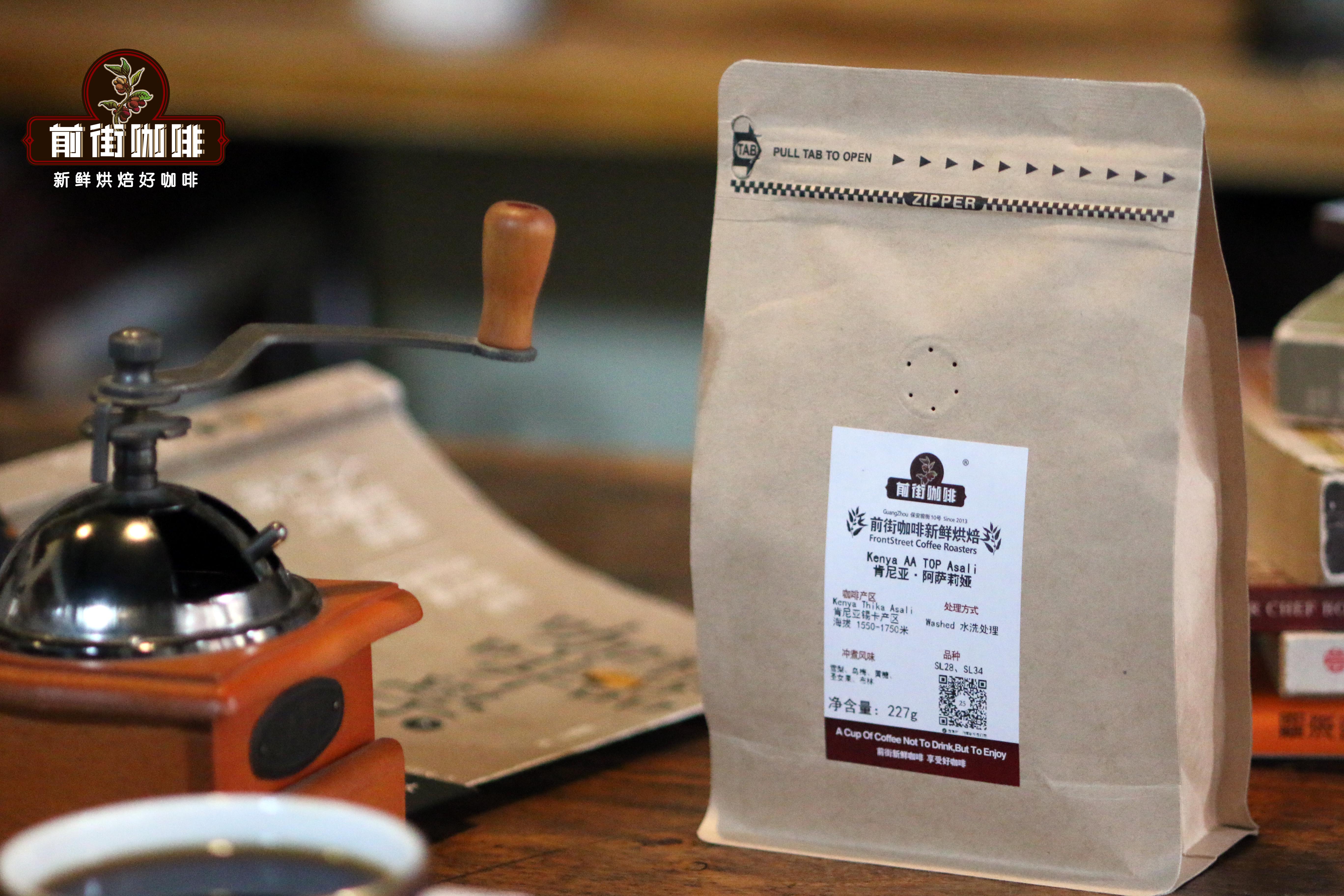
Kenya AA grade coffee is one of the rare exceptional coffees, renowned worldwide for its rich aroma and balanced acidity, and cherished by countless connoisseurs. It offers a complete and balanced flavor with a magnificent, intense character that is both refreshing and assertive, creating a full but never heavy experience. The flavor of Kenya AA is refreshing without being overwhelming, delivering a complete yet light mouthfeel. For lovers of acidic coffee, FrontStreet Coffee's baristas always recommend Kenya AA first, letting you taste the rich fruit flavors of cherry tomato, black plum, and berries.
Geographical Advantages
The vast majority of Kenya's coffee trees are concentrated in the region from the capital Nairobi to the Kenyan highlands, surrounded by volcanic terrain at elevations of approximately 1600-2100 meters. This altitude is ideal for developing flavor: the mountains are cooler, so growth is slower, and combined with acidic cultivation soil at a pH between 5.3 and 6.0, the aromatic components develop fully, resulting in more prominent fruit acidity and a harder texture. This crescent-shaped fertile coffee zone is the main production area for Kenya's specialty beans, comprising the Nyeri, Kirinyaga, Murang'a, and Thika regions.
Harvesting Practices
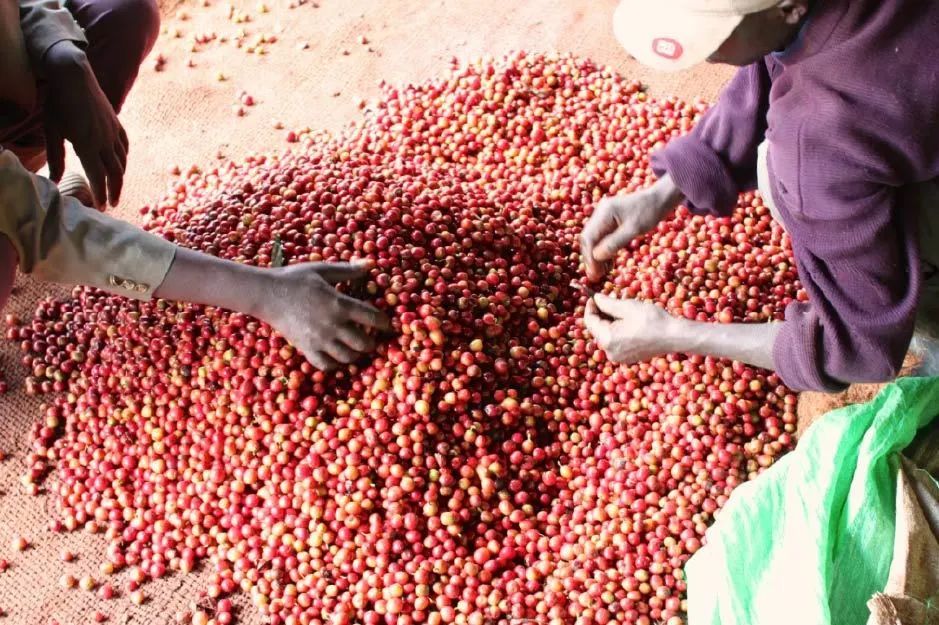
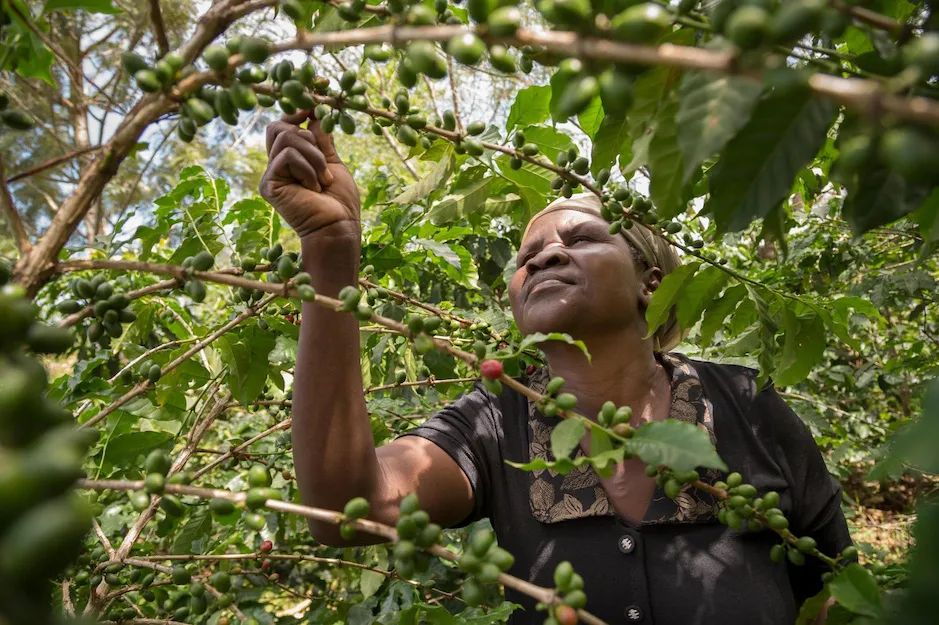
Kenya's coffee trees can flower twice a year. Most flower in March and April after the long rainy season, and in most producing regions the harvest runs from October until the end of the year. Some trees also flower in October or November and are harvested in July of the following year. Kenya's coffee has always been hand-picked, with farmers harvesting only red, ripe cherries, requiring re-picking rounds roughly every ten days per tree. Picking only fully red cherries ensures more complete nutritional development in the bean and a fuller expression of flavor.
Premium Varieties: SL28 and SL34
Anyone who has bought FrontStreet Coffee's Kenya AA beans will have noticed that the variety section on the label reads SL28 and SL34, Kenya's two most popular coffee varieties. SL stands for Kenya's Scott Laboratories. In the 1930s, Kenya's coffee trees suffered a widespread outbreak of coffee berry disease, so Scott Laboratories was commissioned by the government to begin cultivating new disease-resistant varieties. Among the results, varieties number 28 and 34 showed stronger disease resistance and outstanding flavor, so farmers began widely planting them. The SL series belongs to the Bourbon family and shows excellent acidity in Kenyan growing regions. Through cupping, FrontStreet Coffee has found that SL28 and SL34 present excellent sweetness, balance, and complex, varied flavors, as well as notable citrus and dark plum characteristics.
Grading System
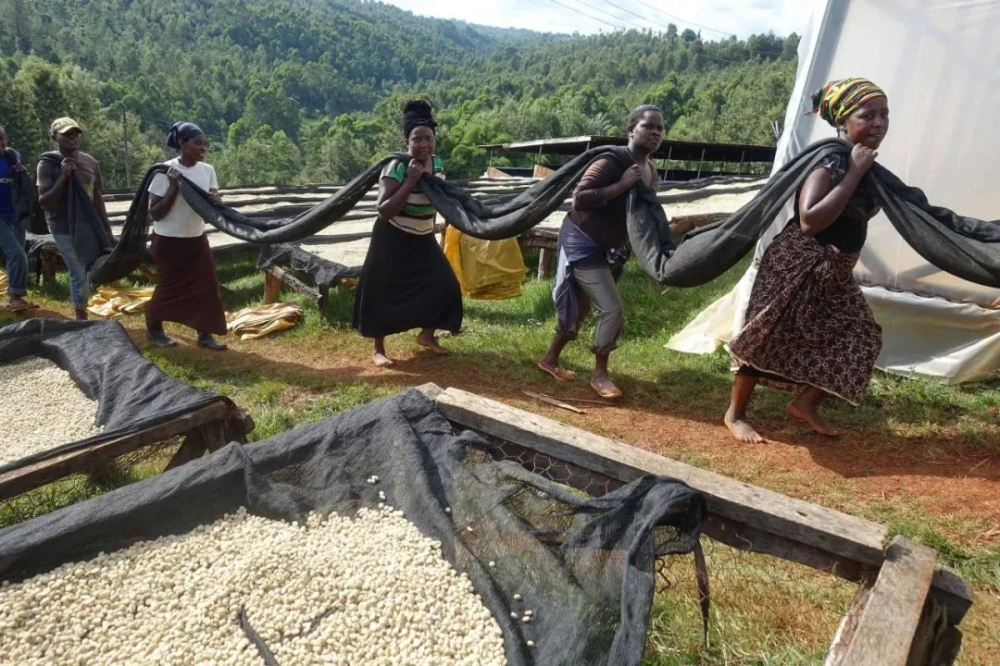
Kenyan producers believe that larger beans contain more aromatic oils, which can enhance aroma while also heating more evenly and converting flavor compounds better during roasting. Kenya's grading therefore prioritizes large particle size. It can be roughly divided into AA, AB, C, E, PB, TT, T, ML, and MH, with AA and AB the most common domestically. It is worth noting that PB (Peaberry) is a grade for small round beans, typically produced at the ends of trees that flowered too late or too early. Because peaberries are scarce, accounting for only 10% of yield, when they are specially collected most producers remove defective beans, lowering the defect ratio and making particle size more consistent, which gives more even roasting and a better mouthfeel. Peaberries from the same tree therefore generally cost more than other flat beans.
Kenyan Washed Processing Method
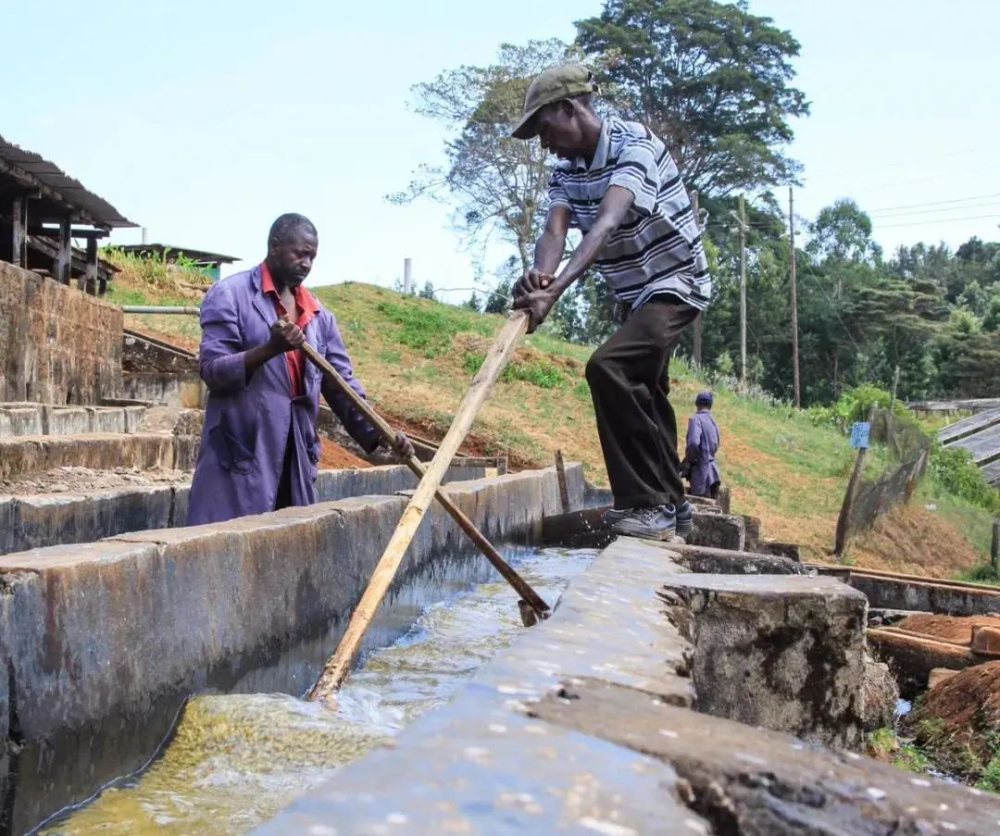
What gives Kenyan coffee its unique fruity charm, beyond its cultivation advantages and varieties, is the Kenyan washed processing method, also known as the K72 washed method. K72 works like this: the cherries are harvested and depulped for fermentation, fermented for 24 hours, then cleaned with water. They are then soaked and fermented for another 24 hours and washed again, repeating the process 3 times to achieve 72 hours of intensive fermentation. After these multiple fermentation and washing steps, the beans present a brighter, cleaner acidity.
Roasting and Brewing Recommendations
In roasting and brewing, FrontStreet Coffee aims to preserve the classic characteristics of Kenyan coffee as much as possible: solid, rich acidity and full, complex floral and fruit aromas. FrontStreet Coffee's roasters use a light roast. After roasting, FrontStreet Coffee cupped and brewed the coffee, finding distinct flavors of snow pear, plum, cherry tomato, dark plum, and brown sugar. It suits many extraction methods, but if you are tasting this Kenya AA for the first time, FrontStreet Coffee recommends a hot pour-over.
Kenya Assalia Coffee Beans
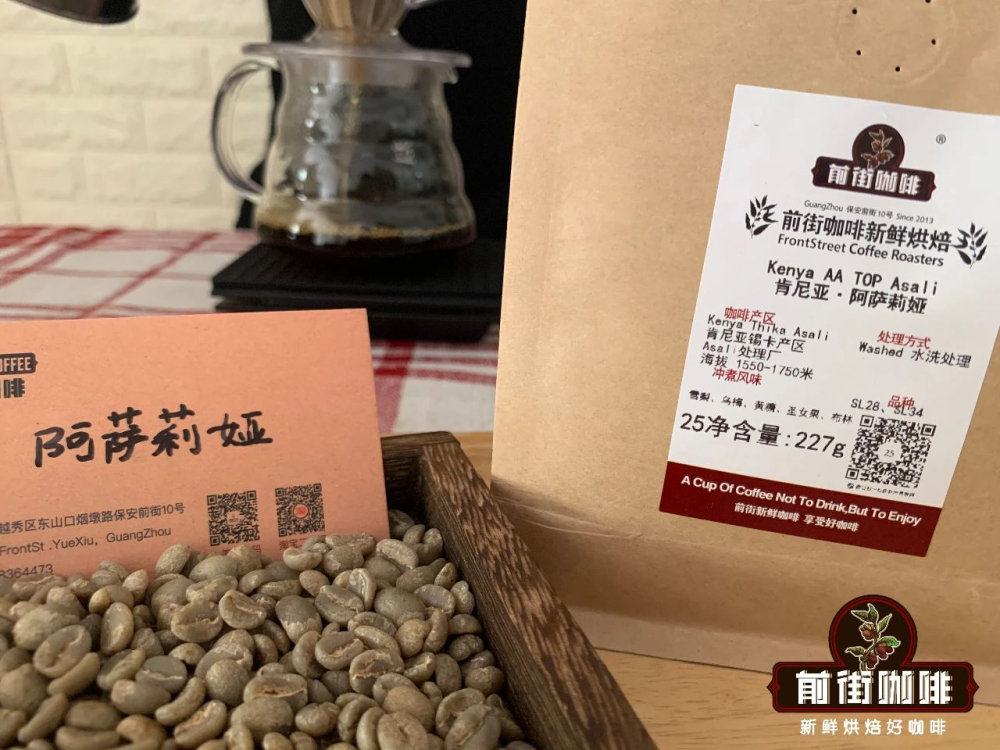
FrontStreet Coffee: Kenya Assalia Coffee Beans
Region: Kenya Thika
Processing Station: Asali Honey Processing Station
Altitude: 1550-1750 meters
Grade: AA TOP
Varieties: SL28, SL34
Processing Method: Kenya 72-hour washed
Brewing Recommendations
Because the internal structure of high-altitude, lightly roasted beans is relatively tight, higher water temperature and a finer grind are needed to draw out the aromatic compounds during extraction. Here FrontStreet Coffee uses hot water at 92-93 degrees Celsius. For grind fineness, FrontStreet Coffee uses a #20 standard sieve with an 80% pass-through rate.
Filter: V60
Water Temperature: 92-93 degrees Celsius
Dose: 15g
Ratio: 1:15
Grind Size: Fine sugar size, EK43s setting 10 (20# sieve, 80%)
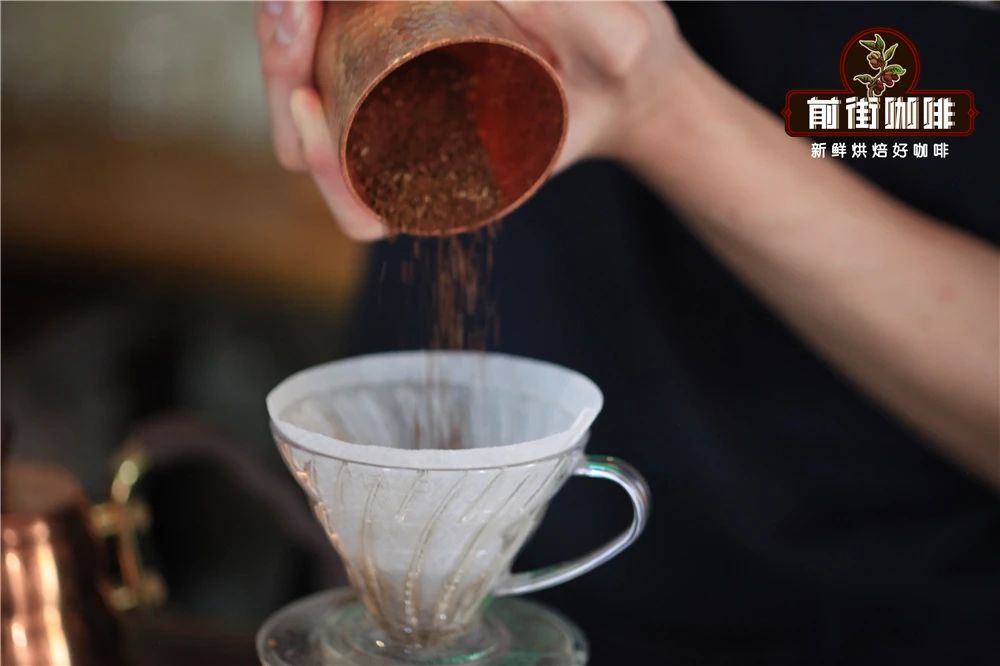
First pour 30g of water for a 30-second bloom, then pour 95g (the scale shows around 125g), completing the pour in about 1 minute. When the water level drops to two-thirds of the coffee bed, pour the remaining 100g (the scale shows around 225g), completing in about 1 minute 35 seconds. Drip filtration completes at 2'10", remove the filter cup, and extraction is done.
Professional Coffee Resources
For professional coffee knowledge exchange and more coffee bean information, follow Coffee Workshop (WeChat official account: cafe_style).
For more specialty coffee beans, add FrontStreet Coffee's private WeChat account: qjcoffeex.
FrontStreet Coffee Recommendation
Kenya AA is famous for its bright fruit acidity, but it is far from the only bean worth drinking for that profile. FrontStreet Kenya Small Tomato is a washed Kenyan specialty bean whose core character is a vivid cherry tomato and smoked plum acidity with a full, juice-like body. It comes from the Thika region of Kenya, grown at 1,550-1,750 meters, and uses the classic SL28 and SL34 varieties; the dry aroma is full of dried cherry tomato and florals, the cup shows clear cherry tomato and smoked plum, with mid-palate sweetness, snow pear and black plum notes, and a clean finish of brown sugar and light green tea.
For a softer, more floral acidity, FrontStreet Yirgacheffe Gedeb carries citrus, berry, and jasmine notes with a green-tea-like finish, and its acidity is gentle and bright rather than sharp, which makes it very approachable for anyone new to pour-over. If you enjoy a clean, pale, and elegant cup, this is a good counterpoint to a Kenyan coffee.
And if you want a bigger, more tropical expression of a light roast, FrontStreet Ethiopia Huakui brings strawberry, passion fruit, jackfruit, and lychee aromas with high sweetness and almost no bitterness. Brewed as pour-over, its juice-like body and layered fruit make a natural comparison with the structurally sharper Kenya AA.
Important Notice :
FrontStreet Coffee is a long-established specialty coffee roaster in Guangzhou China, selling freshly roasted beans from its own farm in Yunnan as well as dozens of carefully selected single-origin beans from around the world for both pour-over and espresso. The products deliver consistently excellent quality and great value, with shipping within 24 hours. Guangzhou's FrontStreet Coffee shop is recommended by many coffee lovers, and the beans are now available online at the Tmall 。
FrontStreet Coffee has moved to a new address:
FrontStreet Coffee Address: 315,Donghua East Road,GuangZhou
Tel:020 38364473
 Scan and follow the En Gafei WeChat official account. Please indicate that the reprint comes from "En Gafei".