Where are Panama's Coffee Regions? Panama Coffee Characteristics, Brewing Suggestions, and Flavor Notes
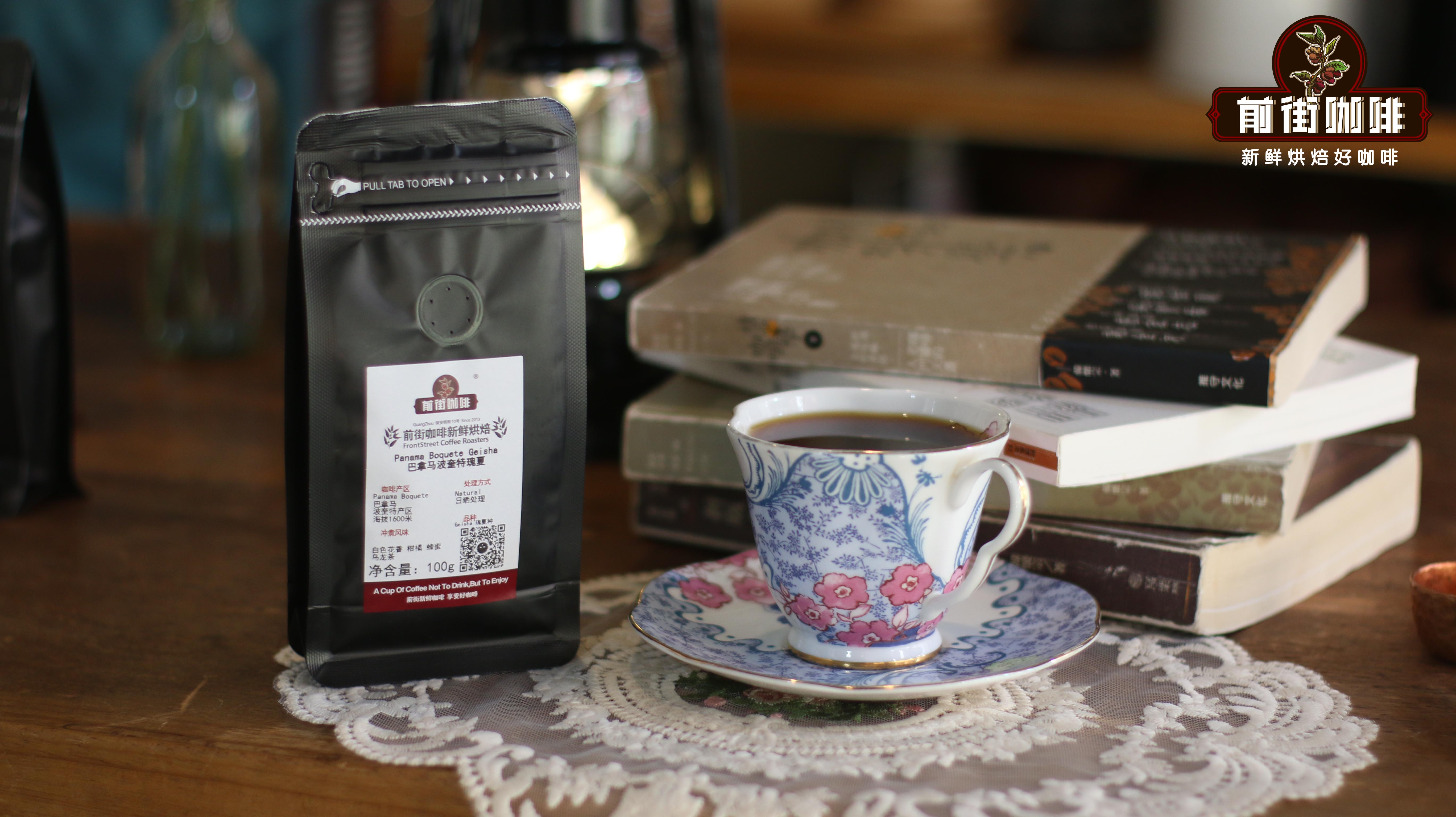
Mention Geisha coffee and most people immediately picture one farm: Hacienda La Esmeralda in Panama. On both flavor and price, it sits at the absolute ceiling of the market, which is exactly why so many drinkers dismiss it as something they will never afford. The FrontStreet Coffee bean list, however, includes a Geisha from Boquete, the Panamanian region where the variety first rose to fame. Washed and true to type, it carries Geisha's hallmark citrus and honey notes, giving curious drinkers an accessible way to taste the flavor that started the legend.
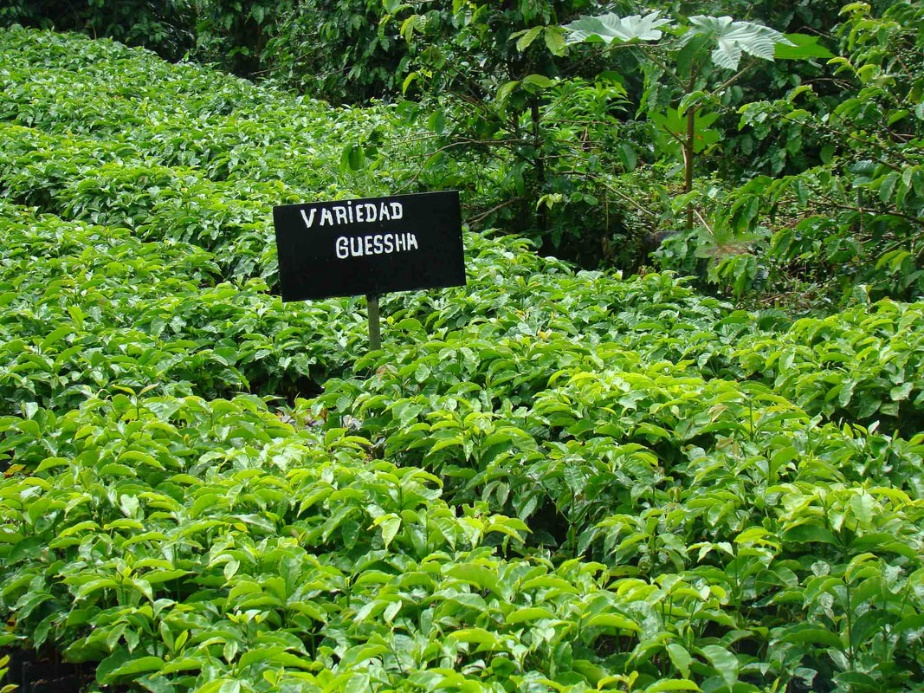
What Makes Geisha Special?
Before getting into the beans themselves, it is worth explaining what the Geisha variety is and why it commands so much attention. Compared with other Arabica types, Geisha is not only low-yielding but also unusually fragile as a plant, and it is fussy about where it grows. It needs high elevation, fertile soil, cloud cover or shade trees, and it cannot tolerate direct, intense sunlight.
The leaf structure of a Geisha tree is very thin, which means its photosynthetic efficiency is low. The roots are delicate too, taking up water and nutrients slowly, so yields are small. Add a high-altitude growing environment and the fruit ripens later still. A single Geisha tree produces only about half the fruit of a Catimor, which is one reason the variety is so prized. Grown at higher elevations, Geisha takes longer to mature and develops more complex, distinctive flavors along the way.

Where is Panama?
Panama lies in Central America, bridging North and South America and sharing borders with Costa Rica and Colombia. You could say the country's coffee story began with a silver spoon. The Panama Canal, as everyone knows, was built by the United States and remained under American control for a period after its completion.
It was precisely the canal that drew waves of American elites southward in the late 20th century — partly for work, partly in search of business opportunities. Many celebrated Panamanian estates were founded by these newcomers. The owner of Hacienda La Esmeralda, for instance, had been a banker, and the owner of Hartmann Estate an engineer. These people brought standards of precision and refinement to estate management, from allocating plots by altitude to create bean grades, to hand-picking and meticulous processing. All of it helped make Panamanian coffee world-famous.

Getting to Know the Boquete Region
Boquete is a town in Panama's Chiriquí Province, sitting on the highlands east of Barú Volcano at roughly 1,000-2,000 meters. It faces warm, moist monsoons blowing in from the Caribbean, with cold Atlantic currents behind it. The mountains here are high and steep. Barú Volcano National Park is a protected ecological zone with remarkable biodiversity and seven microclimates. Combined with year-round mist and abundant rain, it creates superb growing conditions for plants.
Thanks to this distinctive terroir, Geisha from the region absorbs a whole spectrum of influences and transforms them into elegant floral and fruit flavors with layered acidity — which is why it appears so often, and so successfully, in major competitions. After Geisha became famous, producing regions everywhere rushed to plant it, but even with the same variety, different terroir and climate yield coffee of different quality and flavor. FrontStreet Coffee believes that Panama, as the place where Geisha first made its name, still backs its reputation with mature cultivation and processing know-how. That is why the FrontStreet Coffee Boquete Geisha, rather than chasing the profile of one famous estate, focuses on expressing the regional character of Geisha from a broad growing area.

Washed Processing and Flavor Profile
As one of the most traditional ways of processing green coffee, washing not only makes quality more consistent but also lets Geisha show greater clarity and a fresher flavor profile. After roasting, FrontStreet Coffee detected Geisha's elegant white floral aromas, bright citrus and lemon acidity, and faint green tea notes — reminiscent of sipping a gentle oolong.
During processing, the selected cherries are first run through a depulper to remove the skin and pulp. The beans, still coated with pulp and mucilage, are placed in water to ferment for about 24 hours. After fermentation, the parchment-covered beans travel down washing channels where the remaining pulp and mucilage are rinsed away. Once washed, the beans are dried in the sun or in mechanical dryers until moisture content reaches about 12%. Finally, the parchment is removed from the green beans.

Roasting and Brewing Recommendations
Geisha is celebrated worldwide for its rich floral aromas and complex fruit notes. The FrontStreet Coffee roaster wants to preserve more of Geisha's fine acidity, and so opts for a medium-light roast (with slight adjustments from one batch to the next). This roast level does not significantly alter the high density of beans grown at altitude, so brewing calls for a higher extraction yield to reveal fuller layers of flavor. That means a higher water temperature and a slightly finer grind size to draw out more aromatic compounds. FrontStreet Coffee also wants the flavor to read as clearly as possible, so a slightly generous coffee-to-water ratio of 1:16 is used.
Every FrontStreet Coffee flavor description is based on freshly roasted beans. Once beans have been stored for more than a month, some aroma is lost and the original flavor becomes hard to reproduce in the cup. FrontStreet Coffee understands the importance of freshness deeply, which is why only beans roasted within 5 days are shipped, so that the full flavor window is intact when the package arrives. Below, FrontStreet Coffee walks through the brewing steps for Panama Boquete Geisha as served in its stores — a reference you can compare against your own approach.

Brewing Parameters
The pour-over parameters for Boquete Geisha are: Dripper: V60, Water temperature: 91-92°C, Coffee dose: 15g, Coffee-to-water ratio: 1:16, Grind size: fine sugar size (80% passes through a #20 sieve)
Three-Stage Extraction
Fold the filter paper so it sits snugly in the dripper, wet it with a little water to help it adhere, and discard the water from the server below. Add the grounds and tap gently to level the bed. For the first stage, gently pour 30g of water for the bloom and let it sit for 30 seconds. For the second stage, pour to about 125g, moving in steady, even outward circles. Then wait for the coffee to drain; once the level drops halfway, pour the final stage up to 225g. Let all the coffee finish dripping. Total extraction time is about 2 minutes.

Tasting Notes
The pour-over Panama washed Boquete Geisha shows clear, distinct acidity of citrus, lemon, and bergamot, a creamy, smooth mouthfeel as it goes down, and a sweet finish of green tea and honey.
FrontStreet Coffee Recommendation
If this Boquete Geisha is your first step into the variety, the natural next move is the FrontStreet Esmeralda Green Label Geisha. Also known as "Private Collection," it blends lots from several plots rather than highlighting a single one, and its purpose is to express the estate's signature high-altitude Geisha character. Because it is not divided by plot, it sells for a friendlier price, which makes it one of the best-value ways to drink Esmeralda.
For drinkers ready to go deeper, FrontStreet Esmeralda Red Label Geisha — officially "Esmeralda Special" — is grown at 1,600-1,800 meters, and every lot must score above 90 points at cupping. Each lot carries its own number and comes from a single small plot, so buyers can choose the exact batch that matches their taste. Both are elegant, floral, and unmistakably Panamanian, and either one makes a fine benchmark against the Boquete Geisha in your cup.
Important Notice :
FrontStreet Coffee is a long-established specialty coffee roaster in Guangzhou China, selling freshly roasted beans from its own farm in Yunnan as well as dozens of carefully selected single-origin beans from around the world for both pour-over and espresso. The products deliver consistently excellent quality and great value, with shipping within 24 hours. Guangzhou's FrontStreet Coffee shop is recommended by many coffee lovers, and the beans are now available online at the Tmall 。
FrontStreet Coffee has moved to a new address:
FrontStreet Coffee Address: 315,Donghua East Road,GuangZhou
Tel:020 38364473
 Scan and follow the En Gafei WeChat official account. Please indicate that the reprint comes from "En Gafei".