What Processing Methods Do 90+ Single-Origin Coffee Bean Flavor Symbols Represent
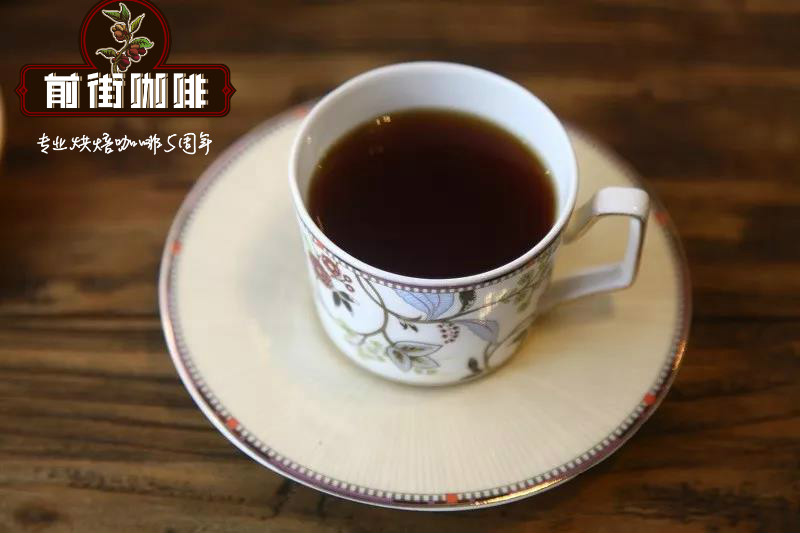

Flavor Symbols Instead of Processing Labels
90+ takes so many unconventional approaches compared with ordinary green coffee merchants that its flavor descriptions naturally read differently too.
That is exactly why so many people meeting 90+ for the first time feel lost, as though staring at a page of indecipherable symbols...
The point of these unique flavor symbols, however, is to help consumers understand the flavor possibilities and selective value behind each of 90+'s "divine beans." Consider it a responsible production record: unconventional, certainly, but once you decode it, you can appreciate the craft and value behind the world of ultimate specialty coffee.
Ruby Processing
Ruby is the ultimate expression of the Red processing family, drawing out the fruity aroma and sweetness of the coffee cherry to the fullest. Because the process can easily tip into over-fermentation, it demands enormous manual care and cherry-by-cherry selection. Only cherries that meet ruby standards can be called ruby coffee beans, and after repeated rounds of selection and culling, the quantity that survives is extremely small.

Building Their Own Estate: Ninety Plus Gesha Estate
Sponsoring estates is nothing new for green coffee merchants, but 90+'s move, buying an entire tract of farmland in Panama on a large scale and planting coffee trees from scratch, is probably without precedent.
Moreover, the entire Ninety Plus Gesha Estate (NPGE for short) is planted with precious Gesha varieties (also spelled Geisha; there is no substantive difference).
That decision traces back to 90+'s founder and CEO, Joseph Brodsky.
In 2004, the Geisha green beans from Panama's Hacienda La Esmeralda swept to victory in the Panama cupping competition, and from then on dominated competitions worldwide, driving coffee lovers everywhere into a Geisha frenzy. Joseph Brodsky was among those who fell under its spell.
So this enchanted Joseph went to Ethiopia hunting for ancient superior varieties, a Holy Grail better than Geisha. Luck was not on his side and he never found one, but he turned misfortune into fortune by discovering Aricha and Beloya, lots that sent shockwaves through the specialty coffee world.

Since he could not find a better variety, he decided to make the best current variety even better. And so in 2009, 90+ established NPGE in Panama, planting nothing but the mightiest Geisha.
Inside NPGE they built the Ninety Plus Sensory Room (the NP sensory laboratory) and a Solar Kiln laboratory (for SK processing), along with innovative research unlike ordinary green-coffee processing, Red processing, Ruby processing, and more.
You could call NPGE 90+'s largest experimental farm. Running experiments on the best variety in the world is a rare luxury, and it let them execute the Profile Processing system to the fullest.
After several years of cultivation, the experimental team launched five Geisha coffees: Lycello, Perci, Juliette, Silvia, and Lotus.
Red Processing
A special method developed by the 90+ team using their patented drying technology, in which the parchment-covered cherries take on varying degrees of redness, from light red to ruby red. The method lifts the coffee's aroma to another level, making fruit flavors and sweetness more pronounced.
A Proprietary Production System: Profile Processing
If you have read the earlier article on the SCAA definition of specialty coffee, you know that specialty coffee involves a long, complex chain that depends on many people's persistence to produce a single great cup.
In reality, though, the links in that chain interact poorly, in the past they were often disconnected. Green coffee merchants, for instance, only cared about selecting and buying good beans, not about how farmers grew the coffee or how the mills processed it. As long as it cupped well, they bought it; the rest was irrelevant.
That logic is not entirely unreasonable. If you are a wholesale watermelon dealer, do you really care how farmers grow the watermelons? Minding that would be nosy.
For bulk commodities headed straight to market, this works, good products can always be found somewhere. But as coffee moves steadily into the high-priced specialty segment, 90+ took the lead in building its own green-coffee production system: Profile Processing.
Among the five Geishas, Perci also received upgraded versions, Perci Red (Red processing) and Perci Ruby (Ruby processing), creating different expressions of Perci's sweetness, while Silvia and Lotus are new products made with the latest SK processing method.
From this you can see what 90+ is doing: securing the fiercely competitive Geisha variety in its own estate, experimenting boldly on home ground, and continuously reinforcing a unique competitive advantage. The ambition is formidable.
In short, Profile Processing extends management upstream, taking control of everything from the varieties farmers plant, the origins, the climate, and cultivation methods, to harvesting and processing, so that beans of superior quality can be produced according to their own targets.
The concept sounds simple; execution is brutally hard. Agricultural cultivation is a black box with thousands of variables, and it is difficult to know where to begin.
When 90+ first started, the company simply selected the most outstanding coffee cherries from various Ethiopian farmers, applying the most refined processing to already excellent beans. That is how the first famous 90+ flagship lots, Aricha and Beloya, were born. Even these early experiments were astonishing, their rich fruit flavors and quality shaking the specialty coffee scene.
Then came selecting promising farmers, setting ideal flavor targets based on the current beans, re-engineering the process, and gradually correcting samples toward the flavors 90+ had originally defined through scientific management. Only the lots that most closely matched the targets were selected for production, essentially scientific experimentation.
How many wild experiments and failed samples that process consumed, no one knows. But the tiny quantities that reach the market truly live up to 90+'s high scores: the cream of the specialty coffee crop.
The power of the Profile Processing system lies in controlling the technology that governs flavor expression. It lets them plan and enforce the highest standards, transcending the luck-based bean-buying of ordinary merchants. Quality above standard is not luck here, it is the average. That is the core value 90+ has always upheld.
One can imagine that as 90+ accumulates more experimental data over time, the flavor of its beans may have no ceiling.
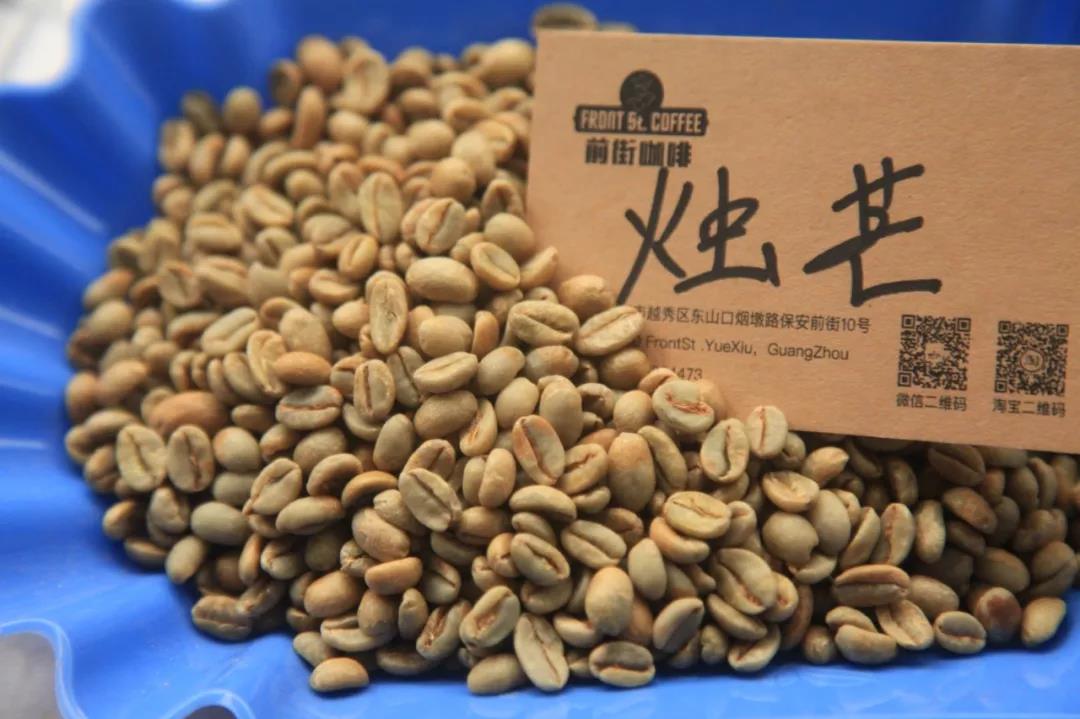
L4, L7, L12, L21, L39, L95, L195
The L stands for Level, classified by production quantity, processing refinement, difficulty, and selection strictness.
Higher numbers mean smaller production volume, more refined processing, greater complexity and difficulty, and stricter selection, although 90+ has never published detailed grading criteria. In that sense the numbers resemble flavor symbols: reference data rather than rules. Still, it helps to understand roughly what they mean. They fall into four tiers:
L4 tier: No longer seen in 90+ products. In the past it referred to mixed-harvest lots, when single-origin flavors were not rich enough or quantities too small, several excellent origins were blended and processed together, somewhat like the old Aricha and Beloya. As 90+'s experimental control over coffee production matured over the years, this tier was retired.
L7 and L12 tiers: Most Ethiopian beans sit here, with flavors already outstanding, impeccable in both aroma and texture. Considered entry-level 90+, with genuinely good value for money.
For example: Tchembe and Kemgin are L7; Nekisse and Hachira are L12.
Ninety Plus
Ninety Plus is an internationally renowned green coffee production and sales company, known worldwide for supplying rare and distinctive beans. Besides working directly with coffee farmers, it also owns a 134-hectare coffee estate in Panama. Since its formal founding in 2007, its customers have spread across more than 40 countries.
In 2007 Joseph Brodsky formally established Ninety Plus, and from the following year onward, traces of Ninety Plus beans winning awards have appeared in coffee competitions large and small around the world. In 2013, at the WBC World Barista Championship, three of the six finalists, contestants from Italy, South Korea, and Canada, used Ninety Plus green beans. Refined cultivation and processing, excellent varieties, and a unique grading system make Ninety Plus a top-tier, distinctive presence in the green coffee market. Chengcheng Coffee, a company dedicated to supplying high-quality green beans, became the exclusive agent for Ninety Plus in 2014, a remarkable green bean you should not miss.
Back in 2004, when Panama's Geisha rose to prominence and its unique aroma sparked a worldwide hunt for exceptional varieties, Joseph Brodsky, like other traders, researchers, and enthusiasts, went deep into the remote mountains of Ethiopia, into the wild original forests of coffee's birthplace, searching for Geisha trees. The search ultimately failed, but he believed that among so many forests of native species, many excellent unknown varieties still existed, perhaps overlooked because of their remoteness, or unrecognized for want of refined processing and cultivation. So the following year he threw himself into Ethiopia, hunting for valuable varieties and working with local estates to improve and refine processing, establishing the Profile Processing system so that each bean could fully express its complete flavor. In 2009 he began planting Ethiopian native Geisha in Panama, buying land to create the "Ninety Plus Geisha Estate" and building the Ninety Plus Sensory Room. In recent years he has developed the SolkilnTM processing method, Ninety Plus keeps innovating at every stage of green coffee processing, leading the specialty coffee market.
The Solkiln processing room at Ninety Plus uses temperature and humidity regulation that actually simulates the perennial aquatic plant "lotus." The lotus, like humans and other warm-blooded creatures, can self-regulate the temperature of its flower regardless of the environment. The SK laboratory technology likewise controls the temperature and humidity of the coffee beans, shielding them from Panama's humid climate during drying. So although whole cherries are dried, the beans retain washed-like characteristics, hence the name "lotus." Another origin story comes from the British band Radiohead's song "Lotus," about self-annihilation, transcendence, and getting lost in the magic of music and the senses; its music video expresses pure, unpredictable feelings about music.
Because 90+ has become an unavoidable topic in specialty coffee circles in recent years, even if you have never tasted 90+ beans, you should at least know what the company is famous for. The conversation centers on two questions: what new concepts does 90+ bring, and what impressive new beans has it released? Both in concept and in output, 90+ is genuinely distinctive, so let's look at what makes it remarkable.
Every Coffee Cupping Score Above 90 Points
This is the origin of the company's name. Every bean is carefully selected and has passed SCAA cupping scores above 90 points, super, super, super high-scoring beans (as they say, important things deserve saying three times).
So what does an SCAA cupping score of 90 actually mean? Consider the SCAA definitions:
Coffee below 80 points: below specialty grade, not specialty coffee.
Coffee at 80-85 points: "very good"; grade: specialty. General specialty coffee, already quite enjoyable.
Coffee at 85-90 points: "excellent"; grade: specialty origin. Impressive specialty beans, most Cup of Excellence (COE) top-five lots fall in this band.
Coffee at 90-100 points: "outstanding"; grade: specialty rare. This is where 90+'s products live... every single bean exceeds 90 points, and the company even holds a glorious record score of 97 points.
That is a higher bar than many COE champion estates achieve, and high scores are never easy. Varieties, origins, climate, cultivation, green bean processing, all of it follows 90+'s own exacting standards, which is what gave rise to the company's independent production system: Profile Processing.
The Proprietary LEVEL Grading System
Conventional coffee grading varies from country to country, Kenya AA, AB, SHB, 18 mesh, G2, and so on, each a different system.
The purpose of grading, of course, is to separate the excellent from the substandard. But many grading criteria are not positively correlated with flavor, so a high grade does not guarantee a delicious cup, it is still useful reference data. Beginners should take grades into account without being superstitious about them.
Besides its flavor symbols, 90+ assigns each bean its own grade, unlike any national system, divided into seven levels:
Ninety Plus Grading
L21 and L39 tiers: This is almost entirely the territory of Geisha from the NPGE estate. For 90+, the Geisha variety itself represents high grade, so its lowest tier is L21. One can extend the logic, Geisha is harder to care for and its processing more rigorous than Ethiopian beans.
Additionally, specially processed Ethiopian beans can be promoted into this tier, becoming comparable to Geisha.
For example: Lycello is L21; Juliette and Perci are L39, all three are Geishas from NPGE. Nekisse Red (Red-processed Ethiopian Nekisse) was upgraded to L39.
L95 and L195 tiers: Reaching these levels requires 90+'s special processing methods, Red, Ruby, or SK (Solkiln), effectively an endorsement of the company's exclusive techniques. But even so, the highest grade, L195, has to be Geisha.
For example: Lotus (SK processing), Silvia (SK processing), Semeon Abay (from the Master series), and Nekisse Ruby (Ruby-processed Ethiopian) are all L95, while Perci Ruby is currently the only L195 (Ruby processing plus the Geisha variety).
In short: noble bloodlines start with high scores, modest bloodlines start low, but after 90+'s masterful processing, even the latter can be transformed.
Higher grades do mean higher prices, but does higher price necessarily taste better? Not necessarily.
However good or rare the green beans, they cannot be eaten raw. They still depend on the roaster's interpretation to become great coffee, so take grades as reference only. Trusting your own tongue is the true way.
New Concepts in Green Coffee Production
Green coffee concepts are, in truth, historical products of different regional environments. This is not only about processing methods, variety, cultivation, and storage all shape flavor formation.
For example, in processing: African regions, with abundant sunshine and scarce water, naturally developed natural (dry) processing.
For example, in quality standards: Golden Mandheling is defined by three rounds of manual defect sorting and large, uniform bean size.
For example, in variety: Geisha's striking florals and ultra-delicate texture are instantly recognizable.
None of these concepts rests on a single factor, each is named after its most influential element. Careful craftsmanship is the baseline for any good bean; consumers still need reasons why a flavor is special.
In handling its green beans, 90+ has added many novel concepts, letting the beans absorb stronger variables and develop their own uniqueness, something ordinary green merchants can rarely influence.
Currently the upgrades focus on processing methods, divided into three types: Red, Ruby, and SK.
In 2014 they also launched the Master series, processing green beans according to coffee masters' interpretations and flavor requirements, with impressive results.
Below is the brief information 90+ provides. The inner mysteries may not be fully knowable, but it is enough to imagine how much effort the company has invested in special techniques for expressing each bean's character.
Ninety Plus Refined Green Coffee Cultivation and Processing
Profile Processing System
The Profile Processing system tailors each bean individually, covering cultivation, harvesting, processing, and other procedures, and through repeated cupping and calibration, ensures that every coffee variety fully expresses its unique fruit flavors.
SolkilnTM Special Processing Method
In 2013 they pioneered the SolkilnTM method, using wood-drying rooms to dry coffee. After trees are cut, lumber is typically placed in drying kilns to reduce moisture to 10-12% through control of temperature, humidity, and air circulation. Joseph Brodsky borrowed exactly this concept to create the SolkilnTM (SK) processing method, and in 2013 formally launched two top-tier green bean products: Lotus Solkiln H2 and Silvia Solkiln N2.
Nitsu Ruz | Rosemary Fresh Fragrance
Flavor: floral notes, lemon peel, lychee, plum, kumquat, black tea
Faya Deraro | Derarila
Flavor: blueberry, strawberry cookies, cherry, white wine, raspberry
LomiTasha | Lomitasha
Flavor: soft lemon, honey, wild ginger flower fragrance, refined green tea texture
DerarEla | Dreamer
Flavor: richer aromatic notes, abundant tropical fruits, lime fragrance, unique chamomile aroma
Drima Zede | Candlelight
Flavor: nectarine, tropical fruits, cream, cinnamon
Sillvia Solkiln | Silvia N2 Level 95
Taste characteristics: an obvious juicy texture in the mouth, rich tropical fruit flavors, pineapple shortcake notes, and a persistent aftertaste.
Lotus Solkiln | Lotus H2 Level 95
Taste characteristics: a mixed aroma of fig and honey, with layered cantaloupe, kiwi, and light tropical fruit flavors in the mouth.
Perci Ruby | Ruby N2 Level 195
Taste characteristics: after Ruby processing, strong brandy and honeyed tropical fruit flavors. Mango and pineapple turn bold and wild; banana, red grape, honey, and peach carry a hint of intoxication.
Perci Red | Red N2 Level 95
Taste characteristics: Red processing further highlights vanilla, tropical fruits, and mixed juice flavors. Mango and pineapple acquire a hint of dessert wine; banana, red grape, honey, and peach remain unchanged.
Perci | N2 Level 39
Taste characteristics: strong cherry, carob, vanilla, tropical fruit, and mixed juice flavors. Mango, pineapple, carob, banana, plum, red grape, honey, peach.
Juliette | H2 Level 39
Taste characteristics: on the foundation of Geisha's own character, rich floral aroma, with orange peel, caramel, and dry cashew flavors on tasting.
Lycello | Lychee and Cello W2 Level 21
Taste characteristics: on the foundation of Geisha's own character, rich green tea, musk, and basil herbal aromas, with soft lemon acidity on tasting, a lychee-like sweet-tart texture, and cashew-like nuttiness.
Nekisse Ruby | Honey Kiss Ruby N2 Level 95
Taste characteristics: incredible blueberry, cherry, and honey; heavy tuberose that is never dirty; rich dark chocolate like pure cocoa powder.
Nekisse Red | Red Honey Kiss N2 Level 39
Taste characteristics: Red processing enhances the blueberry, cherry, and dark chocolate flavors, while maintaining the fruit-chocolate balance and its multi-layered texture.
Nekisse | Honey Kiss N2 Level 12
Origin: Ninety Plus Ethiopia, Wellega and Sidama regions.
Altitude: 1750-2000m.
Processing method: Natural.
Taste characteristics: clean texture, multi-layered. Balanced by peach, berries, passion fruit, cream, and milk chocolate. A classic good coffee, from hot to cold, it keeps offering surprises of tuberose, blueberry, fragrant wood, and cocoa.
Hachira | Hachila N2 Level 12
Origin: Ninety Plus Ethiopia, Achira region.
Altitude: 1750-2000m.
Processing method: Natural.
Taste characteristics: rich floral aroma, obvious juicy texture, with elderberry, blackberry, and basil herbal flavors, plus lactose-like sweetness.
Chembe | Chebbi N2 Level 7
Origin: Ninety Plus Ethiopia, Yirgacheffe region.
Altitude: 1750-2000m.
Processing method: Natural.
Taste characteristics: obvious full-bodied texture with earthy, dark fruit flavors and a slight citrus edge.
Kemgin | Ginseng W2 Level 7
Origin: Ninety Plus Ethiopia, Wellega, Sidama, and Yirgacheffe regions.
Altitude: 1750-2000m.
Processing method: Washed.
Taste characteristics: white peach, lime, honeydew melon, ginseng, carob.
90+ SolkilnTM
First, the flavor symbols marked after each bean:
W2 = Washed flavor profile
N2 = Natural flavor profile
H2 = Honey flavor profile
Note the subtlety: for ordinary coffee, W stands for washed processing, N for natural, H for honey.
But 90+ uses W, N, and H not to indicate processing methods, they are flavor descriptions.
W2 beans taste close to washed flavors but are not necessarily washed-processed. As for the "2," it was probably added simply to help consumers distinguish the symbols, with no special meaning.
Indeed, 90+ does not clearly mark the actual processing method of each bean, likely for trade-secret reasons.
Mixed processing is also increasingly popular now, half natural, half washed; washed combined with raised beds; several types of honey processing. Simply saying "washed" or "natural" probably cannot reflect a bean's true production history accurately, so they leave it unmarked.
Only the SK processing method (Solar Kiln) is specially marked, because SK is 90+'s original method with a more specific purpose.
The flavor symbol serves as a description, simply telling consumers the basic profile of the bean. The wonderful flavors that emerge after roasting are left to roasters and cafes to communicate.
Maker Series
Ninety Plus invites international coffee industry experts, roasters, and competitors to create their own customized green beans, formally launching the Maker series in 2014. Unlike the centralized processing of estates and mills, it lets individuals select coffee cherry ripeness levels and process small batches of cherries according to their own ideas.
Some Additional Information
The two entries below are new releases:
SolkilnTM Special Processing Method
In 2013 they pioneered the SolkilnTM method, using wood-drying rooms to dry coffee. After trees are cut, lumber is typically placed in drying kilns to reduce moisture to 10-12% through control of temperature, humidity, and air circulation. Joseph Brodsky borrowed exactly this concept to create the SolkilnTM (SK) processing method, and in 2013 formally launched two top-tier green bean products: Lotus Solkiln H2 and Silvia Solkiln N2.
SK = SolkilnTM
Red Processing
A special method developed by the 90+ team using their patented drying technology, in which the parchment-covered cherries take on varying degrees of redness, from light red to ruby red. The method lifts the coffee's aroma to another level, making fruit flavors and sweetness more pronounced.
Ruby Processing
The ultimate expression of the Red processing family, drawing out the fruity aroma and sweetness of the coffee cherry to the fullest. Because the process can easily tip into over-fermentation, it demands enormous manual care and cherry-by-cherry selection. Only cherries that meet ruby standards can be called ruby coffee beans, and after repeated rounds of selection and culling, the quantity that survives is extremely small.
Maker Series
Ninety Plus invites international coffee industry experts, roasters, and competitors to create their own customized green beans, formally launching the Maker series in 2014. Unlike the centralized processing of estates and mills, it lets individuals select coffee cherry ripeness levels and process small batches of cherries according to their own ideas.
Ninety Plus Coffee Varieties
In 2004, Joseph Brodsky's coffee career began with the search for the most exceptional Geisha trees. He selected excellent native varieties (Heirlooms) in Ethiopia and planted Ethiopian native Geisha at the Panama estate NPGE (Ninety Plus Geisha Estate).
Ethiopian native varieties: Ethiopia Heirlooms
Panama Geisha
Ninety Plus Flavor Grading and Level Codes
Ninety Plus coffee is classified by "fruit flavor intensity," unlike the traditional washed/honey/natural processing classifications. It still has three categories, W2, H2, N2, but because different processing methods create different flavor expressions, you might drink a washed-processed or naturally-processed bean within the honey-flavor "H2" classification.
W2 = Washed flavor
H2 = Honey flavor
N2 = Natural flavor
90+ Chebbi N2 Ninety Plus Tchembe N2
■ Country: Ethiopia
■ Product Name: 90+ Chebbi N2
■ Region: Yirgacheffe
■ Grade: N2 L7
■ Altitude: 1750-2000m
■ Variety: Heirlooms
■ Packaging: 30KG
■ Flavor Description: Viscous texture, dark fruits, citrus, chocolate, berries
Brief Introduction:
Tchembe from Yirgacheffe, named after the "Haricho" and Amaro Mountain variety "Bolo," shows carob and banana flavors from natural processing, with a thick, viscous texture accompanied by chocolate and layered citrus and berry tones.
90+ Wild Ginger Flower W2 Ninety Plus Kemgin W2
■ Country: Ethiopia
■ Product Name: 90+ Wild Ginger Flower W2
■ Region: Wellega, Sidama, Yirgacheffe
■ Grade: W2 L7
■ Altitude: 1750-2000m
■ Variety: Heirlooms
■ Packaging: 30KG
■ Flavor Description: White peach, lime, honeydew melon, American ginseng, carob
Brief Introduction:
The Wild Ginger Flower flavor was inspired by the town of Nekempte in western Ethiopia in 2009, featuring lively, clean, light fruit with citrus and a distinctive American ginseng note. The "KEM" in Kemgin references Nekempte town, while "GIN" references the American ginseng (GINSENG) flavor. In recent years, Wild Ginger Flower coffee has been produced in Wellega, Sidama, and Yirgacheffe.
90+ Hachila N2 Ninety Plus Hachira N2
■ Country: Ethiopia
■ Product Name: 90+ Hachila N2
■ Grade: N2 L12
■ Altitude: 1750-2000m
■ Variety: Heirlooms
■ Packaging: 30KG
■ Flavor Description: Juicy, elderberry, blackberry, milk candy, herbal, floral
Brief Introduction:
HACHIRA was created from 2006-2008 with S.A Bagersh's Aricha, showing excellent fruit sensations and floral notes with quite concentrated elderberry and blackberry, and at times parsley and herbal tones.
90+ Heartfelt Words N2 Ninety Plus Nekisse N2
■ Country: Ethiopia
■ Product Name: 90+ Heartfelt Words N2
■ Region: Wellega/Sidama
■ Grade: N2 L12
■ Altitude: 1750-2000m
■ Variety: Heirlooms
■ Packaging: 30KG
■ Flavor Description: Peach, jam, passion fruit, cream, milk chocolate, clean
Brief Introduction:
Nekisse originally comes from Shakisso, Ethiopia, the name derives from "NAKED nectar from the Shakisso area." It is processed by the traditional natural method: cherries are laid on high raised beds to dry naturally, the dried skin and pulp are removed, and the beans are sent to Addis Ababa for hulling. The flavor profile at the time featured very strong berry jam, a creamy viscous texture, citrus, and tropical fruits. Later the source region shifted to Wellega and Sidama, because the Sidama area was found to yield better nectar and jam sensations.
Red processing: a special method developed by the 90+ team using their patented drying technology, in which the parchment-covered cherries take on varying degrees of redness, from light red to ruby red. The method lifts the coffee's aroma to another level, making fruit flavors and sweetness more pronounced.
90+ Heartfelt Words Ruby N2 Ninety Plus Nekisse Ruby N2
■ Country: Ethiopia
■ Product Name: 90+ Heartfelt Words Ruby N2
■ Region: Wellega/Sidama
■ Grade: N2 L95
■ Altitude: 1750-2000m
■ Variety: Heirlooms
■ Packaging: 30KG
■ Flavor Description: Blueberry, cherry, jam, passion fruit, cream, pure dark chocolate, tuberose, clean
Brief Introduction:
Nekisse originally comes from Shakisso, Ethiopia, the name derives from "NAKED nectar from the Shakisso area." It is processed by the traditional natural method: cherries are laid on high raised beds to dry naturally, the dried skin and pulp are removed, and the beans are sent to Addis Ababa for hulling. The flavor profile at the time featured very strong berry jam, a creamy viscous texture, citrus, and tropical fruits. Later the source region shifted to Wellega and Sidama, because the Sidama area was found to yield better nectar and jam sensations.
Ruby processing builds on Red processing, the 90+ team's special method using their patented drying technology, in which the parchment-covered cherries take on varying degrees of redness, from light red to ruby red, lifting the coffee's aroma and making fruit flavors and sweetness more pronounced. Ruby is the ultimate expression of the Red family, drawing out the cherry's fruity aroma and sweetness to the fullest. Because over-fermentation is an easy mistake, it demands enormous manual care and cherry-by-cherry selection. Only cherries meeting ruby standards can be called ruby coffee beans, and after repeated selection and culling the quantity is extremely small.
90+ Lycello W2 Ninety Plus Lycello W2
■ Country: Panama
■ Product Name: 90+ Lycello W2
■ Region: Silla Del Pando, Volcan, Panama
■ Grade: W2 L21
■ Altitude: 1250-1650m
■ Variety: Geisha
■ Packaging: 30KG
■ Flavor Description: Lychee, fresh cashew, green tea, Geisha floral aroma, lemon
Brief Introduction:
Lycello is named after the fruit "LYCHEE" and Yo-Yo Ma's exquisite cello artistry "CELLO." Joseph chose the name after a conversation with Chia-cheng Jian, the Taiwan Barista Championship champion, during his visit to the NPGE estate. Chia-cheng Jian tasted a Geisha coffee cherry and told Joseph the flavor surprised him, because the fruit's aroma was very similar to the "lychee" from his hometown courtyard, so Joseph decided to name it after that lychee flavor. Then, while mulling over the name, he heard Yo-Yo Ma's cello music, and the moving performance inspired him to give this washed Geisha, processed with equally exquisite technique, the "cello" half of its name.
90+ Juliette H2 Ninety Plus Juliette H2
■ Country: Panama
■ Product Name: 90+ Juliette H2
■ Region: Silla Del Pando, Volcan
■ Grade: H2 L39
■ Altitude: 1250-1650m
■ Variety: Geisha
■ Packaging: 30KG
■ Flavor Description: Orange peel, caramel, Geisha floral aroma, dry cashew
Brief Introduction:
On the Panama Geisha estate, the road leading to the Solkiln processing area is lined with Datura flowers. These bell-like buds open in the evening, spreading fascinating fragrance during their brief bloom; the locals call them "mujer de la noche", "woman of the evening." According to Panama's native Gnobe tribe, placing a Datura bud in an entire batch also helps with sleep. Datura is one of the witches' herbs, a legendary ingredient in love potions, closely associated with the spirit and with death. While the Sensory Room was in its aroma-evaluation phase, Joseph Brodsky and his group were walking the estate when they were called back, and on the return path, honeysuckle, orange peel, milk chocolate, and floral aromas filled the entire trail. Juliette's flavor profile is depicted through the woman-symbolizing Datura and Shakespeare's classic tragedy "Romeo and Juliet."
90+ Perci N2 Ninety Plus Perci N2
■ Country: Panama
■ Product Name: 90+ Perci N2
■ Region: Silla Del Pando, Volcan, Panama
■ Grade: N2 L39
■ Altitude: 1250-1650m
■ Variety: Geisha
■ Packaging: 30KG
■ Flavor Description: Cherry, juicy, long bean, herbal, tropical fruits
Perci's name comes from "Perspective," describing the ability to observe all sensory stimuli during coffee evaluation. Perci has an extremely complex flavor profile, including mango, pineapple, carob, plum, red grape, peach, and red ginger. When we cupped this coffee blind, we took it for an Ethiopian natural rather than a Geisha, because its complexity already exceeded the citrus and jasmine florals we associate with the variety.
90+ Silvia Solkiln N2 Ninety Plus Silvia Solkiln N2
■ Country: Panama
■ Product Name: 90+ Silvia Solkiln N2
■ Region: Silla Del Pando, Volcan, Panama
■ Grade: N2 L95
■ Altitude: 1250-1650m
■ Variety: Geisha
■ Packaging: 5KG
■ Flavor Description: Strong tropical fruits, juicy, pineapple shortcake, persistent aftertaste
Brief Introduction:
Silvia, from 2012, was the first batch of green beans produced by the Solkiln laboratory, using cherries from estate area 11 to produce 25kg of green beans. The following year, Ninety Plus adjusted the ripening time of the cherries on the trees so the beans could absorb more fruit flavors in the Solkiln, while also extending cherry drying time to intensify the fruit character. Silvia's name comes from the estate's location "SILLA DEL PANDO VOLCAN," with "VIA" meaning "borrowed."
Lotus 90+ Lotus Solkiln H2 Ninety Plus Lotus Solkiln H2
■ Country: Panama
■ Product Name: 90+ Lotus Solkiln H2
■ Region: Silla Del Pando, Volcan, Panama
■ Grade: H2 L95
■ Altitude: 1250-1650m
■ Variety: Geisha
■ Packaging: 5KG
■ Flavor Description: Cantaloupe, kiwi, fig honey, tropical fruits, complex
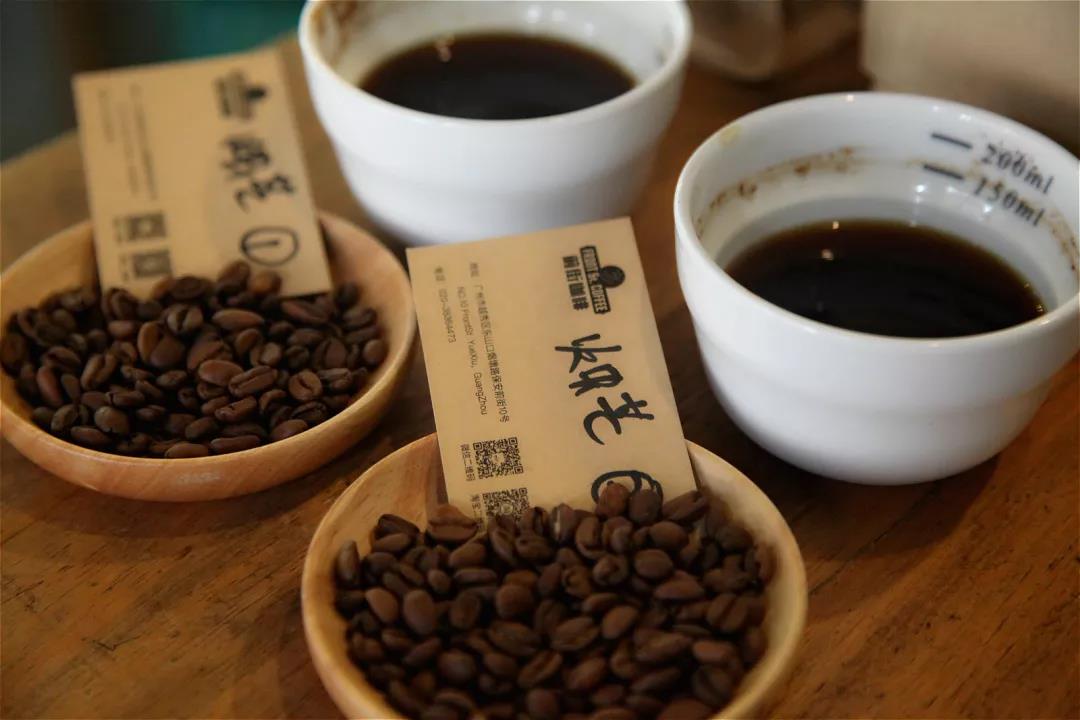
Ninety Plus Candlelight
Country: Ethiopia
Region: 90+ SNNP, Sidama
Altitude: 1750-2000 meters
Processing Method: Natural
Variety: Ethiopian Heirloom
Roast Level: Light Roast
Flavor: Floral aroma, nectarine, tropical fruits, blackberry, blueberry, plum, cream, cinnamon
Acidity: Medium-high
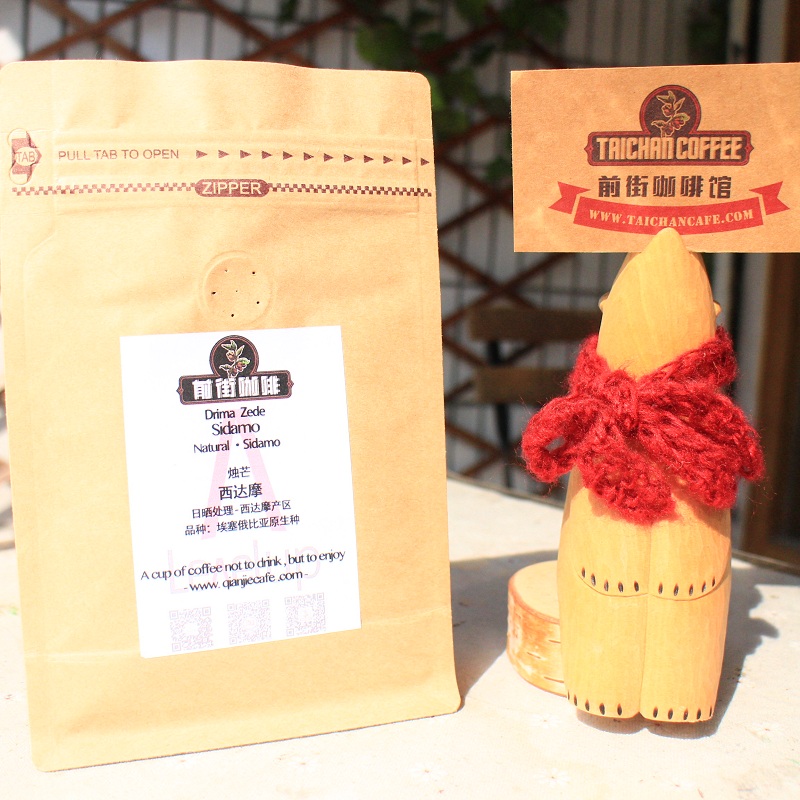
FrontStreet Coffee Recommendation
Geisha needs little introduction: translated from "Geisha," it is among the most beloved of all Arabica varieties, conquering countless coffee lovers with its unique florals and superb sweet-tart elegance, while low yield, weak disease resistance, and demanding cultivation keep its prices climbing. If you want a great-tasting Geisha without an outrageous price, know the tiers first. For a first taste of the legendary flavor, FrontStreet Coffee recommends the entry-level Panama Boquete Geisha: an affordable way to experience the classic orange-blossom-honey character, oolong-tea feel, delicate fruit acidity, and distinct layering of high-quality Panamanian Geisha.
For the top of the line, the Esmeralda Red Label Geisha ("Esmeralda Special") grows at 1600-1800 meters, must cup above 90 points per batch, and carries a unique plot number per lot, FrontStreet's Red Label comes from the Jaramillo plot, while the blended-plot Green Label ("Private Collection") offers the estate's signature high-altitude Geisha profile at a friendlier price. On the Ethiopian side, Geisha Village Gold Label (Gesha 1931, 10% of the estate's output, exquisite natural process) and Geisha Village Red Label (Gori Gesha, 15% of output, 88+ on the SCA 100-point scale, fully traceable single-terroir lots) reward advanced drinkers, as does the Genlana Gesha from the Genlana washing station established in 2014 and run by Mr. Israel Degefa, where hand-picked fully ripe cherries are sun-dried on raised beds for 14-20 days depending on weather, yielding bright citrus acidity, elegant ginger-flower aromas, and the variety's signature refined finish.
Brewing tip: Geisha is a medium-light roast with a dense, hard bean that tends to sink and clog the dripper. Grind for a 78% pass-through on the Chinese-standard #20 sieve (about the size of fine granulated sugar) and use water at 91°C. FrontStreet Coffee brews 15g of coffee in a small Hario V60 at a 1:16 ratio with a three-stage pour: bloom with 30g of water for 30 seconds, pour in small circles up to 125g, wait until the bed drains to half, then pour in small circles up to 225g. Total extraction time is around 2:10-2:20.
Important Notice :
FrontStreet Coffee is a long-established specialty coffee roaster in Guangzhou China, selling freshly roasted beans from its own farm in Yunnan as well as dozens of carefully selected single-origin beans from around the world for both pour-over and espresso. The products deliver consistently excellent quality and great value, with shipping within 24 hours. Guangzhou's FrontStreet Coffee shop is recommended by many coffee lovers, and the beans are now available online at the Tmall 。
FrontStreet Coffee has moved to a new address:
FrontStreet Coffee Address: 315,Donghua East Road,GuangZhou
Tel:020 38364473
 Scan and follow the En Gafei WeChat official account. Please indicate that the reprint comes from "En Gafei".