Yunnan Coffee Typica Special Feature: Flavor Profile and Taste Characteristics of Yunnan Small Bean Coffee for Pour-Over Brewing

Yunnan Province is the only region in China capable of producing high-quality Arabica coffee. Although the coffee industry is not a major direction for the country's agricultural development and has not received strong policy support, Yunnan holds a sacred place for those of us who work with coffee. In recent years, many coffee professionals from coastal regions have come to Yunnan to develop its coffee cultivation, because we firmly believe that Yunnan coffee can also produce beans that rival those from Ethiopia and Panama.
Yunnan Coffee Region
Yunnan sits between 21° and 29° north latitude, placing it within the coffee cultivation belt. It also lies on China's second topographical tier, with predominantly mountainous and hilly terrain. Most areas have elevations ranging from 600 to 3,000 meters. Yunnan's average monthly temperature in the hottest months ranges from 19°C to 22°C, while the coldest months average 6°C to 8°C, with significant diurnal temperature variation. Yunnan does not have distinct four seasons, but rather clear wet and dry seasons. The rainy season runs from May to October, while the dry season spans November to April of the following year. Most regions receive an average annual precipitation of 2,200 to 2,700 millimeters.

The main coffee cultivation areas in Yunnan are distributed across the southwestern part of the province: Lincang, Baoshan, Pu'er, and Dehong. In terms of the environmental conditions required for high-quality coffee, Yunnan barely meets the qualifying standards. To cultivate exceptional coffee, double the effort must go into post-planting care.
FrontStreet Coffee's history of coffee cultivation predates its physical store by half a year. At that time, we were growing coffee in a place called Dazhen in Guangdong province. When we had used Catimor to grow seedlings to 20cm tall, more than half a year had passed before we finally understood: the relationship and sequence between variety, altitude, and processing method. Choosing the right variety, planting it at the appropriate altitude, and after maturity experimenting with processing methods that express unique flavors - this is what FrontStreet Coffee believes is the only logical relationship by which specialty coffee can show distinct regional character.
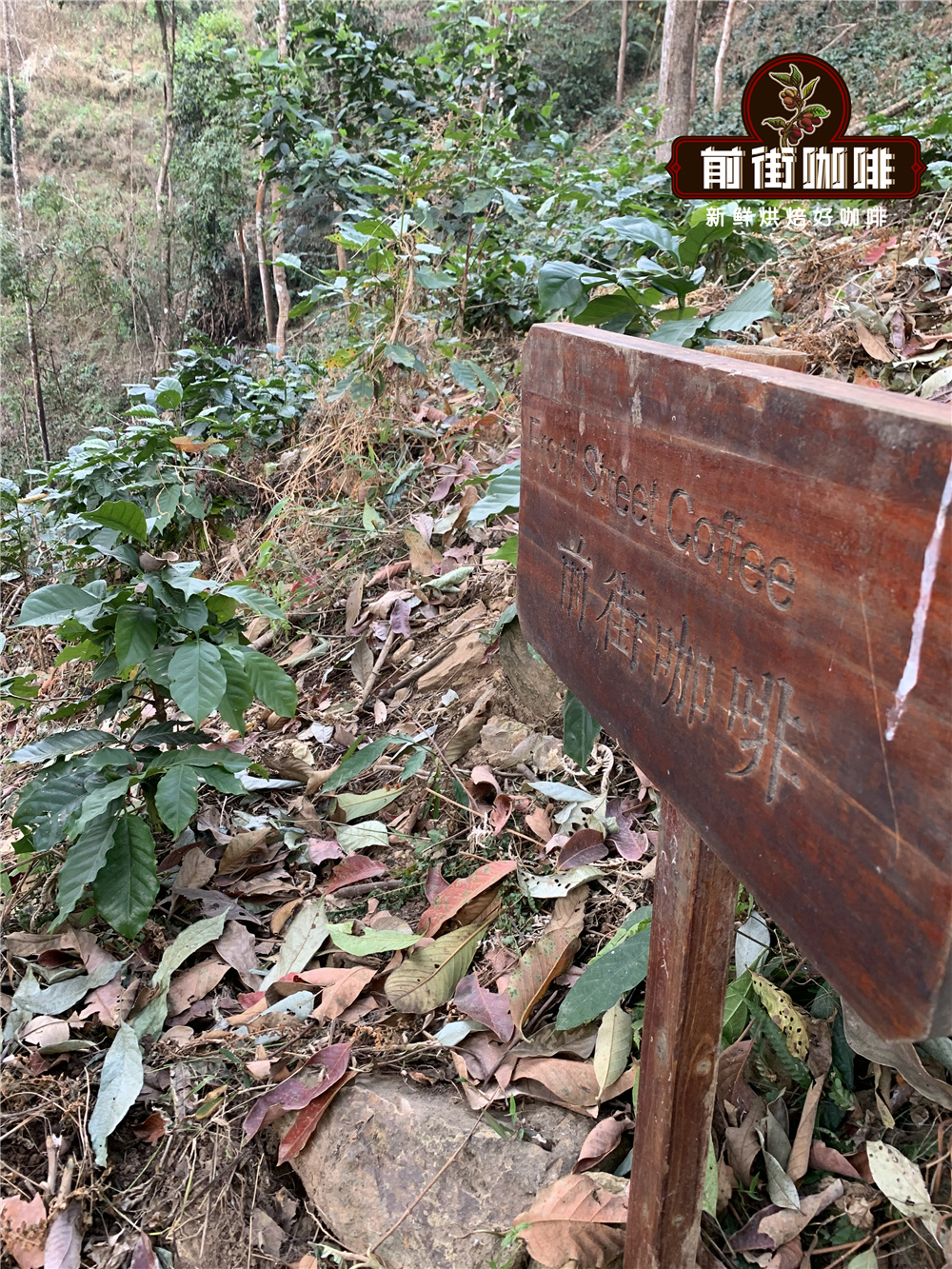
We therefore abandoned the plan to cultivate coffee in Guangdong. Since our initial roasting location was on Bao'an Front Street, we renamed "Dazhen Coffee" to "FrontStreet Coffee." At FrontStreet Coffee, while roasting coffee, we continued forward with our specialty coffee cultivation ideas, visiting the Tropical Agricultural Science Research Institute (which has in-depth research on coffee cultivation and the Ministry of Agriculture's coffee germplasm repository) and a few farmers who had planted specialty coffee. We clarified why Yunnan did not mainstream the cultivation of Typica and Bourbon - the staple varieties of specialty coffee - and, through a stroke of serendipity, also found suitable land for cultivation.
Arabica coffee beans have requirements for cultivation altitude: they need to be grown above 1,000 meters, and for better flavor the altitude needs to be higher still. Yunnan's generally low mountain elevations barely meet the qualifying standards, which is also a disadvantage for Yunnan coffee. To compensate for the altitude shortfall, excellent agronomic management is required, but the premise is having good coffee varieties.
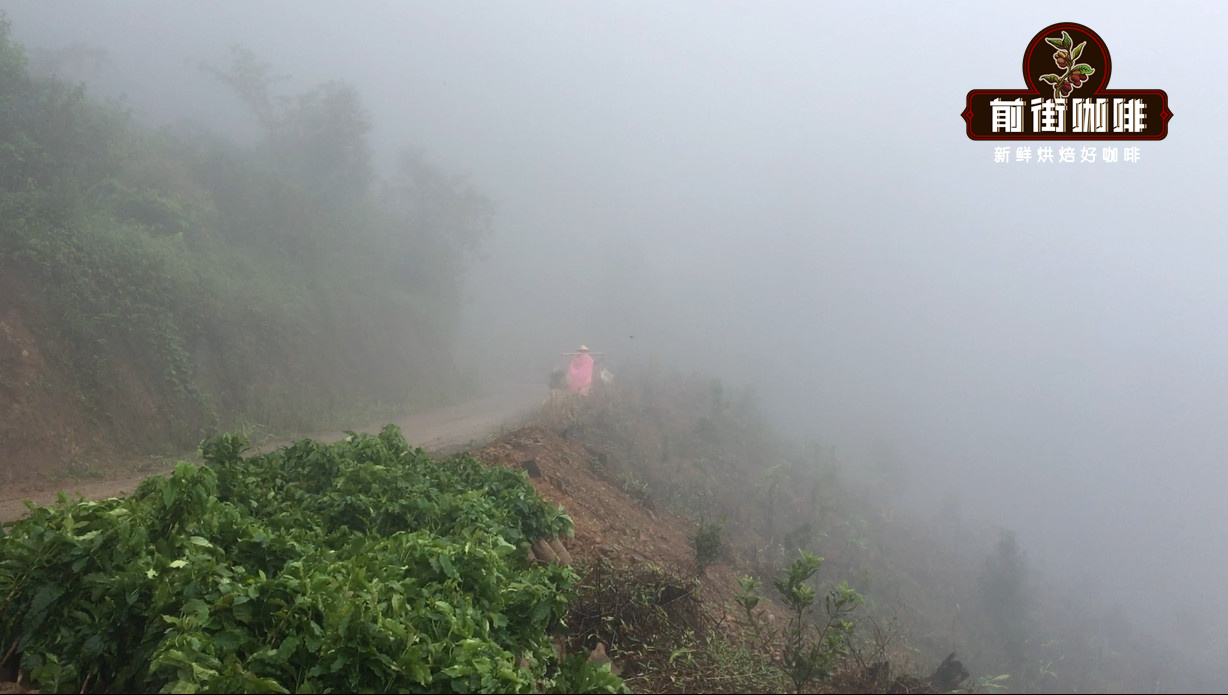
FrontStreet Coffee did not purchase a ready-made coffee estate but bought a mountain area suitable for cultivation, because FrontStreet Coffee deeply understands that even if the land is excellent, coffee planted with unsuitable varieties will not produce good flavor (at that time, Yunnan generally had Catimor). We therefore chose a path of starting coffee cultivation from scratch. The variety FrontStreet Coffee cultivated is Typica, which has excellent flavor among Arabica varieties. At the same time, Typica's yield is very low - only one-third of Catimor's yield - which explains why it is more expensive. Typica and Bourbon are also very susceptible to coffee leaf rust, one reason farmers are reluctant to plant Arabica varieties.
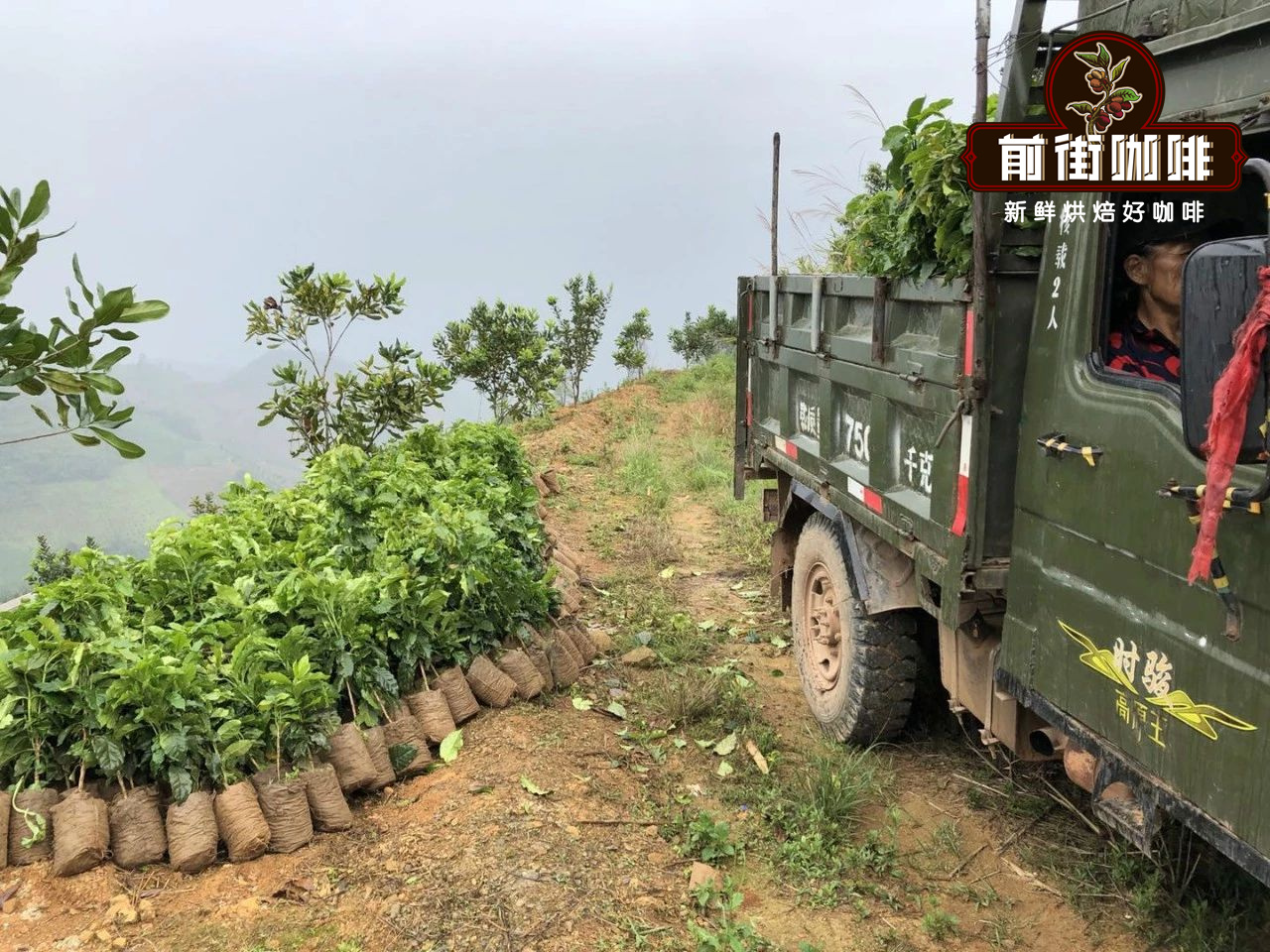
Yunnan has no four seasons, only dry and wet seasons, and most coffee regions face similar conditions. This is also the fundamental reason why some regions use the natural processing method. Entering June marks the beginning of the rainy season in the growing regions. The next three to four months will be rainy, which is the most favorable period for coffee cultivation. Only by planting seedlings during this time can they develop robust root systems under months of rainfall, enabling them to survive the first six-month dry season.
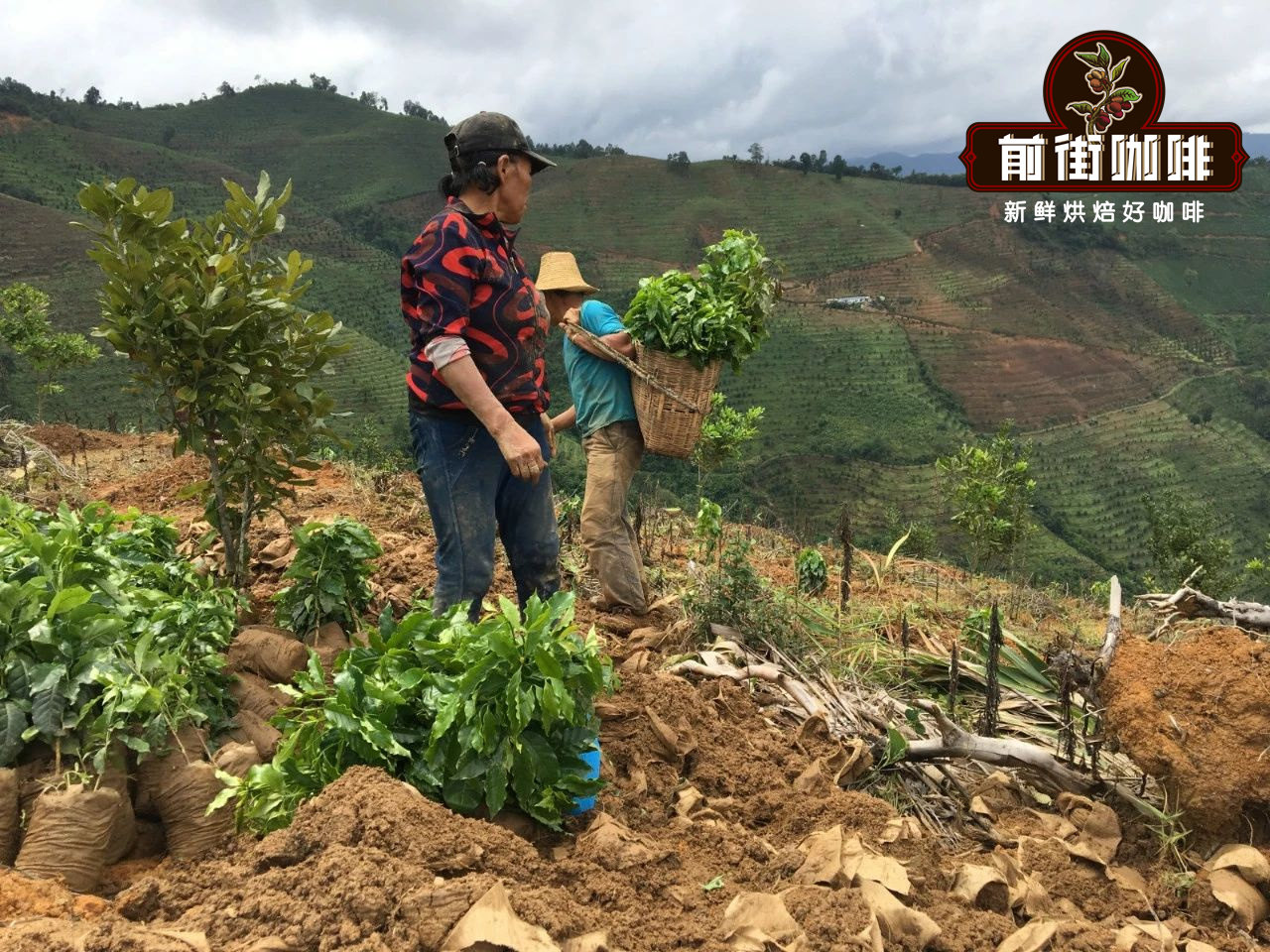
Starting coffee cultivation from scratch also carries a high time cost. Coffee takes three to four years from seedling to first harvest, and then experimenting with suitable processing methods and finally reproducing them means it takes at least five years to get the first batch of coffee. No one can guarantee immediate production of high-quality specialty coffee. FrontStreet Coffee firmly believes that nothing in this world is that easy. After multiple variety selections and post-harvest processing experiments, several more years have passed.
Due to the pandemic last year, our Yunnan trip was postponed until this year.
This is the coffee tree that FrontStreet Coffee planted in May 2016, which now stands over 3 meters tall.
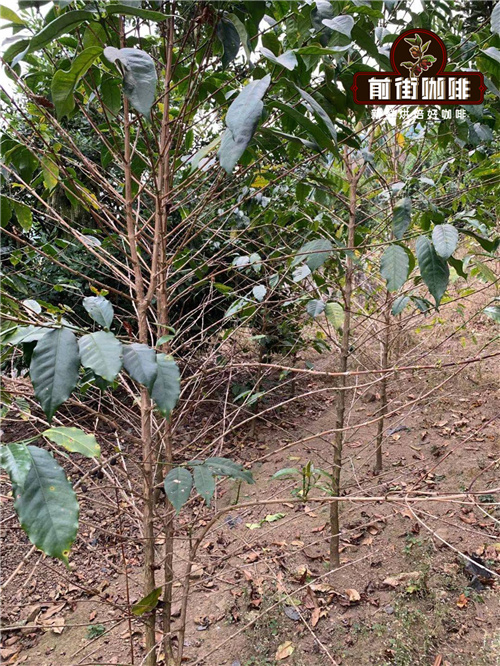
The Typica seedlings planted in May 2019 now have lush foliage.
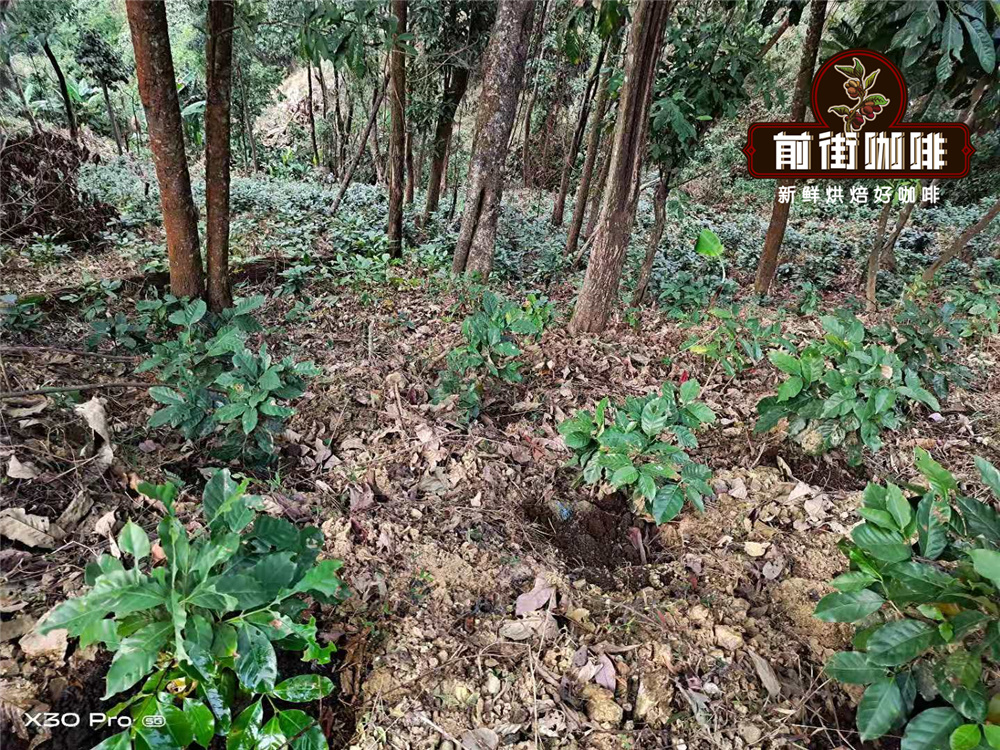
This year, FrontStreet Coffee's coffee production in Yunnan is approximately over 100 kilograms.
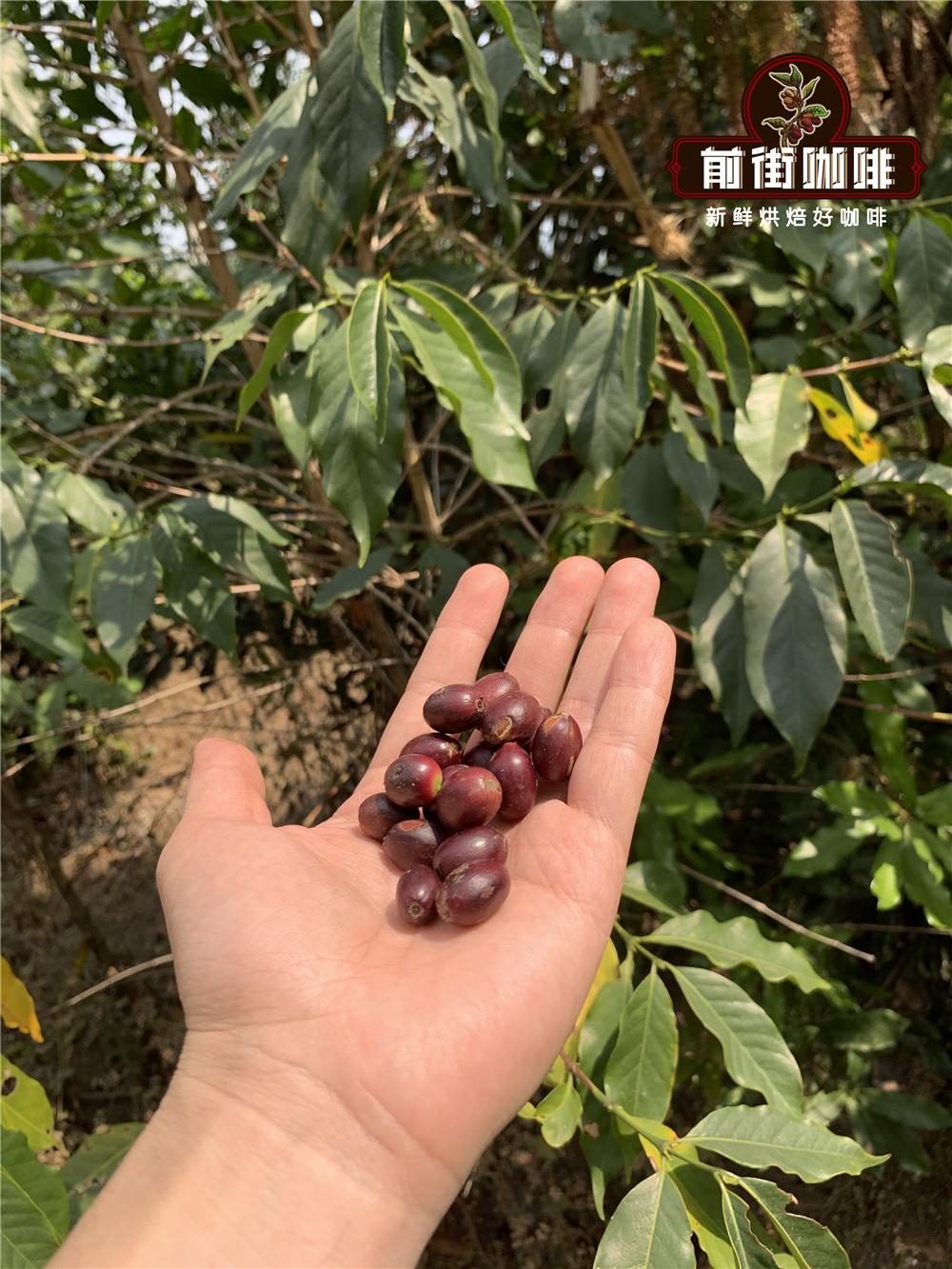
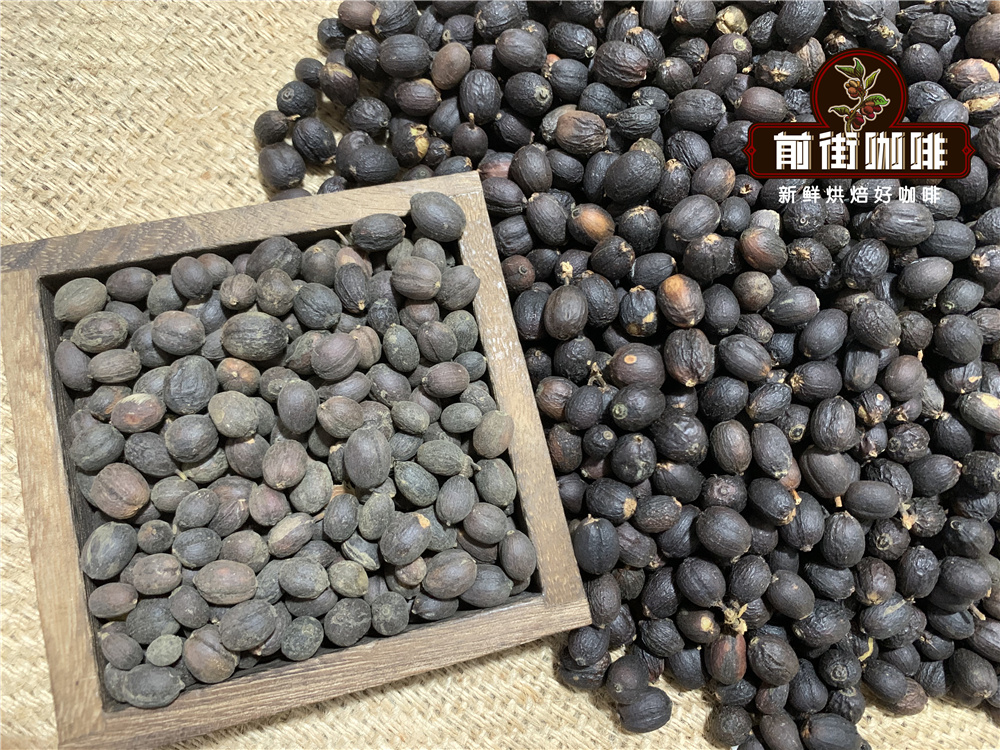
This year, FrontStreet Coffee brought back the first batch of coffee cherries to Guangdong for natural processing.
Yunnan Coffee Bean Varieties
Originally, small-grained coffee referred to the Typica variety. Later, with the country's policy of reform and opening up and the entry of international brands like Nestle and Starbucks, demand for coffee beans increased significantly. Since Typica has low disease resistance and low yield, and companies like Nestle promoted the cultivation of the Catimor variety in Yunnan, which has high disease resistance and high yield, many coffee farmers cut down the elegant-flavored Typica trees and switched to Catimor for the sake of income. Now, 90% of Yunnan's coffee is Catimor, also called small-grained coffee. (Both Typica and Catimor belong to the small-grained Arabica species, and today Yunnan small-grained coffee generally refers to the Catimor variety.)

The Catimor variety is a hybrid between the Timor variety, which has Robusta genes, and the Caturra variety. Because Catimor has Robusta genes, it has a slight off-flavor and does not match up to Typica.
FrontStreet Coffee's self-produced coffee is named "FrontStreet Coffee 2013" to commemorate the starting point of FrontStreet Coffee's coffee exploration journey. This batch of FrontStreet Coffee Yunnan coffee beans is entirely made of Typica - the ancient Arabica variety often mentioned for its excellent flavor. FrontStreet Coffee used natural processing to ensure the pure, natural flavor of the coffee. After drying, the beans were not immediately hulled but were transported to FrontStreet Coffee's roasting facility in Guangdong for hulling, which reduces damage to the green beans during transport. FrontStreet Coffee used a medium roast for these FrontStreet Coffee Yunnan beans. In cupping, they exhibit flavors of ripe fruit, chocolate, and brown sugar.

FrontStreet Coffee Yunnan Natural Typica Coffee Brewing Parameters
Filter: V60
Water Temperature: 88°C
Dose: 15 grams
Ratio: 1:15
Grind Size: Fine sugar granules (Chinese standard 20-mesh sieve pass rate 80%)

FrontStreet Coffee Brewing Method: segmented extraction. Use 30g of water for a 30-second bloom. When pouring water in a small circular motion to 124g, pause the pour. Continue pouring to 227g when the water level drops and is about to expose the coffee bed. Remove the filter when the water level drops and is about to expose the coffee bed (timing starts from the bloom). Extraction time is 2 minutes.
Flavor Description: FrontStreet Coffee Yunnan Natural Typica also has nutty notes, with a fuller body compared with Yunnan washed coffee. The acidity is slightly lower than Yunnan washed Typica, but the sweetness is slightly higher, with better balance. It has berry-like acidity, mixed with brown sugar, and a slight tea-like sensation.
FrontStreet Coffee Yunnan Small-Grained Coffee Brewing Parameters
Filter: V60
Water Temperature: 88°C
Dose: 15 grams
Ratio: 1:15
Grind Size: Fine sugar granules (Chinese standard 20-mesh sieve pass rate 80%)
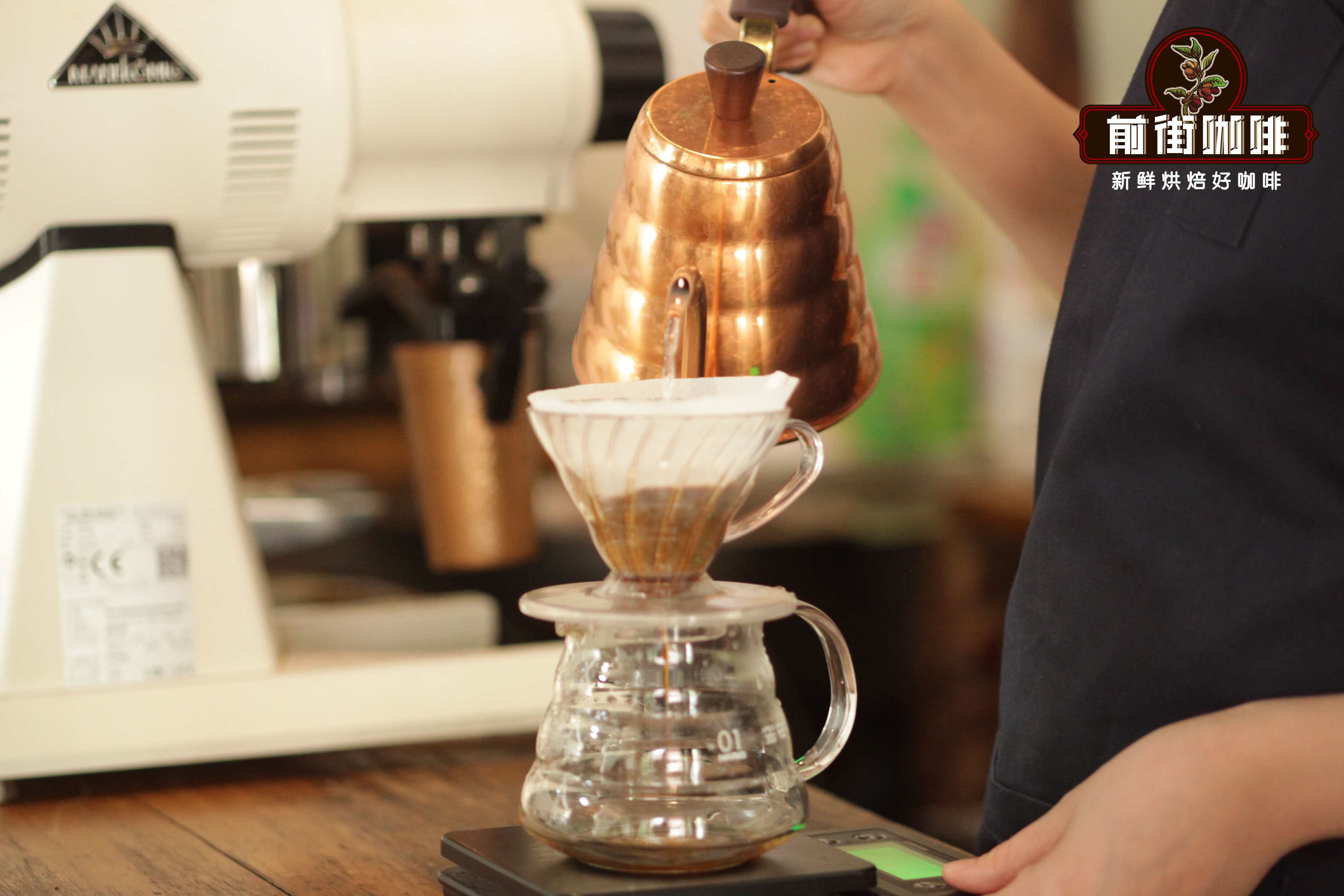
FrontStreet Coffee Brewing Method: segmented extraction. Use 30g of water for a 30-second bloom. When pouring water in a small circular motion to 124g, pause the pour. Continue pouring to 227g when the water level drops and is about to expose the coffee bed. Remove the filter when the water level drops and is about to expose the coffee bed (timing starts from the bloom). Extraction time is 2 minutes.
Flavor Description: FrontStreet Coffee Yunnan Small-Grained Coffee has a strong nutty aroma. When tasted, it reveals herbal, chocolate, and caramel flavors, with a finish that carries a hint of light fruit acidity.
For professional coffee knowledge exchange and more coffee bean information, please follow Coffee Workshop (WeChat public account: cafe_style).
For more specialty coffee beans, please add FrontStreet Coffee's private WeChat account: kaixinguoguo0925.
FrontStreet Coffee Recommendation
Yunnan's Typica has come a long way since 1904, when a French missionary named Tian Deneng brought Typica seedlings from Vietnam and planted the first coffee tree in Zhugula village, Binchuan county. FrontStreet's Yunnan Small-Grained Coffee from the Baoshan region is the approachable entry point: washed and medium roasted, it shows soft nut and chocolate sweetness with a light plum acidity, and has become many drinkers' first taste of Yunnan.
For a clearer, more layered expression of the region, FrontStreet's 2013 Yunnan Natural Typica is the step up. FrontStreet planted the estate in 2013 and grows Typica - one of the oldest and purest Arabica varieties - then processes it naturally from fully ripe red cherries and roasts it medium to keep the cup balanced and the sweet-tart character prominent. It brings dark berry notes with caramel sweetness, chocolate, and a hint of dried apricot, finishing with a black tea aftertaste.
To drink Yunnan in espresso form, FrontStreet's Black Cocoa Blend pairs Yunnan small-grained coffee with Brazil Cerrado: the Brazilian component supplies mixed-nut aroma and a balanced body, while the Yunnan component plays the chocolate and citrus role. The result is an Americano with balanced sweet, sour, and bitter notes and a nut and brown sugar sweetness, and a latte with the smooth texture of almond and cream - an easy blend for beginners.
Important Notice :
FrontStreet Coffee is a long-established specialty coffee roaster in Guangzhou China, selling freshly roasted beans from its own farm in Yunnan as well as dozens of carefully selected single-origin beans from around the world for both pour-over and espresso. The products deliver consistently excellent quality and great value, with shipping within 24 hours. Guangzhou's FrontStreet Coffee shop is recommended by many coffee lovers, and the beans are now available online at the Tmall 。
FrontStreet Coffee has moved to a new address:
FrontStreet Coffee Address: 315,Donghua East Road,GuangZhou
Tel:020 38364473
 Scan and follow the En Gafei WeChat official account. Please indicate that the reprint comes from "En Gafei".