Yirgacheffe Coffee Bean Origin, Yirgacheffe G2 Coffee Bean Grade Flavor Profile and Characteristics
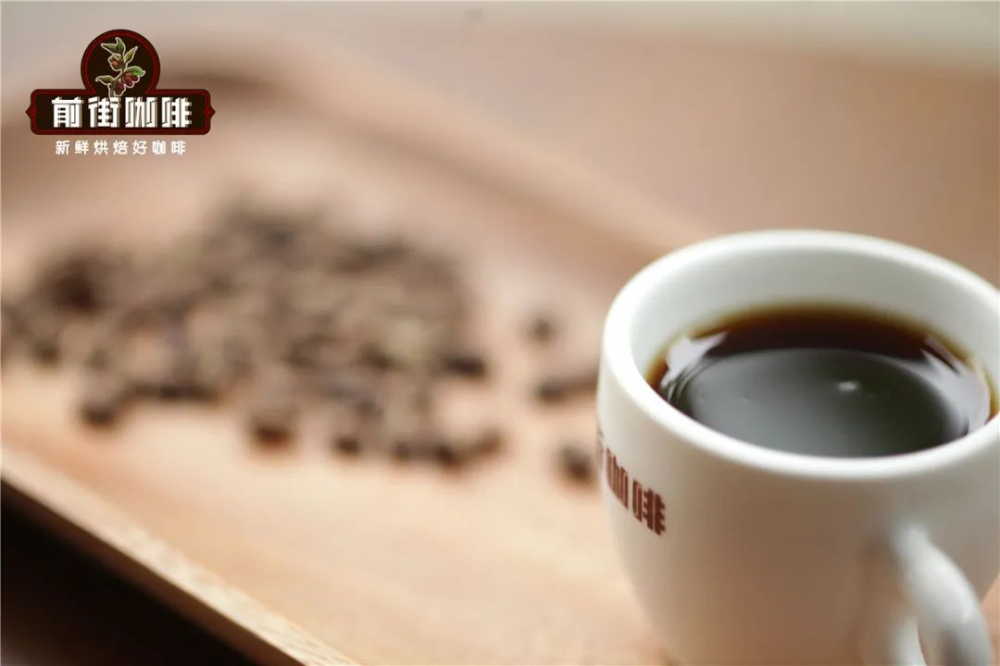
Even if you do not like acidic coffee, anyone who drinks coffee regularly has surely heard of Yirgacheffe. The so-called Yirgacheffe profile means bright citrus and lemon with jasmine florals, a white-flower fragrance on entry, and plenty of fruit sweetness and acidity. FrontStreet Coffee believes this is the unique regional taste of Ethiopian coffee: the terroir and climate give the coffee its distinctive aromatics. FrontStreet Coffee has therefore added washed Yirgacheffe to its daily-supply bean series, so everyone can experience the classic Yirgacheffe profile.
Yirgacheffe Coffee Bean Growing Regions
Ethiopia's coffee cultivation is concentrated in the west and south, with smallholder families accounting for 90% of total cultivation. Nearly 1.2 million smallholder families depend on coffee for their livelihood. Local production systems fall into four types: forest coffee, semi-forest coffee, garden coffee and large plantations, with garden coffee the most common.
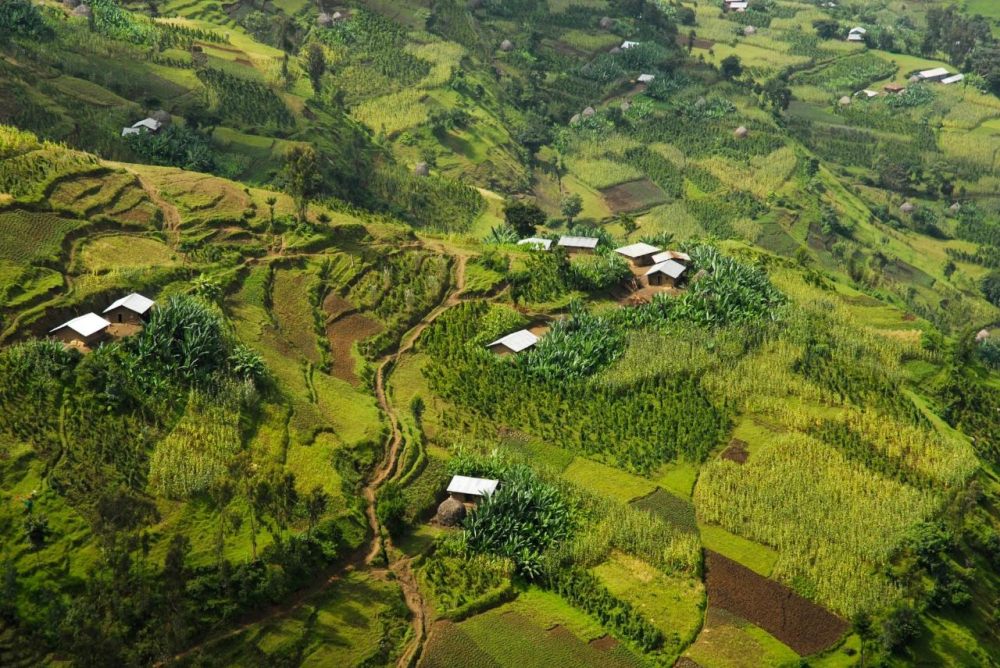
Because smallholder volumes are so small, local areas rely on coffee cooperatives and processing stations to handle the green coffee from their regions. Farmers deliver their harvested beans to nearby stations built near water sources for unified processing, and the coffee is then sold under the station's name. The Yirgacheffe growing region is one of these areas. The name comes from the town of Yirgacheffe, a small town at an ultra-high altitude of 1,700-2,100 meters, where mist lingers by day and spring-like conditions prevail all year. Growers plant coffee trees alongside other crops in their backyards or in the fields in front of their homes. Strictly speaking, Yirgacheffe is a sub-region of Ethiopia's Sidamo province, to the northwest of Sidamo. Later, because the coffee produced here gained such distinctive flavor and became world-renowned, it separated from Sidamo to become its own category.
In 2004, the Ethiopian government registered the flavor profiles of three domestic coffee-growing regions, including Yirgacheffe®, as commercial trademarks to promote the industry. In 2008 the Ethiopia Commodity Exchange (ECX) was established, with coffee among the auctioned commodities. The government introduced quality grading and flavor classification for exported coffee so buyers can purchase coffee with trademarked flavor profiles. Origins with Yirgacheffe flavor characteristics include Yirgacheffe, Wenago, Gelena Abaya and Kochere.
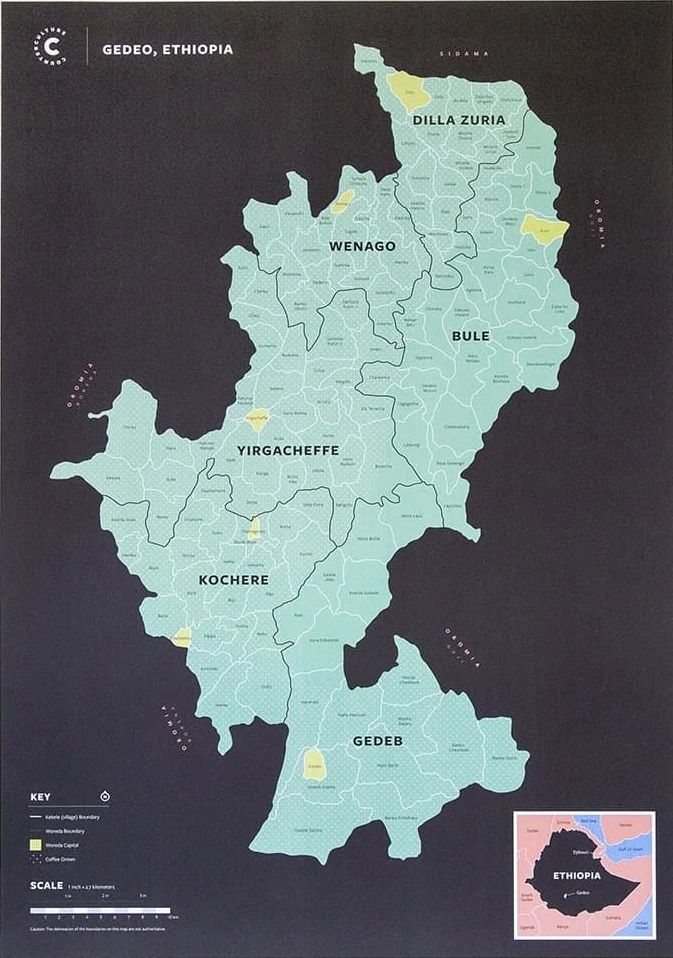
Not all coffee from these four administrative regions can be sold as "Yirgacheffe flavor," however, because it must first pass the Ethiopian government's flavor certification to confirm it carries Yirgacheffe flavor characteristics before the trademark can be used. FrontStreet Coffee's Yirgacheffe supply beans are selected from washed G2 grade Yirgacheffe.
What is G2 Grade?
Ethiopian green coffee is divided into two main categories by processing method, natural and washed, and then classified by the number of defects and by cupping quality. In Ethiopia's grading system, grades start with G and run across 5 levels, with smaller numbers meaning higher grades. G1 allows no more than 3 defective beans per 300 grams of green coffee, while G2 allows 4-12 per 300 grams. Since hand sorting happens both before and after roasting, the gap in defects between G1 and G2 narrows in the roasted state, which makes G2 Yirgacheffe an exceptionally cost-effective bean.
What are Heirloom Varieties?
As the birthplace of Arabica, Ethiopia preserves more than ten thousand indigenous Arabica varieties. Coffee is generally grown in three main systems: smallholder cultivation, semi-forest cultivation and forest cultivation. Among these, semi-forest coffee trees typically grow as wild varieties in natural settings, with farmers managing the growing areas while also cultivating other crops. Heirloom varieties are usually identified and confirmed by growers from years of experience, because the number of varieties is so large that genetic testing on a larger scale is nearly impossible. Meanwhile, the local government hopes to protect these unknown varieties from being sought after by industry professionals from other countries, so it decided to name them "Heirloom."
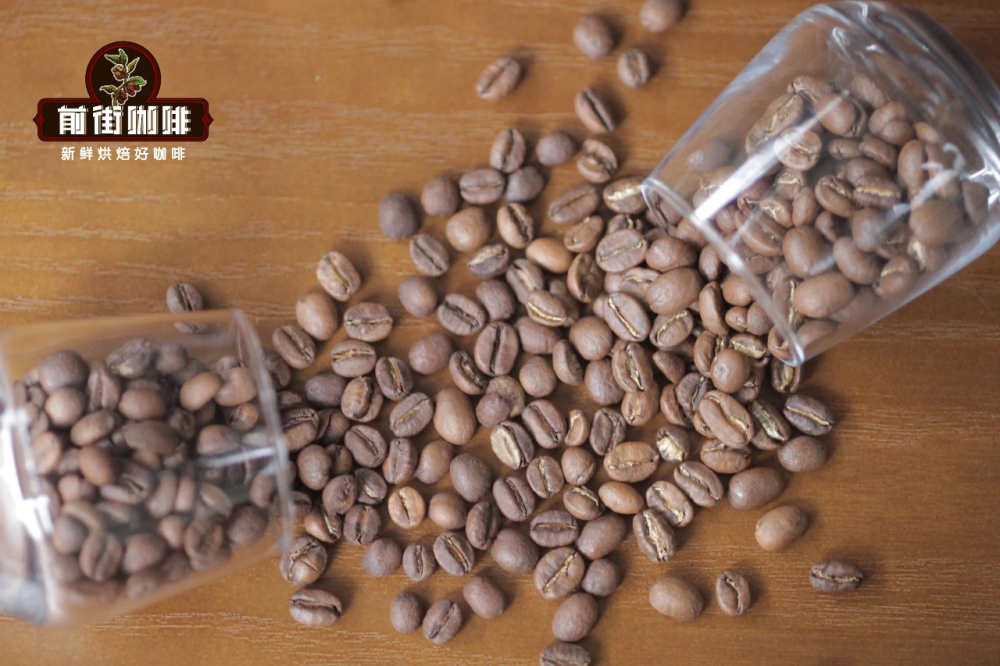
As the birthplace of Arabica, Ethiopia holds thousands of Heirloom varieties, which makes it a truly unique growing region. Heirloom beans are generally small and relatively round, not very uniform in shape, mostly between 14-15 screen size. In the cup they often show elegant floral and fruit flavors that are deeply loved.

Why Choose Washed Yirgacheffe?
Yirgacheffe owes its distinctive style in large part to the washed processing technology the Ethiopian government introduced from Central and South America in 1972, alongside its natural terroir.
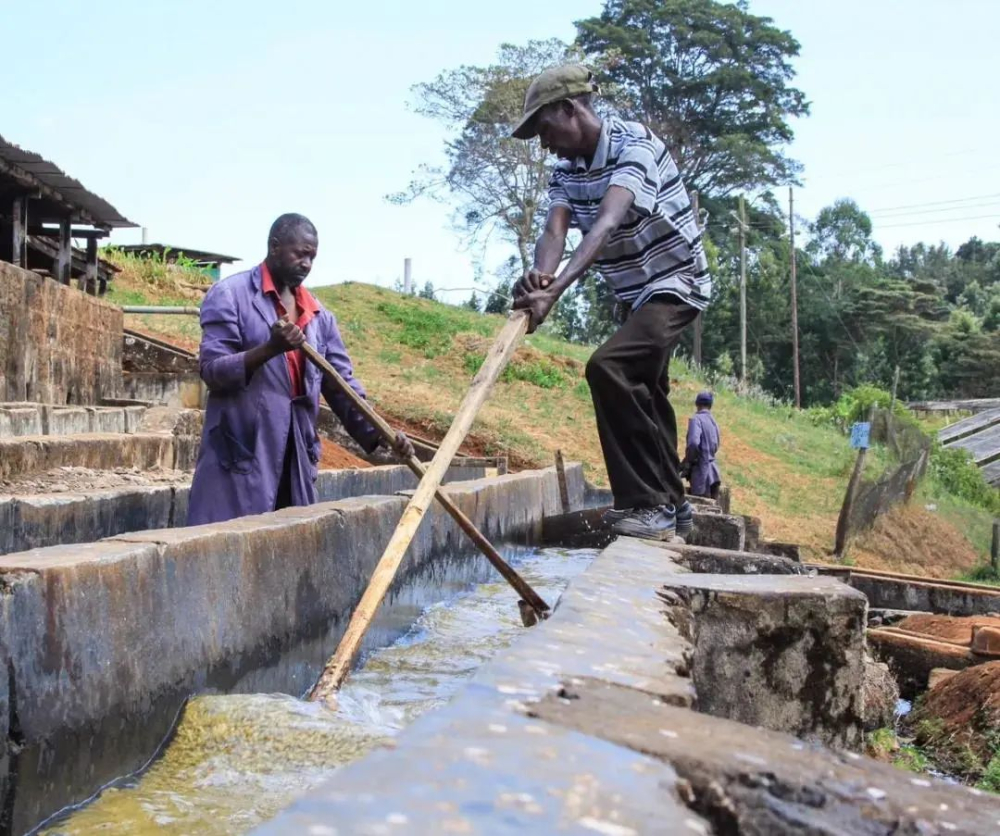
Farms using the washed method must build washing tanks capable of supplying continuous fresh water, which raises production costs. During processing, fermented beans are placed in tanks and moved back and forth, using friction between the beans and the power of flowing water to wash them until smooth and clean. Each step removes impurities and defective beans, giving more uniform green coffee, and the final trading price is higher than for naturally dried coffee. Washing not only sharply reduces the defect rate but also gives Yirgacheffe its fresh citrus tones and elegant white floral notes, with an overall flavor that is bright, delicate and clean.
FrontStreet Coffee's Yirgacheffe supply beans are washed and medium-light roasted, showing the classic Yirgacheffe notes, and they suit a range of brewing methods including pour-over, cold brew and French press. The daily-supply series lets people new to coffee experience the fundamental flavors of a growing region at an affordable price, while the small packaging avoids waste from coffee left unfinished. To taste the classic aroma of Yirgacheffe, FrontStreet Coffee believes hand-brewed black coffee is the best choice.
Brewing Recommendations
Dripper: V60
Water Temperature: 92-93°C
Coffee Dose: 15g
Coffee-to-Water Ratio: 1:15
Grind Size: Fine sugar size (78% retention through #20 sieve screen)
Three-Pour Method: Use twice the coffee dose in water to moisten the coffee bed, forming a dome for a 30-second bloom. Then, with a small stream, pour in concentric circles from inside out until reaching 125g, pausing until the coffee bed drops to half the dripper's height. Continue with the same fine stream for the third pour to 225g, until all the liquid has filtered through, then remove the dripper. Total time should be about 2 minutes.
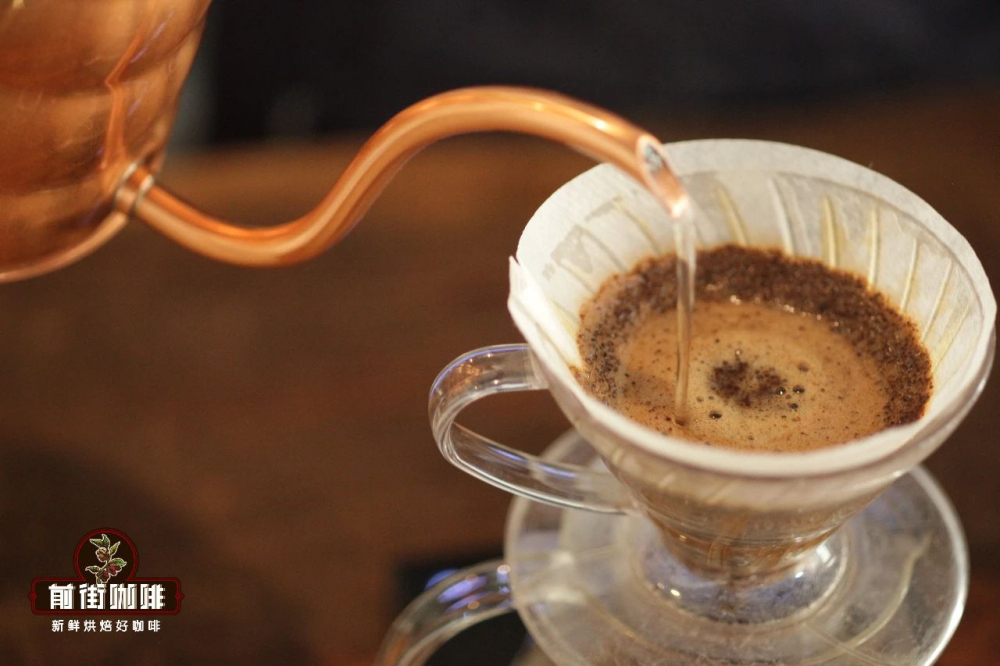
Ground into powder, washed Yirgacheffe releases honey and jasmine aromas. As hot water is poured, it begins to give off subtle berry fruit notes. The hand-brewed black coffee opens with bright lemon, citrus and green tea notes. As the temperature falls, berry, cream and sugarcane aftertastes emerge, with a noticeable sweet finish and a clean, sweet mouthfeel.
FrontStreet Coffee Recommendation
For anyone new to Ethiopia, FrontStreet Coffee's washed Yirgacheffe daily drinker is the classic starting point. It is known for white jasmine, bright citrus and lemon acidity and a tea-like body, and its friendly price has made it the first specialty coffee for many drinkers. Yirgacheffe town sits in Sidama province at roughly 1,700-2,100 meters, with the trees planted above 1,800 meters, making it one of the world's highest coffee regions; it was separated from Sidamo only in 2010 as its fame grew.
FrontStreet brews its Yirgacheffe in a V60 at 90-91°C, using 15 g of coffee and a 1:15 ratio with a grind of EK43s setting 10, about fine granulated sugar (80% passing a No. 20 sieve). Pour in three stages: a 30 g bloom for 30 seconds, then 95 g (about 125 g on the scale), finished in roughly one minute; once the water drops to two-thirds of the bed, add the remaining 100 g (about 225 g on the scale) and finish around 1:35, with drawdown complete at 2:00-2:10.
If you want to go further, FrontStreet's washed Gedingding Cooperative coffee comes from the Worka area at the southeastern edge of Yirgacheffe. It was originally part of the YCFCU's Worka cooperative before being recognized as a single-origin lot, and it shows fresh citrus and lemon acidity with jasmine fragrance rather than any bitterness. For a fruitier cup, FrontStreet's Natural Red Cherry uses full-red-cherry natural processing for citrus acidity, berry juice, honey sweetness and a creamy smoothness.
Important Notice :
FrontStreet Coffee is a long-established specialty coffee roaster in Guangzhou China, selling freshly roasted beans from its own farm in Yunnan as well as dozens of carefully selected single-origin beans from around the world for both pour-over and espresso. The products deliver consistently excellent quality and great value, with shipping within 24 hours. Guangzhou's FrontStreet Coffee shop is recommended by many coffee lovers, and the beans are now available online at the Tmall 。
FrontStreet Coffee has moved to a new address:
FrontStreet Coffee Address: 315,Donghua East Road,GuangZhou
Tel:020 38364473
 Scan and follow the En Gafei WeChat official account. Please indicate that the reprint comes from "En Gafei".