Characteristics of Brazilian Coffee Beans, Brazilian Semi-Washed Process Arabica Coffee Beans Suitable for Pour-Over Coffee
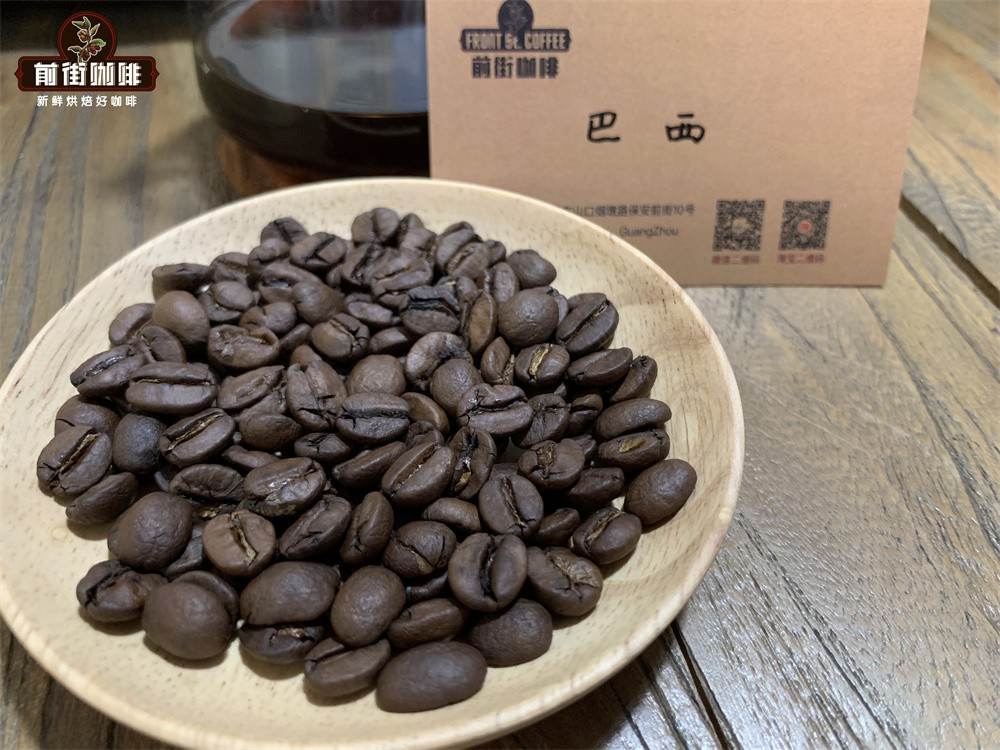
Brazilian coffee beans usually show up in blends, though single-origin examples do exist, such as FrontStreet Coffee's staple Brazilian coffee and the single-origin Brazil Queen Coffee. They remain relatively rare, and FrontStreet Coffee believes this has to do with the beans' inherent flavor. As an American coffee, Brazilian beans lack the distinct florals and fruity acidity of African beans, and they do not carry the rich nutty and chocolate notes of Asian beans either. Brazilian beans are large and aromatic, with moderate bitterness and good-quality acidity. The overall taste is smooth and low in acidity, endlessly complex when savored slowly. Brazilian coffee combines low acidity with the sweet bitterness of coffee, giving an exceptionally smooth mouthfeel with a faint grassy note. It is refreshing with a touch of bitterness, smooth and pleasant, and leaves a clean aftertaste. That is why Brazilian beans are perfect for blends, and it is fair to say there would be no good espresso without good Brazilian coffee.
Brazilian Coffee Origins
Brazil is the world's largest coffee-producing country, and its quality is relatively stable. Located in the tropics, northern Brazil has a hot, humid tropical rainforest climate suited to tropical crops. Coffee trees love sun, and adequate sunlight is essential to their growth. Compared with other coffee countries in Central and South America, Brazil's altitude is markedly lower. The terrain is flat and monotonous, lacking microclimates, and the traditional full-sun (non-shade) approach has shaped Brazil's distinctive soft-bean flavor: low acidity, heavy nutty notes, chocolate sweetness, and excellent body, though with slight woody and earthy notes, while florals and citrus stay in the background. Simply put, Brazilian coffee is lighter and more balanced, far less likely to show the wild, lifted acidity and citrus notes of African beans.

Brazilian coffee beans come mainly from the central and southern parts of the country, spread across 7 states and roughly 14 coffee production areas: Sul de Minas, Serra da Mantiqueira, Chapada de Minas, Matas de Minas, Mogiana, Centro-Oeste de Sao Paulo, Montanhas do Espirito Santo, Conilon Capixaba, Cerrado, Planalto da Bahia, Atlantico Baiano, Parana, Rondonia, and Cerrado. Among them, the most representative is undoubtedly the Cerrado region. The Sul de Minas and Cerrado regions have contributed enormously to the rise of Brazilian coffee and remain the premium zones for Brazilian specialty coffee.
Sul de Minas
Sul de Minas became a premium coffee area largely thanks to its terrain and climate. It sits above 1,100 meters with varied topography, distinct wet and dry seasons, significant day-night temperature differences, and diverse microclimates, making it well suited to Bourbon and Yellow Bourbon. It is Brazil's earliest coffee production area. Because of rising labor costs, most harvesting is now done mechanically. It was also the first area to commercialize coffee, and many large exporters are still based here.
Cerrado
The historic centenary coffee farm Fazenda Baipu in Brazil is located in the Cerrado region. It is a Brazilian coffee region that has obtained designation-of-origin status, similar to the renown of its wine regions. Fazenda Baipu enjoys excellent volcanic soil, a balanced wet and dry season, high altitude, and adequate rainfall and sunshine.
The Cerrado region lies in the mountainous southern part of the "Cerrado Grassland Climate Zone," which spans eight provinces in central Brazil and covers roughly two million square kilometers. This vast grassland makes up 22% of Brazil's total area and lies deep in the country's interior. In Portuguese, "Cerrado" means "closed land." The Cerrado grasslands run from Mato Grosso province in southwestern Brazil through the central-western part of Minas Gerais and into the western part of Bahia province. The so-called Cerrado Coffee Region refers to the area where the grasslands reach into Minas Gerais state at altitudes of 850-1,200 meters. This sets it apart from the "Sul de Minas" region, also in Minas Gerais. The flat, open grassland is especially suited to large estates, helped by distinct wet and dry seasons and a relatively cool plateau climate.
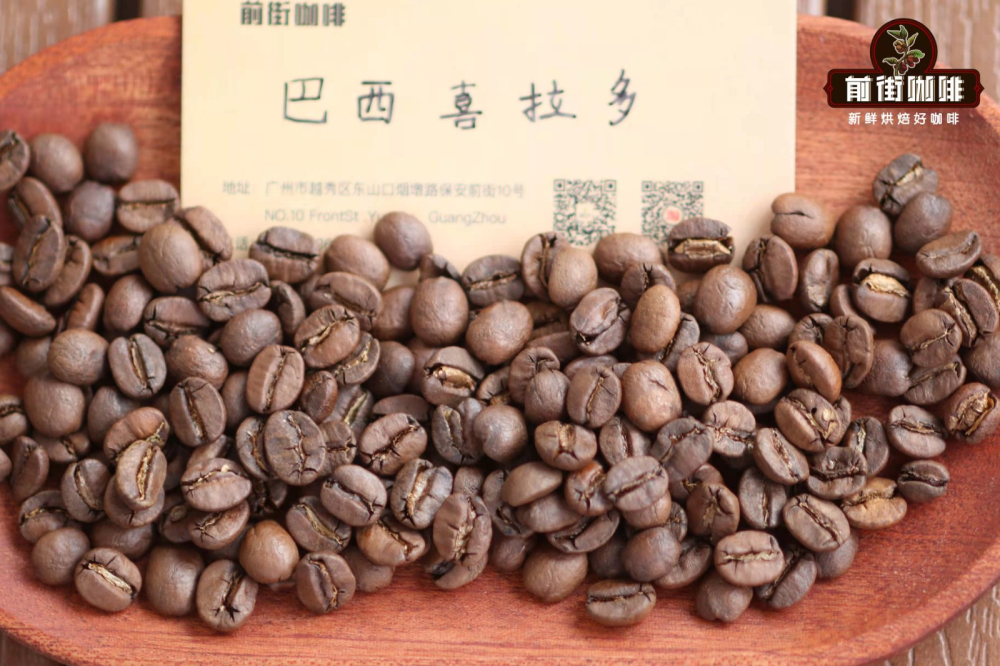
Of course, not all Cerrado coffee comes from the whole grassland, but only coffee-growing areas in the central-western part of Minas Gerais above 1,000 meters can be called Cerrado coffee regions. This area is the essence of the Cerrado grasslands, with high altitude and fertile soil, producing specialty beans that are sweet, full-bodied, and clean. FrontStreet Coffee finds that coffee from this region has a rich flavor without earthy notes.
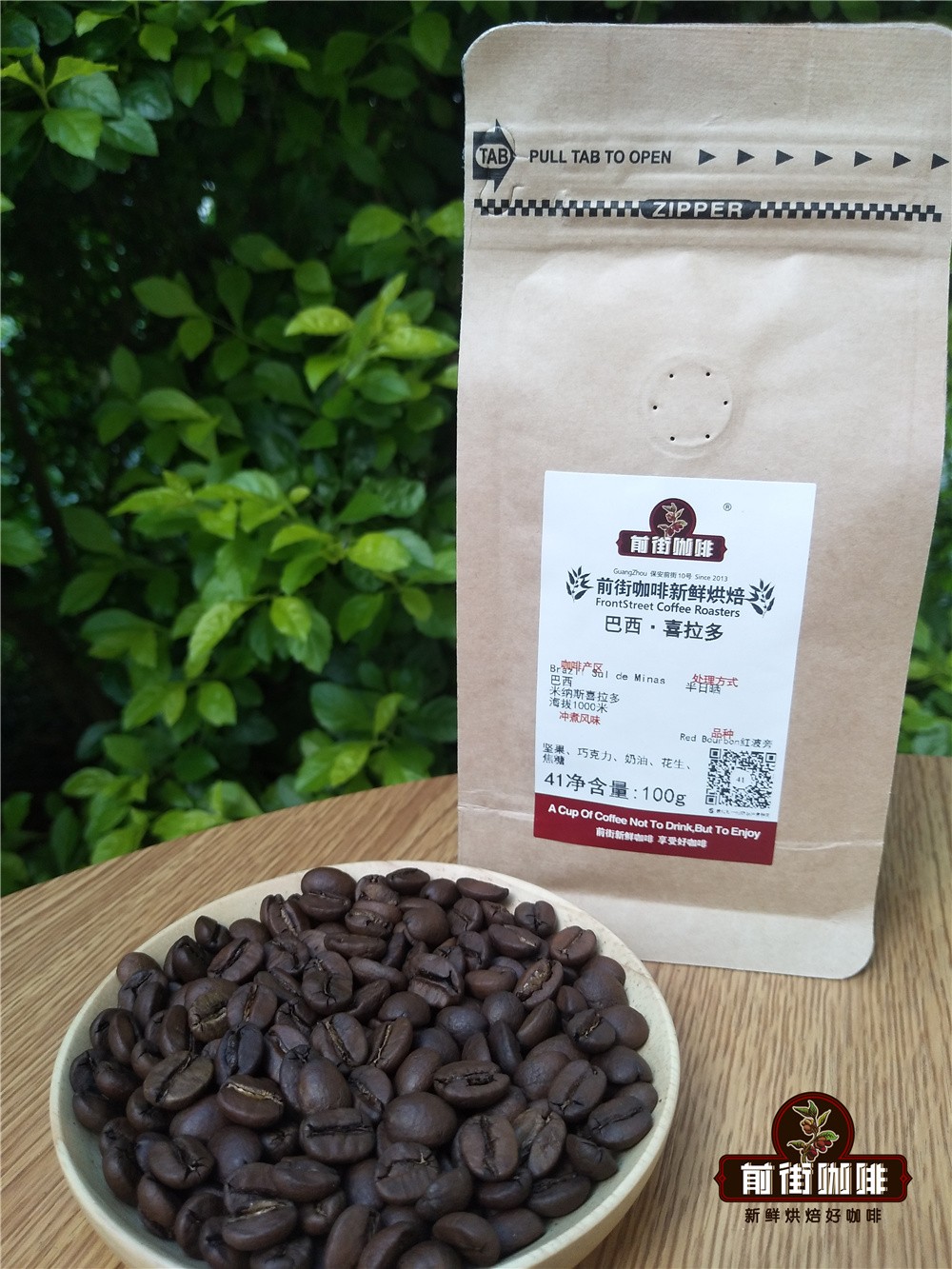
FrontStreet Coffee's staple Brazilian coffee comes from the Cerrado region of Brazil.
Mogiana
This area lies very close to southern Minas. Coffee grows among bushes, grassland, and other plants. There are many farming families here, some running traditional large farms and others adopting small-scale modern operations. The combination of modern technology and mountain coffee-growing culture produces the highest-quality green beans.
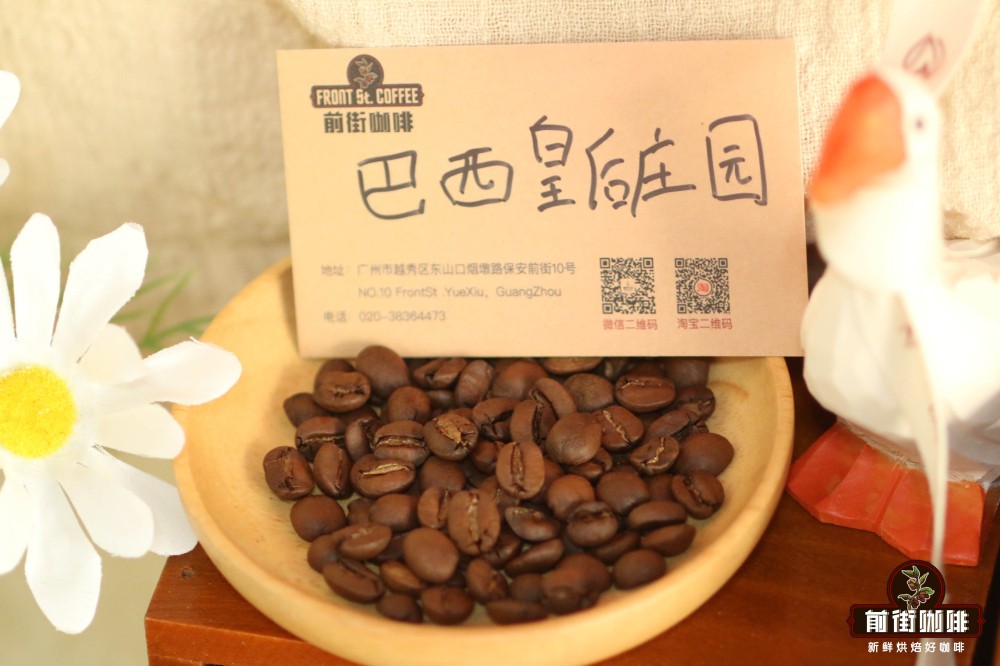
FrontStreet Coffee's Brazil Queen Coffee comes from Yellow Bourbon in the Mogiana region.
Brazilian Coffee Bean Varieties
Bourbon and Typica are both ancient varieties. The main varieties of Brazilian coffee are Bourbon, Mundo Novo, and Catuai. Yellow Bourbon is generally grown only in Brazil, such as the Brazil Queen Estate beans at FrontStreet Coffee, which are Yellow Bourbon. Brazilian Bourbon has higher yields, rounder beans, rich berry acidity, and very distinct creamy aromas, but its disease resistance is relatively poor.
Red Bourbon

Red Bourbon is a sub-variety that arose from a Typica mutation. Along with Typica, it is one of the oldest coffee varieties still in existence. It generally produces red fruit, hence the name. There are also Yellow Bourbon and Pink Bourbon. Red Bourbon describes the general Bourbon tree whose cherry color shifts after flowering and fruiting from green to slightly yellow to slightly orange to ripe red and then a deeper red at full maturity, which is how it earned the name. Its flavor has excellent aroma, bright acidity, and even a hint of red wine. Red Bourbon is currently the most widely planted variety in Brazil's coffee regions.
FrontStreet Coffee's staple Brazilian coffee is Red Bourbon.
Yellow Bourbon
Yellow Bourbon is also a genetic mutation of Bourbon. Bourbon has long been considered a leader among coffee varieties for its high yield and quality. Yellow Bourbon is a distinctive Bourbon variant from Sao Paulo state in Brazil. Unlike Red Bourbon, whose cherries turn red when ripe, Yellow Bourbon turns orange-yellow, which is where the name comes from. Because it is grown at very high altitude, its flavor is exceptional.

Yellow Bourbon typically has nutty and chocolate flavors, with balanced, smooth acidity and a subtle, clean bitterness, giving an overall bright and refreshing taste.
FrontStreet Coffee's Brazil Queen Coffee is Yellow Bourbon.
Brazilian Coffee Bean Processing: Pulped Natural
Before 1990, Brazil used almost exclusively crude natural processing, which often gave Brazilian beans woody or earthy flavors because the cherries needed two to three weeks of sun, and rain could easily cause moldy notes. To escape being at the mercy of the weather, Brazil developed the pulped natural method in 1990 to shorten processing time, exploiting the country's relatively dry climate. Pulped natural reduces the earthy smell and taste of Brazilian beans while boosting fruity aromas and sweetness, making it ideal for single-origin coffee. Pulped natural processing has become essential equipment for Brazilian specialty coffee beans.
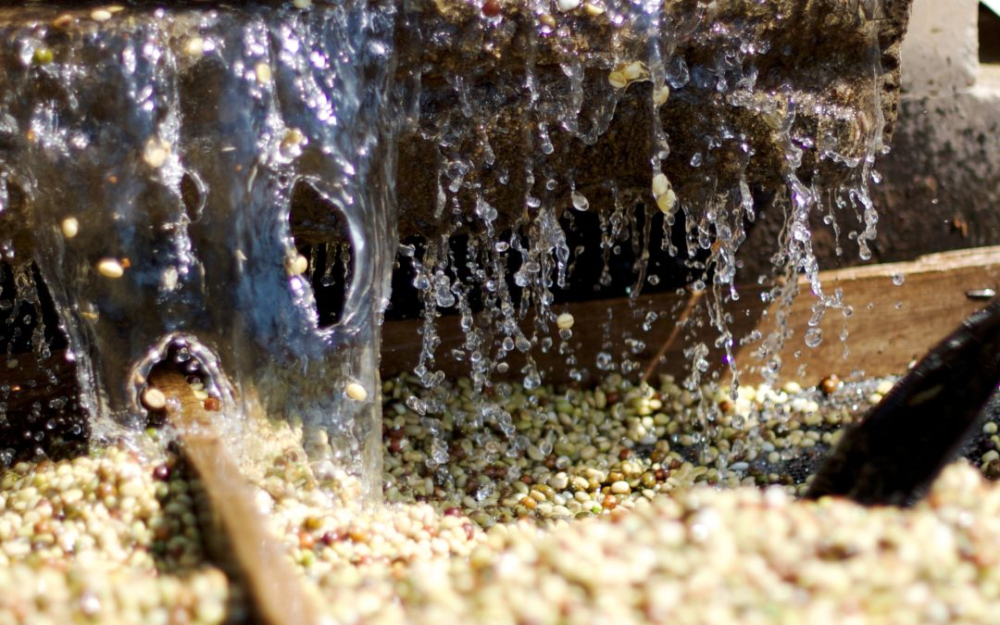
Of course, introducing pulped natural processing did not mean every region in Brazil uses it. The drier Cerrado region still relies mainly on natural processing, with pulped natural playing a supporting role. Even so, the Red Bourbon that FrontStreet Coffee sources from the Cerrado is processed using the pulped natural method.
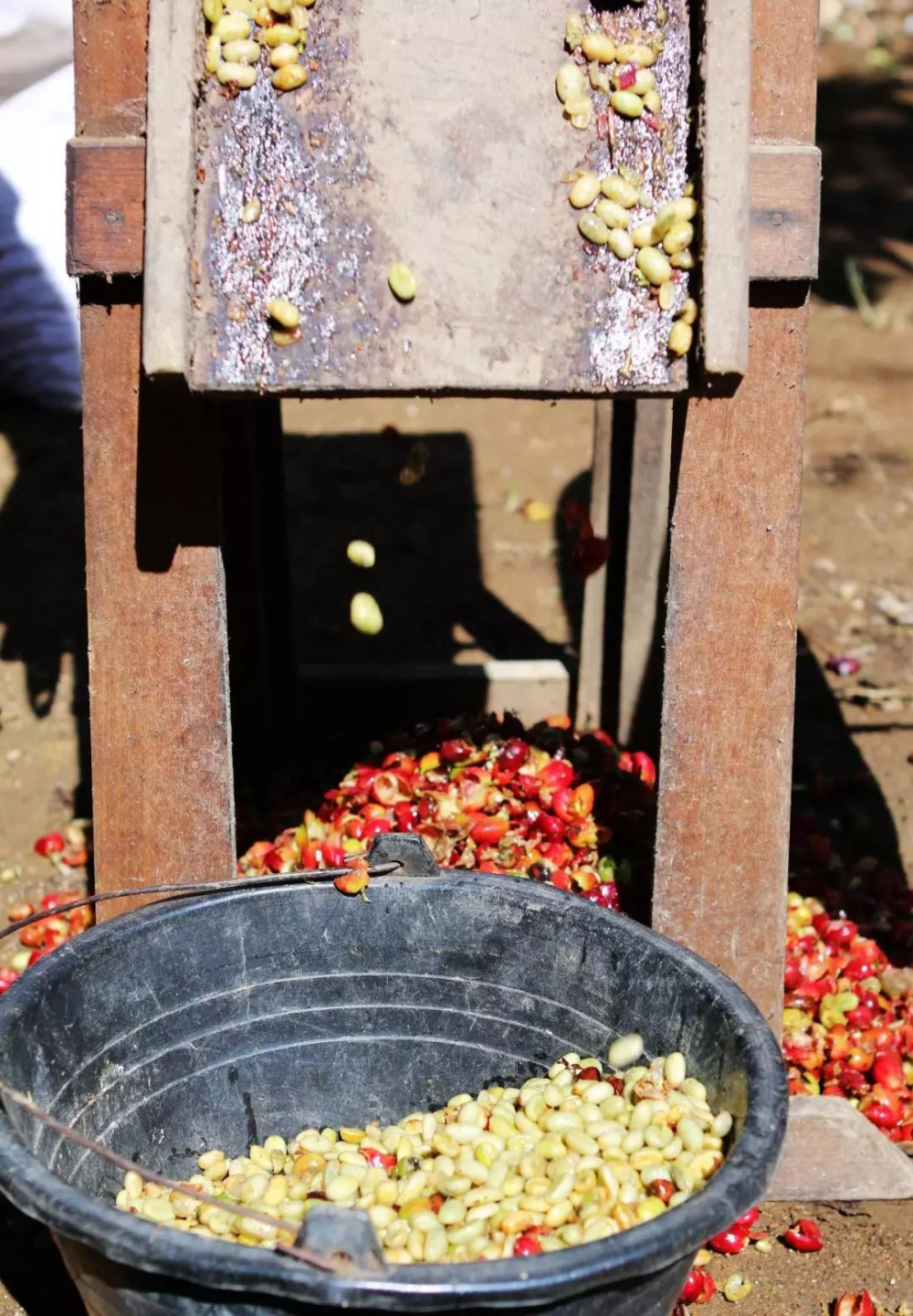
Pulped natural processing removes the skin and pulp of the cherry, allowing the fermentation of the beans to be controlled through the remaining mucilage. Traditional natural processing dries the cherry with skin and pulp intact, which makes it impossible to monitor the mucilage fermentation. Pulped natural sits between natural and washed processing, but skips the "ferment in water tanks and rinse with clean water" steps of the washed method and dries the beans directly in the sun. The methods may look similar, but without the fermentation step the flavor is completely different. When the skin and pulp are removed, ripe pulp comes away easily while unripe green cherries are hard to process, which provides a second screening that filters out unripe fruit and standardizes the cherries' maturity. Compared with natural processing, FrontStreet Coffee finds that beans processed this way have better cleanliness and maturity, giving a more uniform flavor.
FrontStreet Coffee's Brewing Suggestions
Whether for pour-over or espresso, good brewing calls for good beans that are also properly rested. FrontStreet Coffee has always believed that freshness is a crucial part of brewing. Coffee beans shipped by FrontStreet Coffee are roasted within 5 days, because FrontStreet Coffee knows how much freshness affects flavor. Its roasting philosophy is "Freshly Roasted Good Coffee," making sure every customer receives the freshest coffee when ordering. The resting period is about 4-7 days, so when customers receive their coffee it is at peak flavor.

Some customers ask FrontStreet Coffee to grind the beans for them, which is fine too. But FrontStreet Coffee must remind you: if the beans are pre-ground, there is no need for further resting, because during transport the pressure of carbon dioxide building up in the packaging also helps round out the flavor, so you can brew a cup the moment the ground coffee arrives. Ground coffee, however, must be brewed promptly, since it oxidizes quickly in air and its flavor fades faster, so the cup will not taste as good. FrontStreet Coffee therefore recommends buying whole beans and grinding fresh for each brew to better appreciate the flavor.
FrontStreet Coffee's Brazilian Coffee Brewing Parameters:
FrontStreet Coffee chose a KONO dripper, 88 degrees Celsius water, a 1:15 coffee-to-water ratio, 15 grams of coffee, and a grind size of 75% pass-through on a Chinese standard #20 sieve.
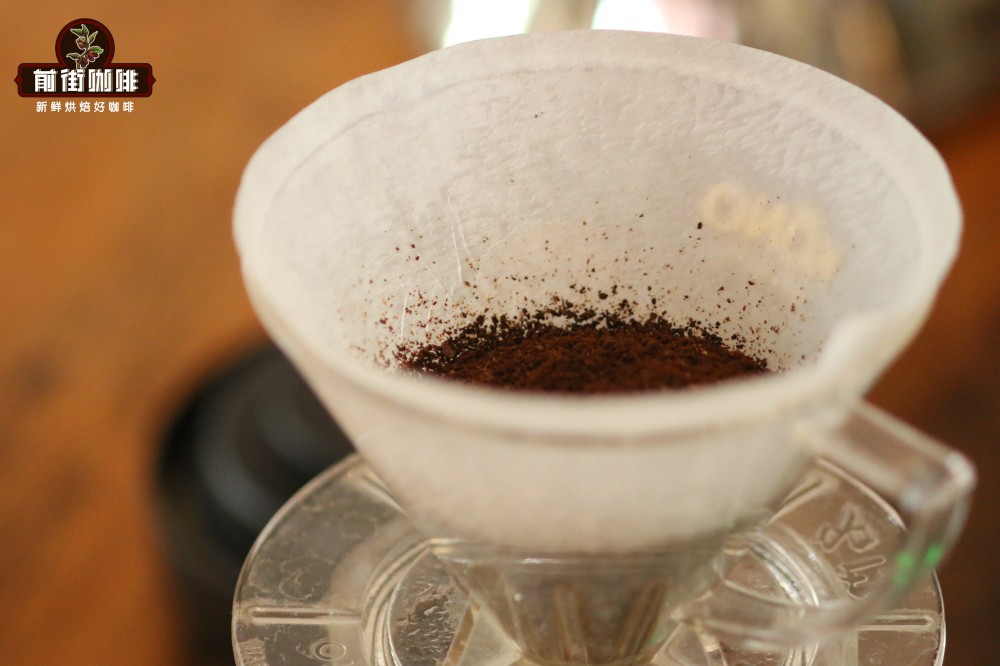
Use segmented extraction. Bloom with twice the water of the grounds, meaning 30 grams of water for 30 seconds. Keep pouring in a circular motion until 125 grams, pause, then continue to 225 grams and stop. Once the dripper has finished dripping, remove it. From the start of pouring, extraction takes 2'00". Then pick up the whole cup, shake it well, and pour it into cups for tasting.

Pulped Natural Brazilian Cerrado coffee bean flavor: the first sip reveals obvious sweetness with a faint lemon aroma, containing rich nutty flavors and distinct dark chocolate notes in the finish. The overall sensation is rounded.
Natural processed Brazil Queen Estate coffee bean flavor: balanced, with almond and cocoa as the main tones, highlighting cane sugar sweetness. This is a coffee with good body and abundant sweetness.
FrontStreet Coffee's Brazilian coffee range includes single origins, such as the staple Brazilian beans and the single-origin Brazil Queen, as well as blends, such as the basic, specialty, and commercial blends, all built on Brazilian beans as a base. Whether single origin or blend, Brazilian coffee flavors are relatively balanced and distinctive, making them the first choice for anyone who dislikes acidic coffee. Of course, the floral and fruity acidity of Ethiopian coffee is excellent too.
FrontStreet Coffee Recommendation
To explore the Brazilian profile described above, start with FrontStreet Coffee's Brazil Cerrado Red Bourbon. This classic single-origin Brazilian bean is a pulped natural Red Bourbon from the well-regarded Cerrado region, roasted medium. It cups with creamy peanut, toasted bread, caramel, and hazelnut, giving a rounded, low-acid cup with a light bitter note. It is not only excellent as pour-over but also works in a Moka pot, as espresso SOE, in a siphon, and in a French press.
For a second example of Brazil's range, FrontStreet Coffee's Brazil Queen Estate comes from Mogiana, close to southern Minas, where fertile red volcanic soil feeds the fruit. The variety is the rare Yellow Bourbon, a mutation of Red Bourbon with a cleaner fruit character. Brewed by pour-over, Moka pot, or home espresso machine, it reveals a sugarcane sweetness that other origins rarely show, along with fruit and chocolate notes.
Important Notice :
FrontStreet Coffee is a long-established specialty coffee roaster in Guangzhou China, selling freshly roasted beans from its own farm in Yunnan as well as dozens of carefully selected single-origin beans from around the world for both pour-over and espresso. The products deliver consistently excellent quality and great value, with shipping within 24 hours. Guangzhou's FrontStreet Coffee shop is recommended by many coffee lovers, and the beans are now available online at the Tmall 。
FrontStreet Coffee has moved to a new address:
FrontStreet Coffee Address: 315,Donghua East Road,GuangZhou
Tel:020 38364473
 Scan and follow the En Gafei WeChat official account. Please indicate that the reprint comes from "En Gafei".