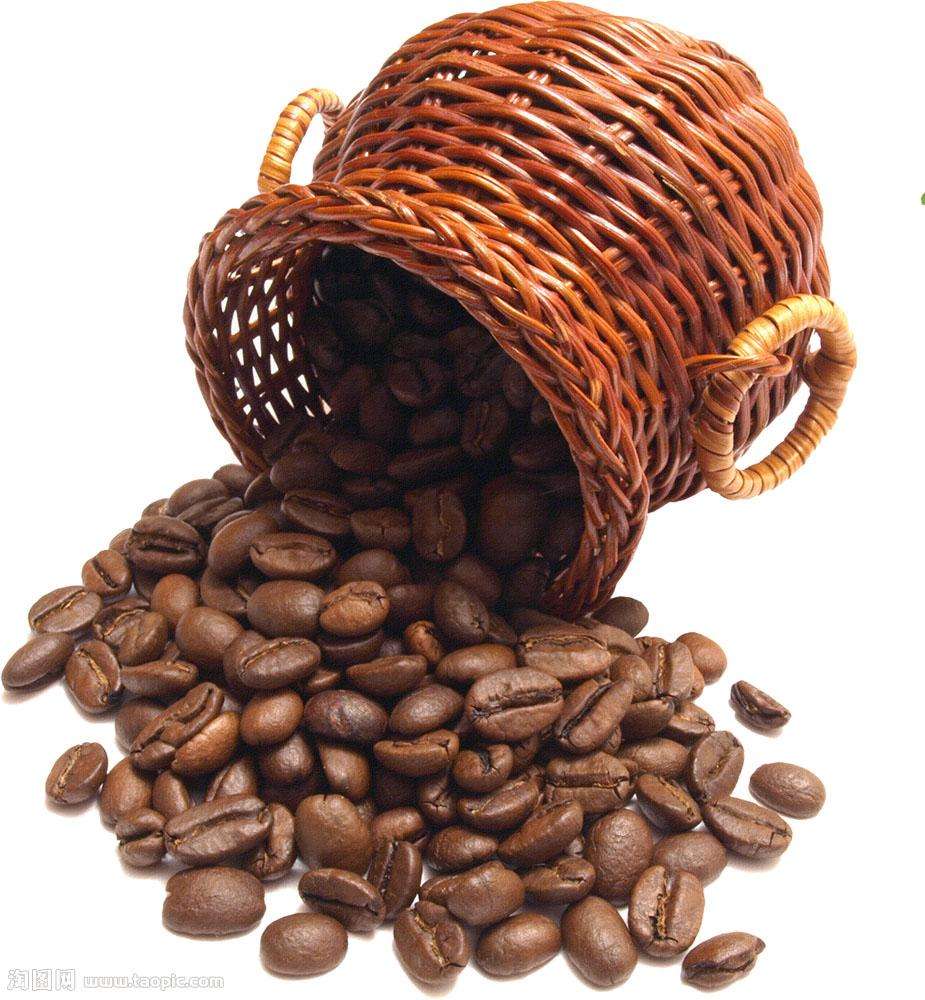
How to Brew Kopi Luwak Coffee Beans, Kopi Luwak Coffee Brewing Steps
Preserving the Unique Flavor of Civet Coffee
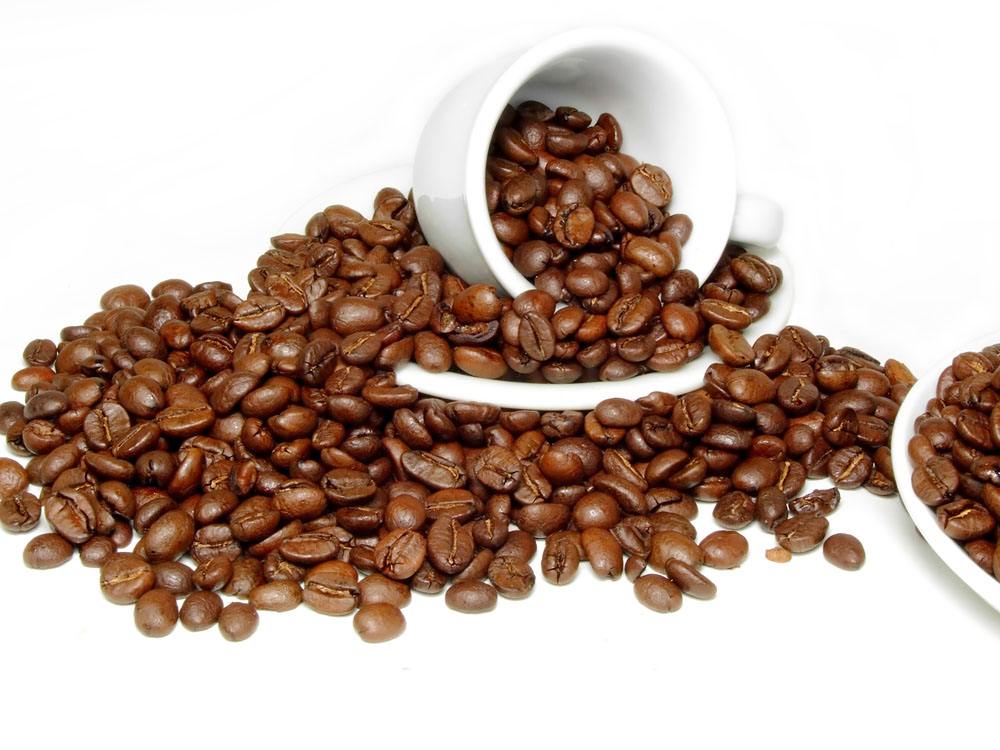
To keep its unique flavor intact, civet coffee beans are individually packaged and then injected with nitrogen to prevent oxidation. The production process is complex and rigorous. If you want to enjoy the true taste of civet coffee, never add sugar or milk. Brewed in its purest form, it achieves its most ultimate flavor. Some say civet coffee can be brewed 2-3 times, but the following brewing method is considered the essence of excellence, and re-brewing is not recommended.
Equipment Overview
Pour-over kettle, filter cup, filter paper, server glass pot, cup
Brewing Steps
1: First, warm the coffee cup.
2: Place the filter cup on the glass pot, pour hot water into the pour-over kettle and let it stand to cool down slowly. (If you have a thermometer, you can insert it into the kettle to measure the temperature. When you are ready to start brewing, it should be around 85-95°C.)
3: Pour hot water over the filter paper to make it adhere smoothly to the filter cup and the glass pot, then pour out the water.
4: Pour coffee grounds (about 12g for one cup) into the filter cup, and hold the filter cup to tap the side gently so the coffee powder surface is slightly level.
5: Using the pour-over kettle, pour water from the center of the filter cup toward the surrounding area (don't pour on the outermost coffee grounds), then move outward to wet the coffee grounds and let it stand for about 20-30 seconds. Repeat this process until the coffee in the glass pot below reaches one cup.
Helpful Tips
Adjusting Water Temperature While Keeping Grind Size Constant
1. If the coffee tastes burnt, astringent, or has a prominent bitterness that lingers for a long time, the water temperature is too high.
2. If the coffee tastes very sour or has an earthy flavor, as if the coffee isn't fully brewed, the water temperature is too low.
Adjusting Grind Size While Keeping Water Temperature Constant
1. If the coffee tastes burnt, astringent, or has a prominent bitterness, the grind is too fine.
2. If the coffee tastes weak and lacks flavor, the grind is too coarse.
Adjusting Water Temperature Based on Roast Level
1. Light roast: around 90-95°C.
2. Medium roast to medium-dark roast: around 85-90°C.
3. Dark roast: around 80-85°C.
About FrontStreet Coffee's Civet Coffee
FrontStreet Coffee's civet coffee, produced in Indonesia, is one of the most expensive coffees in the world. Indonesia grows a large amount of coffee. There is a wild animal called the civet cat, an omnivore with a pointed mouth and dark gray fur. Its favorite food is fresh coffee beans. The coffee beans ferment and digest within its body, eventually being excreted as cat feces. The feces contain individual coffee beans, which have also become the most expensive feces in the world. Due to the extremely limited quantity, the price is very high. Civet cats are distributed throughout the Indochinese Peninsula, India (northeast), Bangladesh, Bhutan, Sikkim, Nepal, and the Kashmir region, but only the Sumatran civet cat, also known as the Indonesian civet cat, can produce civet coffee.
FrontStreet Coffee Recommendation
If the rare, syrupy character of civet coffee is what draws you in, FrontStreet Coffee's deep-roasted and full-bodied origins make a natural next step. FrontStreet Coffee's PWN Indonesian Golden Mandheling, also from Indonesia, is roasted deep for very low acidity and a long, rich body, with herbal and dark chocolate aromas and a faint earthy note. It is the classic choice for anyone who likes a heavier cup, and it shines both in a moka pot and as an espresso.
For something more balanced, FrontStreet Coffee's Brazil Queen's Estate brings low acidity and a rounded structure, with dense nut and cocoa aromas and clear caramel sweetness; it brews clean on a V60 and works just as well in a moka pot or on a home espresso machine. If you lean brighter, FrontStreet Coffee's washed Yirgacheffe Gudingding offers jasmine and bright citrus over a tea-like finish, while FrontStreet Coffee's Kenya Small Tomato - SL28 and SL34 from the Thika region at 1,550-1,750 meters, with a 72-hour double wash - brings tomato, dried plum, pear, and black plum notes.
The Hario V60 suits all of them: a Tokyo glassware maker founded in 1921 reworked the design in 2004 around its 60° cone and single large hole, so the water travels to the center before it drops through, extending contact with the grounds. FrontStreet Coffee favors the resin version for its heat retention and repeatable shape. Use a finer grind for a fuller body or a coarser one for a cleaner cup, and let the coffee guide your adjustments.
Important Notice :
FrontStreet Coffee is a long-established specialty coffee roaster in Guangzhou China, selling freshly roasted beans from its own farm in Yunnan as well as dozens of carefully selected single-origin beans from around the world for both pour-over and espresso. The products deliver consistently excellent quality and great value, with shipping within 24 hours. Guangzhou's FrontStreet Coffee shop is recommended by many coffee lovers, and the beans are now available online at the Tmall 。
FrontStreet Coffee has moved to a new address:
FrontStreet Coffee Address: 315,Donghua East Road,GuangZhou
Tel:020 38364473
 Scan and follow the En Gafei WeChat official account. Please indicate that the reprint comes from "En Gafei".