How to Drink Mandheling Coffee: Brewing Techniques and Extraction Parameters for Coffee Grounds
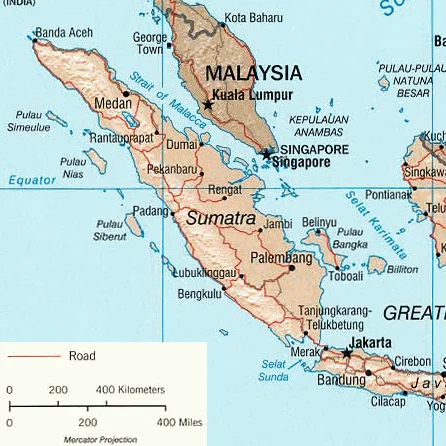
Indonesia is one of the world's largest coffee-producing countries, and most cafes will have at least one Indonesian coffee on the menu. Sumatra is one of Indonesia's main coffee-producing regions. Sumatran coffee is famous for its unique earthy flavor and low acidity.
Anyone who has visited FrontStreet Coffee's storefront will remember the blackboard full of coffee varieties, with three Mandheling options alone. In fact, browse FrontStreet Coffee's online store and you will find five types of Mandheling. If you are not sure which one is right for you, do not worry. Follow along as FrontStreet Coffee works through Mandheling coffee, and you will surely find the one you are looking for.
Mandheling coffee is produced on the island of Sumatra. Sumatran Mandheling is famous for its viscous, heavy body, sometimes described as syrupy. Generally, Sumatran coffee has relatively low acidity but complex flavors. Mandheling typically shows rich nutty and cocoa notes, sometimes with flavors like licorice and other spices.
The name Mandheling comes from a local indigenous tribe in Indonesia, not a place name. Legend has it that during World War II, Japanese soldiers in Indonesia tasted a mellow coffee and asked the shop owner for its name. The owner mistakenly introduced himself, saying "Mandailing." In Japanese pronunciation, "Mandailing" is very close to "Mandheling," so they remembered it as Mandheling. In peacetime, the Japanese found merchant friends to entrust local Indonesian merchants with searching for Mandheling coffee, and imported several tons back to Japan. Thanks to its unique flavor, Mandheling sold well in Japan and became famous worldwide.
Unique Processing Methods
What makes Mandheling's flavor so distinctive is Sumatra's unique post-harvest processing method. This special wet-hulling technique is inseparable from local climate and economic conditions. Sumatra sees frequent rainfall, lacking the conditions needed for sun-drying, while the washed method requires significant capital investment. With shortcomings on both fronts, the semi-washed wet-hulling method was developed.
Farmers remove the pulp and skin from the cherries on the day of harvest, then place them in water tanks to ferment overnight. The next day, they introduce clean water to wash away the mucilage layer, then spread the beans out to dry. When the coffee is half dry and half wet, the parchment coffee is collected and sold to nearby processing stations.
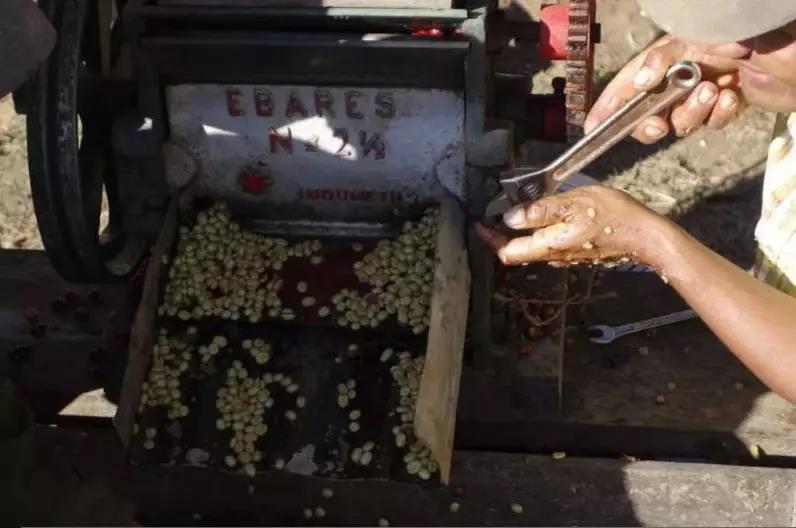
After receiving this half-dry, half-wet parchment coffee, the processing stations first remove the parchment layer, exposing the green beans directly, then proceed with drying. When the moisture content of the green beans drops to around 13%, they are collected for storage.
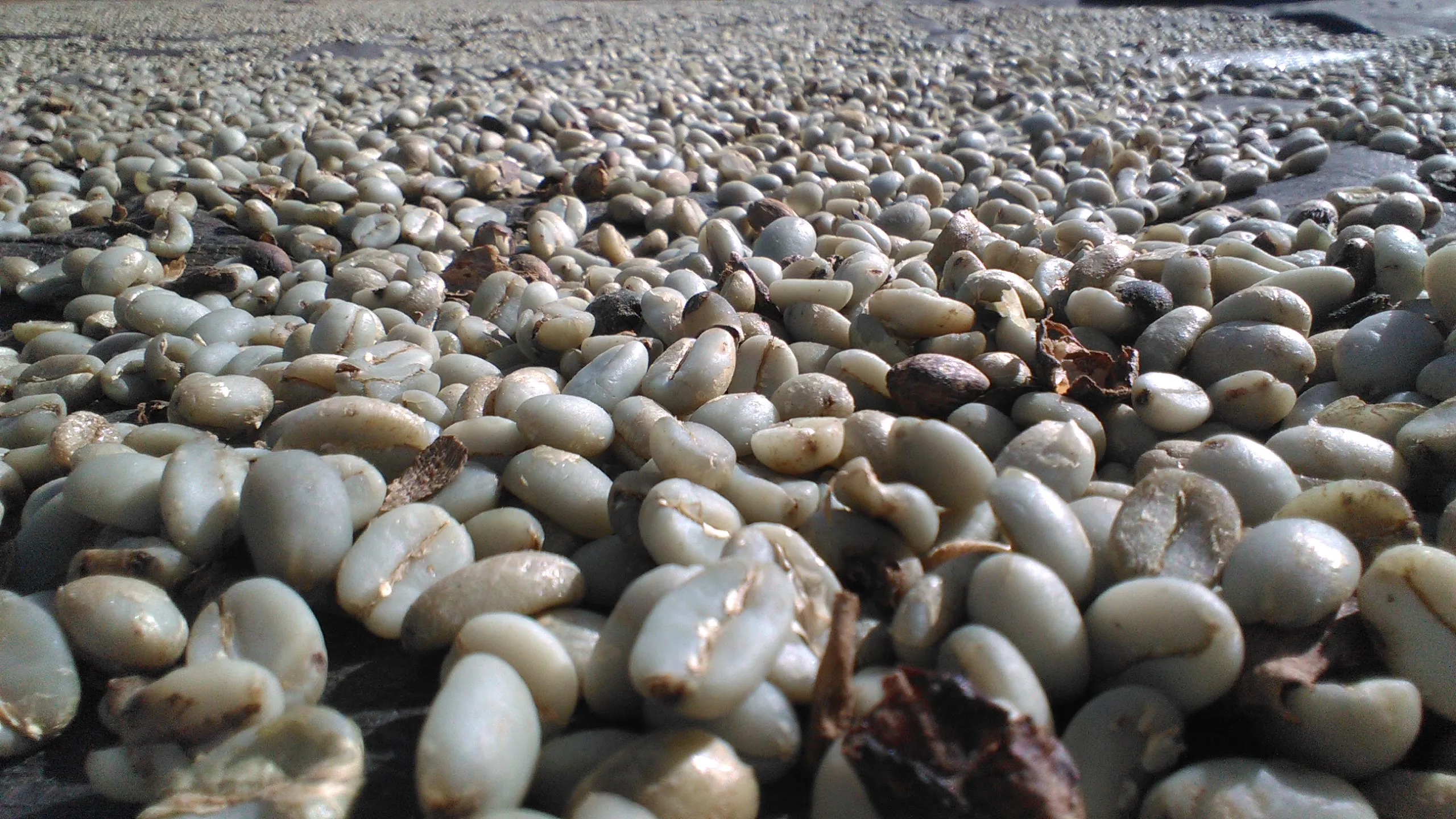
Aged Mandheling coffee, after completing the wet-hulling process, is stored in cool, ventilated warehouses for 2 to 3 years. During this period the beans need to be turned regularly to prevent mold and decay. After long-term storage, some acidic substances in the beans gradually transform into sugars, and the green beans become darker, mostly yellowish-brown or dark brown.
FrontStreet Coffee's Mandheling Varieties
FrontStreet Coffee's Mandheling varieties include PWN Golden Mandheling, Lintong Mandheling, Tiger Mandheling, Aged Mandheling, and Natural Mandheling.
PWN Golden Mandheling
Indonesia's PWN company has registered "Golden Mandheling" as a trademark, meaning only PWN's Golden Mandheling is truly Golden Mandheling in the strictest sense. The PWN Golden Mandheling sourced by FrontStreet Coffee is the highest G1 grade, with green bean sizes above 18 screen and a defect rate of fewer than 3 beans per 300 grams. PWN applies very strict standards when producing Golden Mandheling. After machine screening, it undergoes 3 manual sorting passes to ensure defective beans are completely removed, improving the cleanliness and sweetness of the coffee.
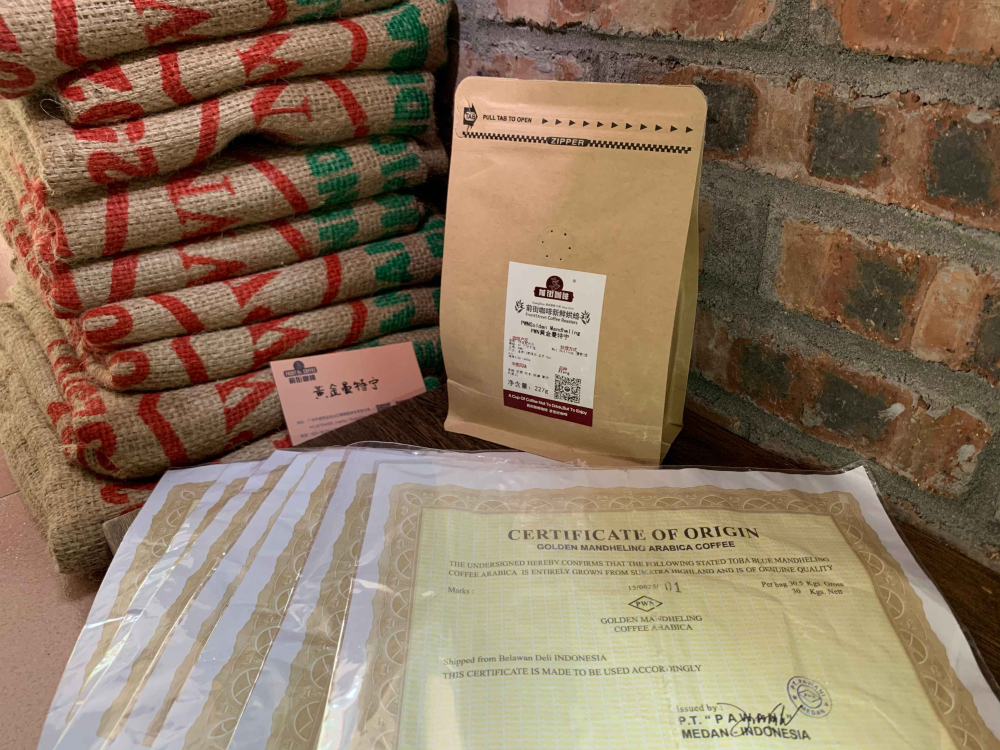
FrontStreet Coffee PWN Golden Mandheling
Region: Aceh Gayo Highlands, Sumatra
Altitude: 1100-1600 meters
Variety: Ateng
Grade: G1, 3 times hand-sorted
Processing: Wet-hulled
Lintong Mandheling
Lintong Mandheling comes from the Lintong highlands of Sumatra and is a classic Mandheling coffee. Because the parchment layer is removed while the beans are half wet and half dry, the beans are easily crushed, creating split patterns that resemble goat hooves, commonly known as "goat hoof beans." This is a distinctive characteristic of Mandheling, not a defect. Since sorting is not as refined as for Golden Mandheling, its cleanliness is inferior to Golden Mandheling, but that does not affect Lintong Mandheling's mellow body.
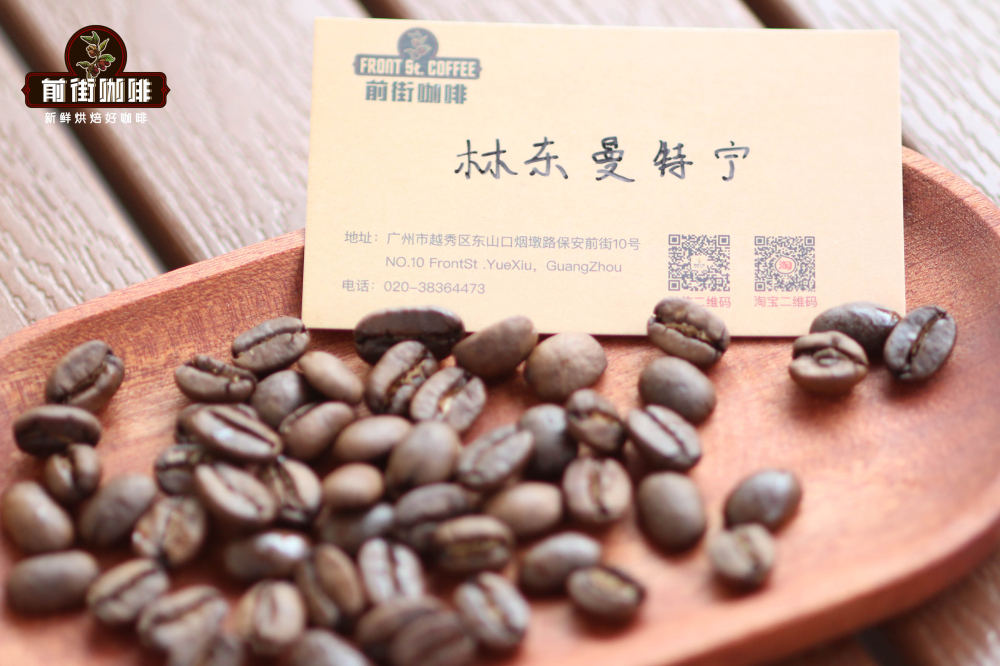
FrontStreet Coffee Lintong Mandheling
Region: Lintong region, Sumatra
Altitude: 1100-1600 meters
Variety: Typica, Caturra
Processing: Wet-hulled
Tiger Mandheling
Tiger Mandheling green beans are sized above 17 screen with a defect rate below 4%. Since FrontStreet Coffee's Tiger Mandheling is composed mainly of Catimor and Typica varieties, with Caturra contributing more distinct citrus and lemon flavors while Typica brings a longer-lasting sweet aftertaste, FrontStreet Coffee's Tiger Mandheling is overall quite balanced.
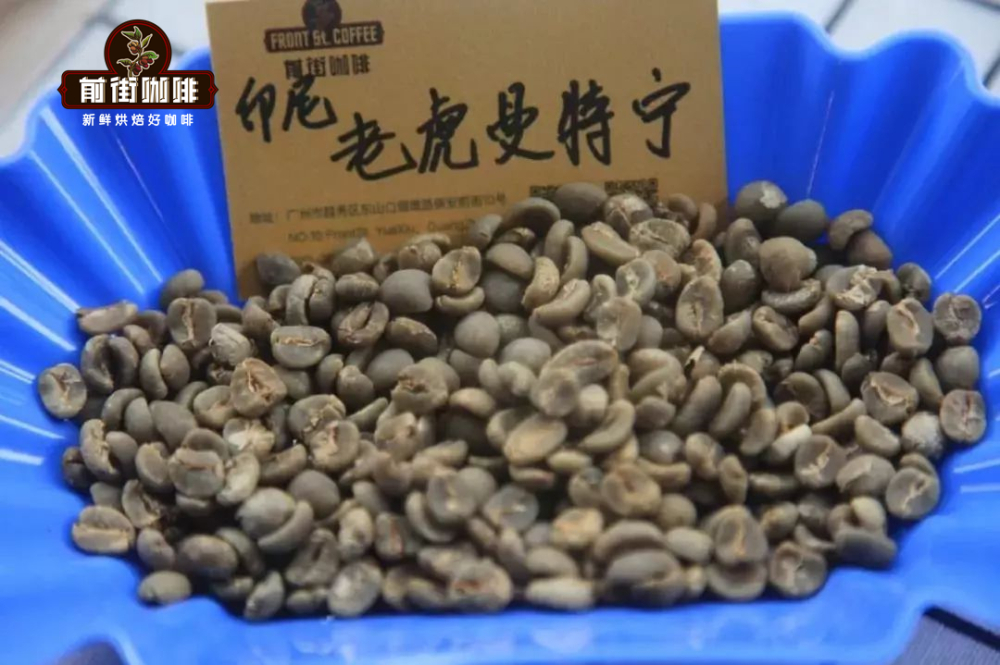
FrontStreet Coffee Sumatran Tiger Mandheling
Region: Aceh region, Sumatra, Indonesia
Altitude: 1500 meters
Variety: Typica, Caturra
Processing: Wet-hulled
Aged Mandheling
People treat Pu'er tea as something that improves with age, and the same goes for aged Mandheling coffee. Indonesia was once a Dutch colony. As a coffee-growing region, it needed to supply beans to Europe continuously. To ensure supply, beans were stored carefully. Because of the long sea voyage and the salty sea breeze, the beans had developed another flavor by the time they reached Europe. Fortunately, European colonists of the day liked that flavor, and the aging method was quickly promoted.
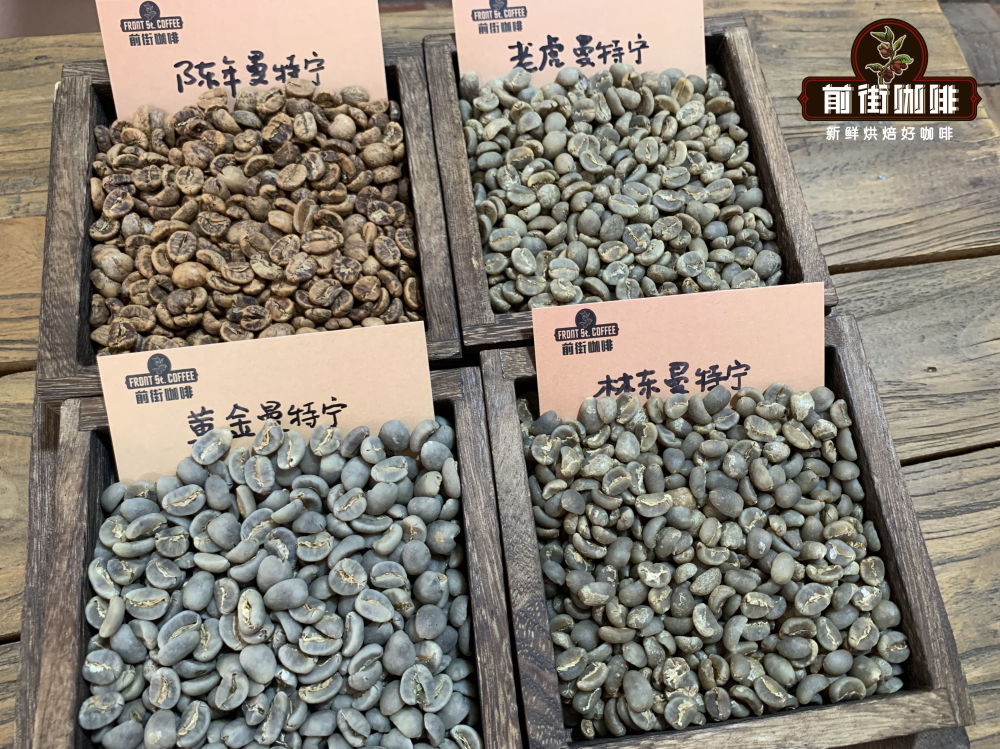
FrontStreet Coffee Indonesian Aged Mandheling
Region: Aceh region, Sumatra, Indonesia
Altitude: 1100-1600 meters
Variety: Typica
Processing: Wet-hulled
Natural Mandheling
The Natural Mandheling sourced by FrontStreet Coffee comes from Wahana Estate, established in 2005 and located in the Sidikalang area of northern Sumatra. Sidikalang has been one of Indonesia's famous coffee-producing regions since ancient times. Over years of development, many plantations now have sufficient funds to process green beans using natural or washed methods. While Mandheling has always been famous for wet-hulling, FrontStreet Coffee could not miss the chance to taste and compare once natural processing became available.
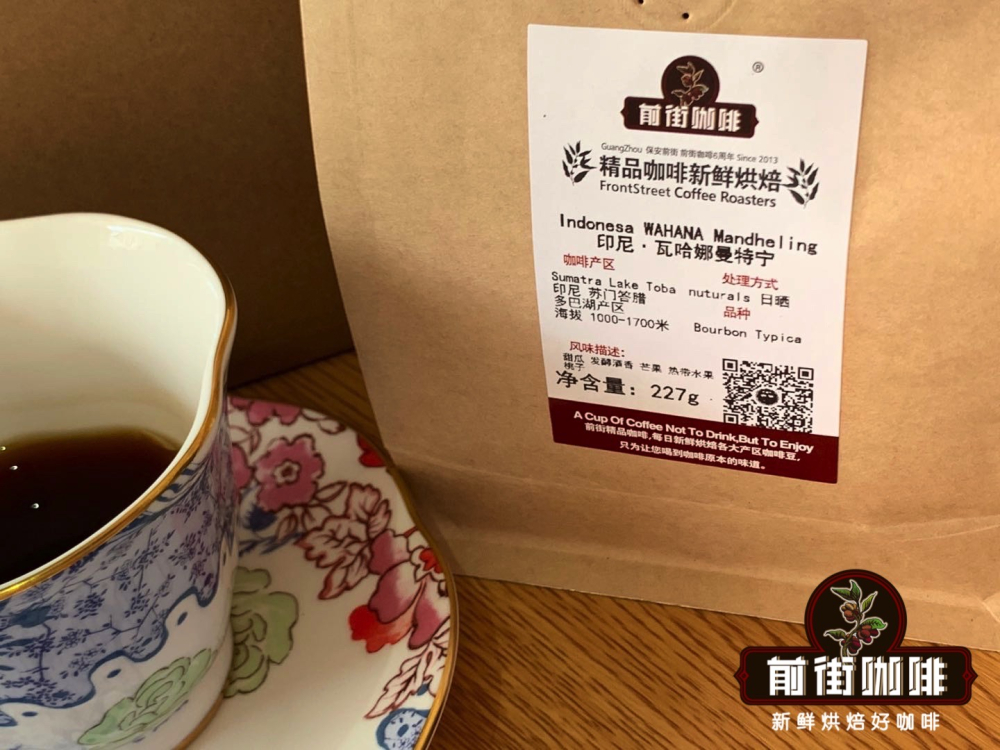
FrontStreet Coffee Indonesian Wahana Estate Natural Mandheling
Region: Lake Toba, Sumatra
Estate: Wahana Estate
Altitude: 1000-1700 meters
Variety: Bourbon, Typica
Processing: Natural processing
Brewing and Flavor Profiles
When brewing Mandheling coffee, FrontStreet Coffee tries to use consistent parameters to compare the flavor and body of each type more easily. The Natural Mandheling uses a medium-light roast, however, while the other four use a medium-dark roast. Different roast levels require different brewing parameters.
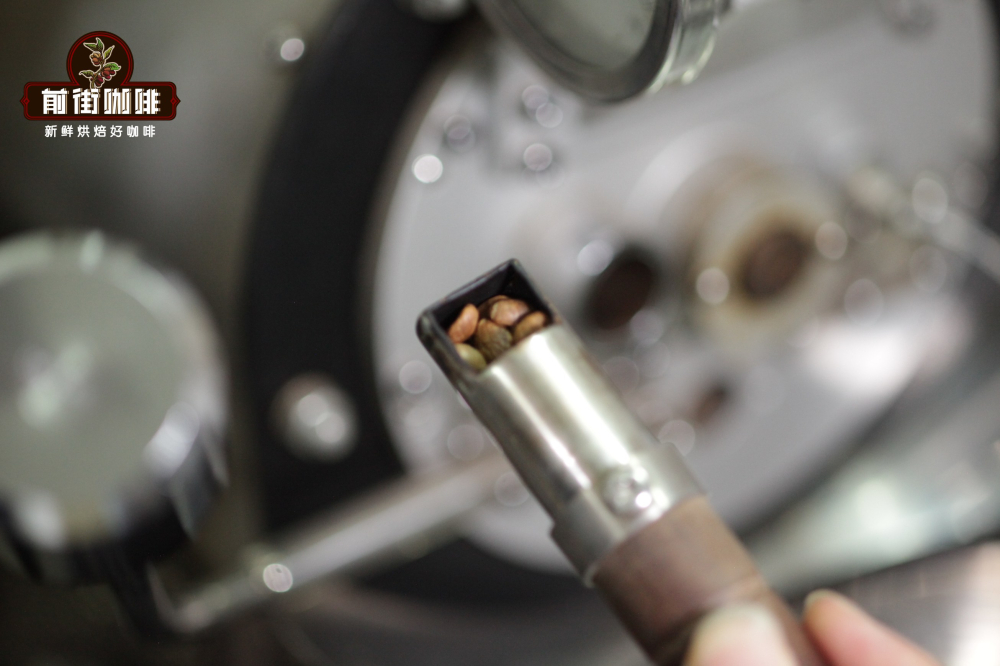
Medium-light roast brewing parameters: Hario V60 dripper, 90°C water temperature, medium-fine grind (80% pass-through on #20 sieve), 15g coffee, 1:15 coffee-to-water ratio
Medium-dark roast brewing parameters: KONO dripper, 88°C water temperature, medium-coarse grind (70% pass-through on #20 sieve), 15g coffee, 1:15 coffee-to-water ratio
Flavor Profiles
PWN Golden Mandheling: Rich nutty notes, with spice and herbal aromas as the temperature drops slightly. Distinct caramel sweetness, a persistent cocoa aftertaste, multi-layered complexity, and a mellow, clean body.
Lintong Mandheling: Distinct herbal flavors, with cantaloupe aroma as the temperature drops, a dark chocolate aftertaste, and a caramel-sweet finish.
Tiger Mandheling: Strong pine and spice aromas, a relatively balanced body with distinct creamy, dark chocolate, and nutty flavors.
Aged Mandheling: Lacks the wildness of classic Mandheling, with flavors reminiscent of aged Pu'er tea and a malt-like aroma, lower acidity, and a more mellow, delicate body.
Natural Mandheling: Distinct tropical fruit flavors and fermented notes, consistent acidity, a smooth body, and obvious sweetness.
FrontStreet Coffee Recommendation
To taste wet-hulled coffee at its best, FrontStreet Coffee first recommends the highest grade, the PWN Golden Mandheling. PWN mainly buys high-quality Mandheling green beans and, after purchase, runs machine screening plus manual hand-sorting to pick out plump, flawless beans, so everything it produces is specialty grade, and Golden Mandheling is its flagship. The beans are evenly sized and plump with a low defect rate, and after a medium-dark roast they carry a rich roasted aroma. The brewed black coffee has a clean mouthfeel and a full body, ideal for anyone who dislikes acidic coffee.
FrontStreet Coffee's PWN Golden Mandheling shows its charm best as a pour-over. A suggested recipe is 87-88°C water, 15 grams of grounds, a 1:15 ratio, a coarse-sugar grind, and a three-stage pour, which brings out the thick body and the caramel sweetness. Pour 30 milliliters first to wet all the grounds and let them degas, then add 100 milliliters to bring up the golden foam and lift the bed, and finish with a gentle 95 milliliters down the center to lift the sweetness. The cup shows a solid, full body with caramel sweetness and chocolate and nutty flavors.
Many people who remember Mandheling's taste want to use it on an espresso machine. For that, FrontStreet Coffee's Classic Blend, one of its most repurchased, layers a medium-dark Mandheling over the creamy, nutty character of Brazilian coffee, with butter, roasted chestnut, and caramel notes standing out. The Mandheling raises the whole cup's body and adds sandalwood, herbal, and spice character, while a small amount of Robusta boosts the crema, making both latte art and layered Dirty drinks easy.
Important Notice :
FrontStreet Coffee is a long-established specialty coffee roaster in Guangzhou China, selling freshly roasted beans from its own farm in Yunnan as well as dozens of carefully selected single-origin beans from around the world for both pour-over and espresso. The products deliver consistently excellent quality and great value, with shipping within 24 hours. Guangzhou's FrontStreet Coffee shop is recommended by many coffee lovers, and the beans are now available online at the Tmall 。
FrontStreet Coffee has moved to a new address:
FrontStreet Coffee Address: 315,Donghua East Road,GuangZhou
Tel:020 38364473
 Scan and follow the En Gafei WeChat official account. Please indicate that the reprint comes from "En Gafei".