What are the unique characteristics and processing methods of Golden Mandheling coffee beans? How does the pour-over taste profile of Mandheling coffee taste?

For more specialty coffee knowledge, follow FrontStreet Coffee.
Recently, a coffee enthusiast shared an experience of tasting a Mandheling that completely changed their perception of this coffee. They couldn't recall its name, but they remembered its exceptional cleanliness, high sweetness, and an incredibly smooth texture reminiscent of dark chocolate.
When FrontStreet Coffee guessed it might be Golden Mandheling, they were amazed — how did we know? That was exactly the one! FrontStreet Coffee once ran a blind tasting of 7 different Mandheling coffees from various regions, asking participants to identify each one.
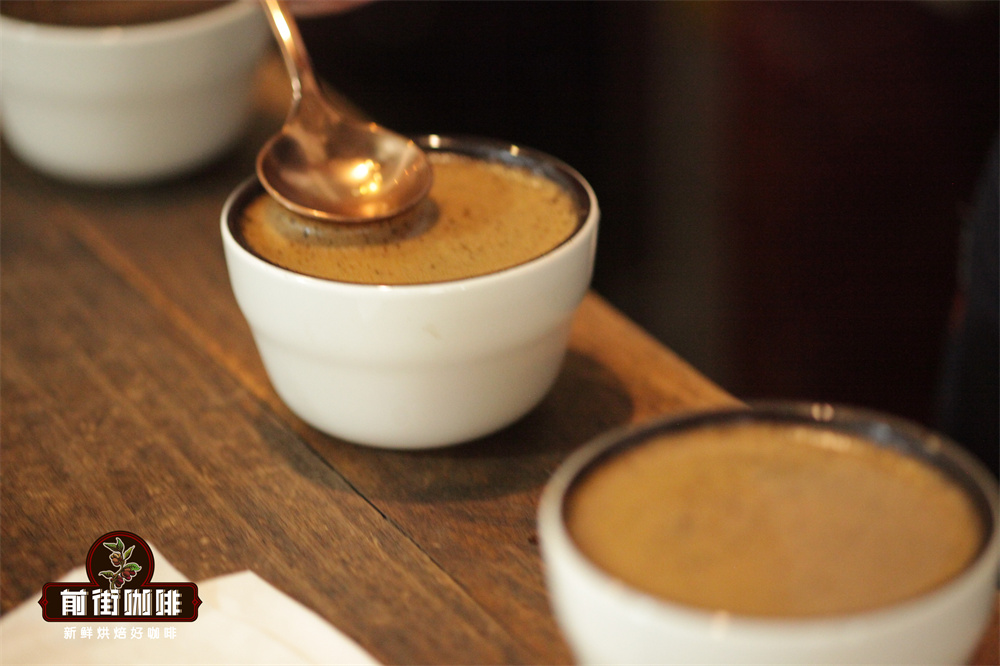
Among all the samples, Golden Mandheling's high sweetness and clean palate won unanimous recognition from every participating barista. That's how remarkably impressive Golden Mandheling is among Mandheling coffees.
Why Does Golden Mandheling Perform So Exceptionally?
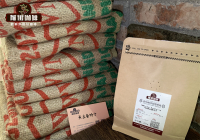
FrontStreet Coffee's Golden Mandheling comes from Indonesia's PWN company — the very company that registered the "Golden Mandheling" trademark. In our physical stores, you can see PWN's certification certificates and coffee bags stamped with the PWN logo.
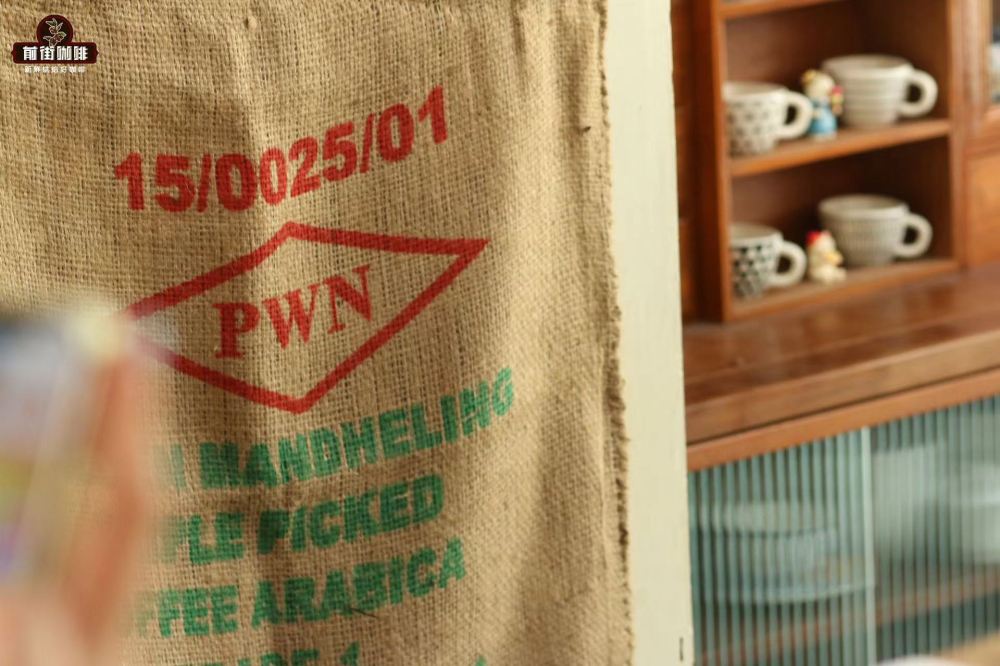
PWN's Golden Mandheling is beloved largely because of how it sources: the company buys Arabica coffee from one of Sumatra's specialty regions — near Lake Tawar in the Gayo Mountains of Aceh province, at elevations between 1,100-1,600 meters. The beans are grown by small tenant farmers under shade trees and processed with the wet-hulling method, which yields the region's distinctive flavors: low acidity, vibrancy, and rich body.
Because Indonesia's climate is humid and rainy year-round, and its island environment stays moist, fast drying is essential. Local farmers therefore begin with washed fermentation immediately after harvesting the cherries. Once fermentation is complete, the cherries go straight into a depulper to remove the fruit flesh and husk.
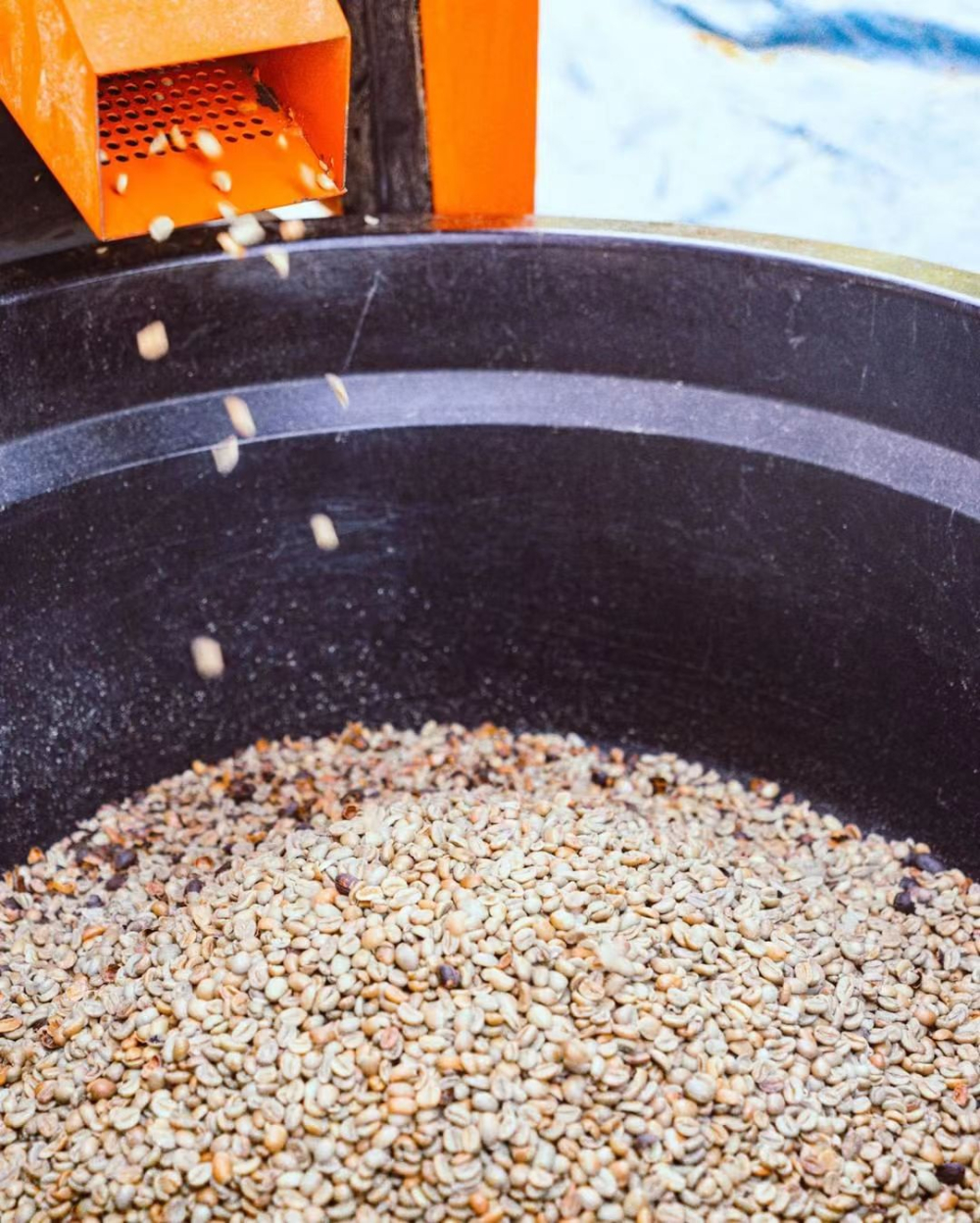
Next, the parchment coffee is sun-dried for 2-3 days until it reaches 20-24% moisture content, then the parchment is hulled off for ultra-fast drying. This process gives Mandheling a relatively high defect rate, which is why unsorted Mandheling often shows earthy and other defective flavors.
To improve quality, PWN hand-sorts all its coffee from fruit to finished product. The company performs at least three rounds of purely manual sorting after harvest and drying, ensuring the beans reach screen size 18 or above. With fewer than 3 defective beans per 300g green sample, the lot qualifies for the highest G1 grade and displays a dark green color.

That diligence raises costs, but the beans are hugely popular with consumers. Because the meticulously sorted beans gleam with a golden luster in sunlight, the coffee was named "Golden Mandheling."
As its reputation has grown, many non-PWN companies have begun marketing beans under the Golden Mandheling name. To sell at higher prices, some merchants take G1-grade Mandheling at 18 mesh or above and apply three rounds of hand sorting so their beans closely resemble PWN's Golden Mandheling in appearance.
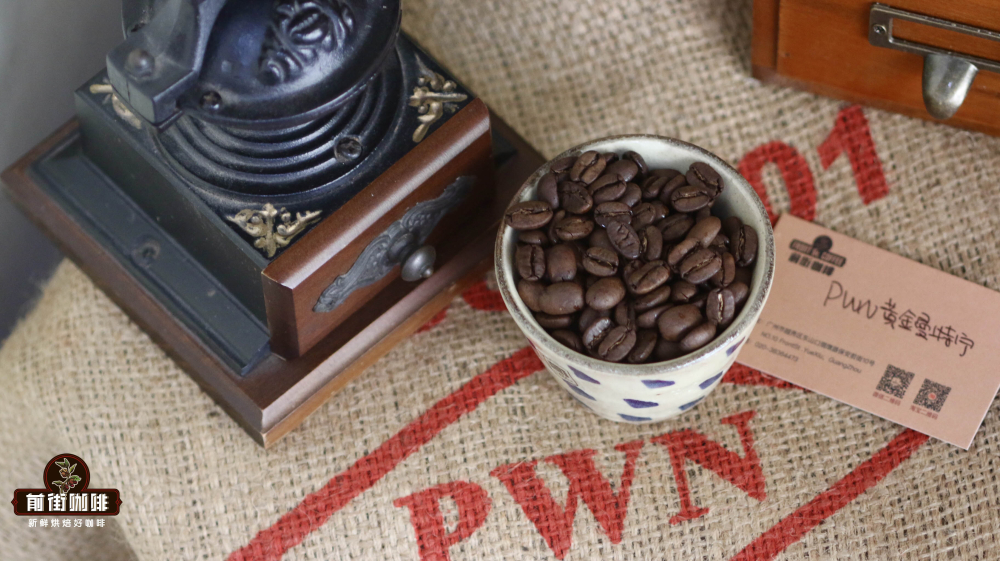
But only Golden Mandheling from PWN is the real thing — so look for the PWN logo when you buy!
How to Brew Delicious Mandheling Coffee?
To highlight Golden Mandheling's rich body while preserving more of its herbal spice notes, FrontStreet Coffee's roasters use a medium-dark profile. Freshly roasted Mandheling needs 7-10 days of degassing before reaching its optimal flavor window. FrontStreet Coffee wants every customer to experience the full aromatic richness, so we ship only coffee roasted within the past 5 days, ensuring you receive it during its complete flavor development period.
Since Mandheling naturally has minimal acidity, it never develops unpleasant sour or astringent notes even after extended warming or when prepared as iced coffee — which is why FrontStreet Coffee recommends hot brewing for Mandheling!
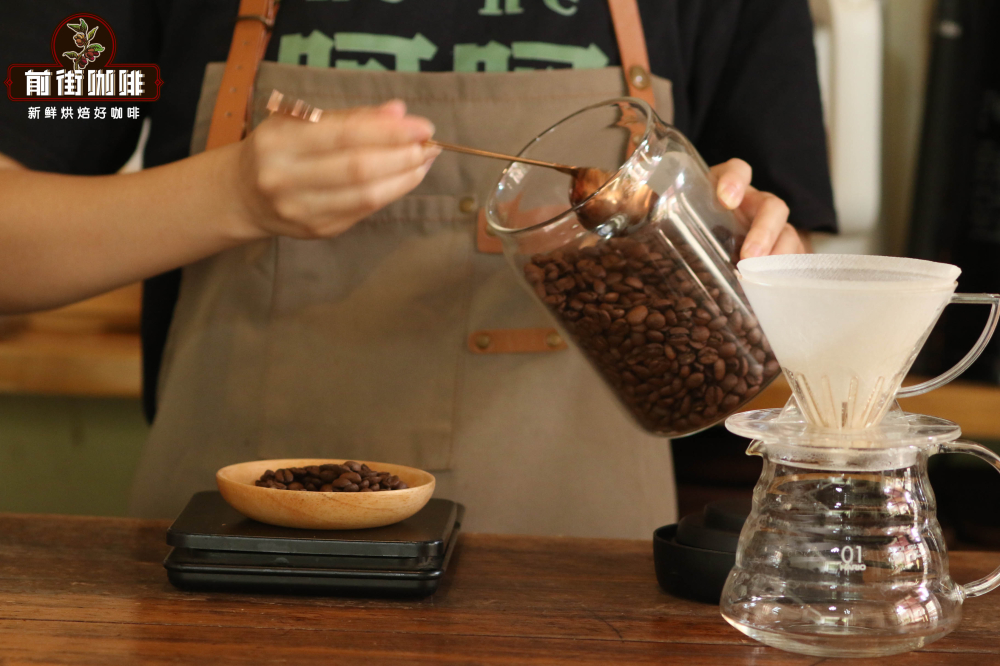
When preparing PWN Golden Mandheling at FrontStreet Coffee locations, we grind medium-coarse (coarse sugar size, 70% pass-through rate on the China #20 standard sieve), use 88°C water, a 1:15 coffee-to-water ratio, and a KONO dripper.
Brewing Technique:
First pour 30g of water for a 30-second bloom; second, pour in small circles to 125g, wait until the water level drops to half, then continue pouring in small circles to 225g. After complete drawdown, the total extraction time should be around 2 minutes 10 seconds.

PWN Golden Mandheling pour-over flavor: complex and layered — rich yet clean. It delivers intense nutty and caramel aromas with chocolate notes, a persistent aftertaste, and excellent balance.
FrontStreet Coffee Recommendation
How did coffee even reach Sumatra? Coffee originated in Ethiopia, and only at the end of the fifteenth century did it appear outside its homeland as a beverage. By the seventeenth century it had swept through Europe, and competing colonial powers began transplanting seedlings to their colonies. At the end of that century, the Dutch brought coffee to Java in Indonesia, where it thrived in the mild climate and fertile soil and spread to Sumatra — "JAVA" itself became a byword for coffee. But in the early twentieth century, coffee leaf rust devastated Java, and Indonesia's coffee industry shifted north to Sumatra, which is now the country's largest source of both Arabica and Robusta, accounting for more than 60% of production. The high-elevation provinces of Aceh and North Sumatra grow mostly Arabica — the coffee people habitually call Mandheling.
The Aceh region centers on the Gayo Mountains near Lake Tawar, where thousands of hectares of vegetation surround the farms; this newer Mandheling region is prized for delicate aromatics and a bright palate. The traditional Mandheling region, meanwhile, lies around Lake Toba in the Lintong area of North Sumatra, where the special wet-hulled processing and local microbial fermentation create the mysterious, unmistakable Mandheling profile — intense aroma, thick body, and bold flavor. Indonesia's rainy season overlaps with coffee harvest (September through April), so sun-drying for 2-3 weeks like Africa is impossible; instead farmers developed the semi-washed Sumatran method: since the 1970s, the parchment is machine-stripped while the beans are still half-dry and half-wet, exposing the green beans directly to the humid air — speeding up drying while absorbing wild yeasts and fungi that create Mandheling's uniquely wild character.
To taste wet-hulled coffee at its finest, FrontStreet recommends PWN Golden Mandheling above all: beans selected through 1 machine sort and 1 hand sort, uniform, plump, luminous, and low in defects, roasted medium-dark for a clean, full-bodied black coffee with abundant roasty aroma — perfect for anyone who dislikes sour coffee. Pour-over shows it best: 87-88°C water, 15g of coffee, 1:15 ratio, coarse-sugar grind, and a three-stage pour — 30g bloom to wet the grounds and degas, 100g to lift the bed and bring out the golden crema, then a gentle 95g center pour to build sweetness, yielding thick body, caramel sweetness, and chocolate-nut flavors. If you love Mandheling's wild herbal, clove-and-wood character in a more traditional register, FrontStreet's Lintong Mandheling — medium-dark roasted, low acid, with spice and mint notes and a long, thick sweetness — is the classic choice. And for espresso, FrontStreet's highest-repurchase Classic Blend adds medium-dark Mandheling to Brazil's creamy nut base, amplifying body with sandalwood, herbal, and spice notes plus a touch of Robusta for crema-rich lattes and layered Dirty drinks alike.
Important Notice :
FrontStreet Coffee is a long-established specialty coffee roaster in Guangzhou China, selling freshly roasted beans from its own farm in Yunnan as well as dozens of carefully selected single-origin beans from around the world for both pour-over and espresso. The products deliver consistently excellent quality and great value, with shipping within 24 hours. Guangzhou's FrontStreet Coffee shop is recommended by many coffee lovers, and the beans are now available online at the Tmall 。
FrontStreet Coffee has moved to a new address:
FrontStreet Coffee Address: 315,Donghua East Road,GuangZhou
Tel:020 38364473
 Scan and follow the En Gafei WeChat official account. Please indicate that the reprint comes from "En Gafei".