Flavor Characteristics of Yunnan Arabica Coffee | Yunnan Coffee Growing Origins and Varieties | Which Yunnan Coffee Brand is Best?
Yunnan Small Bean Coffee: An Introduction
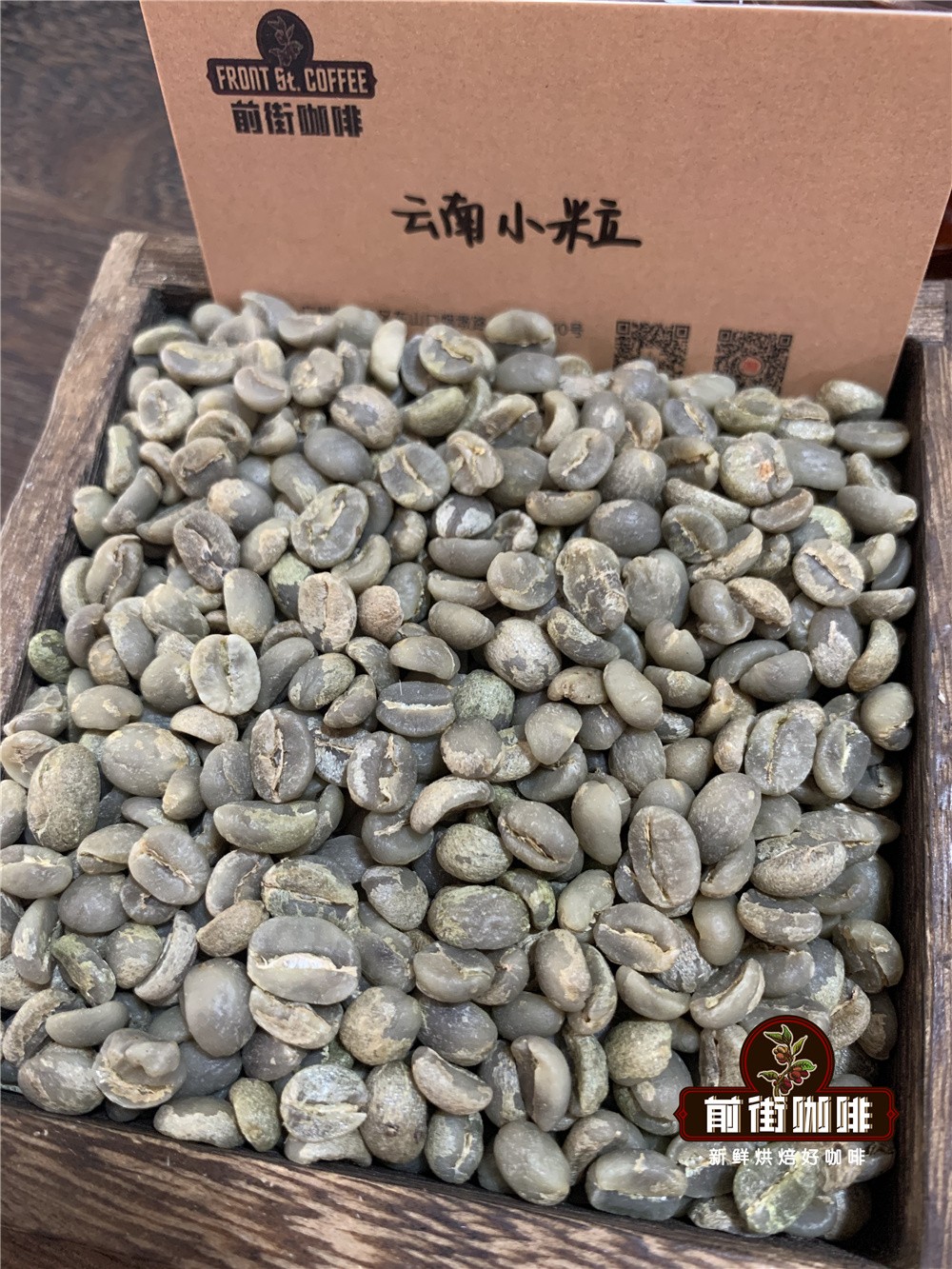
Yunnan Small Bean Coffee actually refers to the small-fruited variety grown in Yunnan—which is what we now commonly call Arabica coffee.
The Cultivation History of Yunnan Small Bean Coffee
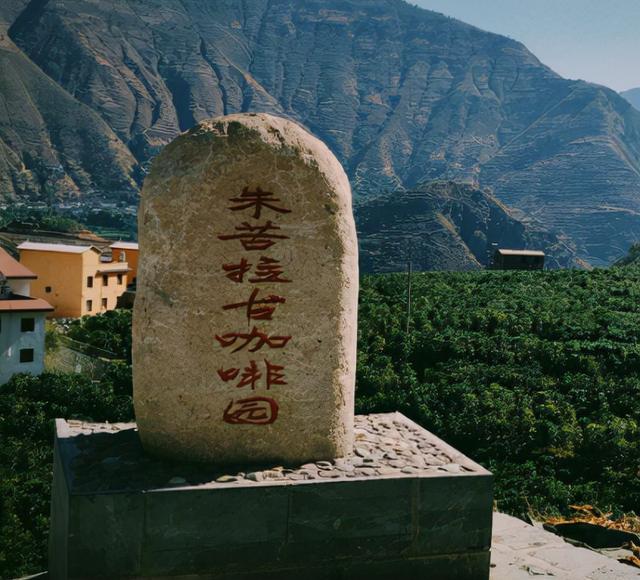
In 1892, a French missionary successfully planted the first coffee tree at a place called Zhukula for his own drinking needs. He probably never imagined that a hundred years later coffee would become a highlight of Yunnan's plateau specialty agriculture. Records from the time note that this was a small-fruited variety, so the extracted beans were very small—which is why Chinese drinkers came to call such coffee "Small Bean Coffee."
Scholars later confirmed that the earliest coffee variety cultivated in Yunnan was Typica, the most ancient variety in the Arabica lineage. The other varieties that appeared afterward were the result of Typica's natural evolution and hybridization. This variety's greatest flavor strength is its clean, balanced cup, already carrying a charming sweet aftertaste.
At first, Chinese people had no demand for coffee, so coffee trees were planted as ornamentals around churches, for missionaries and their followers to drink. Later, to repay debts to the Soviet Union, Yunnan's coffee-growing areas expanded in the 1950s to Yingjiang, Longchuan, Ruili, Luxi, Baoshan, Jinghong, Binchuan, Dayao, and Yuxi Xinping, mostly for export to the former Soviet Union and the former Eastern European socialist countries. At its peak the cultivated area reached 4,000 hectares.
From the late 1950s into the early 1960s, as economic exchange with the former Soviet Union and Eastern Europe gradually broke off, coffee exports were affected too. Coffee drinking was then regarded domestically as a capitalist lifestyle, so with no market base and high cultivation and maintenance costs for Typica, people cut down the coffee trees to plant other cash crops, and Yunnan Small Bean Coffee production came almost completely to a halt.
By the early 1980s, Nestlé recognized Yunnan as this treasure of a place and distributed the easier-to-grow Catimor variety, which restored Yunnan's coffee production and brought new development.
By the early 1990s, Yunnan coffee production entered a period of rapid growth. New varieties were introduced continuously—such as the Bourbon variety that is popular in Yunnan today, which was introduced and cultivated during this period. New varieties were brought in to meet the needs of international buyers, but those buyers did not guarantee to purchase the whole crop. When world coffee prices swung sharply, Yunnan's growers began to face harsh tests.
Because Yunnan Small Bean Coffee earned its earliest international reputation under that name—and because the market's habitual understanding persisted for a long time—Yunnan coffee is still generally called Small Bean Coffee today. That has drifted away from the objective facts of later cultivation and development, and it has also pushed Yunnan coffee down a path of extensive management, leaving many coffee consumers with a less-than-favorable impression of Yunnan coffee.
Different varieties carry their own flavor styles, just as we choose different rice. What's more, in Yunnan's regions with diverse geography and climate, even the same variety shows a different flavor "personality" when combined with the local soil. Extensive management not only erases the differences between distinct varieties but also loads the once-renowned "Yunnan Small Bean Coffee" name with things that do not belong to it—largely because people previously paid too little attention to Yunnan's coffee cultivation and bean processing.
Main Varieties of Yunnan Small Bean Coffee
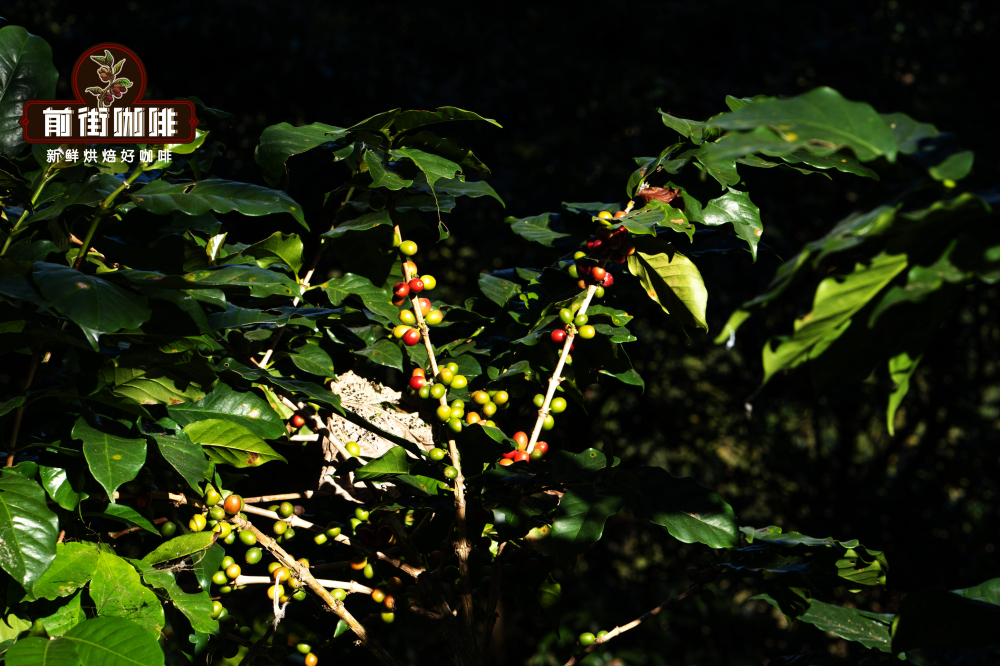
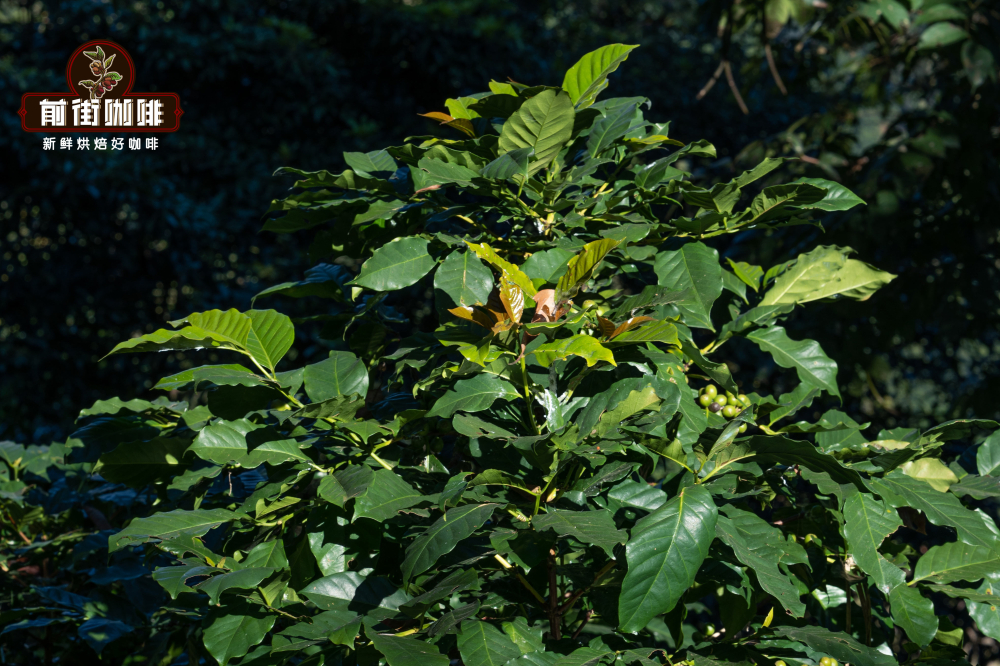
Typica and Bourbon, two classic high-quality varieties, are the main cultivars in Yunnan coffee, with clean, balanced, and refined flavors. In 1991 the Catimor series was also introduced from Kenya—stronger disease resistance and higher yield, but a less refined flavor than Typica and Bourbon. These belong to the Arabica species (also called the small-fruited variety). Because the two varieties are similar in form and habit, they are often planted mixed together.
Although Yunnan's coffee cultivation has become more scientific over the past decade and bean processing more refined, the flavor difference compared with the past is very significant. Traditional washed and natural-processed Catimor beans can now also show relatively clean flavors.
FrontStreet Coffee believes, however, that if Yunnan coffee is to truly become specialty coffee, the variety matters enormously. So in 2013 FrontStreet Coffee began planting Typica beans on a mountain in Lincang, Yunnan, at an altitude of 1300m. Compared with Catimor, Yunnan Typica shows more obvious sweetness and a very charming black-tea aftertaste, with balanced sweet, sour, and bitter notes.
Main Production Areas of Yunnan Small Bean Coffee
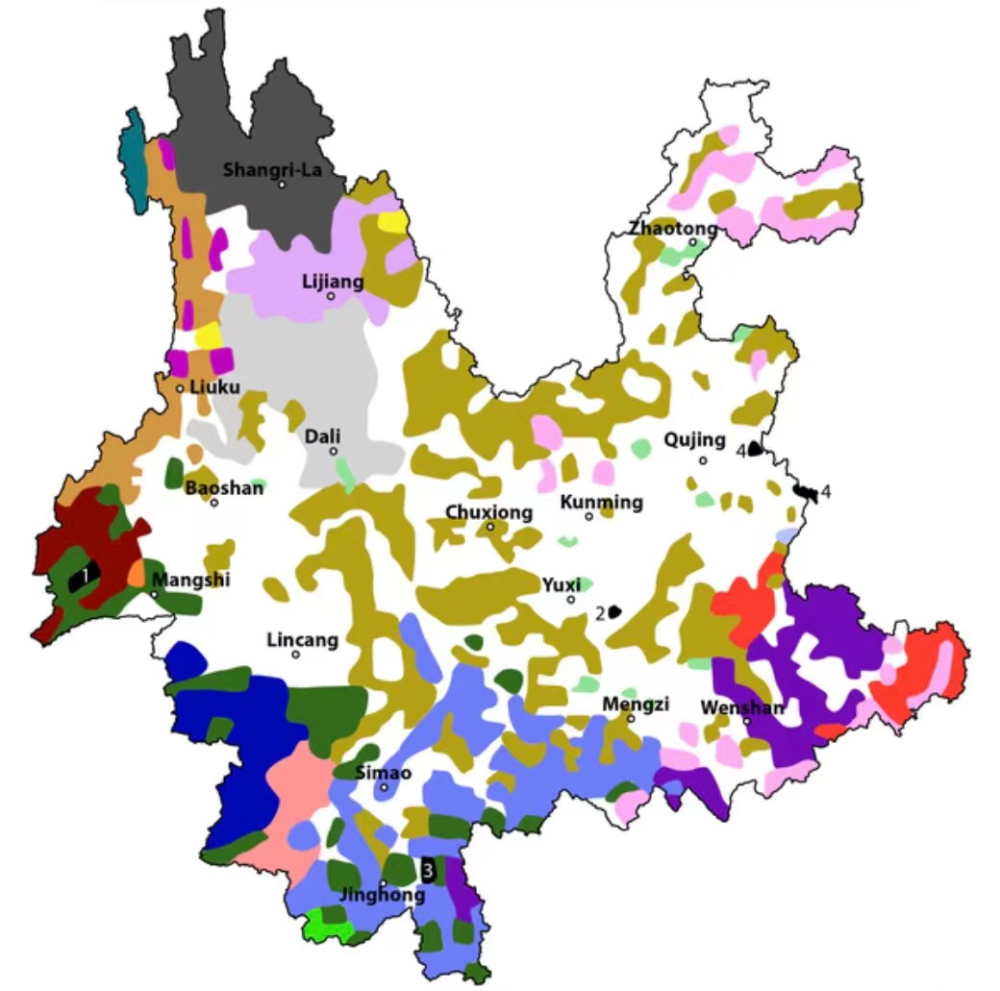
Small Bean Coffee is suited to mountain slopes at altitudes of 800–1800 meters. Too high and the taste turns sour; too low and it turns bitter. Small Bean Coffee is mostly planted in dry, hot valleys around 1100 meters, so the acidity is moderate and the fragrance rich and mellow. Many areas of Yunnan have unique environments suited to growing it, producing excellent-quality Small Bean Coffee.
The cultivation areas are mainly distributed across Lincang, Baoshan, Simao, Xishuangbanna, Dehong, and other regions. At present, the best Yunnan Small Bean Coffee comes from Baoshan and Lincang, in areas above 1200m. The day-night temperature difference slows coffee growth, building more flavor.
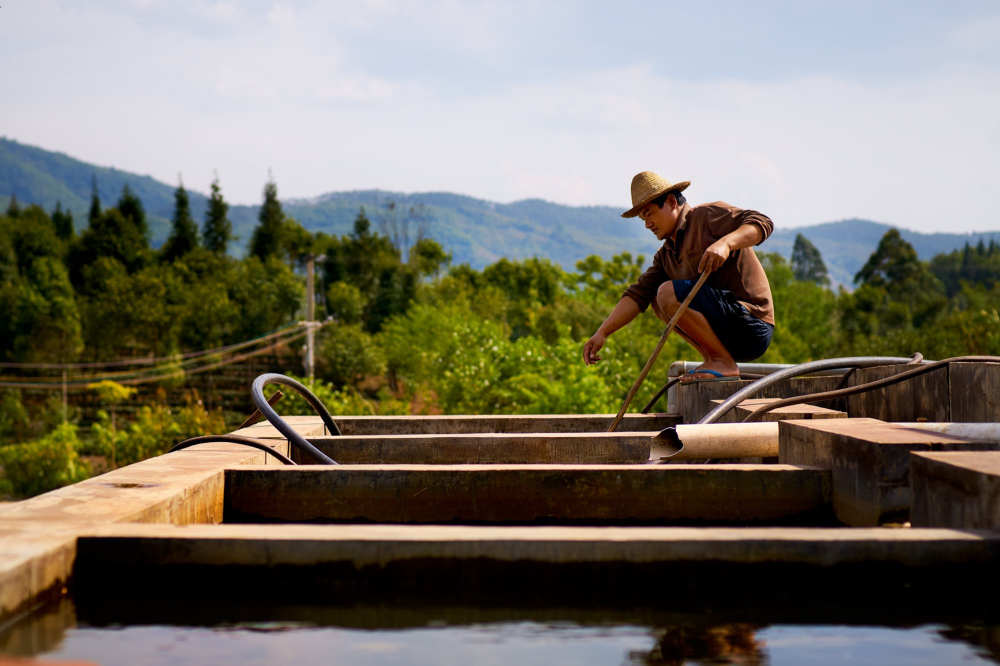
The average temperature at Baoshan's Lujiangba is 21.5°C, reaching as high as 40.4°C, with basically no frost year-round. The Small Bean Coffee grown here is known for being rich without bitterness and fragrant without harshness, with small, uniform beans, a rich mellow aroma, and fruity notes. It is regarded as the best Small Bean Coffee production area. After inspecting Yunnan's coffee cultivation and primary-processing bases, International Coffee Organization tasting experts placed Yunnan coffee in the same category as Colombian washed Small Bean Coffee, among the world's highest-quality coffees.

The place where FrontStreet Coffee cultivates Typica coffee sits on a mountain in Lincang near the Myanmar border. Lincang's altitude and latitude are much like those of Colombia, the world's coffee powerhouse. Combined with the inherent strengths of the Typica variety, the coffee flavor can show the same caramel sweetness and refined berry acidity as coffee grown in Colombian regions, plus the black-tea-like aftertaste that Yunnan's soil brings.
FrontStreet Coffee Recommendation
Yunnan coffee is also known as Yunnan Small Bean, and its beans are even and plump with a mellow, well-judged body. The story starts with the French missionary Tian Dengneng, who carried Typica seeds from Vietnam into Yunnan and planted them successfully at Zhukula village in Binchuan county—the beginning of Yunnan coffee, and the reason the crop became known at home as "Yunnan Small Bean." Coffee likes warmth, tolerates heat but not cold, and needs full sun, with an ideal growing temperature of 16–21°C. Because the world's coffee belt runs around the equator and includes 25° north latitude, and Yunnan happens to sit on that belt—mostly at around 1000 meters, with fertile slope soil, ample sun, abundant rain, and a wide day-night temperature swing—the conditions all favor the tree.
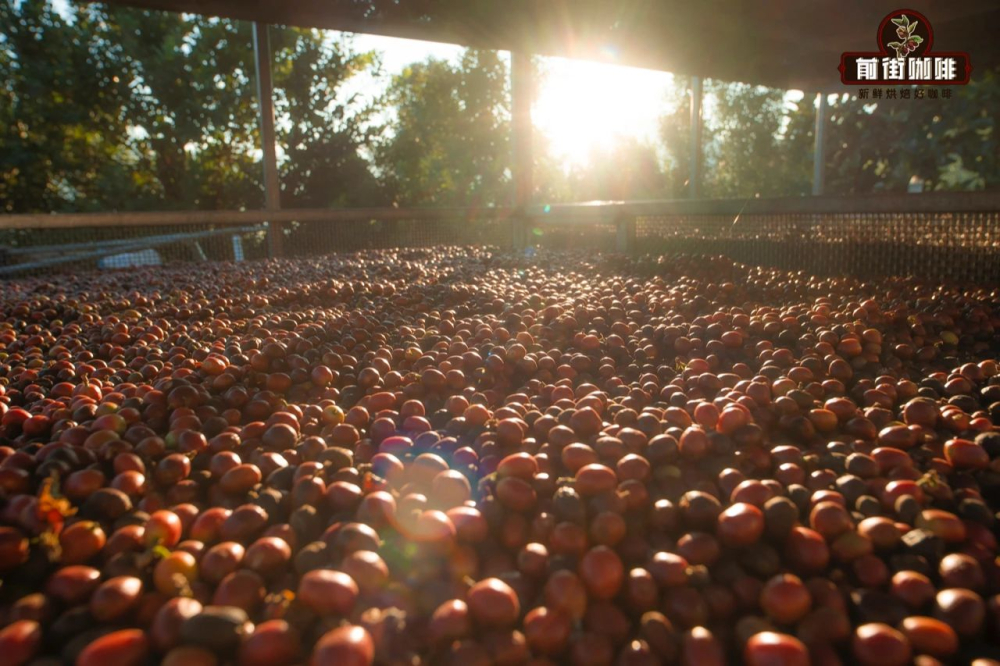
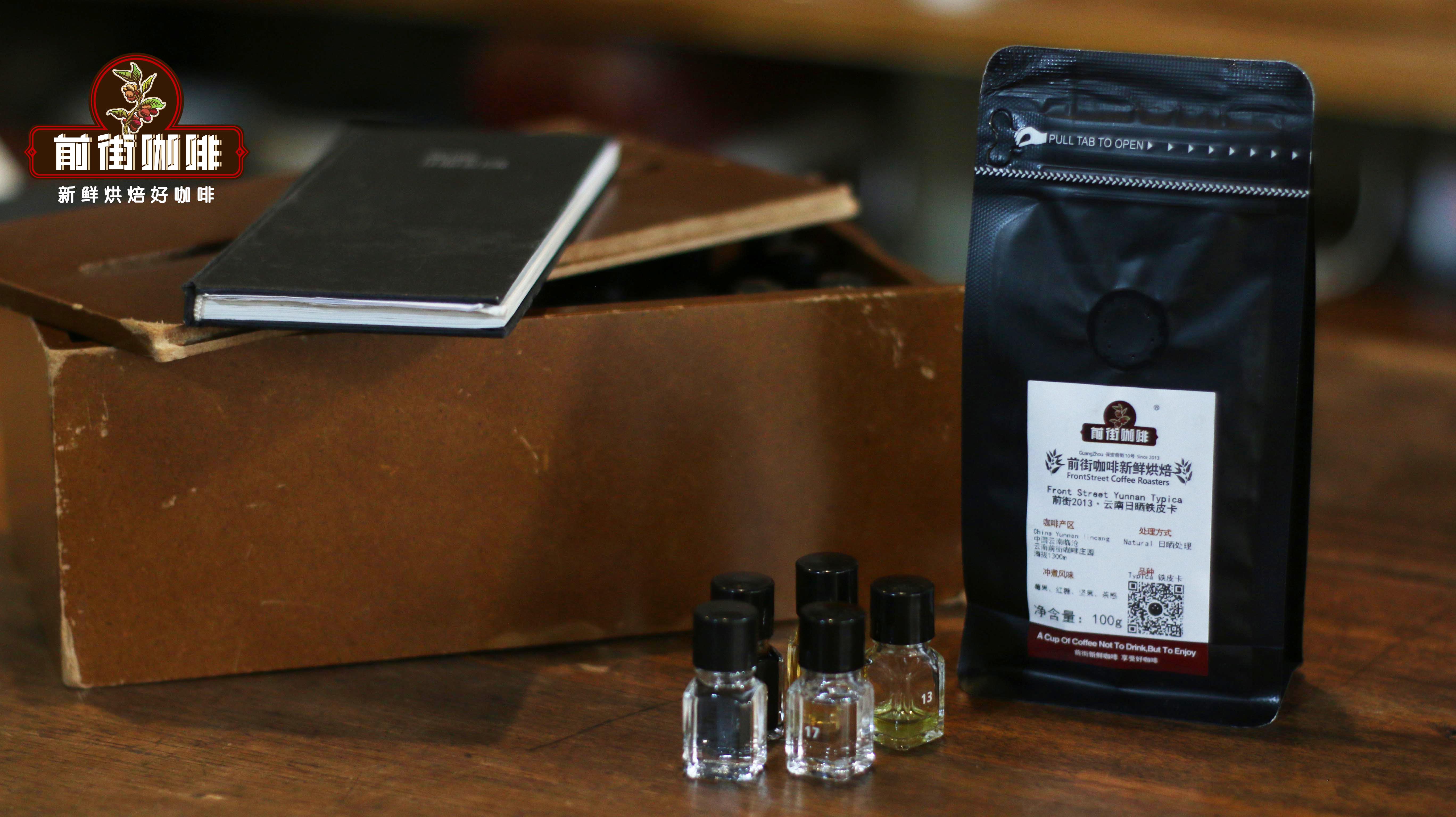
Yunnan's coffee is grown mainly across the province's southwest, in four big areas: Baoshan, Dehong, Pu'er, and Lincang. FrontStreet Coffee's everyday bean list carries two Yunnan specialty coffees, from Baoshan and Lincang respectively. For an entry-level Chinese Arabica, FrontStreet Coffee suggests the Yunnan Small Bean from Baoshan: washed and medium-roasted, it keeps a caramel note while holding on to some acidity, so the cup expresses the region's terroir well. The washed process—fermenting and rinsing away the pectin layer before drying—is what gives Yunnan Small Bean its region-specific profile. To taste a Yunnan coffee with fuller, clearer flavor, the house's 2013 sun-dried Typica uses the oldest, most traditional post-harvest method of all. Typica is one of the oldest and purest Arabica varieties, and after sun-drying it becomes heavier in the mouth with a more pronounced sweet-tart quality—citrus and berry notes, a touch of fermented wine, caramel sweetness, and a creamy finish.
For a Yunnan-flavored espresso, FrontStreet Coffee's Black Cocoa blend combines Yunnan Small Bean with Brazil Cerrado: Brazil supplies mixed-nut aroma and balance, while Yunnan plays the chocolate and citrus role. The resulting Americano balances sweet, sour, and bitter with nut and brown-sugar sweetness, and the latte turns out smooth with almond and cream—an easy, forgiving choice for beginners.
Important Notice :
FrontStreet Coffee is a long-established specialty coffee roaster in Guangzhou China, selling freshly roasted beans from its own farm in Yunnan as well as dozens of carefully selected single-origin beans from around the world for both pour-over and espresso. The products deliver consistently excellent quality and great value, with shipping within 24 hours. Guangzhou's FrontStreet Coffee shop is recommended by many coffee lovers, and the beans are now available online at the Tmall 。
FrontStreet Coffee has moved to a new address:
FrontStreet Coffee Address: 315,Donghua East Road,GuangZhou
Tel:020 38364473
 Scan and follow the En Gafei WeChat official account. Please indicate that the reprint comes from "En Gafei".