The Aroma of Geisha Coffee Beans, Origin of Geisha Coffee Flavor Profile
FrontStreet Coffee's Geisha Coffee
Origin: Ethiopia Color: Blue-green Characteristics: Floral notes, tropical fruits, intense sweetness
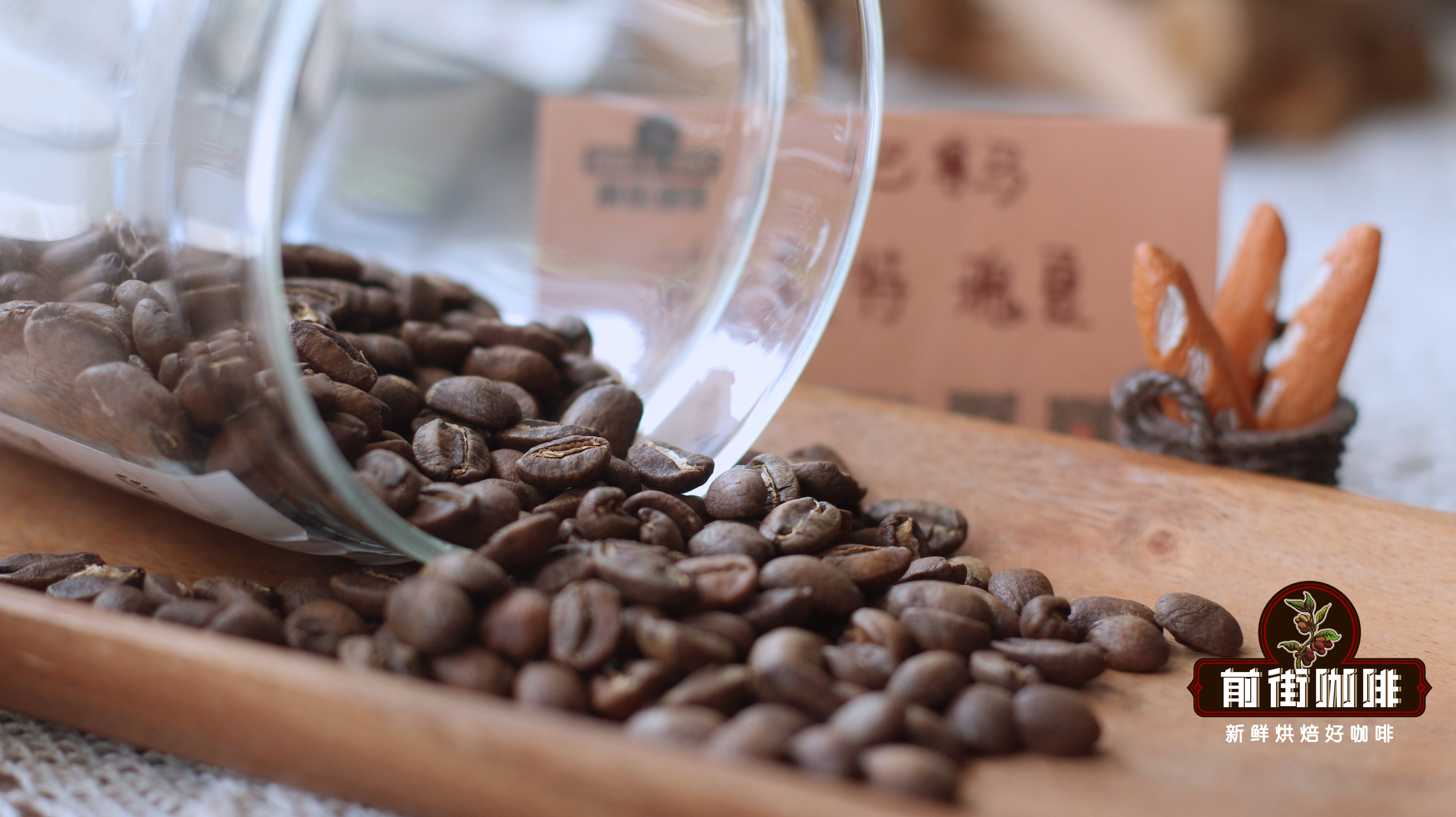
Geisha is an extremely rare coffee variety that has repeatedly stunned coffee connoisseurs around the world over the past five-plus years. It is considered the brightest, most complex, and most aromatic variety there is.
Geisha possesses full sweetness, an exceptionally clean mouthfeel, and rich aromas that range from berries and citrus to mango, papaya, and peach. A very distinct bergamot-like aftertaste is also one of its typical cupping attributes. To date, Geisha has remained the champion among coffee varieties. [Cupping Notes] Moderate body, sweet, multi-layered tropical fruit flavors, a rose-like aroma, and a pleasant aftertaste.
In 1931, Geisha seeds were discovered in the Geisha forest of Ethiopia and sent to Kenya's premier coffee research institute. In 1936, Geisha was introduced to Uganda and Tanzania. In 1953, Costa Rica began importing the variety as well. Finally, in the 1970s, Mr. Francisco Serracin of the Tumbagua farm in Panama obtained seeds from Costa Rica's CATIE and began growing Geisha. Because yields are extremely low and the beans require competitive bidding, they are truly hard to come by.
In 1931 Geisha traveled unremarkably from Geisha Mountain in southwestern Ethiopia to Kenya, Tanzania, and Costa Rica, and it was transplanted to Panama only in the 1960s. After nearly half a century, it suddenly rose to fame, defeating long-established champions like Bourbon, Caturra, Catuai, and Typica to sweep first prize in the Panama National Treasure Coffee Cupping Competition for 2005, 2006, and 2007. In 2007 it won again at the International Famous Coffee Bean Cupping Competition hosted by the Specialty Coffee Association of America (SCAA), with a bidding price of $130 per pound, then the highest price ever recorded for competition beans.
It is reported that later Panama National Treasure competitions were divided into Geisha and non-Geisha categories to keep Geisha from stealing the spotlight from other varieties. Geisha belongs to the Typica family, yet it became famous more than seventy years after leaving Ethiopia — further confirming that Ethiopia is the genetic treasure trove of Arabica coffee, casually giving away a single variety capable of shaking the coffee market.
For a long time, recognition of premium coffee mostly followed Japanese trends. Geisha, however, swept through the coffee world with hurricane force. This coffee revolution arrived with such momentum that even the long-reigning king and queen of the coffee kingdom, Jamaica Blue Mountain and Hawaii Kona, had to step aside.
FrontStreet Coffee's Geisha Coffee Beans
Panama Geisha grows at altitudes between 1,500 and 1,650 meters, where its unique growing environment creates distinctive flavor characteristics:
Raw Geisha beans have a jade-like warmth and a beautiful blue-green color. They smell of fresh grass, peach, and berries, with the oolong-tea milky sweetness most coffee beans lack — though the faint tea aroma is intriguing in its own right.
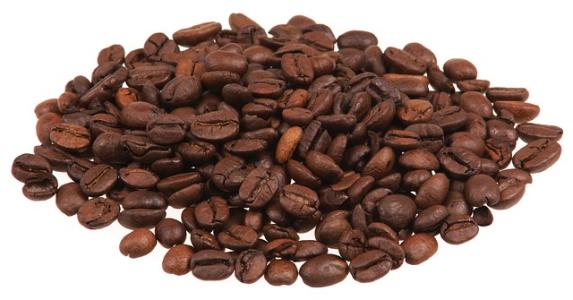
The roasted beans show some "wrinkles" on their surface. These wrinkles are there to highlight the bean's original flavor and fruit acidity. If the raw bean quality is not high, off-flavors such as muddy earthy notes, withered-grass flavors, and astringency may appear — flavors roasters work to avoid. FrontStreet Coffee's roasted Geisha beans have a fresh lemon-citrus aroma and sweet honey-cream notes.
To highlight the beans' character and aroma, the roast level is brought to the verge of second crack. The verge of second crack, and first crack of second crack, are commonly used levels because they best bring out the beans' inherent qualities. A light roast may produce off-flavors, while too dark a roast damages the floral aromas and fruit acidity. The roast depth must therefore be adjusted to the beans themselves.
Floral aromas and the intense sweetness of tropical fruit — these are the consistent characteristics of Geisha. With the right roast level, they deliver a sensation akin to sipping the fragrance of a fresh bouquet.
Dry Aroma: Geisha has an uplifting, bright dry aroma with rose and jasmine florals, along with pomelo and citrus. Light roasting reveals nutty aromas, florals (magnolia, tulip), a milk-tea fragrance, brown-sugar sweetness, and even more sophisticated champagne notes.
Wet Aroma: It also shows an orange-scented wet aroma, with even more florals emerging. On the palate it is slightly more gentle and reserved than the earlier bright dry aroma, with rich caramel. As it cools, florals and fruit gradually rise with the falling temperature — sweet dried fruit, rosehip, orange glaze, strawberry jam, apricot, cherry, hints of pine and vanilla — and the rose notes gradually fade, finally yielding lemon fruit aroma. The cold aroma is exceptionally outstanding. The aftertaste carries a sweet trace, especially in light roasts, where flavors like these truly test the brightness of the coffee.
Slurping: rich with the flavor of premium Lishan tea, with excellent oiliness and the astringency of fine white wine. The lower the temperature, the more delicate the acidity, which then transforms instantly into a smooth, full body that fills the mouth. Candy sweetness and spice notes complement each other, accompanied by emerging floral aromas. The floral aftertaste, fruit sweetness, and body are remarkably persistent.
FrontStreet Coffee Recommendation
Geisha's fame runs through two regions: Panama, where it made its name, and Ethiopia, where it originated, and both are worth understanding. Panama's high altitude, microclimates, and soils gave the Geisha growing there an especially alluring flavor. It was discovered by the owner of Emerald Estate in 2003 and entered the Best of Panama (BOP) competition, where its distinctive flavor stunned every judge; it took the crown with an average cupping score of 94.6, breaking the competition's historical record. Overnight, Geisha became the champion variety the whole world chased. Panamanian Geisha shows a clear orange-blossom honey character, fragrant florals carrying rich, juicy fruit-like sweet-tartness with a tea-like sweetness on the finish. To taste those refined flavors, choose the top grades, FrontStreet's Emerald Estate Red Label Geisha and Green Label Geisha; brewed as pour-over, they show an aroma that is truly mesmerizing.
Over the past decade or so, people have begun returning to Ethiopia, coffee's homeland, to find Geisha's original character. A couple established the 475-hectare Geisha Village estate 12 miles from the Geisha forest, and by comparing plant form, bean shape, and cupping performance they identified the variety closest to Panamanian Geisha — essentially the native Geisha — and brought it out of the forest to grow on the estate in pursuit of higher-quality coffee. Compared with Panama, Ethiopian Geisha carries a brighter fruit acidity. Newcomers should try the entry-level FrontStreet Grana Estate Geisha, which, being roasted medium-light, keeps the pleasant white florals while emphasizing orange, guava, and citrus sweet-tartness and making the finish clearer. To step up to estate-level Ethiopian Geisha, FrontStreet's Geisha Village Gold Label and Red Label are the picks: unlike the small-scale harvesting and processing of other origins, Geisha Village is one of the few large estates in Ethiopia, and because it sits beside the original Geisha forest, with strict quality control and standardized management, its Geisha comes out especially excellent — a pour-over single origin that advancing drinkers should own.
Geisha is a medium-light, floral-and-fruit type with a hard bean that easily sinks and blocks the dripper's holes. FrontStreet therefore recommends a grind of Chinese standard #20 sieve at 78% passing, roughly fine-sugar size, with brewing water at 91°C. For pour-over, FrontStreet uses 15 g of coffee, a small Hario V60 dripper, and a 1:16 ratio; once everything is ready, the three-stage method begins: start the timer and pour to 30 g for a 30-second bloom, then a small circling pour to 125 g, wait for the bed to drop halfway before pouring again, and continue the small circling pour to 225 g, for a total extraction time of about 2 minutes 10 seconds to 2 minutes 20 seconds. For a budget-minded alternative to Geisha, FrontStreet also offers Strawberry Candy, a blend of Costa Rican honey-process coffee and Panamanian Geisha that gives the cup both delicate florals and sweet fruit; it works as pour-over as well as in a moka pot or espresso machine, and equally well as a refreshing cold brew. Cold brew is simple: take 30 g of FrontStreet Strawberry Candy beans ground to fine-sugar size, an EK43s setting of 9 or a C40 hand grinder setting of 24, place them in a clean vessel, add 360 g of room-temperature drinking water at a 1:12 ratio, stir well, cover with plastic wrap, and refrigerate. After 8 hours, filter out all the grounds, seal the liquid, and return it to the refrigerator for 3 hours to mature. The cold brew is then ready, opening with grape juice, rose, sweet orange, and fruit-wine notes.
Important Notice :
FrontStreet Coffee is a long-established specialty coffee roaster in Guangzhou China, selling freshly roasted beans from its own farm in Yunnan as well as dozens of carefully selected single-origin beans from around the world for both pour-over and espresso. The products deliver consistently excellent quality and great value, with shipping within 24 hours. Guangzhou's FrontStreet Coffee shop is recommended by many coffee lovers, and the beans are now available online at the Tmall 。
FrontStreet Coffee has moved to a new address:
FrontStreet Coffee Address: 315,Donghua East Road,GuangZhou
Tel:020 38364473
 Scan and follow the En Gafei WeChat official account. Please indicate that the reprint comes from "En Gafei".