Panama Geisha Coffee Bean Flavor Profile Characteristics - Geisha Estate Coffee Grading Tiers Brand Story Introduction
FrontStreet Coffee often meets newcomers to specialty coffee who are surprisingly well-versed in Geisha even before they've tasted it. That, we believe, is precisely because Geisha has become synonymous with high prices and exceptional quality, hence its outsized reputation.
The Breakthrough Moment
So what exactly made Geisha a household name? Rewind to 2004 and the Best of Panama competition. Judges kept circling back to one table, tasting and re-tasting the same coffee, because they found floral and fruity notes in a Panamanian cup that had never been seen before, as if someone had slipped Ethiopian beans into the brew. It turned out the lot had been submitted by the Peterson father and son of Hacienda La Esmeralda, who called it Geisha.

The Historical Journey
Geisha has a long history. As FrontStreet Coffee understands it, the variety originally comes from the Gori Gesha forest in Ethiopia. In the 1930s, British consul Richard collected Geisha coffee seeds in Ethiopia; the variety eventually reached the Tropical Agriculture Research and Higher Education Center (CATIE) in Costa Rica in the 1950s. In the 1960s, a Panamanian Ministry of Agriculture official visited CATIE hunting for disease-resistant varieties to trial back home, brought Geisha seeds with him, and distributed them to farms in Boquete, one of which was Hacienda Cafetera Jaramillo.
After Hacienda La Esmeralda bought Jaramillo and folded it in as a sub-estate, Daniel Peterson noticed coffee trees with slender, sparsely foliaged branches growing there. Through a series of trials he found that these trees produced exceptional flavor when planted above 1,500 meters. He began cultivating them with meticulous care, and in 2004 that coffee, Geisha, took the Best of Panama championship and shot to fame.
From that point on, Hacienda La Esmeralda Geisha became internationally renowned, with competition lots selling for hundreds of dollars per pound, shattering auction records at the time. Farmers worldwide took notice, and Geisha seeds and seedlings spread to Central and South American countries such as Colombia, Honduras, Guatemala, and El Salvador.
The Ethiopian Connection
Geisha's Panamanian success also sent experts hunting for its roots. They found that the variety had been collected in 1931 by a British officer who ventured into an Ethiopian forest called Gesha. Coffee hunters duly traveled to Ethiopia in search of it. In 2007, Adam and William entered the Gesha forest themselves and found several trees whose morphology and flavor resembled Panamanian Geisha. They secured suitable local land and founded Gesha Village Coffee Estate, located roughly 12 miles from the Gori Gesha forest.
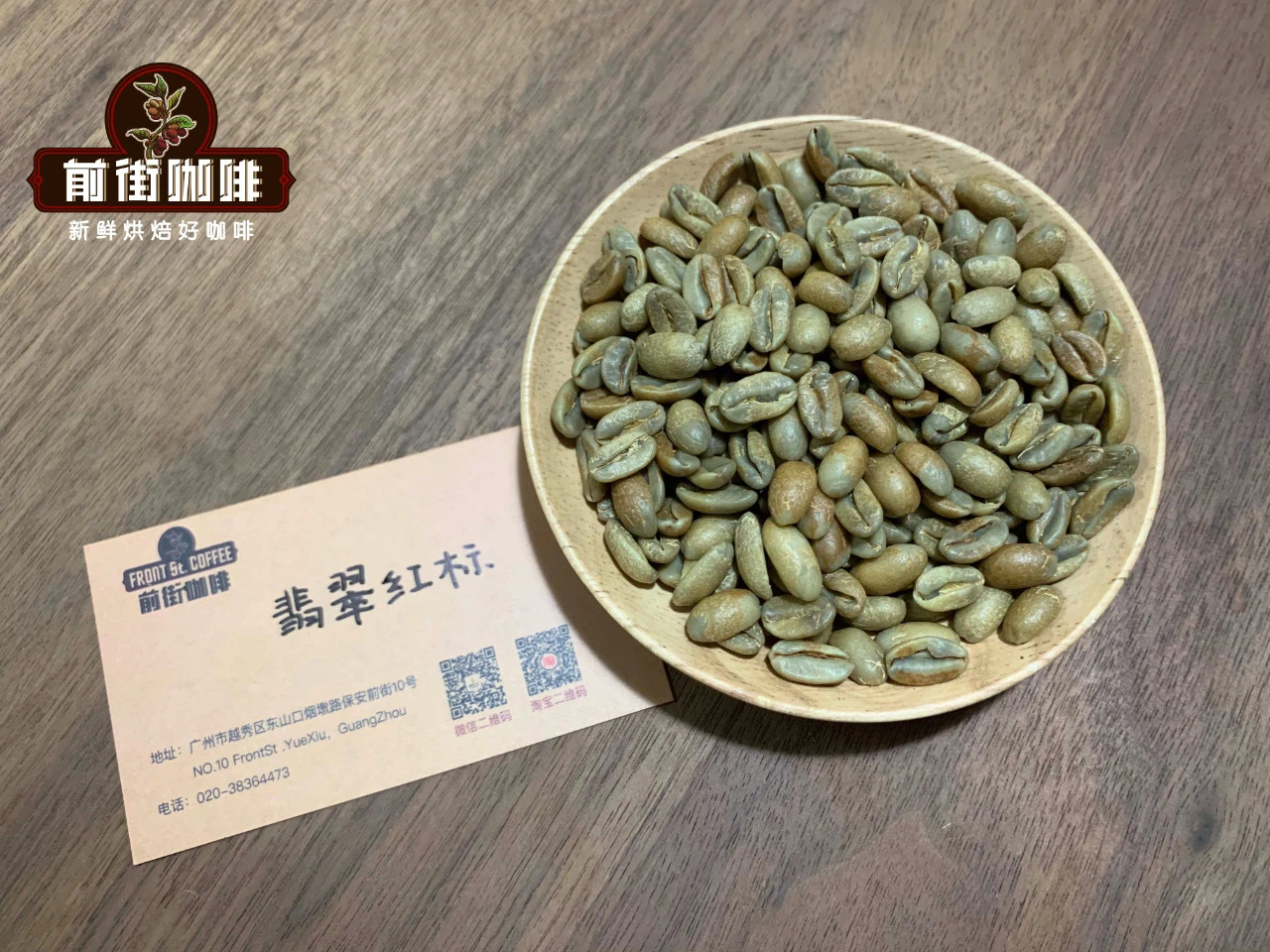
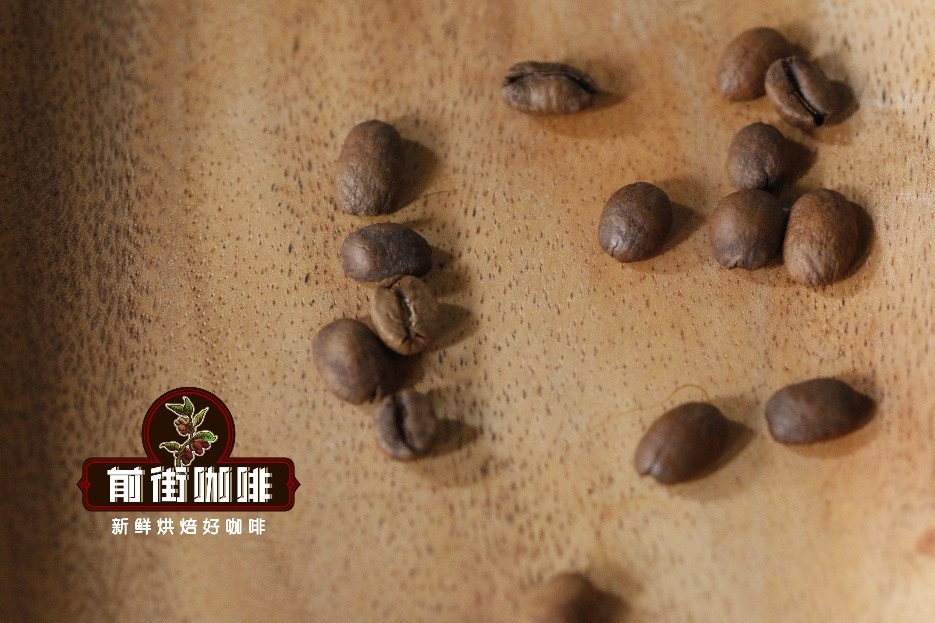
FrontStreet Coffee has bought every series Gesha Village produces. Comparing Gesha Village and Panamanian Geisha green beans side by side, we've concluded that despite sharing a name they are, in fact, entirely unrelated varieties, you can tell them apart at a glance by appearance alone.
Ethiopian Geisha Varieties
First, the Ethiopian side of the family.
Gesha Village's grading mirrors the structure of Panama's Hacienda La Esmeralda. Gold Label (Rare) lots represent 10% of Gesha Village's total production, the estate's top coffee sold outside the auction format, often chosen by international competitor baristas.
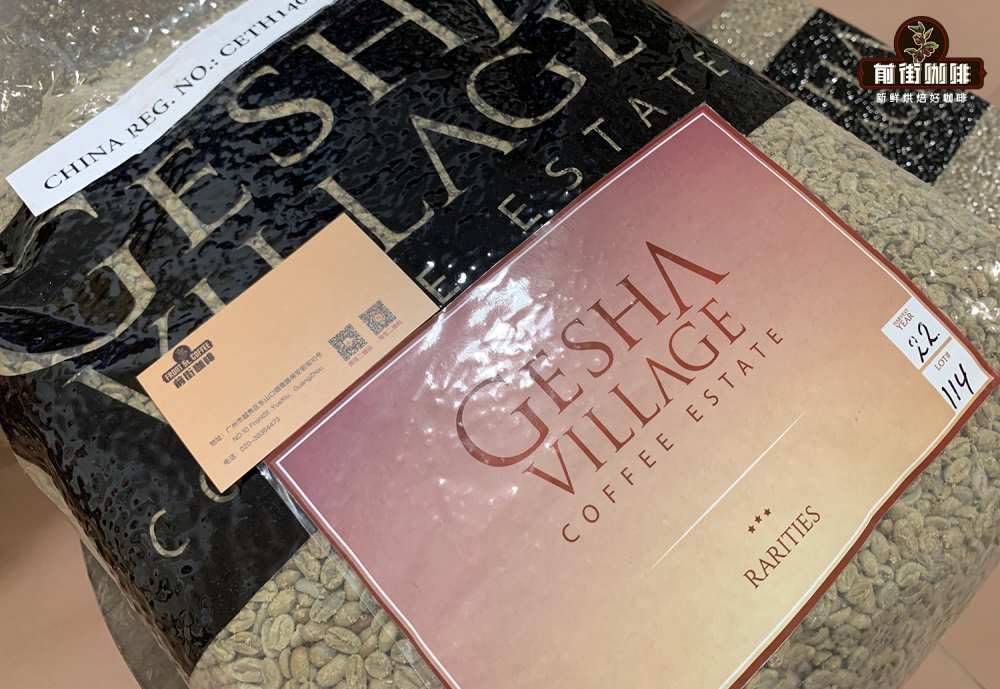
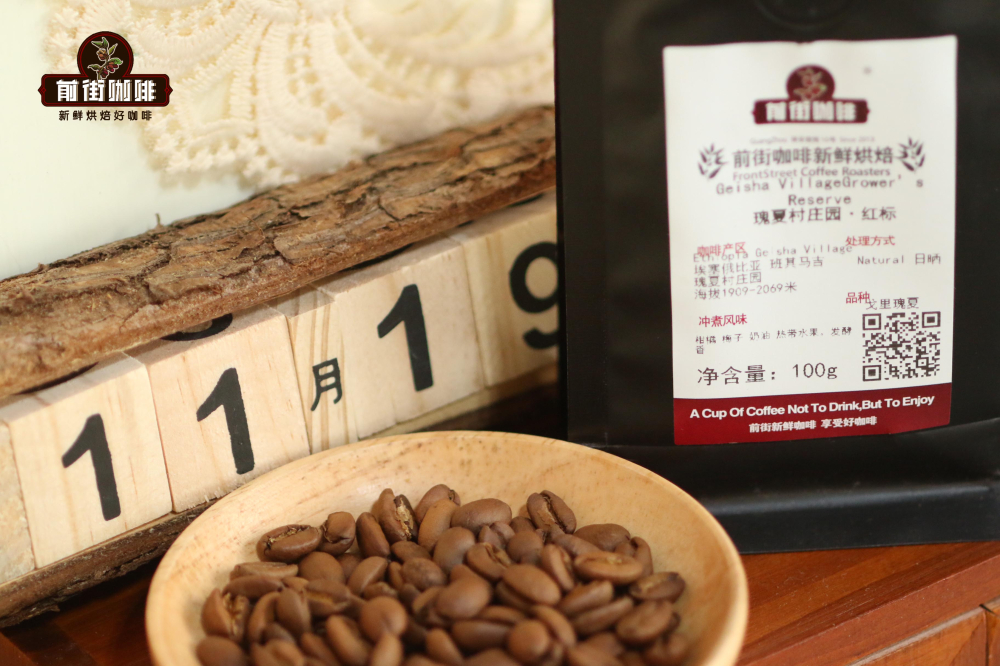
Red Label (Growers Reserve) accounts for 15% of production and scores 88 points or above on the SCA 100-point scale. Green Label (Single Terroir) lots come entirely from a single block within Gesha Village, with full traceability for each batch number, including block name, variety, and processing date.
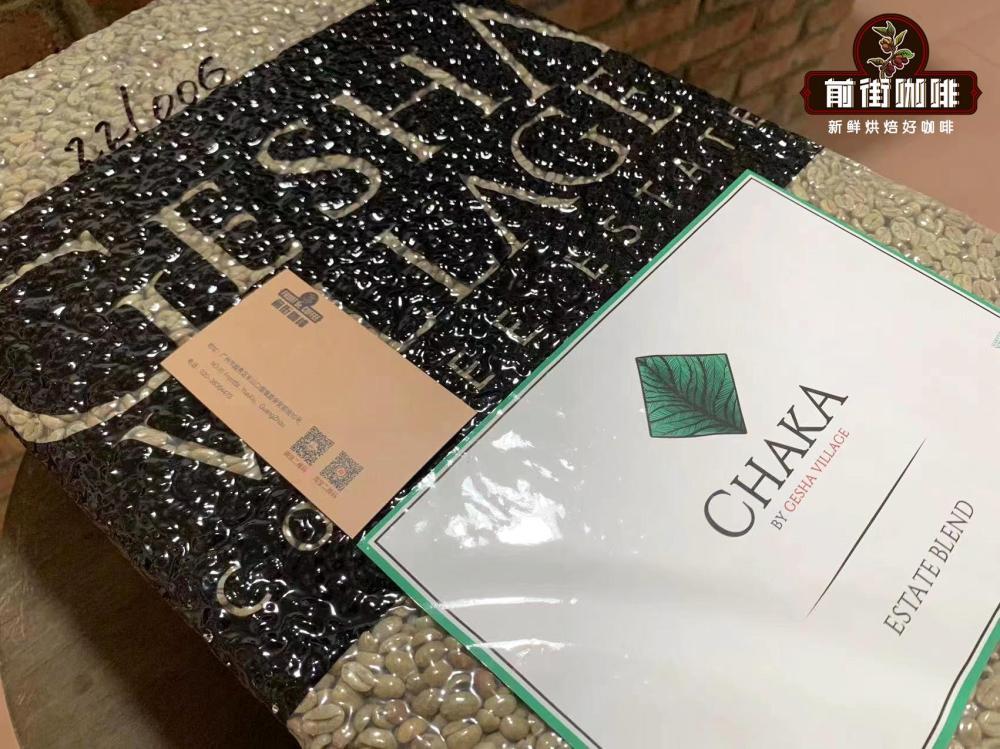
The Chaka series is a blend of specialty coffee drawn from all of the estate's farm blocks across the whole season.
Panamanian Geisha Excellence
The most famous estate for Panamanian Geisha is Hacienda La Esmeralda, which invests enormous care in the details and precise processing that set its coffee apart.
After the 2004 debut at the Best of Panama auction, the Petersons poured their energy into infrastructure that would support exceptional batch separation, meticulous processing, and a healthy auction format. As auction prices climbed, demand grew for experimental processing such as naturals, and with it the emphasis on batch specificity.

La Esmeralda's Grading System
At Hacienda La Esmeralda, Geisha is divided into three grades: Blue Label, Green Label, and Red Label. The estate devotes great effort to mapping its Geisha plots, which fall into three main areas, Jaramillo, Cañas Verdes, and El Velo, each subdivided into smaller plots (22 in total). La Esmeralda is still expanding today in search of micro-plots even better suited to Geisha; in 2022 it acquired a new estate called Palmira.
Flavor Profile of Geisha Coffee
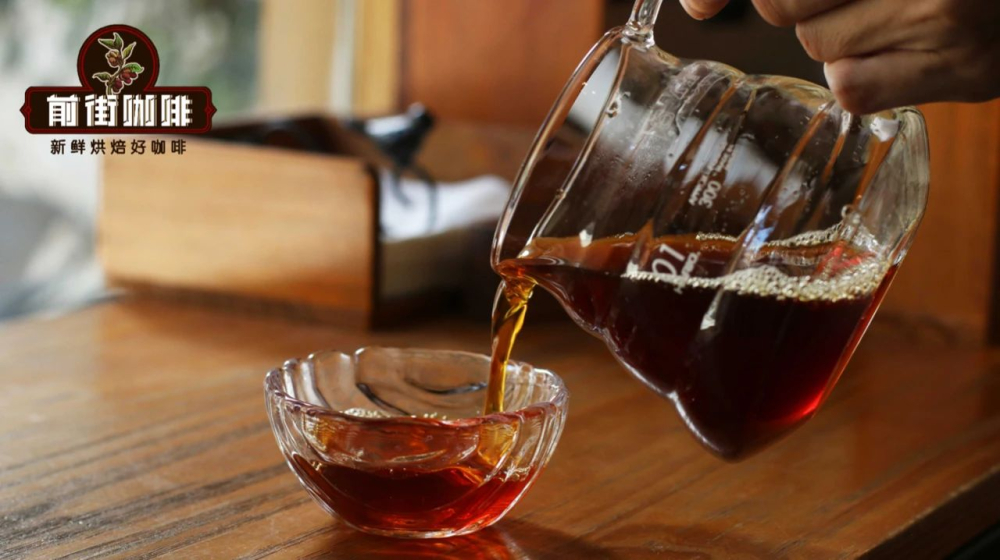
Geisha's dry aroma is remarkably elevated and bright, rose and jasmine florals with hints of pomelo and citrus. A light roast reveals nutty aromas; the wet aroma shows hazelnut alongside even more floral character.
On the palate the entry is gentle and subtle. As the cup cools, the floral and fruity flavors intensify with the falling temperature. The cold aroma is exceptional, dried sweet fruits, rosehips, orange glaze, strawberry jam, hints of pine, cherry, vanilla, and rose, gradually fading into a lemon-like fruitiness. This is a coffee that rewards an abundance of adjectives, and the sweet aftertaste is intensely pronounced.
FrontStreet Coffee Recommendation
Geisha, the name transliterates from "Geisha", is one of the most beloved varieties in arabica coffee. Its unique florals and superb sweet-tart character have won over countless coffee lovers, yet low yields, weak disease resistance, and demanding cultivation keep pushing the price ever higher. If you want great Geisha without a painful bill, you first need to know the types and their relative value.
FrontStreet Emerald Red Label and Green Label Geisha: as the saying goes, every thousand-mile horse needs its Bo Le, and for Geisha, that talent scout is Hacienda La Esmeralda, whose name is now inseparable from the variety. The estate's current Geisha line runs two tiers. The Red Label, officially "Esmeralda Special," grows at 1600–1800 meters; every batch must cup above 90 points and carries an independent batch number, with all beans in a batch coming from a single small plot, FrontStreet's Red Label, for instance, comes from the Mario plot, letting buyers pick a batch that matches their flavor preferences. The Green Label, originally "Private Collection," blends lots from multiple plots to express the estate's signature high-altitude Geisha character rather than plot-level detail, and its more accessible price makes FrontStreet Emerald Green Label outstanding value.
FrontStreet Boquete Geisha: for newcomers who want a first taste of the legendary "Geisha flavor," we point them to this entry-level Panamanian Geisha, classic orange-blossom honeyed notes, an oolong-tea-like feel, delicate fruity acidity, and clearly defined layers, at a reasonable price.
FrontStreet Gesha Village Gold Label and Red Label: Ethiopia, the birthplace of coffee, also has an estate famous for the Geisha variety, Gesha Village, with grading even stricter than Panama's. It plants three Geisha varieties: Gori Gesha, Gesha 1931, and Illubabor Forest, graded as Gold Label (Rarities), Red Label (Growers Reserve), Green Label (Single Terroir), and Chaka batches, with variety distinctions on top. The Gold Label is Gesha 1931, 10% of total production and the estate's finest coffee outside auction; FrontStreet's Gold Label batch is an exquisite natural with complex, layered flavor. The Red Label is Gori Gesha, 15% of production, scoring 88 or above on the SCA scale, with full traceability for every batch number.
FrontStreet Genlana Estate Gesha: the Genlana Gesha farm sits in Yirgacheffe, Ethiopia, a rarity in planting a single variety. This lot comes from the Genlana processing station on the border of Kochere and the Genlana Abaya area, founded in 2014 under Israel Degefa, in a zone of 700 hectares of coffee, most of it untilled, fertile, and shaded by forest trees. Fully ripe cherries are hand-picked and dried on raised beds for 14–20 days depending on the weather. Roasted medium-light, it shows bright citrus acidity, elegant ginger-flower aromatics, and the full sweetness of ripe fruit, with a silky texture and Geisha's signature refined finish.
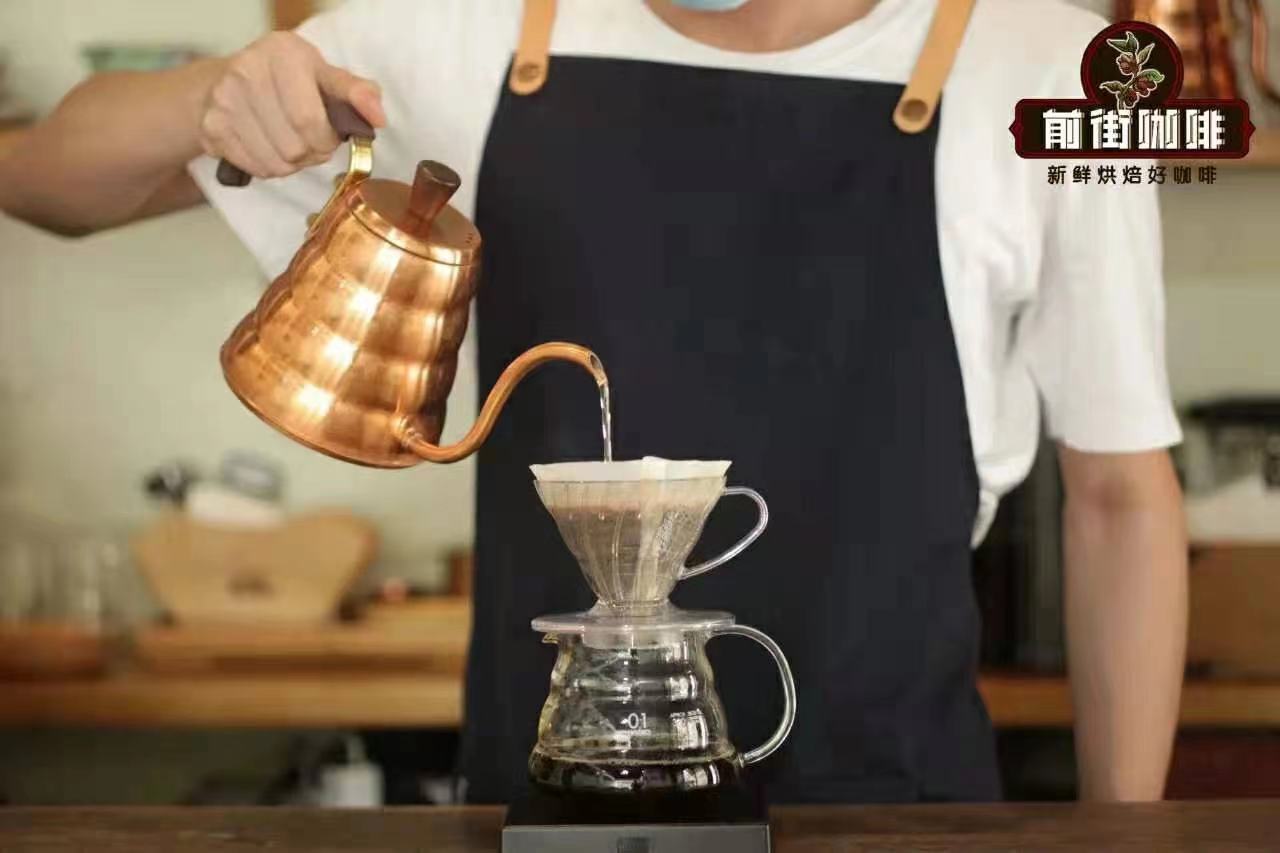
Brewing: Geisha is a medium-light roast with dense, hard beans that tend to sink and clog the dripper. FrontStreet suggests a coarse grind, 78% passing through the China standard #20 sieve (about fine-granulated-sugar size), and water at 91°C. Use 15 g of coffee in a Hario V60 (small) at a 1:16 ratio, pouring in three stages: 30 g to bloom for 30 s, then a small spiral to 125 g; once the bed drains to half, continue to 225 g. Total extraction time runs about 2:10–2:20.
Geisha also makes a striking SOE. For that, FrontStreet's medium-roast Genji Chaka Gesha SOE is the pick: alongside Geisha's floral-fruit character and sweet dried-fruit notes, it brings Ethiopia's white florals and lemon-bright acidity; as espresso it turns to dried apricot, caramel, and nuts. FrontStreet's SOE recipe: 20 g of coffee, a 1:2 brewing ratio, 25 seconds, yielding 40 g of espresso. For a Geisha SOE Americano, add 200 g of hot water at 1:5, expect orange, nuts, and blueberry; for a latte, add 200 g of milk for a cream-cookie smoothness.
Important Notice :
FrontStreet Coffee is a long-established specialty coffee roaster in Guangzhou China, selling freshly roasted beans from its own farm in Yunnan as well as dozens of carefully selected single-origin beans from around the world for both pour-over and espresso. The products deliver consistently excellent quality and great value, with shipping within 24 hours. Guangzhou's FrontStreet Coffee shop is recommended by many coffee lovers, and the beans are now available online at the Tmall 。
FrontStreet Coffee has moved to a new address:
FrontStreet Coffee Address: 315,Donghua East Road,GuangZhou
Tel:020 38364473
 Scan and follow the En Gafei WeChat official account. Please indicate that the reprint comes from "En Gafei".