Tanzania Coffee Bean Varieties Introduction Flavor Description Growing Environment
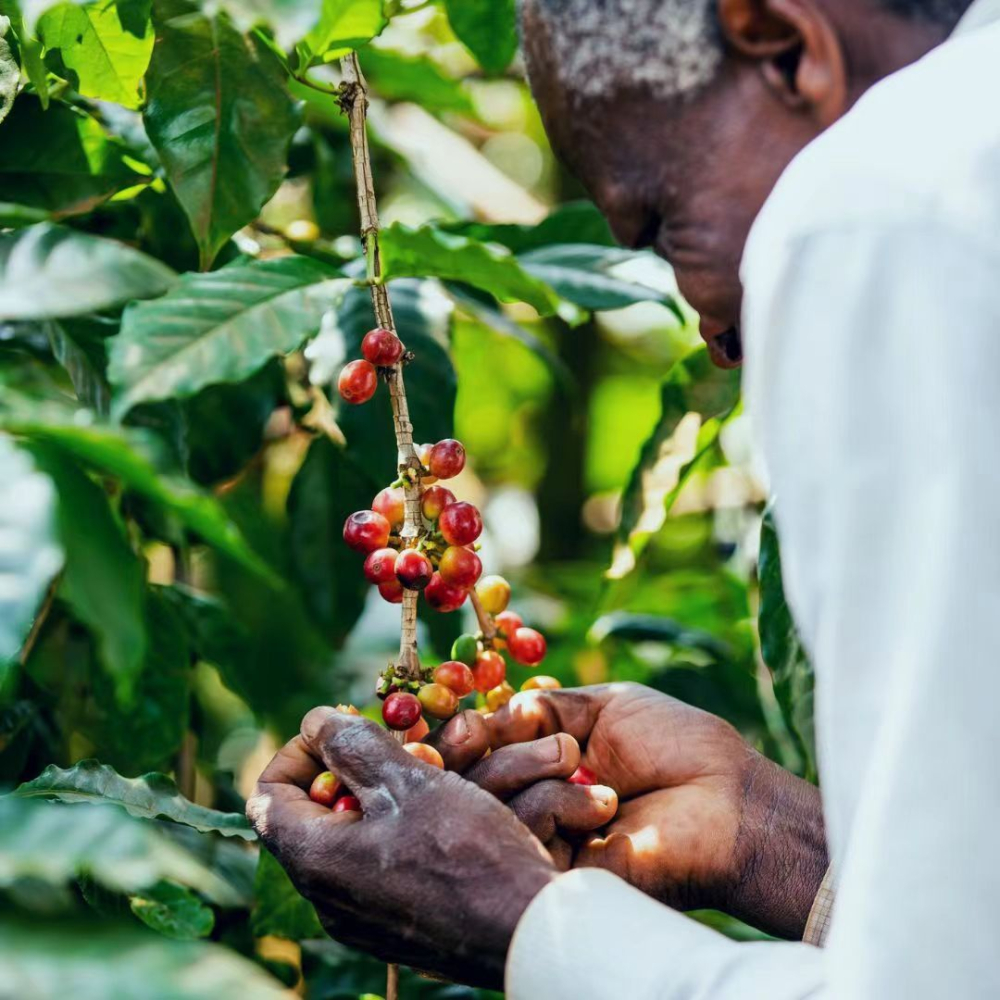
The Character of Tanzanian Coffee
Tanzania borders Kenya, and the two countries share closely related languages and plenty of back-and-forth between their peoples. In specialty coffee circles, both origins are beloved, though Kenyan coffee clearly enjoys far greater fame. FrontStreet Coffee has found through side-by-side comparison that, unlike Kenya's dark berry intensity, Tanzanian coffee is softer and gentler: moderate acidity paired with light, sweet aromas and an endless aftertaste.
The Story of Tanzanian Coffee Cultivation
Coffee first arrived from the French island of Réunion and was carried by Christian missionaries from Kenya into Tanzania's Bagamoyo and Mogoro growing regions. Around 1893, coffee trees planted on the slopes of Mount Kilimanjaro, fed by the fertile soil of volcanic eruptions, produced their first successful harvest — and Tanzania's coffee journey officially began.
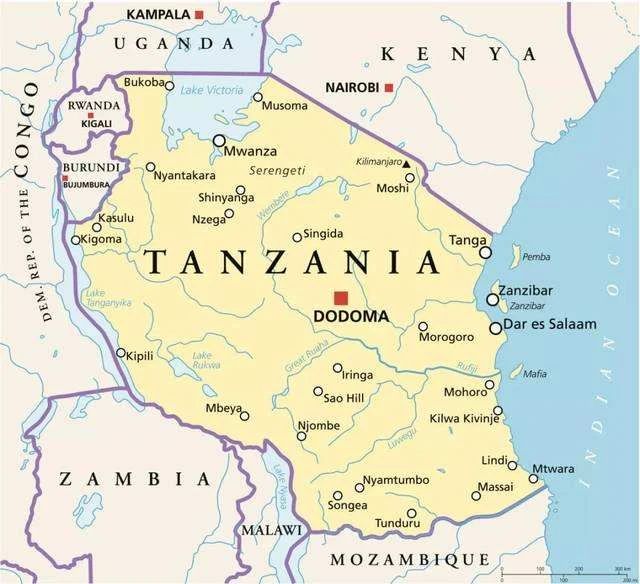
In 1911, the colonial government ordered large-scale planting of Arabica in the Bukoba region. In 1952, the first cooperative was established — the Kilimanjaro Native Planters' Association (KNPA) — and the number of coffee farmers grew accordingly. Through the 1950s, other varieties were gradually introduced from neighboring Burundi, planted mainly in western Tanzania.
After independence in 1961, Tanzania focused its economic energies on coffee and attempted to double production by 1970, though the plan fell short of its goals. Thanks to the efforts of local industry professionals, Tanzania's annual green coffee production now reaches approximately 60,000 tons — half Robusta, half Arabica.
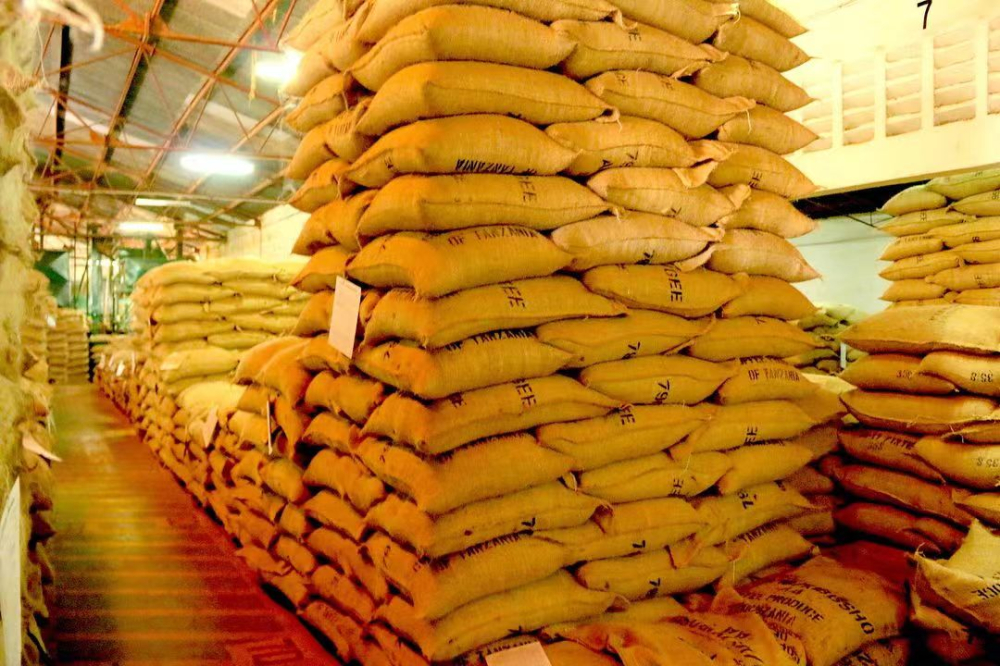
Tanzania's coffee industry was once dominated by estates, but today more than 80% is grown by smallholder farmers, many of whom band together into cooperatives. The Kilimanjaro Cooperative Union (KNCU) holds an important local position, chiefly responsible for quality control; from there the coffee is acquired by the Tanzanian Coffee Marketing Board (TCMB) and sold to private exporters through auction.
Mount Kilimanjaro
As one of East Africa's richest countries in tourism resources, Tanzania touches Africa's three great lakes: Victoria, Tanganyika, and Nyasa (Malawi). And Mount Kilimanjaro — 5,895 meters, "Africa's highest peak" — is world-renowned.
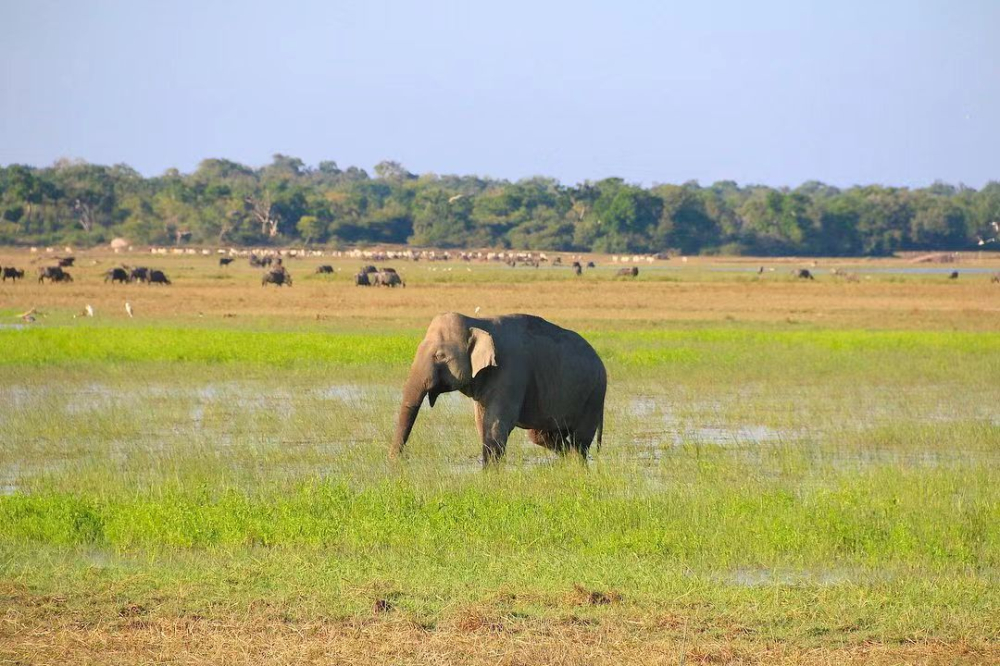
Kilimanjaro is a towering mountain with year-round snow and one of the world's highest volcanoes and free-standing peaks. Farmland rings the base, while the middle slopes carry dense rainforest and alpine vegetation. Looking up the mountain you can read several distinct vegetation zones, from foothills to summit: semi-arid shrubland, well-watered farmland, dense cloud forest, open moorland, alpine desert, and finally a zone of mosses and lichens. This remarkably varied ecology shelters rare wildlife and creates excellent conditions for cash crops of all kinds.
The Tanzanian coffee FrontStreet Coffee sources comes from Kilimanjaro: the ancient Bourbon variety, traditionally washed processed. Brewed, it shows a fruit-tea character of citrus and honey, fresh berry notes, and rich layering.
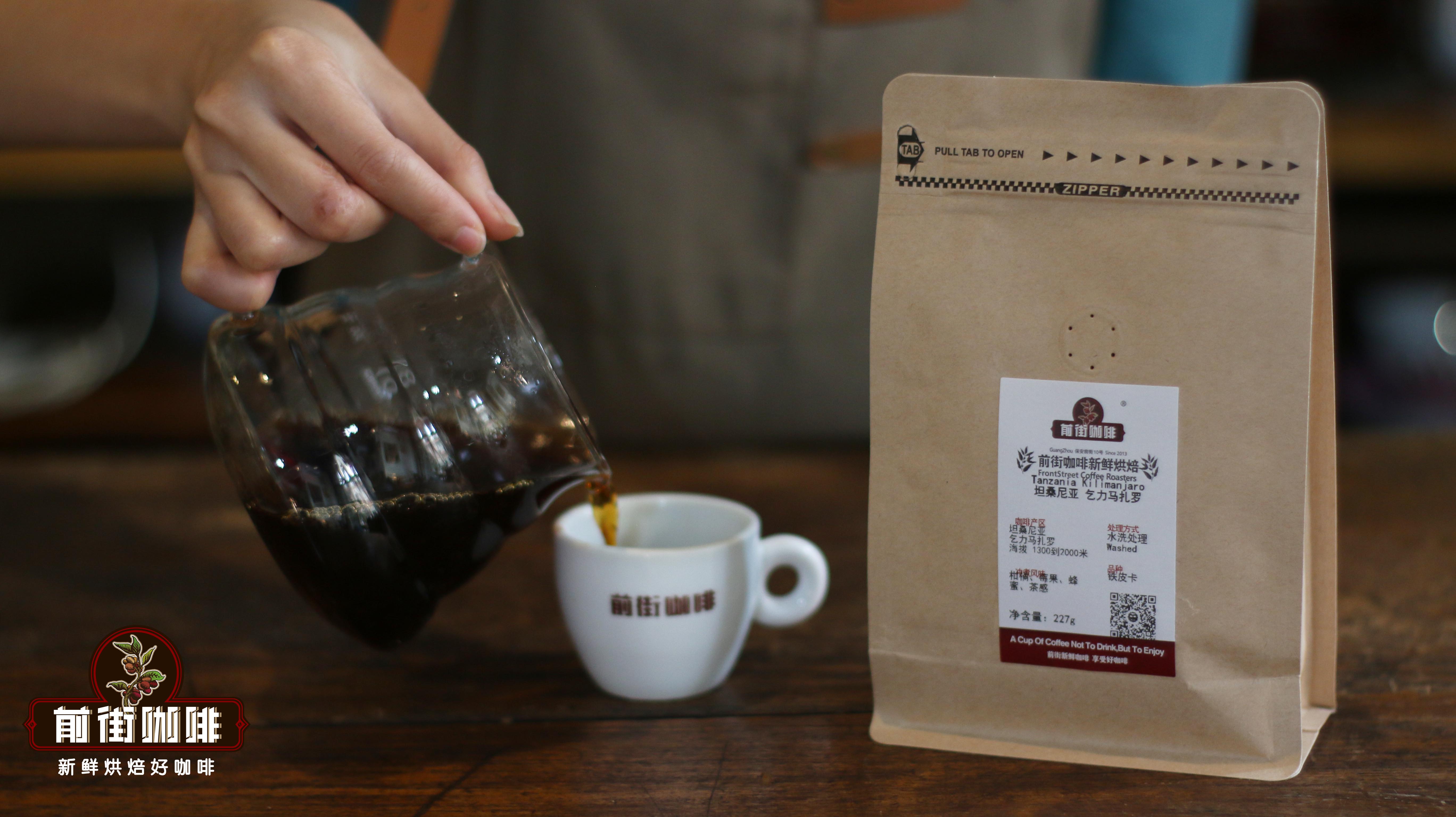
FrontStreet Coffee: Tanzania Kilimanjaro Coffee Beans
- Region: Northern Highlands, Kilimanjaro Volcanic Region
- Variety: Bourbon
- Processing: Washed
- Grade: AA
- Altitude: 1300-2000m
- Brewing Flavor: Citrus, berries, honey, tea-like notes
Main Processing Methods for Tanzanian Coffee
Tanzanian coffee is mostly washed. During cherry season, farmers harvest together and send the fruit to the nearest processing plant.
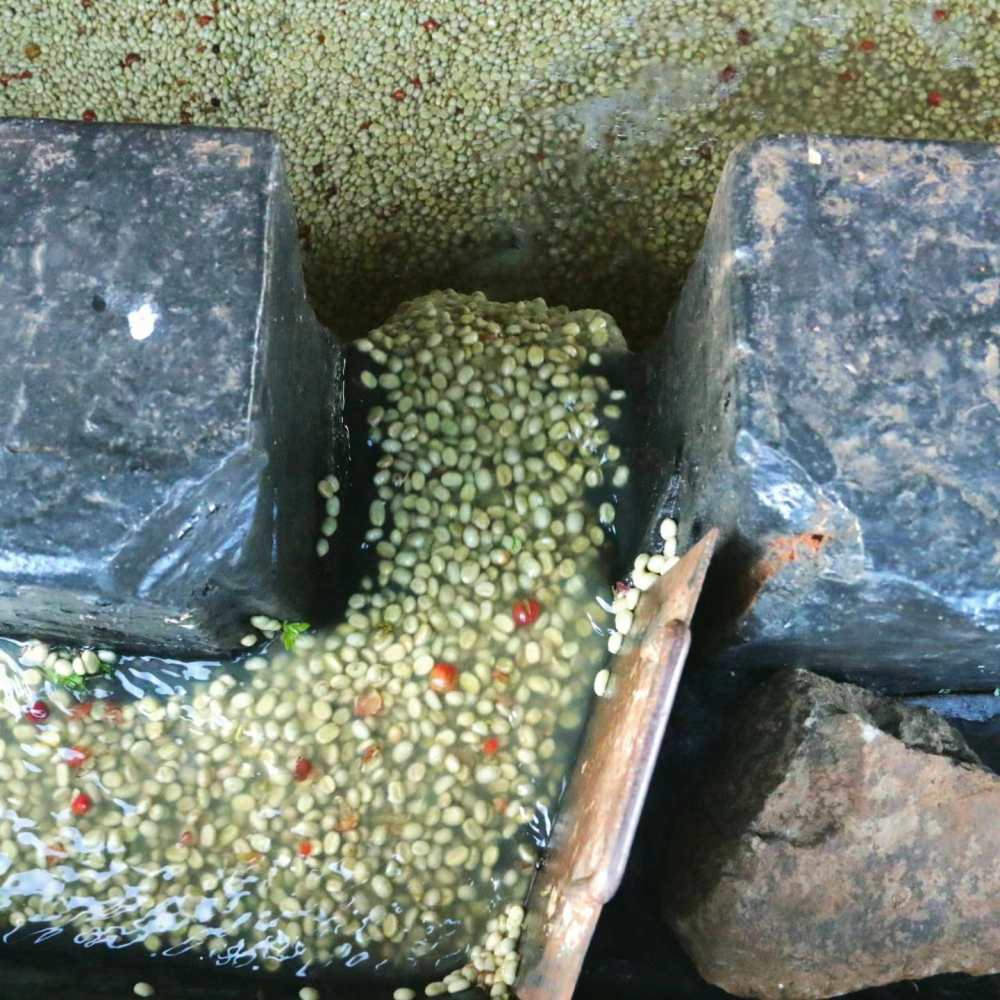
The washing process: picked cherries go into water, where buoyancy sorts out the under-ripe fruit. A pulping machine then removes skin and pulp, and the beans rest in fermentation tanks for 18-36 hours until the mucilage layer breaks down. After fermentation, the parchment beans are rinsed in channels for 30-60 minutes — the specially designed channels and flowing water wash away low-density, poor-quality beans. The good beans are drained and spread on African raised beds to dry.
Because the skin, pulp, and most of the mucilage are removed before drying, the coffee's inherent aromas come through clear and transparent: citrus and lemon notes with elegant florals, bright and delicate overall.
Pour-Over Recommendations for Tanzanian Coffee
FrontStreet Coffee brews its Tanzanian coffee as pour-over. This Kilimanjaro lot is roasted medium-light and comes from high-altitude trees with relatively dense, hard beans, so we choose a medium-fine grind and a medium-high water temperature.

FrontStreet Coffee's Pour-Over Parameters:
- Dripper: V60
- Water Temperature: 92-93°C
- Dose: 15g
- Ratio: 1:15
- Grind Size: Fine sugar consistency (78% pass-through on a #20 sieve)
Pour 30g of water for a 30-second bloom, then continue to 95g more (scale reads about 125g), completing this pour in about 1 minute. When the water level drops to 2/3 of the coffee bed, pour the remaining 100g (scale reads about 225g), finishing in about 1 minute 35 seconds. Drip-through completes at 2'10"; remove the dripper and the extraction is done.
Brewing flavor of Tanzania Kilimanjaro: Berry aroma, gentle citrus acidity on entry, a nutty mid-palate, and a honey-like aftertaste.
FrontStreet Coffee Recommendation
Kilimanjaro's Bourbon belongs to the great Arabica family, and FrontStreet Coffee's list is full of its famous relatives. The Brazil Fazenda Rainha (Queen Estate) grows one of the oldest Bourbon mutations — yellow Bourbon — with aromas of cream, peanut, toasted bread, and sugarcane; rich yet cleanly sweet, it suits pour-over, moka pot, and espresso machine alike. Kenya's signature pairing of SL28 and SL34, meanwhile, delivers the bold blackberry acidity that makes Tanzanian coffee read as its softer cousin.
If it's the washed, citrus-and-honey clarity of our Kilimanjaro beans you love, try FrontStreet Coffee's Yirgacheffe Guodingding Cooperative: Ethiopia's top G1 grade, classically washed, showing elegant white florals with citrus, orange, and green tea — a delicate, tea-like cup in very much the same spirit.
Important Notice :
FrontStreet Coffee is a long-established specialty coffee roaster in Guangzhou China, selling freshly roasted beans from its own farm in Yunnan as well as dozens of carefully selected single-origin beans from around the world for both pour-over and espresso. The products deliver consistently excellent quality and great value, with shipping within 24 hours. Guangzhou's FrontStreet Coffee shop is recommended by many coffee lovers, and the beans are now available online at the Tmall 。
FrontStreet Coffee has moved to a new address:
FrontStreet Coffee Address: 315,Donghua East Road,GuangZhou
Tel:020 38364473
 Scan and follow the En Gafei WeChat official account. Please indicate that the reprint comes from "En Gafei".