Colombian Coffee Characteristics and Brand Introduction - Colombian Coffee Bean Varieties, Processing Methods, and Hand-poured Flavor Profile Description

One sip of Colombian Huilan coffee and its dark chocolate and nutty notes will win you over—especially if you love chocolate. This is a coffee that steals hearts from the very first cup!
Colombia did not always chase specialty coffee, which is why its beans long lived mainly in blends. As the specialty movement advanced, Colombia pivoted, and Colombian beans began appearing on specialty menus—FrontStreet Coffee's Flower Moon Night and Rose Valley among them. With market demand behind it, Colombian coffee has become a major force in specialty coffee.

Colombia's Growing Environment
Colombian beans are famously large and beautiful, thanks to their varieties and exceptional growing conditions. Colombia sits in northwestern South America, bordering Panama to the north. Its tropical climate shifts with terrain, its volcanic soil is rich, and annual rainfall runs between 2,000-3,000mm. Between 1°-11°15'N latitude and 72°-78°W longitude, mild temperatures, humid air, and diverse climates allow harvesting year-round. The eastern plains, the south, and the Pacific coast carry tropical rainforest climates; mountain areas at 1,000-2,000 meters are subtropical; the northwest is tropical savanna. Average annual temperature ranges from 15.8°C to 20.5°C, with coffee regions averaging 18°C to 22.5°C. This climate makes Colombia a true "natural pasture" for coffee—FrontStreet Coffee considers it the fundamental reason for the coffee's quality.
Café de Colombia is one of the few single-origin coffees sold internationally under a country's name, and its reputation is one no other origin quite matches. Colombia invests more in product development and promotion than most producing countries, and combined with its superb geography and climate, the coffee has earned global acclaim.
World coffee falls into two broad camps. Brazil, the largest producer, grows "hard" beans of intense flavor. Colombia leads the "soft" camp—milder and more aromatic. The difference comes down to altitude and cultivation: Brazil farms coffee extensively on hilly red soil, while Colombia tends it intensively in mountain black soil. FrontStreet Coffee finds Colombian coffee gives off a light, elegant fragrance—unlike the punchy aroma of Brazilian coffee or the acidity of African coffees, it is a sweet, subtle scent, understated yet sophisticated.

Colombia's Main Growing Regions
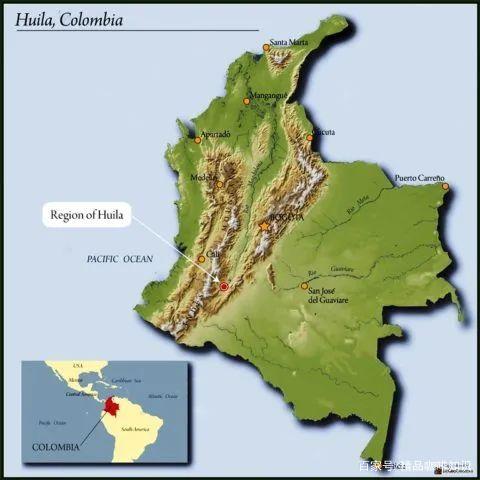
Colombia is the world's third-largest coffee producer and exporter, the largest exporter of Arabica beans, and the largest exporter of washed beans. Its most famous regions—Medellín, Armenia, and Manizales—are collectively known as "MAM."

Colombia's specialty regions cluster in the south, at altitudes above 1,500 meters: San Agustín in Huila, Popayán in Cauca, Nariño, and Tolima. Coffees from these areas show refined acidity and berry aromatics, with caramel notes and full sweetness.
Colombian Coffee Varieties
Great coffee starts with great varieties. Beyond natural conditions, variety is decisive. Most Colombian coffee is Arabica—Bourbon, Caturra, Typica, and Maragogipe among them—with classic Colombian coffees built mainly on Typica, Caturra, and Catuai.
Caturra and Catuai are Colombia's most common varieties. Some renowned estates also grow Geisha, plus newer varieties like Colombia (yes, that is the variety's name) and Castillo.
Caturra is a natural mutation of Arabica Bourbon, discovered in Brazil in 1937. The plant is shorter and more compact than Bourbon; it inherits Bourbon's lineage but carries weaker disease resistance and higher yields. Though discovered in Brazil, Caturra never suited Brazilian conditions and was never widely planted there. Instead it flourishes across Central and South America—Colombia, Costa Rica, and Nicaragua plant it extensively.
Catuai is a hybrid of Caturra and Mundo Novo, with good resistance to the elements—especially wind and rain. The tree is short, and its fruit clings more firmly, making harvest harder. The fruit comes in red and yellow forms; no flavor superiority has ever been established between them. Some cuppers note that while yellow-fruit coffee can show good acidity, its body is less clean than red-fruit coffee.
From 1961, CENICAFE researched the Timor variety with its Robusta lineage, releasing Tabi (a Typica-Bourbon-Timor hybrid), its second disease-resistant variety, in 2002, and in 2005 released Castillo—its most successful resistant variety to date. After the massive leaf rust outbreak of 2008, Colombia threw its weight behind Castillo.

The variety named Colombia (after the country), developed in 2008, is a hybrid with Caturra and Timor lineage—essentially a Catimor. But the FNC insists that while Colombia descends directly from Catimor, its flavor is far more elegant than typical Catimor, because it has been backcrossed with Arabica over multiple generations to eliminate the musty Robusta taste. The result tastes closer to Arabica while keeping Robusta's disease resistance and high yields—a powerful tool for raising national production.
Colombian Processing Methods
As the world's largest washed-coffee exporter, Colombia washes most of its beans. Specialty lots mostly come from small and mid-sized independent farms which, compared with Brazil's large-scale operations, tend to produce higher quality. You will also notice many special processes on Colombian bags today—barrel fermentation, anaerobic fermentation—each pushing Colombian coffee further in the specialty world.
Washed Process
After harvest, cherries are poured into large water tanks: underdeveloped, inferior beans float while mature, full fruit sinks, and the floaters are removed.

A pulping machine then strips skin and pulp, leaving a slippery layer of mucilage on the beans. The mucilage-covered beans ferment in tanks for 16-36 hours while microorganisms break the mucilage down.
Once fermentation is complete, clean water washes away the residue, and the beans dry in the sun.
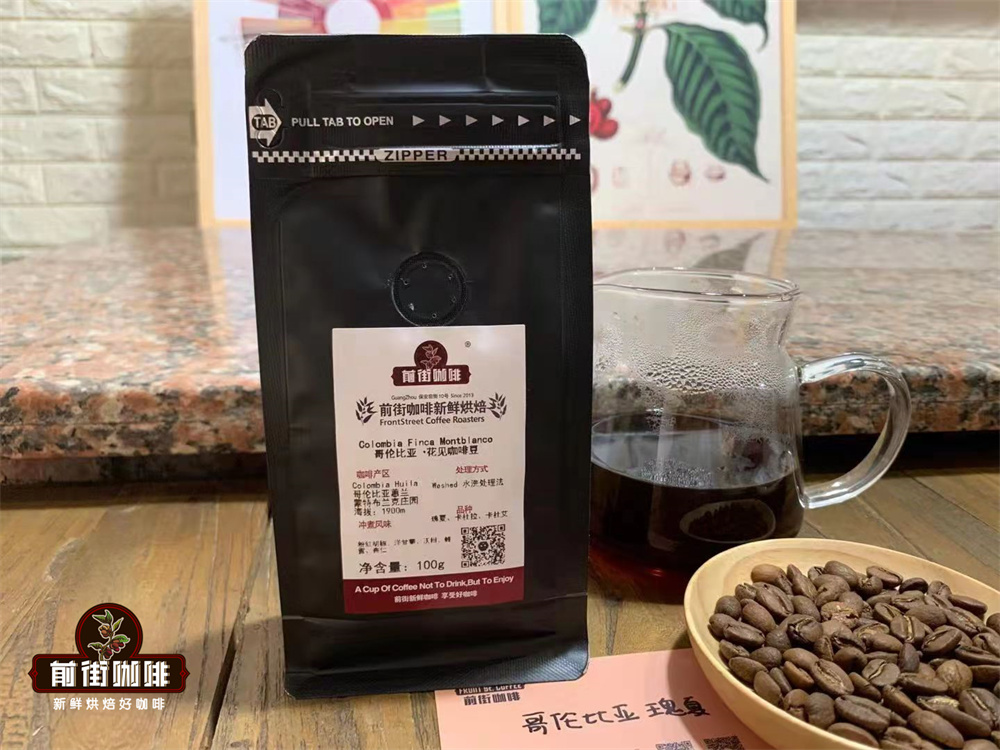
FrontStreet Coffee believes Colombian premium coffee balances acidity, bitterness, and sweetness perfectly, with an aroma that fills the whole mouth and floods back when you exhale. However exotic the process, every special method builds on washed processing—and washed beans, in FrontStreet Coffee's view, express a coffee's essential flavors most honestly. That is why nearly all of FrontStreet Coffee's regular stock beans are washed, and washed Huilan stands as the face of Colombian coffee.
FrontStreet Coffee Brewing Recommendations
A great cup depends on variety and on freshness. FrontStreet Coffee ships all beans roasted within 5 days, because freshness shapes flavor that much. Our roasting philosophy is "Freshly Roasted Good Coffee," and with a resting period of about 4-7 days, coffee arrives at customers right at peak flavor.

Customers who need their beans pre-ground are welcome to that service. But note: ground coffee needs no resting period—during shipping, the carbon dioxide pressure in the package actually mellows the flavor, so you can brew on arrival. Just brew it promptly, because ground coffee oxidizes fast once exposed to air and its flavor dissipates quickly. Whole beans, ground fresh per brew, will always taste better.
FrontStreet Coffee's Colombian Huilan Brewing Parameters
Huilan is roasted medium-dark, so FrontStreet Coffee uses: Kono dripper, water at 88°C, 15g dose, 1:15 ratio, medium grind (75% pass-through on the China standard #20 sieve).

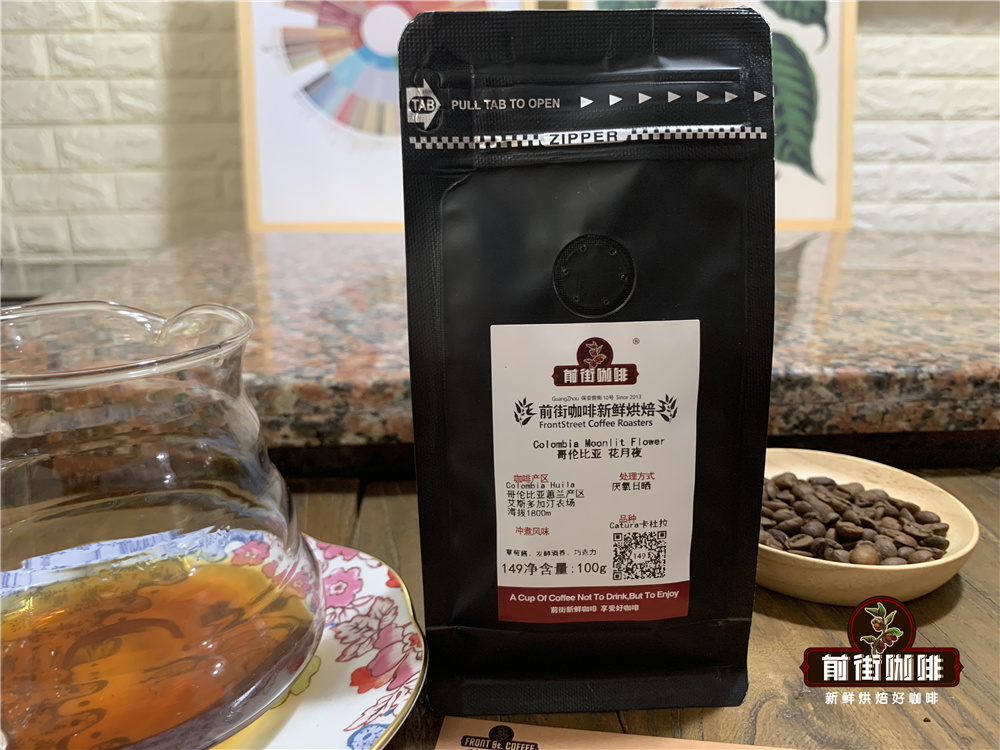
For Colombia's Rose Valley and Flower Moon Night, roasted medium-light, FrontStreet Coffee uses: Hario V60, water at 90°C, 15g dose, 1:15 ratio, medium-fine grind (80% pass-through on the China standard #20 sieve).
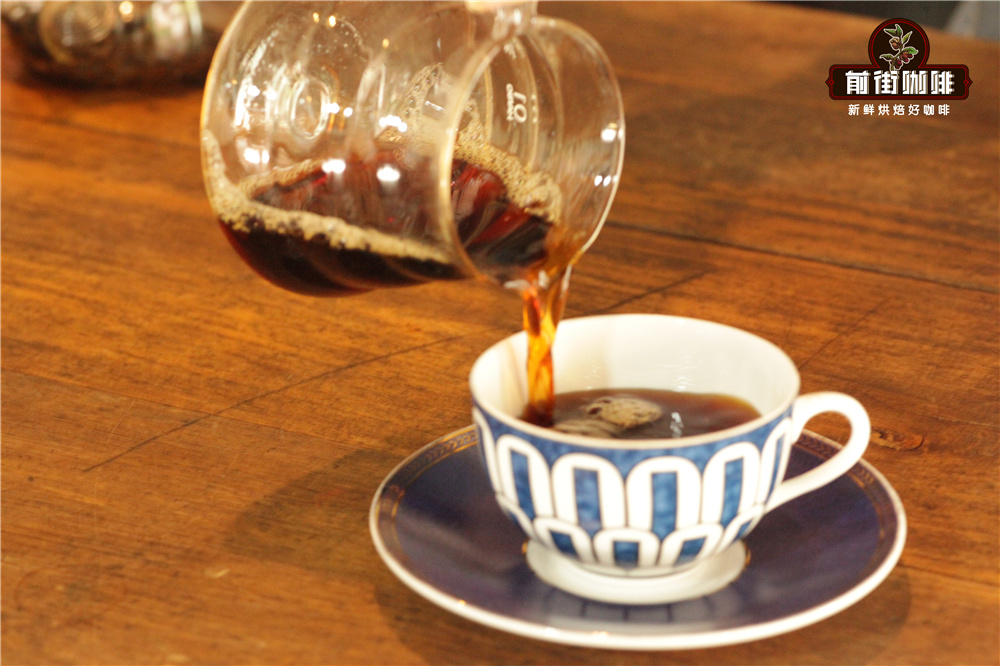
Brew in segments: bloom with twice the coffee weight in water—30g—for 30 seconds. From 31 seconds, pour in small circles to 125g, then continue to 225g and stop. Remove the dripper once all water has drained. Timing starts from the first pour; total extraction is 2'00". Swirl the finished brew gently before pouring into cups.
Flavor Profiles
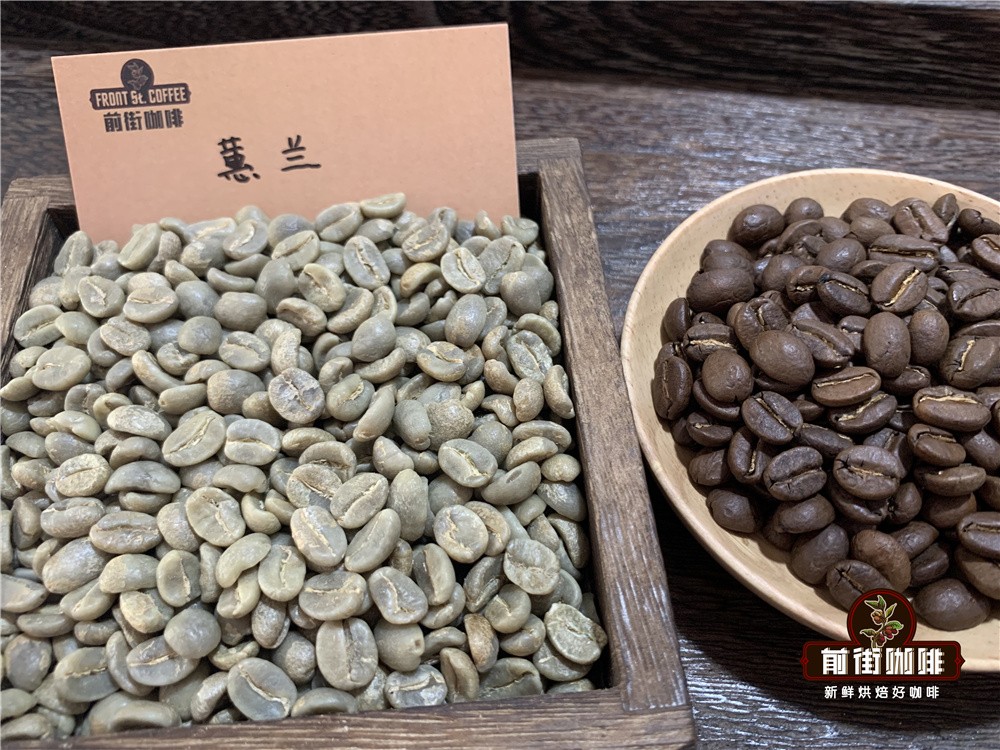
Colombian Huilan: Rich acidity, caramel, sweet nuts, chocolate, and pleasantly soft fruit acidity.
Colombian Flower Moon Night: Florals and strawberry jam, a liqueur-chocolate aftertaste, creamy and faintly fermented.
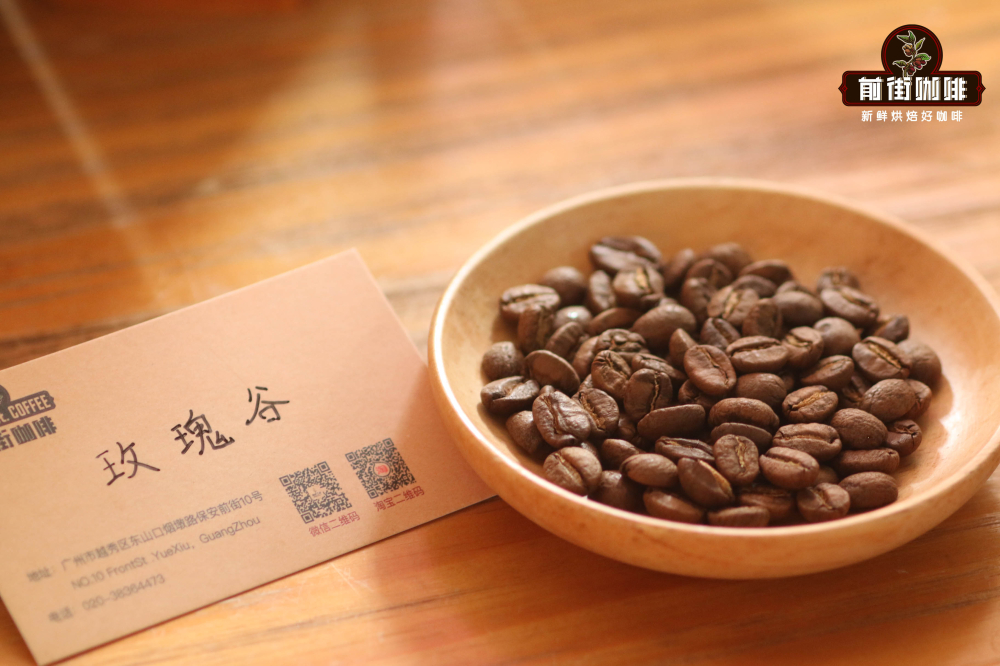
Colombian Rose Valley: Floral, bright acidity, prominent sweetness and tartness, juice-like body, with grape, strawberry, and green plum.
Different roasts call for different gear: Kono drippers suit medium-dark beans with fuller body, while medium-light beans shine in a Hario V60 with more complex flavor. Whether you are choosing beans or a brew method, FrontStreet Coffee welcomes you to explore together.
FrontStreet Coffee Recommendation
Colombia's range makes it a bean for every brewer. For espresso machines and moka pots, FrontStreet Coffee's baristas point straight to FrontStreet Coffee's Premium Blend: it pairs Brazil's creamy-nut sweetness with Colombia Huilan's dark-chocolate depth, pouring fine golden crema and making a rich, silky latte—gentle enough for beginners, and a solid base for Americanos, cappuccinos, and mochas too.
For pour-over, Huilan roasted medium-dark suits a Kono dripper, French press, or espresso base with black chocolate and nut aromatics. For the innovative side of Colombian coffee, the FrontStreet boundary-estate Sidra (Xijia) undergoes double anaerobic natural processing—fermentation in sealed, pressure-rated stainless tanks with controlled temperature, time, and pH—which transforms into tropical-fruit aromatics: passion fruit, grape, apricot, and dried fruit in a full, layered cup, roasted medium-light and at home in pour-over, cold brew, drip bags, or moka pot.
FrontStreet Coffee is a roastery based in Guangzhou. The shop is small but the bean selection is broad, covering both famous names and rare finds, and online ordering is available as well.
Important Notice :
FrontStreet Coffee is a long-established specialty coffee roaster in Guangzhou China, selling freshly roasted beans from its own farm in Yunnan as well as dozens of carefully selected single-origin beans from around the world for both pour-over and espresso. The products deliver consistently excellent quality and great value, with shipping within 24 hours. Guangzhou's FrontStreet Coffee shop is recommended by many coffee lovers, and the beans are now available online at the Tmall 。
FrontStreet Coffee has moved to a new address:
FrontStreet Coffee Address: 315,Donghua East Road,GuangZhou
Tel:020 38364473
 Scan and follow the En Gafei WeChat official account. Please indicate that the reprint comes from "En Gafei".