Flavor and Taste Characteristics of Colombian Huila Coffee Beans - High Cost-Performance Colombian Coffee Brand Recommendations
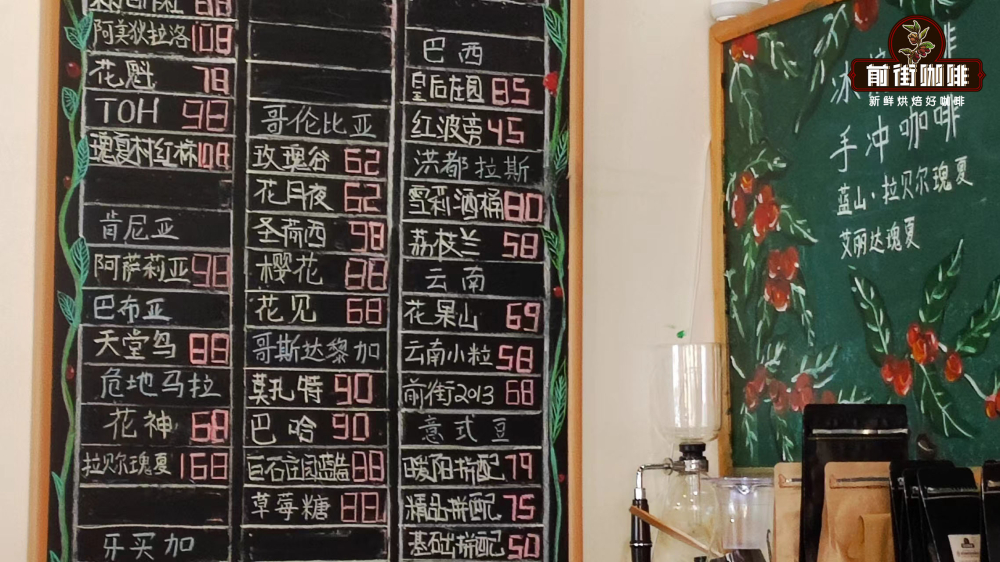
Anyone who has visited FrontStreet Coffee knows the bean wall is enormous—which can be a challenge for beginners, since a wide selection demands wider coffee knowledge. Fortunately, the baristas there ask about your taste preferences first and then recommend. Among all those options, Colombian coffee wins over countless enthusiasts with its complex, diverse fruit flavors.

Few coffee countries are as "naturally" suited to the crop as Colombia. Its vast, varied topography creates a patchwork of climates—ideal conditions for high-quality Arabica. Here is FrontStreet Coffee's overview of what makes Colombian coffee Colombian.
The growing regions are extensive, with Medellin, Armenia, and Manizales the most storied—collectively known as "MAM." But the specialty lots are concentrated in the south at altitudes above 1,500 meters: San Augustin in Huila province, Popayan in Cauca province, Nariño province, and Tolima province. Coffee from these areas shows delicate acidity and berry aromatics with caramel sweetness and full body.
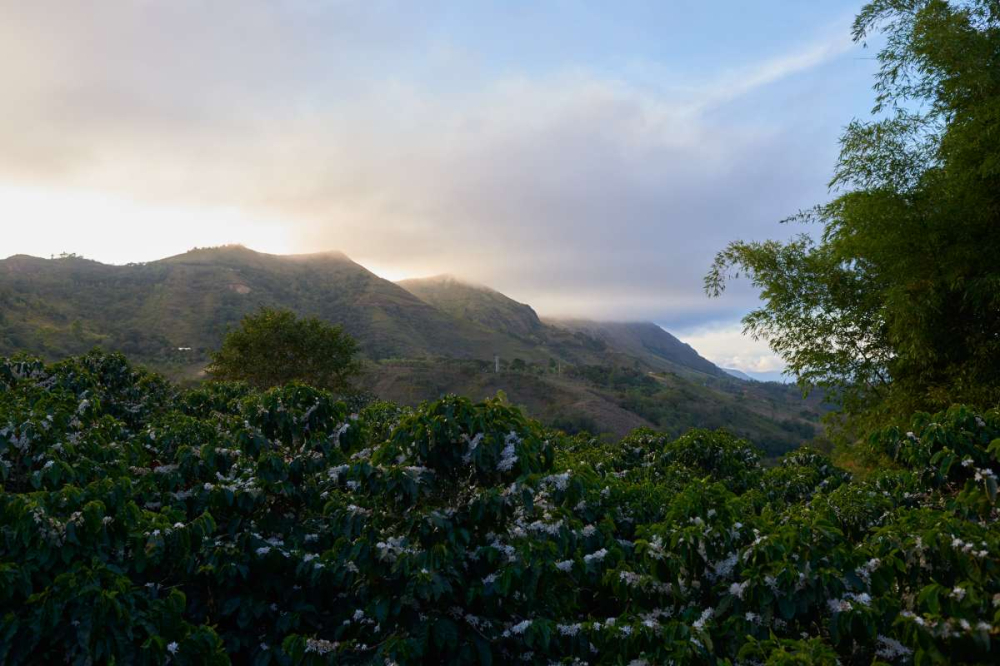
Colombia Huila: A Premier Coffee Region
Huila, in southwestern Colombia, is one of the country's main coffee areas. Because its celebrated growing sites are scattered and numerous, the names of small localities have become de facto brand names. Growing conditions are excellent, but the region's coffee infrastructure is still catching up—drying equipment and wet-mill capacity remain incomplete, which is a real pity. The FrontStreet Coffee daily blend bean, prepared for its customers, comes from this very region.

Colombian Coffee History
As usual, a little history first. The origin story of Colombian coffee has several versions, but the most widely accepted holds that Jesuit missionaries introduced coffee in 1723. Adoption as an economic crop was slow; production only expanded meaningfully in the late 19th century, and by 1912 coffee made up 50% of the country's total exports.
What sets Colombia apart from other origins is branding. A farmer named Juan Valdez became the "poster boy" of Colombian coffee—his image and his mule appearing on bags and in advertising campaigns—which added real brand value and made Colombian coffee a household name in the United States.

Ideal Growing Conditions
Colombia's climate is a true natural pasture for coffee, and FrontStreet Coffee has praised it in earlier articles. High-altitude terrain and numerous tropical microclimates have lifted quality dramatically. Topographically, three western mountain ranges run like rivers through the country: the Western Cordillera hugging the Pacific coast; between the Central Cordillera the Cauca and Magdalena rivers provide favorable shade conditions for coffee, and the land cradles the world-famous growing region of Medellin; and the Eastern Cordillera is the third range in the southwest.
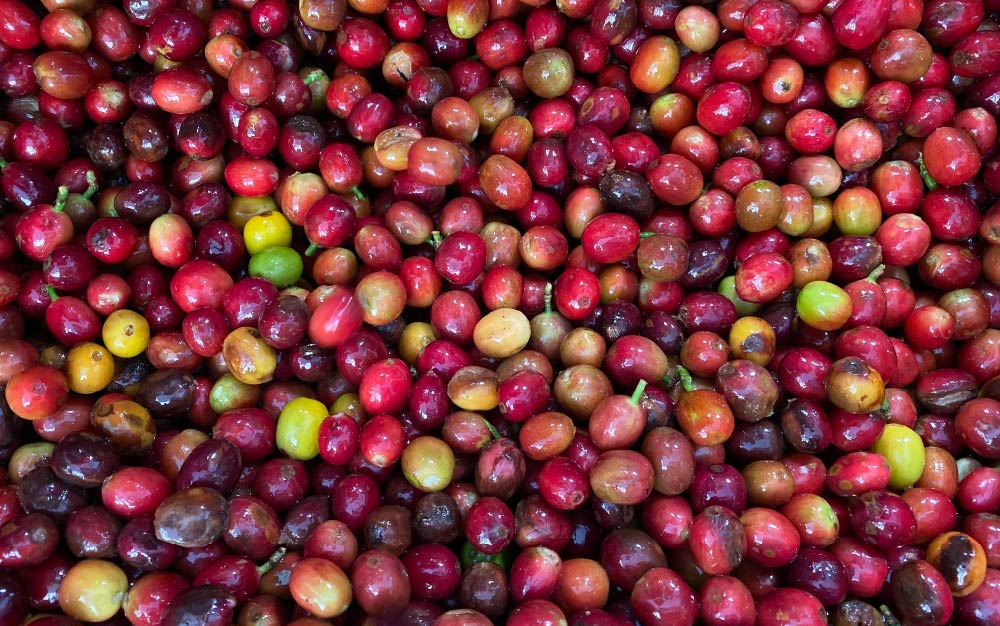
Colombia is currently the world's third-largest coffee producer. Before Vietnam (whose output is mainly Robusta) entered the market, Colombia ranked second behind Brazil only. Per the 2019 FNC report, it is the world's largest producer of washed Arabica.
It is no exaggeration to say Colombian coffee has earned the world specialty community's respect. No region produces more than Huila in the Andes: per the Colombian Coffee Growers Federation (FNC), in 2016 Huila produced 2.6 million 60-kilogram bags—18% of the national total—and the Neiva Chamber of Commerce reported 154,800 hectares under coffee that same year. But Huila's value is not just volume. Its coffee regularly wins Cup of Excellence awards.

Huila's Growing Environment
Huila sits between the central and eastern cordilleras of the Andes, mostly within the Magdalena Valley, so its climate varies widely. Per the FNC, farm temperatures run 17 to 23°C, most farms sit between 1,200 and 1,800 meters, and the coffee benefits from nitrogen-rich volcanic soil. The result is a delicate, smooth cup with heavy body and excellent balance—especially the nut, chocolate, and caramel aromatics characteristic of Huila, backed by just the right acidity. Call it the gentleman of coffees.
FrontStreet Coffee's Colombian Coffee
Here is the bean itself:

FrontStreet Coffee · Colombian Washed Huila Coffee Beans
- Country: Colombia
- Region: Huila
- Altitude: 1,500-1,800 meters
- Processing: Washed
- Variety: Caturra
Note that most of FrontStreet Coffee's daily beans are washed. FrontStreet Coffee believes that of all the processing methods, washing best reveals a bean's terroir. Brewed with FrontStreet Coffee's standard method, this washed Huila comes out balanced with very prominent sweetness—rich chocolate on entry, caramel and nut notes, and a slight fruit acidity as it cools. It is also roasted darker than FrontStreet Coffee's beans from other Colombian regions.
Brewing Recommendations
How should you brew it? FrontStreet Coffee offers a method that won't go wrong at home:

FrontStreet Coffee Brewing Parameters:
- KONO dripper
- Water temperature: 88°C
- Water-to-coffee ratio: 1:15
- Coffee dose: 15g
- Grind size: 80% pass-through on China's #20 standard sieve

FrontStreet Coffee Brewing Method: bloom with 30g of water for 30 seconds, then pour in small circles to 125g. When the level drops and the bed is about to show, continue to 225g and stop; remove the dripper just before the bed is exposed (timing from the bloom). Extraction time: 2'00". This is not claimed to be the best method—the parameters simply standardize production in the shop, so experiment at home and find the recipe that suits you.

Coffee Varieties in Colombia
FrontStreet Coffee's daily bean uses Caturra, Colombia's most common variety—but the country's varietal palette is broad. Besides the usual Central American varieties (Bourbon, Typica, Catuai), Colombia grows Tabi, Colombia, Maragogipe, and Castillo, and in recent years competition stages have introduced the world to Colombian Sidra and Gesha as well.
FrontStreet Coffee Recommendation
Colombian coffee covers every taste—bright and fruity, rich and full-bodied, or perfumed and aromatic—so it suits nearly everyone. To get to know the Huila profile, buy the FrontStreet washed Huila daily bean: medium-dark roasted to bring out the sweet aromas of black chocolate and nuts, with moderate oils and a thick, smooth body, it works for pour-over and French press, and just as well for moka pot or espresso—americano and latte included. If you prefer a fruit-forward, modern Colombian, the FrontStreet Colombia Dividing Line Estate Sidra is anaerobic natural processed: the low-oxygen fermentation converts into vivid tropical fruit aromas, and at a medium-light roast it pours out passion fruit, grape, apricot, and dried-fruit complexity for pour-over, cold brew, drip bags, or moka pot alike.
Important Notice :
FrontStreet Coffee is a long-established specialty coffee roaster in Guangzhou China, selling freshly roasted beans from its own farm in Yunnan as well as dozens of carefully selected single-origin beans from around the world for both pour-over and espresso. The products deliver consistently excellent quality and great value, with shipping within 24 hours. Guangzhou's FrontStreet Coffee shop is recommended by many coffee lovers, and the beans are now available online at the Tmall 。
FrontStreet Coffee has moved to a new address:
FrontStreet Coffee Address: 315,Donghua East Road,GuangZhou
Tel:020 38364473
 Scan and follow the En Gafei WeChat official account. Please indicate that the reprint comes from "En Gafei".