Differences in Flavor Characteristics of Yunnan Coffee Varieties - Yunnan Coffee History Stories and Coffee Bean Grading
Yunnan coffee beans have become a familiar sight, and in recent years they have appeared more and more often in competitions. People's understanding has moved well past the instant-coffee era, and attention now falls on individual lots with poetic names and captivating flavors.
The Journey of Yunnan Coffee
Yunnan coffee began in 1904, when the French missionary Alfred Tiedjens planted the first coffee tree at the China-Vietnam border in Dali. Only a small number of trees were planted at the time, and people knew them simply as small-grain coffee trees (the Arabica variety), with no large-scale cultivation. By 1930 an overseas Chinese brought coffee trees to other parts of Yunnan and mass cultivation began. But people were very unfamiliar with the plant, locals didn't drink coffee, and it demanded careful cultivation, so naturally no one was willing to put in the effort. This first batch of coffee trees was, once again, "set aside."
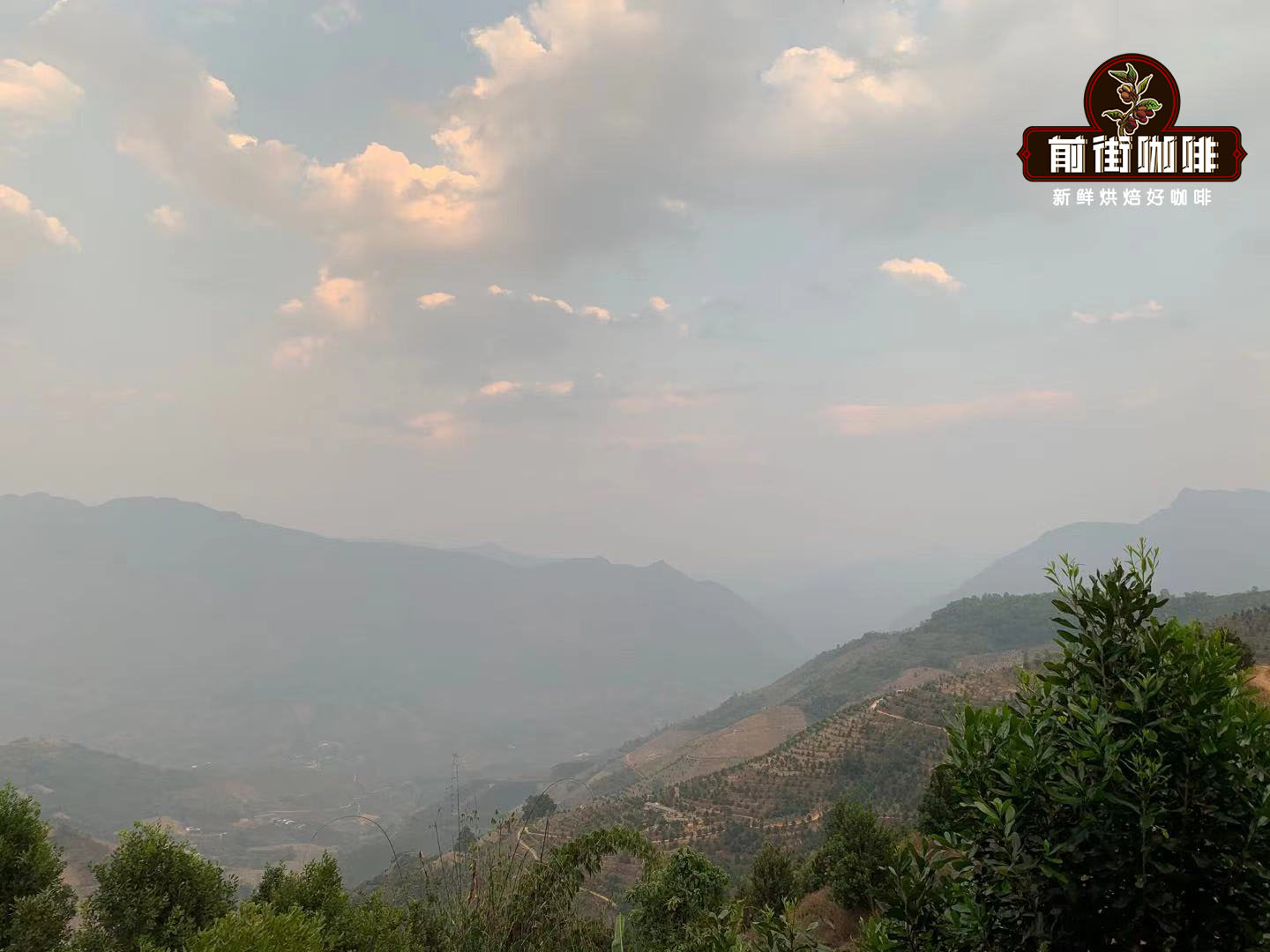
After the founding of New China, the country joined the communist camp, and under expert guidance Yunnan began mass cultivation of coffee and exported the beans to the Soviet Union. At that time, Yunnan's coffee area reached 4,000 hectares. In the 1990s, Nestlé began growing coffee in Yunnan and, to raise yield, started introducing the Catimor variety from Brazil. By 1997, the total planted area in Yunnan reached 7,800 hectares.
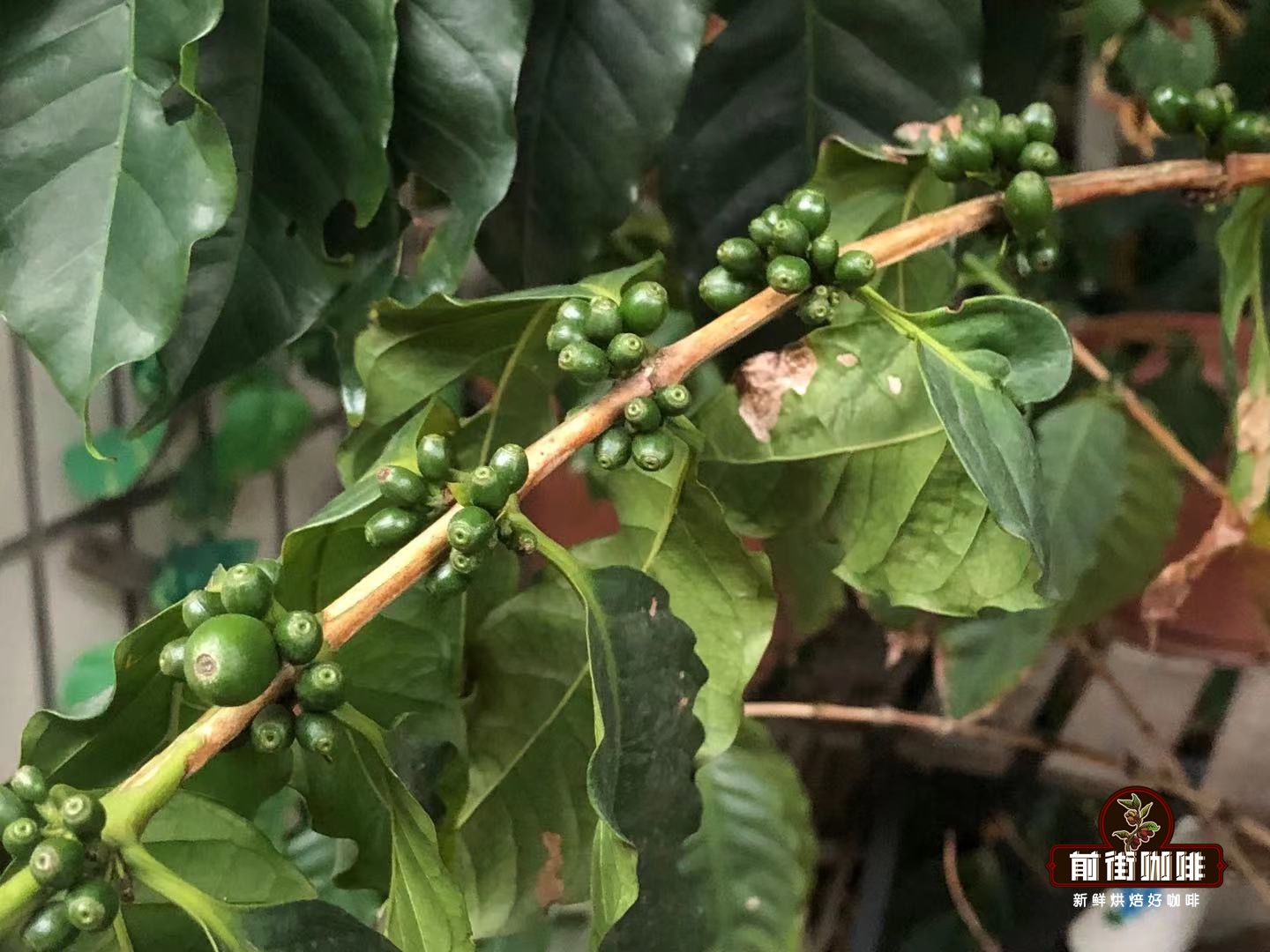
(Yunnan Catimor variety)
Catimor yields well, but processed the traditional natural or washed way and brewed directly, its flavor is often disappointing. People therefore equated Yunnan coffee with instant-coffee ingredients and tagged it "not good-tasting" — until recent years, when the specialty coffee industry kept developing, processing methods grew more innovative and various approaches were used to improve bean quality. Yunnan caught on, using special processing methods to mask Catimor's flavor shortcomings, and everyone who tasted the results said it was good. From then on, Yunnan beans began to appear actively in the specialty coffee market.
Yunnan Coffee Bean Varieties
Yunnan Catimor processed with special methods has excellent flavor, but if that were the whole story, people would remain unfamiliar with the actual taste of Yunnan coffee. FrontStreet Coffee believes that to make Yunnan beans taste good, you should start from the root. So beginning in 2013, FrontStreet Coffee started planting Typica variety coffee trees in Lincang — the same variety the missionaries brought all those years ago.
The reason for choosing Typica is that it is one of the oldest coffee varieties, and every Arabica variety we see today descends from it. The variety itself has a clean flavor. Its yield is not as high as Catimor's and it is harder to cultivate, but its delicate acidity and balanced flavor always leave a lasting impression. The Yunnan Typica beans FrontStreet Coffee grows have delicate acidity, licorice-like sweetness, a slightly lower body and overall balance.
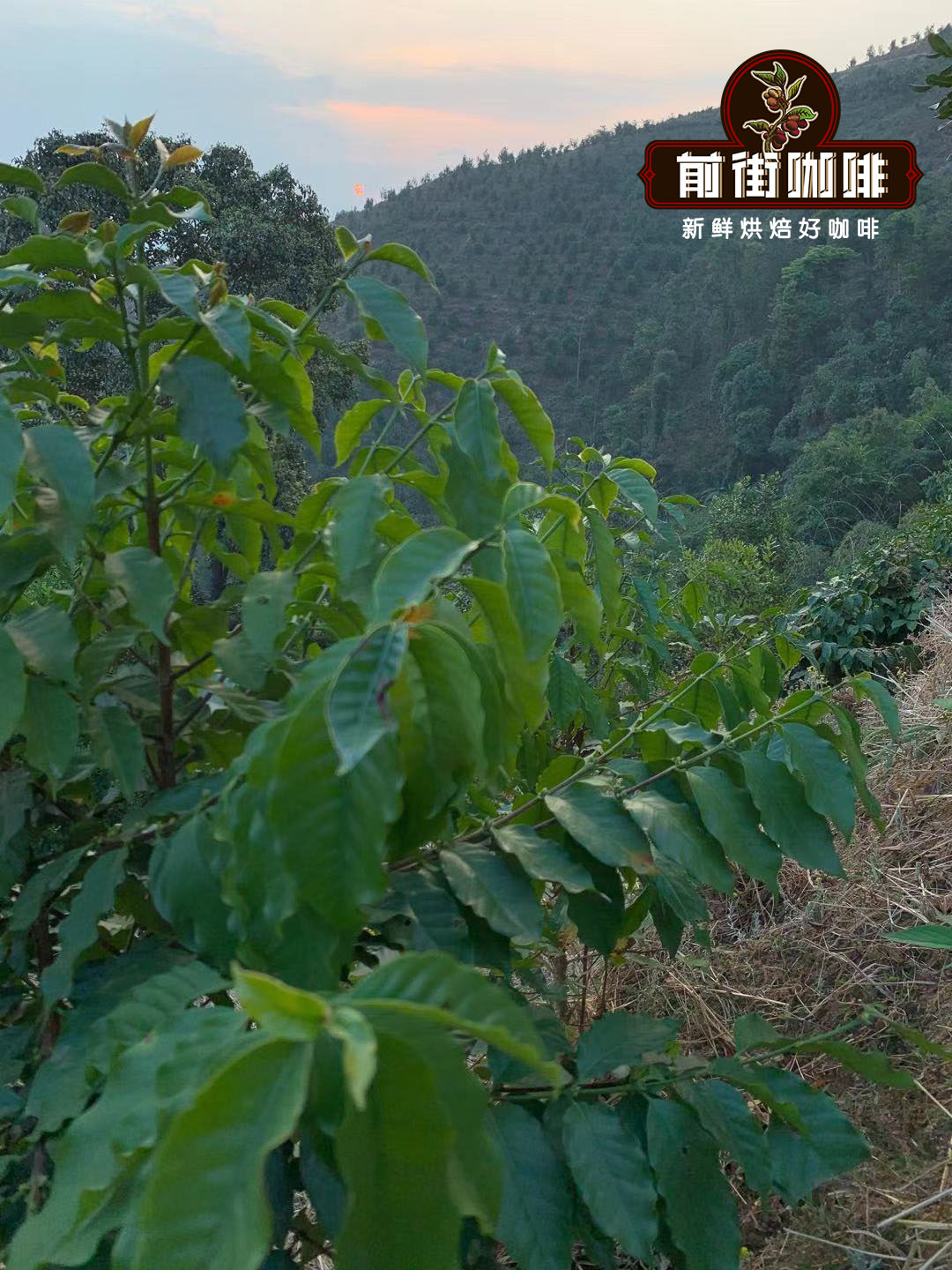
(Typica variety planted by FrontStreet Coffee in Yunnan)
Catimor, meanwhile, is a cross of Arabica and Robusta carrying 25% Robusta genes, so its flavor is not as clean as varieties with pure Arabica genes. As more attention went to processing, though, natural drying equipment and washed fermentation tanks were upgraded, and Yunnan Catimor processed the traditional way can now show good flavor as well. Through cupping, FrontStreet Coffee has found that Yunnan Catimor has nut, brown sugar and plum-like flavors, with overall relative balance.
Yunnan Coffee Bean Grading System
China's coffee industry started relatively late and generally grades by bean size plus defect rate. Bean size uses international standard mesh numbers as the basis (screen holes of 6.5mm, 6.0mm, 5.5mm, 5.0mm).
Grade 1: Above 6.5mm, full and plump beans.
Grade 2: 6.0-6.4mm, full and relatively uniform.
Grade 3: 5.3-5.9mm, relatively full, slightly less uniform.
Grade 4: 5.0-5.4mm, with incomplete beans, complete beans accounting for over 75%. Grade 5: Below 5.0mm, with incomplete beans, complete beans accounting for over 30%.
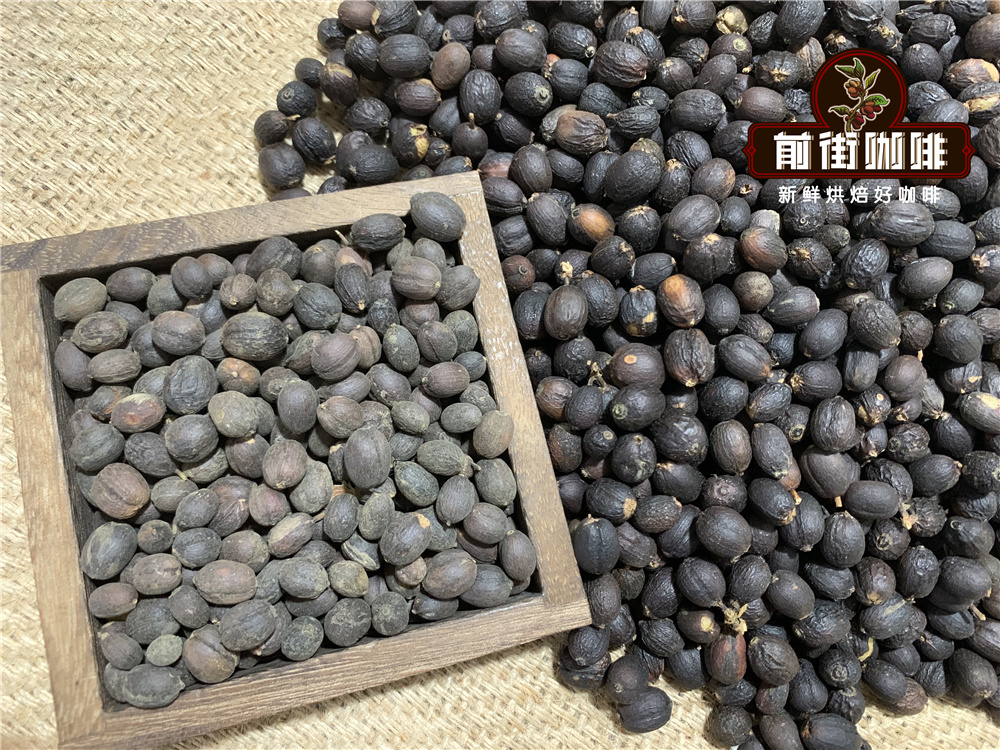
At the same time, international defective-bean point standards, bean appearance and color, cleanliness, aroma, moisture content and other factors are also referenced. In recent years, relevant departments of the Yunnan provincial government and local governments in places like Pu'er have vigorously promoted specialty coffee cultivation and processing, introduced advanced methods, held coffee competitions and, in particular, deepened the promotion of cupping to identify quality. It is likely that before long the grading of Yunnan green beans will become more rigorous and scientific, gradually entering the international specialty coffee market.
How to Brew Yunnan Coffee for Better Taste?
FrontStreet Coffee brews two beans this time: one washed-processed Yunnan Typica, one natural-processed Yunnan Typica. Use 15 grams of coffee, a medium-fine grind (Chinese standard 20-mesh screen pass rate about 78%), and a recommended coffee-to-water ratio of 1:15, or 1:16 for a clearer flavor.
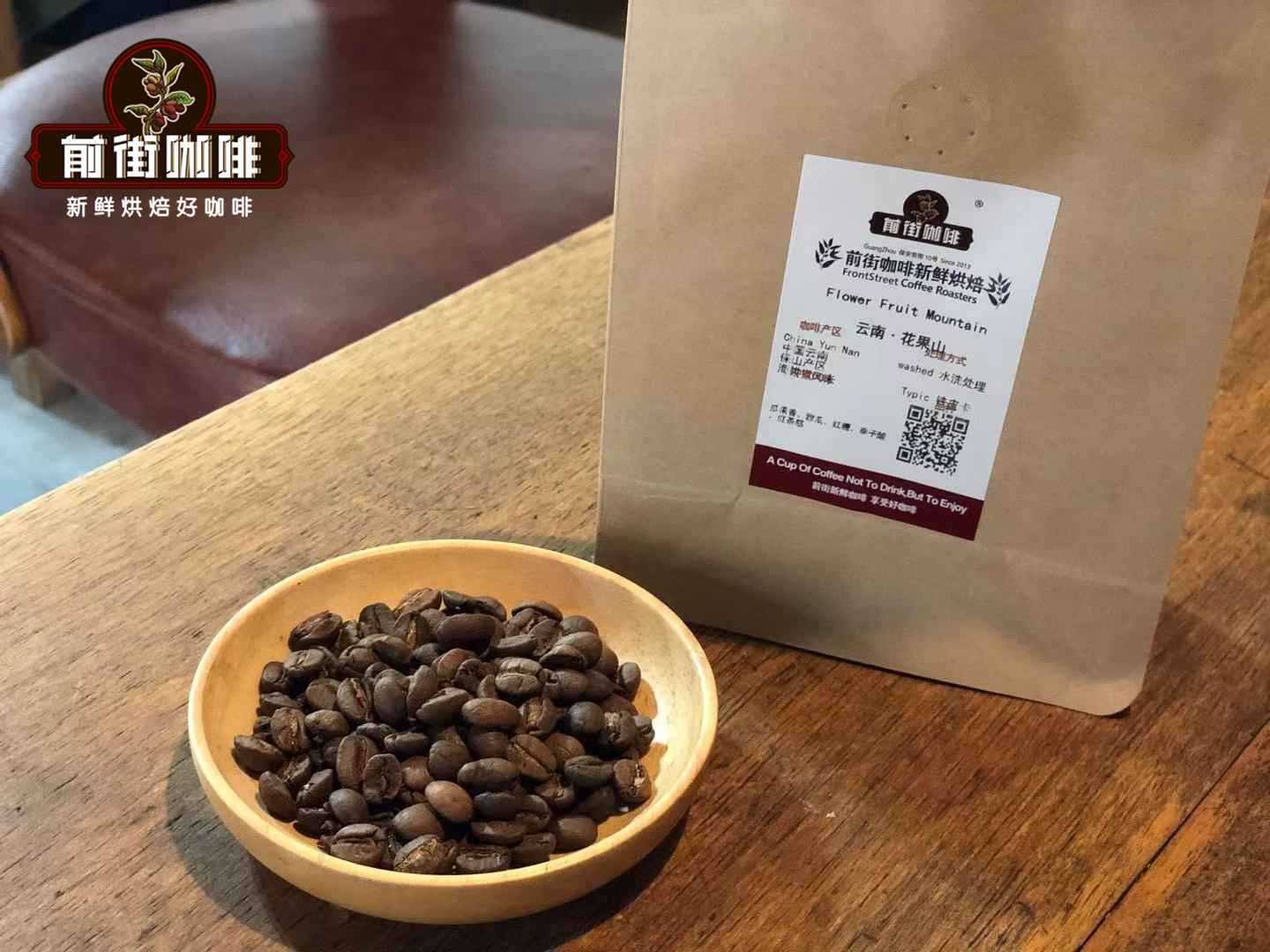
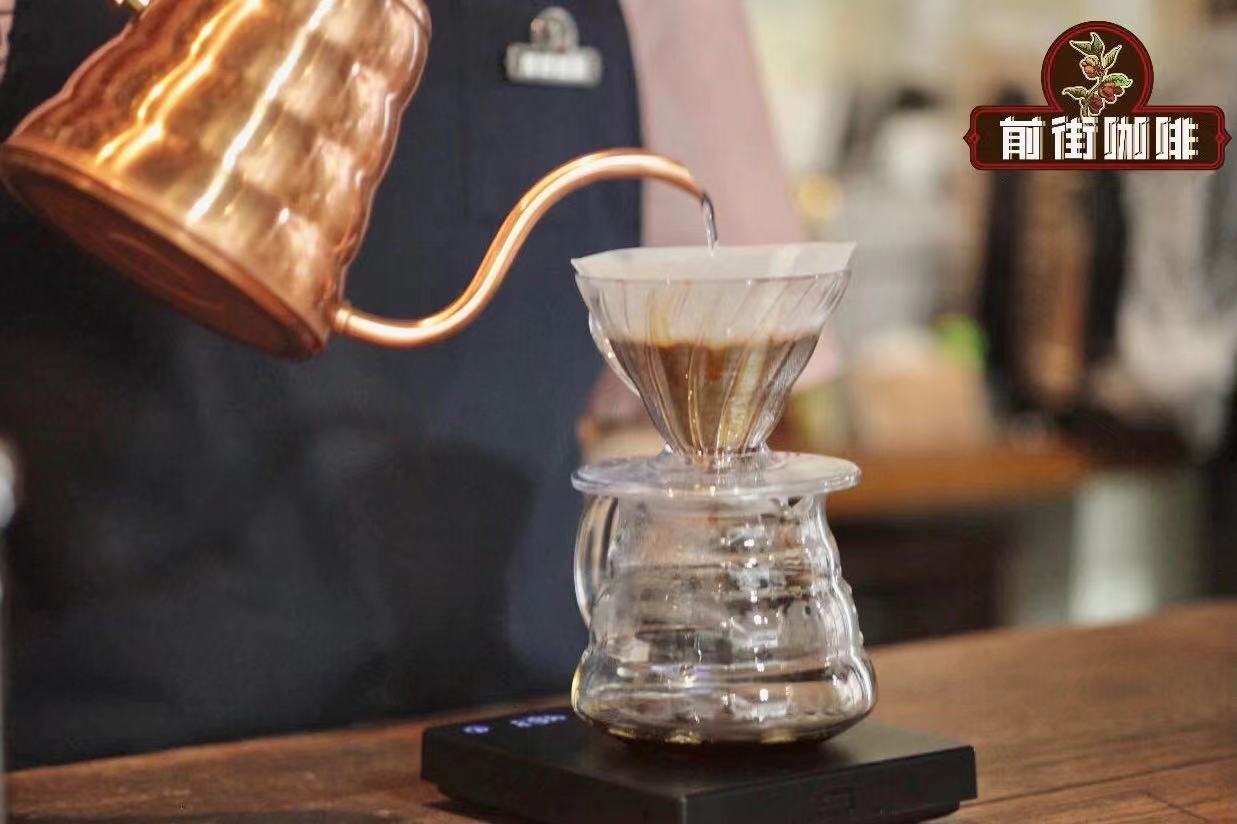
Next, FrontStreet Coffee uses a V60 dripper, 88°C water and a three-stage pour to soften the acidity. First pour 30 grams of water for a 30-second bloom. Then continue with a small circular flow to 125 grams, creating a stage break. When the water level drops and is about to expose the coffee bed, continue pouring to 225 grams and stop. When the level drops and is about to expose the bed again, remove the dripper. (Timing starts from the bloom.) The extraction time is 2'10".
"FrontStreet Coffee Washed-Processed Yunnan Typica Coffee Beans" flavor: orange peel, plum-like acidity, overall balanced and rich, with a roasted nut aftertaste.
"FrontStreet Coffee Natural-Processed Yunnan Typica Coffee Beans" flavor: gentle acidity, a black tea sensation, overall balanced and full, with a roasted nut aftertaste.
FrontStreet Coffee Recommendation
To taste the range of Yunnan, start with FrontStreet Yunnan Small Bean. From the Baoshan region, it uses washed processing and a medium roast, giving soft nut and chocolate sweetness with a light plum acidity — an accessible first encounter with Yunnan coffee. For a clearer, more advanced expression, FrontStreet 2013 Sun-Dried Typica comes from FrontStreet's own Yunnan plant and the oldest Arabica variety, sun-dried as it was originally processed and roasted medium: dark berry character, caramel sweetness, chocolate and a trace of dried apricot, with a black-tea finish. If you want Yunnan flavor in an espresso, FrontStreet Black Cocoa Blend pairs Yunnan small bean with Brazil Cerrado, so the Brazilian coffee supplies mixed-nut aroma and balance while the Yunnan takes the chocolate and citrus role; the Americano balances sour, sweet and bitter, with nut and brown sugar sweetness.
Important Notice :
FrontStreet Coffee is a long-established specialty coffee roaster in Guangzhou China, selling freshly roasted beans from its own farm in Yunnan as well as dozens of carefully selected single-origin beans from around the world for both pour-over and espresso. The products deliver consistently excellent quality and great value, with shipping within 24 hours. Guangzhou's FrontStreet Coffee shop is recommended by many coffee lovers, and the beans are now available online at the Tmall 。
FrontStreet Coffee has moved to a new address:
FrontStreet Coffee Address: 315,Donghua East Road,GuangZhou
Tel:020 38364473
 Scan and follow the En Gafei WeChat official account. Please indicate that the reprint comes from "En Gafei".