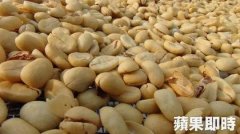
How Kenyan AA Kongyu Coffee Originates and How Kenyan AA Coffee Beans Are Classified

The fresh coffee cherries in this batch of Kongyu AA were picked and processed by 250 farmers from the Kongyu processing plant under the Kabare farmer cooperative. After being depulped, fermented and washed with water from the nearby Kongyu River, the coffee was placed on African drying beds. Each harvest season, farmers process nearly 300 tons of fresh coffee cherries. After processing, the coffee enters the weekly auction held every Wednesday in Nairobi, and once selected by official exporters it is shipped to consumer markets worldwide.
In previous Kenyan coffees we favored sharp, powerful fruit acids, but this one feels gentle, like facing the sea with a light breeze blowing.
Product Information
Brand: FrontStreet Coffee
Shelf Life: 90 days
Net Weight: 227g
Packaging: Bulk coffee beans
Roast Level: Roasted coffee beans
Sugar Content: Sugar-free
Origin: Kenya
Coffee Type: Other
Roast Degree: Light roast
Coffee Origin Details
Country: Kenya
Grade: AA
Region: Kirinyaga region
Altitude: 1550-1750 meters
Soil: Red phosphorus soil
Processing Method: Kenyan double-washed processing method
Varieties: SL 28, SL 34
Processing Station: Kongyu processing station
Producer: Kabare cooperative
Flavor Notes: Grapefruit green tea, citrus, black raspberry plum
Kenya's Coffee Heritage
Located in East Africa, Kenya is one of the major coffee-producing countries, with approximately six million people engaged in the coffee industry nationwide, mostly through a combination of smallholders and cooperatives.
Kenya's coffee trees are mostly grown at altitudes of 1400-2000 meters. Growing regions include Ruiri, Thika, Kirinyaga, Mt. Kenya West, Nyeri, Kiambu and Muranga, primarily on the foothills of Mt. Kenya and the Aberdare range.
Many Kenyan coffee regions work to preserve native forest ecosystems, protect natural gene banks, support the propagation of wild coffee varieties and nurture diverse coffee trees.
The Legacy of SL28 and SL34 Varieties
In 1930, Kenya's unique varieties SL28 and SL34, cultivated and named by the Scott Laboratories, were born in these favorable environments.
According to SL laboratory botanists, SL28 and SL34 are genetic variants. SL28 has mixed heritage from French Mission, Mocha and Yemeni Typica. The original goal in developing SL28 was to mass-produce coffee that was both high-quality and resistant to pests and disease.
Although SL28's later yields did not meet expectations, its copper-colored leaves and broad bean-shaped seeds offer wonderful sweetness, balance and complex, diverse flavor, with prominent citrus and plum. SL34 has similar flavors to SL28, but besides complex, diverse acidity and wonderful sweet finishes, its body is heavier, richer and cleaner than SL28. SL34 has heritage from French Mission, Bourbon and more Typica bloodlines. Its bean appearance is similar to SL28, but it adapts better to sudden heavy rain. These two important varieties are what lead us to understand the unique Kenyan style: strong, rich fruit acids, rich body and beautiful balance.
Brewing Recommendations
For pour-over Kongyu: use 15g of coffee, ground medium-fine (Fuji Royal grinder #3.5), V60 dripper, water temperature 91-93°C. First pour 30g of water for a 27-second pre-infusion, then pour to 105g and pause. Wait until the water level drops halfway before continuing to pour slowly until reaching 225g total. Avoid the tail section. Water-to-coffee ratio 1:15, extraction time 2:00.
Flavor Profile
This coffee offers intense lemon and plum aromas in both the dry and wet fragrance. When light-roasted and cupped, it presents stunning floral and lemon aromas along with juicy, sweet-tart notes like grapefruit green tea and citrus juice. Slightly darkening the roast brings out honey and black raspberry plum, while the finish leaves a delightful sweet-tart taste reminiscent of green tea.
Coffee Origin Summary
This Kenyan coffee comes from the Kabare cooperative's Kongyu processing station in the Kirinyaga region. It uses the Kenyan double-washed method and grows on the eastern slopes of the Kenya mountains in Embu County at 1550-1750 meters. The varieties are the classic Kenyan SL28 and SL34. Combined with the area's significant day-night temperature differences and Kenya's red phosphorus soil, sweet-tart notes become the main flavor profile of this coffee.
FrontStreet Coffee Recommendation
Washing is a traditional way of processing coffee fruit with water: floatation, depulping, soaking and fermenting to remove pectin, then washing or further soaking, drying and hulling. Because the beans sit in water for a long time, chemical changes occur and much of the mono-sugars (fructose and glucose) are consumed, lowering the bean's sugar content and increasing various organic acids. Washed coffee therefore tends to keep more of the bean's own aroma while offering bright fruit acidity, cleanliness and freshness.
The FrontStreet Yirgacheffe Gutingding Cooperative is a fine washed example: from a team known for skilled processing in Gutingding village, it uses the washed method to show jasmine florals and bright citrus acidity to the fullest, and after a medium-light roast it gives off green tea and honey notes. It works well as pour-over, cold brew or espresso. FrontStreet's Kenya Small Tomato is another standout of the washed world, since Kenya is a master of the double-washed method — repeating the wash — which drives the juice quality to its extreme with cherry tomato, smoked plum, snow pear, black plum and brown sugar aromas, sweet-sour and juicy in the mouth.
For balance, the FrontStreet Jamaica Blue Mountain No.1, itself washed, is the classic: Jamaica's island climate gives shorter sunshine hours, and washing removes the skin, pulp and pectin before drying to lower moisture and shorten drying time, producing beans with bright color and a low defect rate. The cup is fragrant with hazelnut, cream, chocolate and caramel, and finely balanced so that no single note dominates or falls short.
Important Notice :
FrontStreet Coffee is a long-established specialty coffee roaster in Guangzhou China, selling freshly roasted beans from its own farm in Yunnan as well as dozens of carefully selected single-origin beans from around the world for both pour-over and espresso. The products deliver consistently excellent quality and great value, with shipping within 24 hours. Guangzhou's FrontStreet Coffee shop is recommended by many coffee lovers, and the beans are now available online at the Tmall 。
FrontStreet Coffee has moved to a new address:
FrontStreet Coffee Address: 315,Donghua East Road,GuangZhou
Tel:020 38364473
 Scan and follow the En Gafei WeChat official account. Please indicate that the reprint comes from "En Gafei".