How Does Papua New Guinea Coffee Come About? How Are Papua New Guinea Coffee Beans Classified?
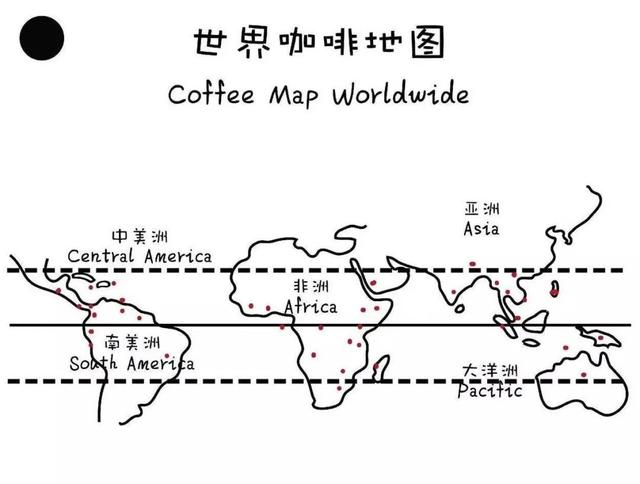
Papua New Guinea is a remarkable country with many indigenous tribes, where agriculture is the largest industry and coffee is one of its products. Although coffee doesn't account for a high proportion of agricultural output, it has gained considerable recognition because the country's coffee is known as the "Little Blue Mountain." You might find it surprising that Papua New Guinea belongs to the Asian coffee-growing region. Isn't that fascinating? Doesn't it make this country seem mysterious? Come explore with FrontStreet Coffee.
Coffee Characteristics and Processing
Papua New Guinea's coffee production is not particularly high, but all its beans are carefully processed washed Arabica. Generally, washed beans are full of bright fruit aromas without strong acidity. Their characteristics include a silky-smooth mouthfeel and a wonderful fragrance, with moderate acidity, making them a rare coffee that combines high body with medium acidity.
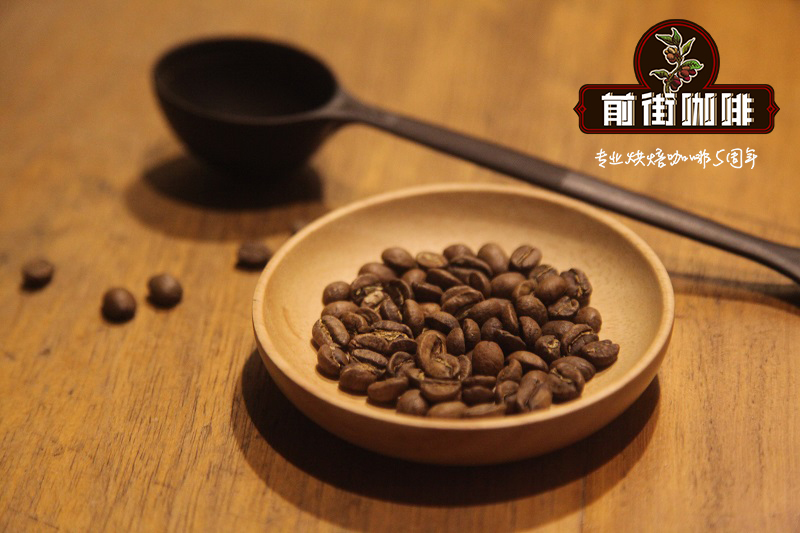
Flavor notes: nuts, sugarcane, spices
Rise in Specialty Coffee
In recent years, Papua New Guinea coffee has begun representing Oceania in the world specialty coffee category with its unique high-quality washed Arabica. Papua New Guinea coffee is characterized by full-bodied beans, moderate acidity, and a fragrant, mellow taste profile.
Geography and Growing Conditions
Papua New Guinea is an island nation in Oceania. In Malay, "Papua" means "curly hair." It is said that in 1545, explorer Retez arrived at the island and noticed that most islanders had curly hair, so he called it "the island of curly-haired people," and the name has been passed down ever since. Located east of Indonesia, Papua New Guinea has a typical island climate, situated between the equator and 10 degrees south latitude. With tropical rainforest, volcanic rock, and plateau terrain, and elevations ranging from 1,200 to 2,500 meters, it is truly a paradise for coffee cultivation.
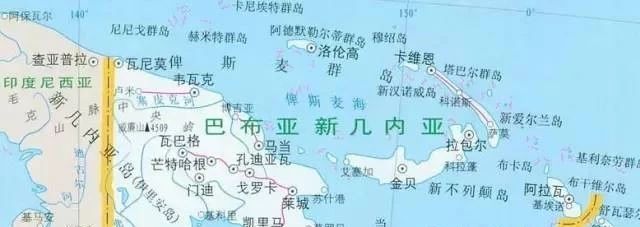
Local production is not large, with approximately 85% of total coffee production coming from smallholder garden cultivation systems. Small farmers join local cooperatives and share processing equipment. Coffee is the second-largest agricultural export by volume from Papua New Guinea, demonstrating the importance of the coffee industry to the country's economy. Because of different varieties than Indonesia, higher elevations than Sumatra, and the use of washed processing, PNG coffee's regional characteristics differ markedly from Indonesia's heavy, low-profile flavors, instead showing brightness, sweet-sour notes, and floral-fruit aromas similar to South American coffees.
Papua New Guinea boasts a pristine, natural environment with vast, fertile land. Its unique volcanic soil and abundant rainfall create excellent natural conditions for coffee growth. Papua New Guinea's premium beans are as beautiful and precious as the country's national bird, the bird of paradise.
Kimel Plantation: A Case Study
Large plantations typically have their own washing facilities, while smaller individual coffee farmers can better control output quality and flavor expression. The Kimel Plantation, located in the Western Highlands' Waghi Valley near the Kimel River, like many large farms, has its own dedicated washing facility. However, it is actually jointly owned by numerous independent small farmers from the surrounding Opais people, making it, in a sense, a private cooperative. Due to excellent growing conditions and stable quality control at the processing facility, the resulting coffee exhibits lively brightness while preserving the unique flavor characteristics of Papua New Guinea coffee.
Another special feature is the diversity of varieties cultivated at Kimel, too many to count on one hand: Typica, Arusha, Blue Mountain, Mundo Novo, Catimor, Caturra, and more. Just as one wouldn't put all eggs in one basket, most farmers plant different varieties to avoid the risk of poor growth or unexpected production from any single variety, which also creates interesting expressions in their coffee's flavor profile.
Coffee Grading System
Papua New Guinea coffee grades: a total of 12 grades, classified by defects.
| Grade | Screen Size |
|---|---|
| AA | > 18 |
| A | 17 |
| AB | >16 (50%) >17 (50%) |
| B | >16 |
| C | >15 |
| PB | 11-14S |
| X | mixed |
| E | >19 |
| PSC | >15mm |
| Y1 | mixed |
| Y2 | mixed |
| T | mixed |
(Applicable only to Arabica)
Meaning and rules of Papua New Guinea green coffee bean names:
PNG Plantation Y
Country + cultivation type + grade name
In Papua New Guinea:
Plantations and large estates account for 25% of national production;
Small to medium-sized farms (Holdings or Blocks) of 10-20 hectares account for 10%;
PNG has 76 registered plantations and estates.
Let's use the most notable specialty grades, AA and A, as examples:
(1) AA and A grade coffees belong to the specialty coffee grades, mainly from larger estates.
For AA grade, beans are larger than an 18 screen, elliptical flat beans. Defect count: maximum 10 defects per kilogram. Green bean appearance is greenish-blue. Green bean flavor must be clean, and roasted flavor must be clean and smooth. Cup quality must be excellent (Fine Cup).
(2) A grade is larger than a 17 screen, and cupping must reach at least GTF level (Good to Fine), meaning good to excellent cup quality. Other defect counts and green bean conditions are the same as AA.
In summary, whether used for espresso blending or general coffee blends, PNG coffee can compensate for the shortcomings of acidic coffees. Combined with the principle of rarity value, it has been increasingly favored by coffee enthusiasts in recent years.
FrontStreet Coffee Recommendation
Because PNG coffee is often called "Little Blue Mountain," the natural reference point is the original. FrontStreet Coffee's Jamaica Blue Mountain No.1 is the top grade, from the historic Clifton Mount Estate, which began growing and processing coffee around 1750. Its fields and mill sit at an average of 4,300 feet (about 1,310.64 meters), where elevation, gentle afternoon cloud cover, ample sunlight, and mineral-rich soil give the trees ideal growing conditions and lengthen cherry ripening.
Authentic Blue Mountain is judged by its certification. Regular Jamaica Blue Mountain doesn't carry a traceability code, but importers usually hold complete export certification and origin documents. Traditional Blue Mountain ships in wooden barrels of 15, 45, and 70 kilograms, and each barrel is itself a mark of the genuine article. FrontStreet Coffee's Jamaica Blue Mountain No.1 comes with complete origin certification and the original transport barrels, so the source is clearly traceable.
Roasted medium-dark, it fully expresses Blue Mountain's classic balance. In the cup you get layers of nut, dark chocolate, cream caramel, and gentle sweetness, with acidity, sweetness, bitterness, and aroma in harmony. Whether as a daily specialty coffee or a premium gift, Blue Mountain No.1 lets you experience the enduring charm of this legendary coffee.
Important Notice :
FrontStreet Coffee is a long-established specialty coffee roaster in Guangzhou China, selling freshly roasted beans from its own farm in Yunnan as well as dozens of carefully selected single-origin beans from around the world for both pour-over and espresso. The products deliver consistently excellent quality and great value, with shipping within 24 hours. Guangzhou's FrontStreet Coffee shop is recommended by many coffee lovers, and the beans are now available online at the Tmall 。
FrontStreet Coffee has moved to a new address:
FrontStreet Coffee Address: 315,Donghua East Road,GuangZhou
Tel:020 38364473
 Scan and follow the En Gafei WeChat official account. Please indicate that the reprint comes from "En Gafei".