How Costa Rican Black Honey Coffee is Made and How Costa Rican Coffee Bean Grades are Classified
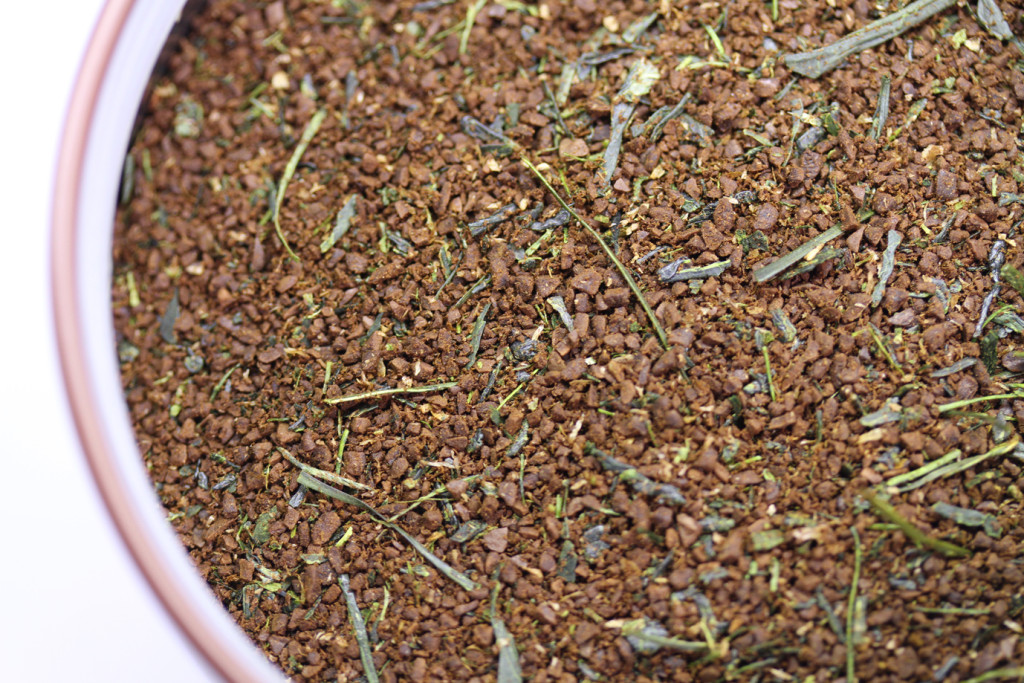
Coffee Details
Country: Costa Rica
Grade: SHB
Region: Tarrazu
Roast Degree: Medium roast
Processing Method: Black honey processing
Variety: Catuai
Estate: Finca La Florida
Flavor: Preserved plum, honey, brown sugar
About the Catuai Variety
Catuai is a coffee variety created by artificially crossing Caturra with Mundo Novo. It stands up to natural disasters, particularly wind and rain, relatively well.
Catuai trees grow relatively low. Compared with other coffee trees, Catuai fruit clings more firmly and is not easy to pick. The cherries come in both red and yellow forms. To date, no superior taste has been found in yellow fruit over red. If anything, some cuppers have observed that while coffee processed from yellow cherries has good acidity, its cup cleanliness is inferior to that of red cherries.
Catuai was first cultivated in Brazil and is now widely planted throughout Central America.
The Tarrazu Region
The country's most famous growing area is Tarrazu, located near the capital, San José. Tarrazu has the highest average altitude along with excellent climate and soil, which makes it the most famous, and by general agreement the best, of Costa Rica's major coffee-producing regions. Tres Rios is a well-known sub-region within Tarrazu. The most celebrated Costa Rican single-origin coffee in the specialty world is the La Minita estate in Tarrazu, with an annual production of only 160,000 pounds.
Costa Rica's three most famous origins are Tarrazu, south of the capital San José, together with the Central Valley and Western Valley regions. Scattered among them are many outstanding independent estates, all diligently producing ever more refined washed and honey-processed beans. It is fair to look forward to more honey-processed surprises from Costa Rica.
Honey Processing Methods
The honey processing methods we commonly see are yellow honey, red honey, and black honey.
Yellow honey: about 40% of the mucilage is removed. Drying calls for the most direct heat absorption, with the cherries left in maximum sunlight, taking about 8 days to reach a stable moisture content.
Red honey: about 25% of the mucilage is removed. Compared with yellow honey, drying takes longer and direct sun exposure is reduced, sometimes with shade nets, lasting about 12 days.
Black honey: almost no mucilage is removed. Drying takes the longest, lasting at least 2 weeks, with coverings used to avoid overly strong sunlight, which prevents the cherries from drying too quickly and allows a more thorough conversion of sugars.
Brewing Method
Hand-pour black honey: 15g of coffee, medium grind (Fuji ghost-tooth grinder setting #4), V60 dripper, water temperature 88-89°C. First pour 30g of water and bloom for 27 seconds, then pour to 105g and stop. Wait until the water level in the coffee bed drops to half before pouring again, slowly pouring to 225g, then discard the tail end. Water-to-coffee ratio 1:15, extraction time 2:00.
Costa Rican Coffee Quality
Although Costa Rica has earned the admiration of coffee connoisseurs through its honey-processed beans, that reputation rests on its superior geography and climate, and on the fact that every coffee variety it cultivates is Arabica. Costa Rica's highest-quality beans are graded "Strictly Hard Bean" (SHB), followed by Hard Bean (HB) and Semi-Hard Bean (SH) in descending quality, which forms its grading system. Strictly Hard Bean grows above 1,500 meters, and altitude has long stood as a proxy for coffee quality, since higher altitude means better coffee. The sharp drop in altitude also brings ample rainfall, which benefits the coffee trees, while the low nighttime temperatures at high altitude slow the trees' growth, allowing the cherries to absorb more nutrients and develop richer flavors.
Tasting Notes
Flavor: Preserved plum, honey, brown sugar, orange blossom, white chocolate
Mouthfeel: Excellent sweetness, gentle fruit acidity, round and full-bodied, with a persistent aftertaste
This batch of Finca La Florida black honey coffee comes from Costa Rica's famous Tarrazu region. Although specialty coffee developed relatively late here, Costa Rica's progress has since been rapid. With the gentle fruit acidity, smooth mouthfeel, and sweet, high-quality berry flavors of honey processing, it is not to be underestimated. Black honey processing retains about 80% of the mucilage, and the most obvious difference between the styles is that from yellow to red to black, each becomes progressively sweeter. Combined with richer fruit notes, that is exactly why coffee connoisseurs love it.
FrontStreet Coffee Recommendation
If the sweetness and rounded body of a black honey coffee appeal to you, FrontStreet Coffee's pulped natural Brazilian beans offer the same gently sweet character in a different style. FrontStreet Brazil Cerrado Red Bourbon, a classic single-origin Brazilian, is pulped natural and medium roasted, bringing creamy peanut, toasted bread, caramel, and hazelnut aromas with a rounded, low-acid body and only a light bitterness; it works well as pour-over and in a moka pot, espresso SOE, siphon, or French press. For even more cane-sugar sweetness, FrontStreet Brazil Queen Estate Yellow Bourbon comes from Mogiana and shows a rare yellow Bourbon profile with clean fruit and chocolate notes.
Important Notice :
FrontStreet Coffee is a long-established specialty coffee roaster in Guangzhou China, selling freshly roasted beans from its own farm in Yunnan as well as dozens of carefully selected single-origin beans from around the world for both pour-over and espresso. The products deliver consistently excellent quality and great value, with shipping within 24 hours. Guangzhou's FrontStreet Coffee shop is recommended by many coffee lovers, and the beans are now available online at the Tmall 。
FrontStreet Coffee has moved to a new address:
FrontStreet Coffee Address: 315,Donghua East Road,GuangZhou
Tel:020 38364473
 Scan and follow the En Gafei WeChat official account. Please indicate that the reprint comes from "En Gafei".