Is Hartmann Wine Process Coffee Delicious? Hartmann Coffee Brewing Methods

Professional Barista Exchange
Please follow Coffee Workshop (WeChat public account: cafe_style)
Hartmann Manor: A Legacy of Excellence
This family-owned enterprise features a state-level cupping laboratory and sample roasting room. They rigorously cup every batch of coffee cherries, ensuring the consistent quality of Hartmann Manor's coffee while continuously pursuing improvement. Their scientific approach to coffee, combined with nearly 100 years of family experience, guarantees their exceptional products.
A legendary estate with a state-level cupping laboratory and sample roasting room: a meticulous attitude and strict standards ensure the stable quality of Hartmann Manor's coffee.
Red Wine Process Caturra: An Extraordinary Experience
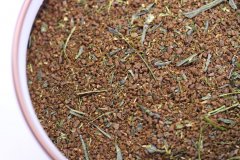
This lot is red wine-processed Caturra. From the moment you grind it, an intensely rich fruity wine aroma rises out of the grounds, accompanied by fresh smoky-wood spice notes. Combined with the special berry sweetness that natural processing brings, the fragrance is intoxicating. On tasting, rich tropical fruit flavors emerge - like a cocktail carefully mixed with passion fruit, mango, orange, and berry juices alongside peach wine! No - this is a cocktail mixed by nature itself!
The Revolutionary Red Wine Process
Of all the coffee-producing regions on Earth, very few have successfully developed the wine-like processing method. After years of testing, this process can finally control the acid structure in coffee. Coffee fermented through wine-like processing shows markedly enhanced sweetness and cleanliness, with a multi-layered yet elegant acidity. This fermentation method greatly improves both the quality and the distinctiveness of the coffee.
The red wine process is also known as controlled fermentation, or lactic/acetic acid fermentation.
The Scientific Innovation Team
The experimental team is led by American Felipe Sardi and composed of biological scientists and ecologists. They apply technologies such as solar energy to cultivation and green coffee processing.
Meticulous Harvesting Standards
The specialized hand-picking team is trained to strictly follow specialty coffee harvesting requirements: unripe cherries <2%, defective beans <3%, floaters <5%.
Fermentation Methods
Acetic Acid Fermentation - Aerobic Fermentation
Lactic Acid Fermentation - Anaerobic Fermentation
Flavor Expectations
Acetic Acid Fermentation: Cleaner, vibrant acidity, brighter acid quality, citric acid
Lactic Acid Fermentation: More rounded mouthfeel, slightly lower cleanliness than acetic acid fermentation, higher body, malic/tartaric acid
In the past, processing mills relied on traditional manual methods passed down through generations, such as biting a bean to judge the degree of fermentation. That approach was uncontrolled and inconsistent.
Controlled fermentation uses pH monitoring to track the fermentation, delivering predictable results and consistent quality from batch to batch.
The Caturra Variety
Caturra is a single-gene mutation of Bourbon, discovered in Brazil in 1937. It out-yields Bourbon with better disease resistance, and its shorter plants make harvesting easier. Unfortunately, like Bourbon, it suffers from biennial bearing cycles. On the plus side, it adapts strongly, does not require shade trees, and thrives in direct sunlight - which earned it the nickname "Sun Coffee." It tolerates high-density planting but needs heavier fertilization, which raises costs, so initial farmer acceptance was low.
Then in the 1970s, when coffee prices soared, farmers switched to Caturra to raise yields. With strong promotion from the Brazilian and Colombian authorities, the results were fruitful. Farmers' embrace of Caturra meant a major transformation in cultivation techniques: Brazil and Colombia adopted high-yield, high-density sun cultivation. By 1990, one million hectares could harvest 14 million bags of coffee - a 60% jump in productivity. It is no wonder that the high-production, high-quality Caturra became a variety that producing countries rely on.
Caturra can be grown from low altitudes of 700 meters up to 1,700 meters, showing strong altitude adaptability. The higher the altitude, the better the flavor, but the lower the production - the eternal fate of specialty beans. Academics describe Caturra as an intensive, sun-grown version of Bourbon - a truly insightful description. Central and South America also have a yellow Caturra variant (Caturra Amarello), but its reputation is not as strong as Yellow Bourbon's.
When lightly roasted, Caturra shows distinct acidity and overall brightness, and with proper processing its sweetness can be remarkably good. However, its body is relatively low compared to Bourbon, and the cleanliness of the mouthfeel is somewhat lacking.
Usually, Caturra produces red cherries, but in very rare regions yellow Caturras exist - such as the tiny quantities of yellow Caturra grown in Hawaii.
Coffee Details
Country: Panama
Grade: SHG
Region: Volcan Region
Altitude: 1250-1700 Meters
Processing Method: Red Wine Process
Variety: Caturra
Estate: Hartmann Manor
Flavor Notes: Smoked wood spices, berries, fruity wine aroma
Panama Hartmann Manor Caturra Red Wine Process
Manufacturer: FrontStreet Coffee (FrontStreet Coffee)
Address: No. 10 Bao'an Front Street, Yuexiu District, Guangzhou City
Contact: 020-38364473
Ingredients: House roasted
Shelf Life: 30 days
Net Weight: 227g
Packaging: Bulk
Taste: Neutral
Bean State: Roasted coffee beans
Sugar Content: Sugar-free
Origin: Panama
Coffee Type: Other
Roast Level: Medium roast
Hartmann Manor Introduction
Hartmann's story is every bit as legendary as its coffee. Hartmann Manor is located in Santa Clara, Chiriqui Province. Its founder was Mr. Alois St. Hartmann (Luis Hartmann), born on June 20, 1891, in the Moravia region of Austria-Hungary (now the Czech Republic), who died on May 25, 1970, at the age of 78.
When World War I broke out, he was abandoned as a small boy. Thanks to his mother, he survived by hiding aboard a ship bound for Pennsylvania, USA. His two brothers both died in the war after joining the military. Luis Hartmann traveled through several countries with friends until he arrived in Panama in 1911, settling in Chiriqui Province in 1912, mainly active in the Candela area. There he built the first small cabin in this primeval forest.
Today's Hartmann Manor is a family enterprise founded in 1940 by Ratibor Hartmann (son of Luis Hartmann). In 1966, Ratibor married Dinora Zandi from Costa Rica. They had five children: Ratibor Jr., Allan, Alexander, Alice, and Kelly. Each family member takes charge of a different aspect of the business - coffee growing management, harvest processing, and estate tours. A family estate that has grown coffee for over 100 years is itself a legendary story.
Brewing Instructions
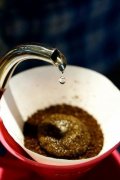
Pour-over Hartmann: 15g of coffee, medium grind size (small Fuji ghost-tooth burr grinder at #4), V60 dripper, water at 88-89°C. First pour 30g of water and bloom for 27 seconds, then pour up to 105g and stop. Wait until the water level drops to half before pouring again. Pour slowly until you reach 225g, cutting off the tail of the brew. Coffee-to-water ratio 1:15, extraction time 2:00.
FrontStreet Coffee Recommendation
The natural (sun-dried) process is the oldest way of preparing coffee beans and still the most widely used processing method today. In natural processing, ripe coffee cherries are laid out in the sun immediately after harvest and dried until the moisture content reaches the target level, at which point they are hulled to yield the finished beans. Because the whole fruit pulp is preserved during drying, natural coffees have a higher body and are far more likely to carry rich, mature fruit tones.
FrontStreet's Yirgacheffe Red Cherry Project natural is a prime example. Naturals demand a great deal from the weather - long stretches of clear skies, with drying typically lasting 27-30 days - and Ethiopia, with its high altitudes, dry climate, and scarce water, uses the natural process extensively. Locals harvest the ripe cherries and spread them flat on mesh racks to dry. FrontStreet's Red Cherry lot comes from the famous Yirgacheffe region and uses only fully ripe, all-red cherries, laid out on raised beds to keep the fruit off the ground and away from insects, dust, and bacterial contamination, with regular turning to prevent uneven heating. Roasted medium-light, this coffee offers not only its own elegant florals and bright acidity but also pronounced tropical fruit flavors, a full fermentation character, and generous sweetness.
And when natural coffee comes up, FrontStreet's Huakui (Flower Champion) deserves a mention. Exceptional growing conditions - very high altitude, fertile soil, and hand-selected ripe cherries - give Huakui a naturally delicate fragrance, and Sidamo's signature natural processing sets off its graceful aromatics beautifully. As an African coffee, it shows the light, floral-fruity character with pronounced acidity typical of the continent, so FrontStreet roasts it medium-light. Brewed, you get a faint fermented note, florals, citrus, and mango - a much richer, more complex cup with honeyed sweetness, a cocoa undertone touched with spice, a thick body, and a long-lasting finish.
Important Notice :
FrontStreet Coffee is a long-established specialty coffee roaster in Guangzhou China, selling freshly roasted beans from its own farm in Yunnan as well as dozens of carefully selected single-origin beans from around the world for both pour-over and espresso. The products deliver consistently excellent quality and great value, with shipping within 24 hours. Guangzhou's FrontStreet Coffee shop is recommended by many coffee lovers, and the beans are now available online at the Tmall 。
FrontStreet Coffee has moved to a new address:
FrontStreet Coffee Address: 315,Donghua East Road,GuangZhou
Tel:020 38364473
 Scan and follow the En Gafei WeChat official account. Please indicate that the reprint comes from "En Gafei".