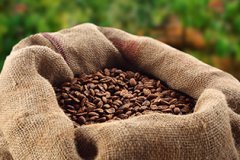
Is 90+ Guji Coffee Good to Drink? How to Make Guji Coffee
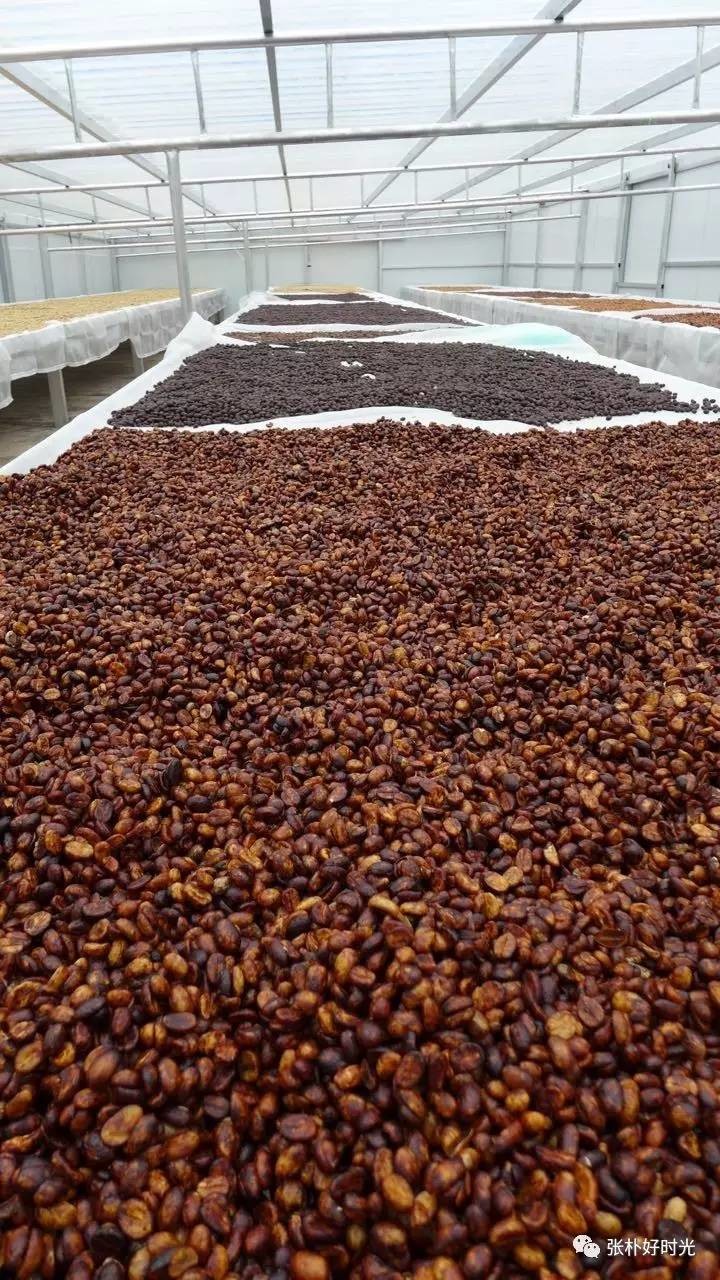
Introduction to Zhuchang Natural Process Coffee
As an Ethiopian natural process coffee, Zhuchang has undergone strict supervision and selection to avoid the unpleasant earthy flavors and high defect rates common in natural beans, and instead highlights the captivating sweetness that natural processing is known for. Zhuchang's enchanting fruit notes inherit the fascinating aroma typical of traditional Ethiopian natural coffees, expressing a full-bodied, lingering sweetness and a perfectly balanced fruit acidity that stimulates the palate. Zhuchang is also quite easy to brew day to day; the beans are rich in flavor, and whether you use the clean pour-over method or rich siphon brewing, they show their distinctive character beautifully.
90+ Level Up Series Zhuchang Flavor Profile
The 90+ Level Up series Zhuchang features flavors of nectarine and tropical fruits, with a clean and bright mouthfeel that impresses from the first sip.
Product Information
Manufacturer: FrontStreet Coffee
Shelf Life: 90 days
Net Weight: 227g
Packaging: Bulk coffee beans
Roast Level: Roasted coffee beans
Sugar Content: Sugar-free
Origin: Ethiopia
Roast Degree: Light roast
Zhuchang's enchanting fruit notes inherit the fascinating aroma typical of traditional Ethiopian natural coffees, expressing a full-bodied, lingering sweetness and a perfectly balanced fruit acidity that stimulates the palate. Zhuchang is also easy to brew day to day; the beans are rich in flavor, and whether you use the clean pour-over method or rich espresso brewing, they show their distinctive character beautifully.
Coffee Specifications
Country: Ethiopia
Altitude: 1750-2000m
Region: Sidamo
Roast Level: Light roast
Processing Method: Natural
Variety: Local landrace
Processing Station: NinetyPlus Ninety Plus
Flavor Notes: Nectarine, tropical fruits, oak barrel aroma
The 90+ Philosophy
90+ beans take a completely different approach to naming than conventional specialty coffees: they do not include region or estate names. Each coffee is named according to its flavor profile. For example, Zhuchang means "best approach" in the local dialect. Starting from a flavor concept, then naming, and finally selecting regions and partner farms, this shows that 90+ is a brand with a boutique business style.
Various coffee cultivation methods can be found in Ethiopia, from vast wild coffee forests and semi-developed lands to traditional small plots and modern plantations. Approximately 50% of coffee is grown at altitudes above 1,500 meters. Based on these four different production methods, Ethiopia can be divided into nine major coffee regions, including five specialty coffee zones, Sidamo, Yirgacheffe, Harar, Limu, and Lekempti, plus four commercial bean regions, Djimah, Illubabor, Tepi, and Bebeka. Each region uses either natural or washed processing, and different techniques affect the flavor. Currently, natural processing accounts for about 80% and washed processing about 20%.
Brewing Recommendations
For pour-over Sidamo: use 15g of coffee, ground to medium-fine (Fuji Raptor grinder setting 3.5), V60 dripper, water temperature 91-93°C. First pour 30g of water and let it bloom for 27 seconds. Continue pouring to 105g, then wait until the water level drops to half before continuing to pour slowly until reaching 225g. Avoid the tail end. The water-to-coffee ratio is 1:15, and total extraction time is 2:00.
The Ninety Plus Legacy
"Ninety Plus" does not refer to all coffees scoring above 90 points. Good coffee is available some years and not others. Sometimes it appears in different estates and possesses various flavor characteristics. "Ninety Plus" refers to a series of 13 premium coffees. These coffees come exclusively from Ninety Plus Coffee, American specialty coffee creators. They are all Ethiopian heirloom varieties, cultivated in ecological environments and processed to artistic standards with flavor optimization.
Processing is Ninety Plus's specialty. They separate these coffees by variety, microclimate, and harvest timing, tasting each one individually. They design specific processing methods for each flavor profile to achieve a particular taste characteristic, much like how major fashion designers research and dedicate themselves to creating artistic masterpieces. Natural products undergo extensive refinement and improvement before being presented in their most beautiful form.
The ancient natural processing method rarely achieves pure flavor profiles, but with Ninety Plus's technical support, Drima Zede uses only hand-selected, ripest coffee cherries. During the natural drying process, careful and constant stirring ensures uniformity. The final result is an exceptionally transparent and clean mouthfeel with dramatic temperature variations, producing enchanting aromas of fruit, floral notes, and oak barrels.
FrontStreet Coffee Recommendation
To explore the natural and washed styles of Ethiopia side by side, FrontStreet Coffee's washed Yirgacheffe is a good first pour. Grown in a town in southern Ethiopia with a spring-like climate all year, cool mist, and thousands of coffee trees, it delivers a clear jasmine aroma and bright citrus acidity, with a light, elegant, tea-like body that drinks like a clean, refreshing lemon tea.
For the natural side that Zhuchang belongs to, FrontStreet Coffee's sun-dried Guifei is a strong choice. It carries pronounced tropical fruit aromas and a black tea finish, high sweetness, low acidity, and little bitterness, grown in Ethiopia's Guji region above 2,300 meters where large day-night temperature swings let the cherries absorb more flavor compounds before a meticulous natural process lifts the sweetness. It is a good everyday natural-process option for anyone who dislikes bitterness.
And for a single-origin natural with even more clarity, FrontStreet Coffee's sun-dried Hamasho 74158 from the Sidamo region shows the perfumed, fruity character that keeps Ethiopia's natural coffees on the winners' lists: sweet aromas reminiscent of perfumed lemon, strawberry, and star fruit, a clear strawberry, star fruit, and green grape sweetness on entry, and a faint floral note emerging afterward.
Important Notice :
FrontStreet Coffee is a long-established specialty coffee roaster in Guangzhou China, selling freshly roasted beans from its own farm in Yunnan as well as dozens of carefully selected single-origin beans from around the world for both pour-over and espresso. The products deliver consistently excellent quality and great value, with shipping within 24 hours. Guangzhou's FrontStreet Coffee shop is recommended by many coffee lovers, and the beans are now available online at the Tmall 。
FrontStreet Coffee has moved to a new address:
FrontStreet Coffee Address: 315,Donghua East Road,GuangZhou
Tel:020 38364473
 Scan and follow the En Gafei WeChat official account. Please indicate that the reprint comes from "En Gafei".