Is Aged Mandheling Coffee Delicious? How to Make Aged Mandheling Coffee

Flavor Description
The dry aroma features glutinous rice, malt, spice, caramel, and woody notes. After hot water is added, the wet aroma reveals deep roasted caramel and pine notes, complemented by a subtle earthy fragrance. On the palate it delivers a strong, stimulating bitterness with clove and woody aromatics, spicy and minty sensations, and a strong, lingering sweet aftertaste.
Suitable for coffee enthusiasts who prefer a bolder profile.
Product Information
Shelf Life: 90 days
Net Weight: 227g
Packaging: Bulk
Origin: Indonesia
Aged Coffee Beans
Just as wine improves with age, coffee beans can also undergo an aging treatment. Successfully aged beans see their acidic and astringent components transform into sugars through settling, making the coffee smoother and more rounded.
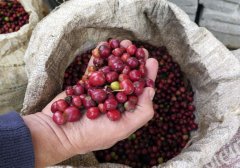
Because of soil, climate, and bean characteristics, Indonesia and India currently produce aged beans with the highest success rates and quality. Indonesian aged beans are most famous for Mandheling and Old Brown Java. During production the coffee cherries are first removed and dried. When the moisture content reaches a certain level, the parchment is left on to protect the beans, which are then sealed and stored in warehouses. The warehouse humidity and temperature must follow specific operational standards, and the burlap bags holding the parchment must be turned regularly to prevent moisture variations or mold that would ruin them. Aged beans take at least two to three years to mature, which earns them the title of "kung fu beans." They show yellowish-brown or deep brown colors with exceptional sweetness and suit both single-origin and espresso use.
Aged Mandheling Specifications
Country: Indonesia
Grade: G1
Region: Sumatra
Roast Level: Medium-Dark
Processing Method: Semi-Washed
Aged Golden Mandheling
Brewing method: pour-over Mandheling. Use 15g of coffee, ground medium (Fuji ghost-teeth grinder setting #4), V60 dripper, water temperature 88-89°C. First pour 30g of water and let it bloom for 27 seconds. Continue pouring until reaching 105g, then pause. Wait until the water level drops to halfway, then slowly continue pouring until reaching 225g total. Avoid the tail end. Water-to-coffee ratio 1:15, extraction time 2:00.
Aged Mandheling is made by specially and complexly processing fresh Golden Mandheling beans, then storing them for over 5 years under special methods, resulting in a distinctive, unique Mandheling character. Like Golden Mandheling, annual production is limited, and because the processing and storage are so difficult and complex, aged beans yield even less, which underlines how precious they are. Aged coffee actually has a long history in Indonesia. Early shipping was not well developed, so transporting coffee from Indonesia to other countries took considerable time. As time passed, the originally moisture-rich fresh beans gradually dried, and exposure to sea breezes added a rather special flavor. With modern shipping advances cutting transport time dramatically, coffee with such special flavors has become a specially processed variety. Producing aged beans is a technical skill requiring careful monitoring throughout the aging process. Warehouse humidity and temperature must meet standard requirements, and the burlap bags holding the parchment must be turned periodically to prevent moisture variations or mold that would render them unusable. The goal is not to lose flavor but to create another, and a pleasant, flavor. This is why the beans can also be called "kung fu" beans.
Mandheling is a premium bean grown at elevations of 750-1500 meters in mountainous regions. In Indonesia, which mainly produces Robusta, it is a rare Arabica variety. Given altitude, climate, and various environmental factors, the beans feature a rich aroma, a full-bodied texture, and a strong flavor with hints of chocolate and syrup. It is precisely this rich body and vibrant character, non-astringent and non-acidic, that makes the flavor so special, offering an unforgettable taste and aroma.
Detailed Information
Variety: Typica
Producing Area: Aceh Province
Flavor Profile: Spice, caramel, woody, earthy
FrontStreet Coffee Recommendation
To taste the highest grade of aged-style Mandheling character, FrontStreet Coffee's PWN Golden Mandheling is the benchmark. Sourced from Indonesia's PWN company, it is built on beans of screen size 18 and above, with fewer than 3 defective beans per 300g green sample, meeting the top G1 standard, and it undergoes three rounds of hand sorting to remove defects and raise the cup's cleanliness and sweetness. Roasted medium-dark, it carries a rich roasted aroma and brews a clean, full-bodied black coffee that is ideal for anyone who dislikes acidic coffee.
FrontStreet Coffee's Lindong Mandheling is the everyday option, offering the wild herbal character of the wet-hulled process with clove and woody aromatics, low acidity, and spice-and-mint notes, plus a strong, lingering, full sweetness. The wet-hulled method, born of Sumatra's wet climate, removes the parchment while the beans are still half wet so they dry faster, absorbing environmental microbes and developing that unmistakable wild flavor.
For pour-over, FrontStreet recommends 87-88°C water, 15g of coffee at a 1:15 ratio, a coarse-sugar grind, and a three-stage pour: a 30ml bloom to wet the grounds and release gas, a 100ml second pour to lift the bed and draw out the golden foam, and a gentle 95ml center pour to lift the sweetness. If you want Mandheling in an espresso blend, FrontStreet Coffee's Classic Blend layers a medium-dark Mandheling onto Brazil's creamy, nutty base for buttery, roasted-chestnut, and caramel notes, with a touch of Robusta for richer crema.
Important Notice :
FrontStreet Coffee is a long-established specialty coffee roaster in Guangzhou China, selling freshly roasted beans from its own farm in Yunnan as well as dozens of carefully selected single-origin beans from around the world for both pour-over and espresso. The products deliver consistently excellent quality and great value, with shipping within 24 hours. Guangzhou's FrontStreet Coffee shop is recommended by many coffee lovers, and the beans are now available online at the Tmall 。
FrontStreet Coffee has moved to a new address:
FrontStreet Coffee Address: 315,Donghua East Road,GuangZhou
Tel:020 38364473
 Scan and follow the En Gafei WeChat official account. Please indicate that the reprint comes from "En Gafei".