Aged Mandheling Coffee Growing Region Guide & Brewing Methods
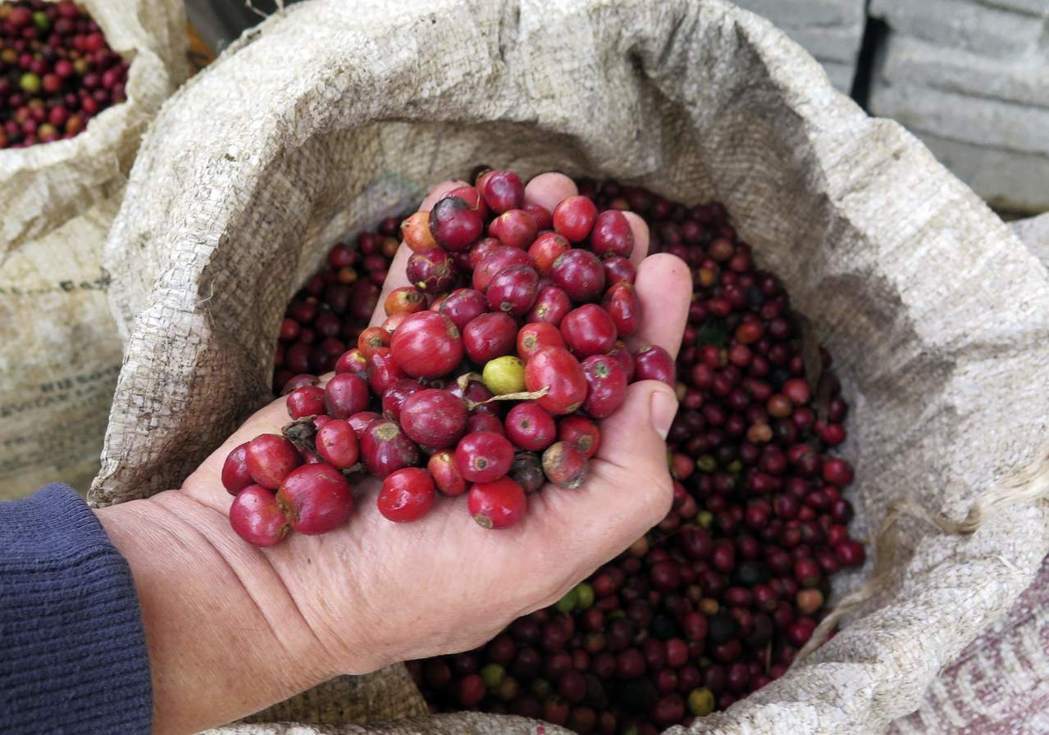
Perhaps because of soil, climate, and bean characteristics, the most successful and highest-quality aged beans today come from Indonesia and India. Indonesian aged beans are best known as Mandheling and Old Brown Java. In production, the cherries are dried first, and once the moisture content reaches a certain level the husks are left on to protect the beans, which are then sealed and stored in warehouses. The warehouse humidity and temperature must follow specific operating standards, and the cherries in their jute bags must be turned regularly to prevent moisture differences between top and bottom, or mold that would ruin the lot. Aged beans need at least two to three years to mature, which is why they are called "kung fu beans." They take on a yellowish-brown or dark brown color and offer excellent sweetness, making them suitable for both single-origin and espresso use.
Aged Mandheling
Country: Indonesia
Grade: G1
Origin: Sumatra
Roast Level: Medium-dark roast
Processing Method: Semi-washed
Aged Golden Mandheling
For pour-over Mandheling: use 15g of coffee ground to a medium consistency (Fujiyama grinder #4), a V60 dripper, and water at 88-89°C. First pour 30g of water and let it bloom for 27 seconds. Continue pouring until you reach 105g, then pause. Wait until the water level in the coffee bed drops to halfway, then continue pouring slowly until you reach 225g. Avoid the tail end. The water-to-coffee ratio is 1:15, and the extraction time is 2:00.
Aged Mandheling starts with fresh Golden Mandheling from the current year, put through a special and complex process and then more than 5 years of special storage, which produces a distinctive and unique Mandheling character. Like Golden Mandheling, its annual production is limited. Because the processing and storage are so difficult and involved, aged beans are produced in even smaller quantities, which makes them all the more precious. Aged coffee actually has a long history in Indonesia, because early shipping was not so advanced: moving coffee from Indonesia to other countries took considerable time. Over the months at sea the fresh, moisture-rich beans gradually dried, and exposure to sea breezes added a quite special flavor. As modern shipping cut that travel time down sharply, coffee with these particular flavors became a specialty processed bean instead.
Processing aged beans is a technical skill that requires close monitoring throughout the aging period. The warehouse humidity and temperature must meet standard requirements, and the cherries in their jute bags must be turned periodically to prevent moisture differences between top and bottom, or mold that would ruin the lot. The aim is not to diminish the flavor but to create another flavor, a pleasant one, which is why this bean is also called a "kung fu" bean.
Mandheling is a premium coffee grown at 750-1,500 meters in mountainous regions. In Indonesia, which is mainly a Robusta producer, it is a rare Arabica variety. Because of altitude, climate, and other environmental factors, the beans that grow there have a rich aroma, a full body, and a strong flavor with notes of chocolate and syrup. Its rich body and lively character, neither astringent nor acidic, make the flavor particularly special and give an unforgettable taste experience and aromatic pleasure.
Variety: Typica
Region: Aceh Province
Flavor Notes: Spices, caramel, woody, earthy
Flavor Description
The dry aroma presents glutinous rice, malt, spices, caramel, and wood. After hot water is added, the wet aroma reveals dark roasted caramel and pine notes with a faint earthy fragrance. On the palate the mouthfeel is strong and stimulatingly bitter, with clove and woody aromatics, spice character and minty notes, plus a strong, persistent aftertaste.
Suitable for coffee lovers who prefer bitter profiles.
Manufacturer: FrontStreet Coffee (FrontStreet Coffee)
Shelf Life: 90 days
Net Weight: 227g
Packaging: Bulk
Origin: Indonesia
Just as wine improves with age, coffee beans can also undergo aging. In successfully aged beans, acidic and astringent components settle out and transform into sugars, leaving the coffee smoother and more rounded.
FrontStreet Coffee Recommendation
Sumatra is the largest source of both Arabica and Robusta in Indonesia, accounting for more than 60% of national output. The highlands of Aceh in the north and of North Sumatra are planted mainly with Arabica, and this Sumatran Arabica is what people usually call Mandheling. For a classic Mandheling character, FrontStreet Coffee's wet-hulled Mandheling comes from the Lintong area around Lake Toba, roasted medium-dark to keep acidity low and body thick, with caramel, dark chocolate, and toasted bread aromas and a long sweet finish.
For the top of the range, FrontStreet Coffee's PWN Golden Mandheling is a strong choice. PWN buys only high-grade Mandheling green beans and screens them strictly, using beans sized 18 mesh and above and requiring fewer than 3 defective beans in every 300-gram sample to meet the highest G1 standard. Three rounds of hand sorting then remove defects completely, lifting both the cleanliness and the sweetness. The beans are even, large, and bright, and after medium-dark roasting they carry a rich roasted aroma, brewing into a clean cup with a full body that suits anyone who dislikes acidic coffee. Look for the PWN certificate and the PWN-marked bags to tell this lot apart from ordinary Golden Mandheling.
To brew it at its best, FrontStreet Coffee suggests 15g of coffee at 87-88°C with a 1:15 ratio and a grind like coarse granulated sugar, poured in three stages to bring out the body and the caramel sweetness. The first pour is 30ml to wet all the grounds and let them degas; the second pours 100ml; the final pour is a gentle 95ml down the center to lift the sweetness, giving an overall cup with a thick body, caramel sweetness, and chocolate and nut flavors.
Important Notice :
FrontStreet Coffee is a long-established specialty coffee roaster in Guangzhou China, selling freshly roasted beans from its own farm in Yunnan as well as dozens of carefully selected single-origin beans from around the world for both pour-over and espresso. The products deliver consistently excellent quality and great value, with shipping within 24 hours. Guangzhou's FrontStreet Coffee shop is recommended by many coffee lovers, and the beans are now available online at the Tmall 。
FrontStreet Coffee has moved to a new address:
FrontStreet Coffee Address: 315,Donghua East Road,GuangZhou
Tel:020 38364473
 Scan and follow the En Gafei WeChat official account. Please indicate that the reprint comes from "En Gafei".