Is Bolivian Coffee Delicious? Brewing Methods for Bolivian Coffee
Coffee Information
Variety: Typica
Producer: Copacabana smallholder farmers
Flavor: Dry aroma of roasted nuts and almonds, orange and pomelo
Bolivian Coffee Overview
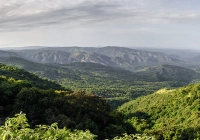
South America is rich in coffee beans, and Bolivia is no exception. Some regions of Bolivia benefit from unique tropical rainforest environments that provide excellent natural conditions for growing organic coffee. Bolivian coffee has a rich and distinctive aroma. Whether it is the fragrance from ground beans or the brewed coffee, the aroma is quite prominent and intense, reminiscent of a blend of floral and fruity notes that leaves a lasting impression.
Pour-over Method
Pour-over Bolivian coffee: 15g of coffee grounds, medium grind (Fuji Royal grinder setting 4), V60 dripper, water temperature 88-89°C. First pour with 30g of water for a 27-second bloom, then pour to 105g and pause. Wait until the water level drops halfway before continuing to pour slowly until reaching 225g. Discard the tail end. Water-to-coffee ratio 1:15, total extraction time 2:00.
Quality Development
Previously, most Bolivian coffee was of average quality, but in recent years specialty coffee production has developed rapidly, with many excellent beans emerging. The COE (Cup of Excellence) system, first implemented in Brazil, has gradually gained popularity, and Bolivia has adopted it as well. On one hand it stimulates coffee farmers' enthusiasm for cultivation, and on the other it aims to improve coffee quality. COE beans, whether as green beans or as brewed coffee after roasting, are superior to ordinary coffee.
Bolivian Coffee Advantages
The advantages of Bolivian coffee lie in its high altitude and excellent coffee varieties. Traditional Typica and small amounts of Caturra grown here are highly regarded on the world market. In the past, Bolivian coffee trees were often planted around gardens as hedges for decoration. Real commercial production only began in the early 1950s. The severe frost of 1957 seriously damaged Brazil's coffee industry, while Bolivia benefited and developed rapidly. Bolivian coffee is grown at altitudes between 180-670 meters, with washed Arabica beans exported to Germany and Sweden. Their flavor is not among the best today and has a slightly bitter taste.
Flavor Profile
Flavor: dry aroma of roasted nuts and almonds, with an entry that reveals the smooth fruity acidity of orange and pomelo. Overall it has a sweet caramel and nutty milk smooth texture, with remarkably impressive cleanliness and balance, and the herbal notes in the aftertaste are quite charming.
Bolivian coffee has a rich and distinctive aroma. Whether it is the fragrance from ground beans or the brewed coffee, the aroma is quite prominent and intense, reminiscent of a blend of floral and fruity notes that leaves a lasting impression.
The acidity is medium to low, but it does not feel monotonous; instead it is composed, elegant, and softly refreshing. When savoring the acidity carefully, you can even sense citrus fruit notes.
The overall flavor of Bolivian coffee is rich and balanced. Besides the pleasant acidity there are subtle chocolate notes, and the smooth texture provides a seamless experience. By comparison, the bitterness is not prominent. The coffee has an excellent aftertaste, with a lingering sweetness in the mouth after drinking, creating an unforgettable coffee experience.
Roasting Information
Manufacturer: Dazhen Coffee FrontStreet Coffee (FrontStreet Coffee)
Ingredients: House-roasted
Shelf Life: 90 days
Net Weight: 227g
Packaging: Bulk coffee beans
Roast Level: Roasted coffee beans
Sugar Content: Sugar-free
Origin: Bolivia
Roast Degree: Medium
Lake Titicaca Copacabana
Country: Bolivia
Altitude: 3812m
Region: Lake Titicaca
Roast Level: Medium roast
Processing Method: Washed
Lake Titicaca is located on the Altiplano plateau on the border between Bolivia and Peru. It is the highest-altitude and largest freshwater lake in South America, as well as one of the world's highest-altitude large freshwater lakes. It is also the world's highest-altitude lake navigable by large ships and the third-largest lake in South America (after Lake Maracaibo and Patos Lagoon).
FrontStreet Coffee Recommendation
The balanced, nutty and gently sweet character of Bolivian coffee has a close cousin in Brazil, and FrontStreet Coffee's Brazilian single origins make an easy next step. FrontStreet Brazil Cerrado Red Bourbon is a classic half-washed Brazilian washed bean: under a medium roast it shows creamy peanut, toast, caramel and hazelnut aromas with a rounded, low-acid body and a light bitterness, and it works well for pour-over, moka pot, espresso SOE, siphon and French press. FrontStreet Brazil Queen Estate is a rarer Yellow Bourbon, a natural mutation of Red Bourbon with a cleaner fruit character; hand-poured or brewed in a moka pot it delivers a sugarcane sweetness, fruit notes and chocolate that few other origins offer. For espresso lovers, FrontStreet Coffee's classic espresso blends also build on Brazilian beans to supply chocolate and cream aroma with a soft, balanced sweet-sour-bitter structure.
For pour-over, FrontStreet Coffee recommends 15g of coffee at a 1:15 ratio with 88-89°C water, a medium grind and a V60, blooming for 27 seconds and pouring to 225g in about 2 minutes. This keeps the nut, caramel and citrus acidity clear while avoiding the slight bitterness that Bolivian coffee can show when over-extracted.
Important Notice :
FrontStreet Coffee is a long-established specialty coffee roaster in Guangzhou China, selling freshly roasted beans from its own farm in Yunnan as well as dozens of carefully selected single-origin beans from around the world for both pour-over and espresso. The products deliver consistently excellent quality and great value, with shipping within 24 hours. Guangzhou's FrontStreet Coffee shop is recommended by many coffee lovers, and the beans are now available online at the Tmall 。
FrontStreet Coffee has moved to a new address:
FrontStreet Coffee Address: 315,Donghua East Road,GuangZhou
Tel:020 38364473
 Scan and follow the En Gafei WeChat official account. Please indicate that the reprint comes from "En Gafei".