Introduction to West Java Coffee Region - How to Brew West Java Coffee
Aromanis "Aimanni": An Indonesian Sweet Inspiration
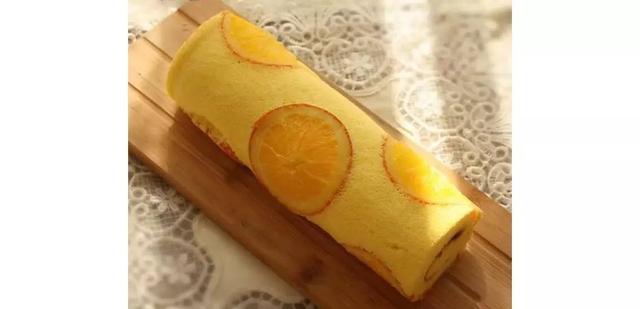
Aromanis "Aimanni" is a traditional Indonesian sweet made from the simplest of ingredients, flour and sugar. Its name was borrowed for this coffee because the beans carry a texture and flavor reminiscent of cotton candy. The coffee itself comes from Ciwidey in Garut, West Java. No rare or special variety is involved here; it is the honey-style drying that draws out such distinctive character. Even so, this flavor profile is not widely known across West Java or the rest of Indonesia.
Coffee Details
Region: Mount Tangkuban Perahu, Indonesia
Altitude: 1400-1600 meters
Roast Level: Light roast
Processing Method: Honey processing
Taste Description: Intense fruit aroma, with plum and jackfruit flavors, clean and sweet aftertaste.
Flavor Profile: Complex floral notes on entry, tropical fruit flavors reminiscent of mango and jackfruit on the palate, rich and smooth mouthfeel, long-lasting aftertaste.
West Java Honey Processing
West Java's Aromanis honey-processed coffee scores as high as 92 points in cupping. The bean's name, Aromanis, is Indonesian for "sweet mango."
At the estate, we tasted a completely different side of Indonesian coffee. The farmers brewed their own coffee for us using the simplest hot-water immersion method, and careful cultivation and processing had allowed the flavor to break free from the established framework of Indonesian coffee. Fruit sweetness, lemon fragrance and even floral notes all came forward in different lots, genuinely overturning our perception of coffee as merely bitter and heavy.
Honey Processing
Honey processing, also called Honey Process or Miel Process, produces what is known as honey coffee. Plantations in Costa Rica, Panama, Guatemala and elsewhere have adopted the method. Honey processing means drying the raw beans with the mucilage still attached. Once the outer pulp has been removed from the coffee cherry, a layer of viscous, gelatinous substance remains. Traditional washed processing rinses it away with clean water, but because water resources are limited in some high-altitude areas, producers developed this direct-drying alternative.
Honey processing is a relatively complex, time-consuming and demanding method. The first step is to select high-quality fruit, then remove the pulp while leaving the parchment intact, which is the core of the process. The parchment is rich in sugars and acids that slowly migrate into the beans during drying. The second step is drying, the single most important condition for producing high-quality beans.
Honey processing lets coffee retain the cleanliness of the washed method. Although brightness decreases somewhat, sweetness and caramel flavors increase. Depending on how much mucilage is left on the bean, honey coffees are classified as yellow honey, red honey and black honey. The great advantage of the method is that it best preserves the original sweetness of ripe coffee fruit, giving the cup elegant brown-sugar and nut-kernel sweetness, while berry flavors support a red-wine-toned aroma, making it a very elegant product.
Varieties: Jember, S-795
Altitude: 1400-1600 meters
Flavor: Fruity, plum and jackfruit flavors, clean sweet aftertaste
West Java, Indonesia
After the cherries are picked from the branches and separated from the fruit, the beans are rinsed and dried immediately. They are turned every hour to ensure even drying, including at midnight. "This is very important at night because of the high humidity," said Ariev of Transform Coffee (August 5, 2014).
The processing takes 25-26 days. It is no surprise that Aromanis beans are slightly more expensive than ordinary coffee. The Coffee Farmers' Cooperative sells Aromanis green beans at 130,000-150,000 rupiah per kilogram, while Transform Coffee offers them at a retail price of 80,000 rupiah per 200 g package.
Manufacturer: Coffee Workshop
Shelf Life: 90 days
Net Weight: 227 g
Packaging: Bulk coffee beans
Roast Level: Roasted coffee beans
Sugar Content: Unsweetened
Origin: Indonesia
Roast Degree: Light roast
Brewing Method
For hand-poured West Java coffee, use 15 g of coffee ground to a medium grind (Fuji grinder with ghost-tooth burr, setting #4), a V60 dripper and 88-89°C water. First pour 30 g of water for a 27-second bloom, then pour to 105 g and pause. Wait until the water level drops to half, then continue pouring slowly until reaching 225 g, avoiding the tail end of the extraction. The water-to-coffee ratio is 1:15, with a total extraction time of 2:00.
West Java Honey Processing Aromanis
Country: Indonesia
Estate: Aromani
Region: Mount Tangkuban Perahu
Roast Level: Light roast
Processing Method: Honey processing
West Java is a first-level administrative region of Indonesia, located in the western part of Java Island. It borders the Java Sea to the north and the Indian Ocean to the south, and includes a number of nearshore islands. The province covers 46,300 square kilometers. Java's climate is tropical rainforest, hot and humid year-round. The plains along the northern coast see the highest temperatures, while the mountainous areas are much cooler, and the high humidity often creates an enervating climate.
From November to March of the following year is the northwest monsoon period, bringing more rain and cloud; from April to October is the southeast monsoon period, with more sunny days and less rainfall. Jakarta's average annual rainfall is about 1,760 millimeters (69 inches). Jakarta's average daily maximum temperature is 30°C (86°F) and its minimum is 23°C (74°F). In the inland highlands of Tosari (elevation 1,735 meters, or 5,692 feet), the average temperature range is 22-8°C (72-47°F). Because volcanic ash periodically renews the land, Java's soil is very fertile.
FrontStreet Coffee Recommendation
West Java's honey processing shows how far Indonesian coffee has moved beyond the heavy, earthy stereotype, and FrontStreet Coffee's Indonesian lineup follows the same pursuit of layered flavor. FrontStreet Coffee PWN Golden Mandheling is the flagship of the range. Sourced by the PWN company from carefully purchased high-grade Mandheling lots and held to strict selection standards, it is screened by machine and then sorted by hand, leaving large, even, clean beans. Freshly roasted to a medium-dark level, it cups with sandalwood, herbs, spice, roasted hazelnut, caramel and dark chocolate, with a clean, rich and lingering finish.
For the classic wet-hulled profile, FrontStreet Coffee Lintong Mandheling comes from the Lake Toba area of the Lintong region. Sumatra's wet-hulled method removes the parchment while the beans are still half-dry, leaving them exposed to the air as they finish drying, which is where the signature herbal and spice character comes from. Roasted medium-dark to keep acidity low, it delivers caramel, dark chocolate and toast aromas with a long, sweet aftertaste. It suits anyone who prefers a full-bodied, low-acid cup.
If you want that Indonesian depth in an espresso, FrontStreet Coffee Classic Blend adds a portion of medium-dark Mandheling to a Brazilian base with a small amount of Robusta. The result is a thick, syrupy shot with butter, roasted chestnut and caramel notes, plus the sandalwood, herbal and spice accents that only Mandheling brings.
Important Notice :
FrontStreet Coffee is a long-established specialty coffee roaster in Guangzhou China, selling freshly roasted beans from its own farm in Yunnan as well as dozens of carefully selected single-origin beans from around the world for both pour-over and espresso. The products deliver consistently excellent quality and great value, with shipping within 24 hours. Guangzhou's FrontStreet Coffee shop is recommended by many coffee lovers, and the beans are now available online at the Tmall 。
FrontStreet Coffee has moved to a new address:
FrontStreet Coffee Address: 315,Donghua East Road,GuangZhou
Tel:020 38364473
 Scan and follow the En Gafei WeChat official account. Please indicate that the reprint comes from "En Gafei".