The Origin of Guatemala Cacisé Coffee, The Story of Guatemala Cacisero
Guatemala Cacisero
This coffee is aromatic and pure, with unique floral notes and lemon-like acidity, perfectly balanced by rich, elegant flavors and a smooth body, finishing with a dark cocoa aftertaste.
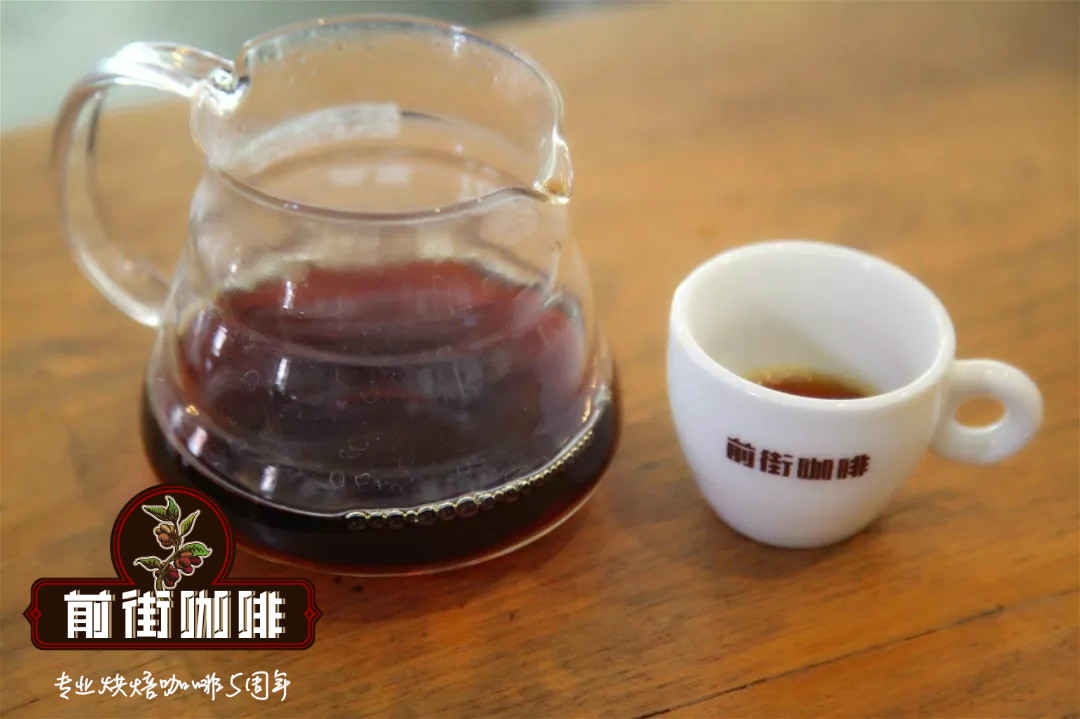
Cacisero means "like paradise" in Spanish. We worked with Seattle's most renowned culinary masters to create a coffee that pairs beautifully with fine cuisine. It is wonderful alongside a main course or dessert, and especially delicious with vegetables, cheese, dark chocolate, or berries.
Related Reading
The Republic of Guatemala, or Guatemala for short, lies in the western part of Central America. It covers 108,000 square kilometers, and mountains make up two-thirds of its territory.
Guatemala has long been known as the "Land of Forests." It is said that in the indigenous language, the word "Guatemala" means "land of dense forests." The country is rich in precious mahogany. Though it lies in the tropics, its topography shapes the climate: Guatemala City, at an altitude of 1,500 meters, has weather very similar to Kunming in China's Yunnan province — the "City of Eternal Spring" — with an average annual temperature of 20.5°C.
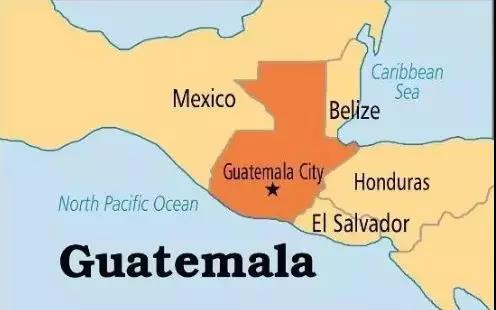
The population is 8.49 million, with Catholics accounting for 90% of the national population. Spanish is the national language, alongside indigenous languages, and some people can communicate in English. The capital is Guatemala City, and the currency is the Quetzal.
Guatemala is the birthplace of ancient Mayan culture. It gained independence in 1821, joined the Central American Federation in 1923, and established a republic in 1839.
Guatemala, Honduras, Nicaragua, and Costa Rica cooperate economically and have established the Central American Economic Cooperation Organization. The organization's bureau is based in Guatemala and is responsible for drafting economic development plans and organizing their implementation. These countries engage in international economic cooperation, with Guatemala responsible for food and related industries as well as tires, groceries, and processing.
The embroidery on Guatemalan men's and women's clothing carries meaning beyond decoration: feathered serpents and the sun symbolize the Mayan people. Social status, marital status, and whether a garment is for daily wear or festive occasions can also be read through subtle variations in the clothing.
Local people have a relatively relaxed sense of time.
Note: it's best not to discuss business at people's homes or in front of their families. A handshake is customary when meeting. Good friends greet each other with hugs and pats on the shoulder. When women meet, if they are friends, they gently embrace and kiss each other's cheeks. When invited as a guest, you can give the host a bouquet of flowers or candy as a gift.
In Guatemala, both 13 and 14 are considered unlucky numbers.
In Central America, and especially in the deep forests and mountains of northern Guatemala, lives a relative of the woodpecker — the Quetzal. Quetzal is an indigenous word meaning "golden-green feathers." It is a famous "forest doctor" and one of the world's most beautiful birds. The female is about the size of a pigeon, with gorgeous plumage all over its body, a red belly and green back, and a head and chest in light colors that shift from yellow to green to red and orange, displaying five colors in magnificent variety.
The Quetzal holds a revered place in the hearts of Guatemalans. It has a noble character and loves freedom, hence its beautiful name, the "Bird of Freedom." Quetzals live in pairs and are inseparable, so they are also a symbol of love; between young men and women, the word means "dear." The beautiful Quetzal is the pride of the Guatemalan people, who regard it as a symbol of freedom, patriotism, and friendship. It has been officially declared the national bird and appears on the national flag, emblem, and currency, and the law prohibits capturing Quetzals.
Few places in the world offer the variety of high-quality coffee beans that Guatemala produces. The reason Guatemalan beans reach such quality lies in the unique conditions of their growing regions: the differing climates of each area, the fertile volcanic soil, abundant natural water, high mountain ranges, and shady, humid forests.
Guatemala has seven main coffee-producing regions: Antigua, Coban, Atitlan, Huehuetenango, Fraijanes, Oriente, and San Marcos.
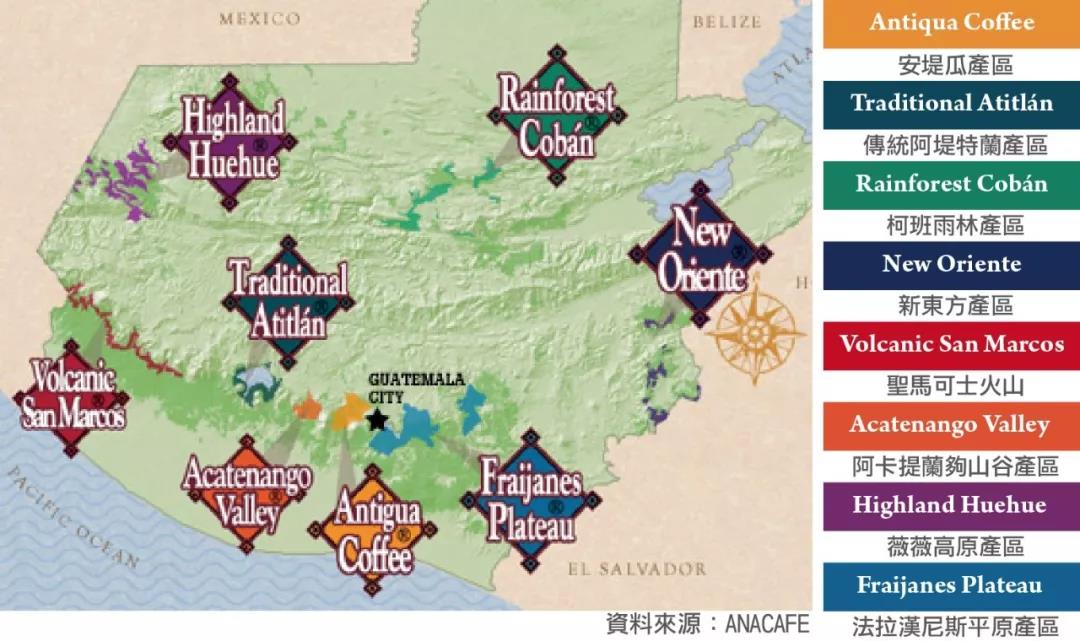
Beans from each region have their own character, and together they have earned Guatemala considerable international acclaim. Antigua stands out in particular, its acidity, sweetness, and rich body so perfectly coordinated, with a hint of smoky flavor that deepens its mystery. Once you taste it, you may find no reason to look elsewhere.
Most Guatemalan beans are grown in high-altitude volcanic areas, in soil suited to the highest grade of Arabica. Because the cherries mature more slowly, the beans are medium-sized and dense (Guatemalan coffee is graded not by bean size but by the number of defects), and they are dark green in color. Aroma, richness, sweetness, and a refreshing, pleasant acidity are their hallmarks, since the aroma and taste of a bean are bound up in its acidity. Only beans with these qualities earn the name of premium coffee.
FrontStreet Coffee Brewing Suggestions — Taking [Small Blueberry Pachi] as an example
Recommended brewing method: pour-over
Dripper: Hario V60
Water temperature: 90°C
Coffee-to-water ratio: 1:15
Grind size: BG 5R (58% pass-through on the Chinese standard No. 20 sieve)
Brewing technique: 28g of water for a 30-second bloom, then pour in stages to 127g; when the water level drops and the coffee bed is about to show, continue pouring to 225g and stop. When the water level drops and the bed is about to show again, remove the dripper (timing starts from the bloom). Extraction time is 1 minute 50 seconds.
Flavor: when grinding, you can smell rich nutty and spicy aromas with some slight fermented berry notes. While hot, the cup is quite balanced, with some fermented fruit aroma and genmaicha tea notes, featuring nutty and almond flavors. As it cools, it reveals citrus, berry, and ripe fruit sweetness and acidity, with a persistent sugarcane sweetness in the aftertaste. Overall it is quite sweet and balanced.
FrontStreet Coffee Recommendation
If you enjoy a balanced cup with soft sweetness, FrontStreet Coffee's Yunnan small-bean is a great everyday pick. It comes from the Baoshan region and is washed and medium-roasted, pouring out gentle nutty and chocolate notes with a light plum acidity — an affordable first taste of Chinese coffee. For a step up, FrontStreet's 2013 Natural Typica is grown on the company's own Yunnan estate from fully ripe red cherries and dried in the sun. Medium-roasted for balance, it brings dark berry notes together with caramel sweetness, chocolate, and a hint of dried apricot, finishing on a black tea note.
If you want a Yunnan espresso instead, try the FrontStreet Black Cocoa Blend, which combines Yunnan small-bean with Brazil Cerrado. The Brazilian portion supplies mixed-nut aroma and a balanced body, while the Yunnan portion carries the chocolate and citrus notes. It pulls a well-rounded Americano with nutty, brown-sugar sweetness, and a latte with smooth almond and cream character — very forgiving for beginners.
Important Notice :
FrontStreet Coffee is a long-established specialty coffee roaster in Guangzhou China, selling freshly roasted beans from its own farm in Yunnan as well as dozens of carefully selected single-origin beans from around the world for both pour-over and espresso. The products deliver consistently excellent quality and great value, with shipping within 24 hours. Guangzhou's FrontStreet Coffee shop is recommended by many coffee lovers, and the beans are now available online at the Tmall 。
FrontStreet Coffee has moved to a new address:
FrontStreet Coffee Address: 315,Donghua East Road,GuangZhou
Tel:020 38364473
 Scan and follow the En Gafei WeChat official account. Please indicate that the reprint comes from "En Gafei".