How to Brew Guatemala Coffee Beans? A Step-by-Step Guide to Pour-Over Brewing
Guatemala: A Renowned Latin American Coffee Origin
As one of Latin America's famous coffee regions, Guatemala produces coffee with the nutty and cocoa notes typical of the area. Because its growing zones enjoy fertile volcanic soil, the beans also carry a faint smoky finish that makes them especially distinctive and has won over many coffee lovers.
Still, enthusiasts who brew Guatemalan beans at home often ask FrontStreet Coffee why their FrontStreet Guatemalan coffee never tastes the way it does in the cafe. What is going wrong? In this article, FrontStreet Coffee explains how to brew FrontStreet Guatemalan coffee beans properly so their best flavors come through.
FrontStreet Coffee's Representative: Guatemalan Antigua Flor Coffee Bean
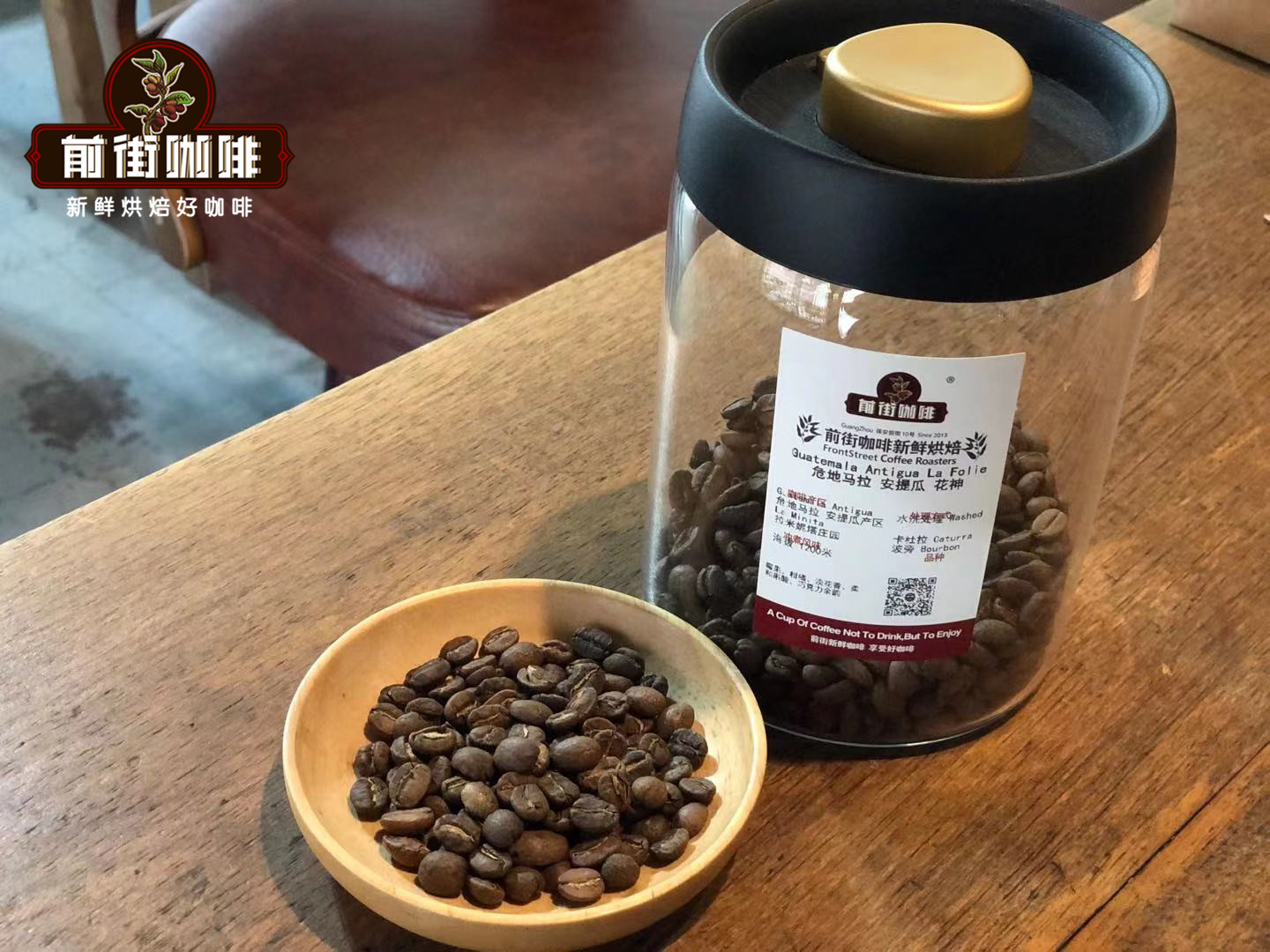
FrontStreet Coffee will use the most representative FrontStreet Guatemalan Antigua Flor coffee bean for this demonstration.
Coffee Bean Details
Country: Guatemala
Region: Antigua (La Minita Estate)
Altitude: 1200-1600m
Varieties: Bourbon, Caturra, Catuai
Processing: Washed
Flavor: Citrus acidity, bright fruit acidity, caramel aroma, slight smokiness
Why This Coffee Bean Was Chosen
FrontStreet Coffee chose this bean for the demonstration because it comes from Guatemala's most famous coffee region, Antigua. This region was the first in the country to grow coffee trees. Antigua sits in a valley ringed by three volcanoes (Agua, Fuego, and Acatenango) and is a closed valley, which prevents severe soil erosion. Volcan Fuego among them is active and erupts periodically, feeding the soil with rich minerals and making the area extremely well suited to Arabica coffee trees.
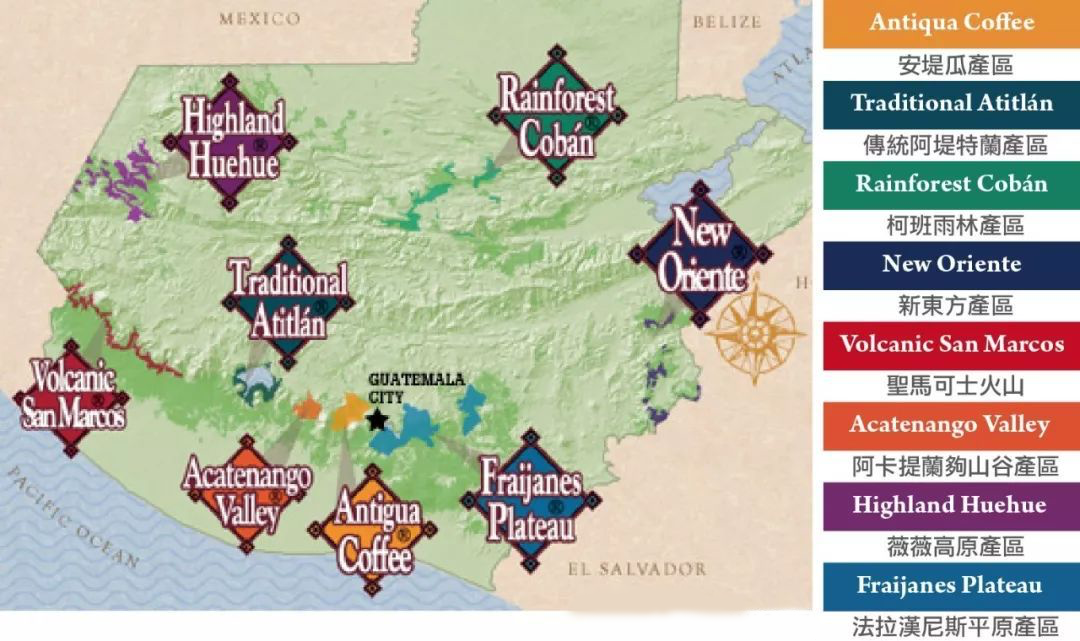
FrontStreet Guatemalan Antigua Flor Coffee Bean Varieties
Second, the varieties used in this bean are the most widely cultivated in Latin America and best reflect the flavor of Guatemalan coffee. Bourbon, Caturra, and Catuai all descend from the Bourbon line, so their flavor profiles show more pronounced sweetness. FrontStreet Coffee will now introduce the three varieties.
Bourbon
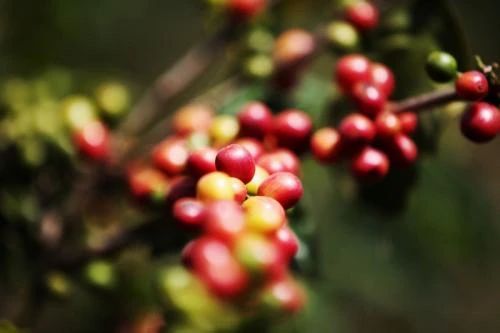
Bourbon coffee was first cultivated on Reunion Island, which was called Bourbon Island before 1789. It originates from a natural mutation of the Typica variety under Arabica and is one of the oldest coffee varieties still in existence.
Typical Bourbon trees mainly bear green fruit that ripens to bright red, which we know as Red Bourbon. The fruit is relatively short and round, so it is also called round-bodied Bourbon. The flesh and seeds are dense, with high sweetness and bright acidity. Besides Red Bourbon there are Yellow Bourbon as well as the rare Orange Bourbon and the prized Pink Bourbon.
Caturra
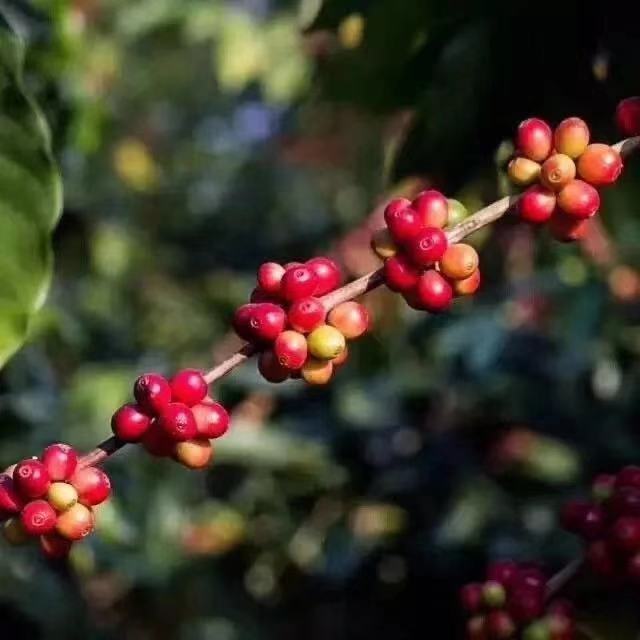
Caturra is a single-gene mutation of Bourbon, discovered in Brazil in 1937. It produces better yields and resists disease better than Bourbon, and the plant is shorter, which makes harvesting easier. Unfortunately, like Bourbon, it suffers from a biennial production cycle. Its flavor is comparable to Bourbon, or slightly inferior. More importantly, it adapts extremely well and does not need shade trees, thriving directly under intense sun, which is why it is commonly called sun-grown coffee. It tolerates high-density planting but needs more fertilizer, raising costs, so farmers were slow to accept it at first.
Catuai
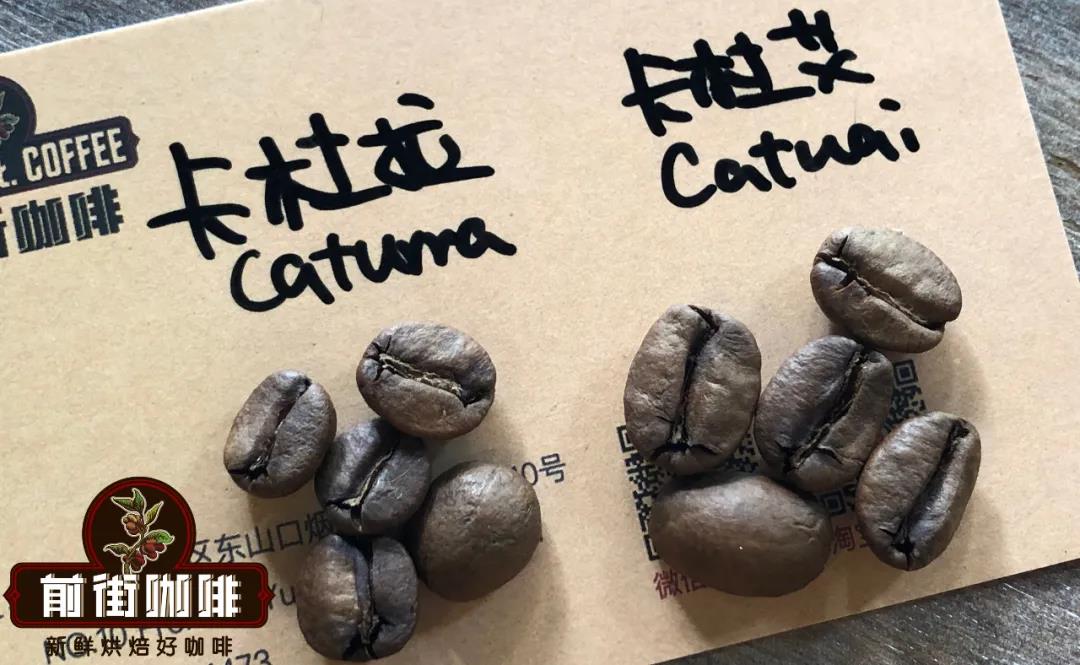
Catuai is an Arabica hybrid, a cross between Mundo Novo (New World) and Caturra. It resists natural disasters better, especially wind and rain. It inherits Caturra's short stature, addressing a weakness of Mundo Novo. Another advantage is its firm fruit set, so the cherries are less likely to fall in strong wind, making up for Arabica's fragile nature. But its overall flavor is more monotonous than Caturra and lacks Mundo Novo's body, which is its greatest regret. Its bearing life is only about ten years, another weakness.
FrontStreet Guatemalan Antigua Flor Coffee Bean Processing
According to FrontStreet Coffee's understanding, this FrontStreet Guatemalan Flor coffee bean is a brand under the La Minita company. The company has an excellent reputation for green bean processing and quality control. So when developing this FrontStreet Flor coffee bean, they gave the La Minita estate in Guatemala's Antigua region industry-standard cultivation and processing technology and sent specialist staff to Guatemala to take part in quality control management.
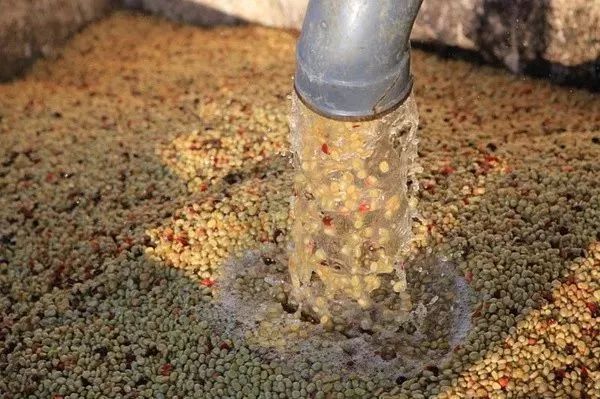
They entrusted the green beans to Las Pastores, the largest and most famous washed processing plant in Antigua. Coffee processed through this washed plant shows rich floral and tea aromas, abundant acidity, and excellent sweetness on entry, for a clean and refreshing taste. La Minita therefore named this bean "Flor" for production and sale.
Such a flavor profile also owes a lot to excellent washed processing. The special feature of the washed method is that it makes bean flavors brighter and cleaner, and it is the method that best reflects a bean's original flavors. With Flor beans already having good inherent quality, using washed processing is truly adding flowers to brocade.
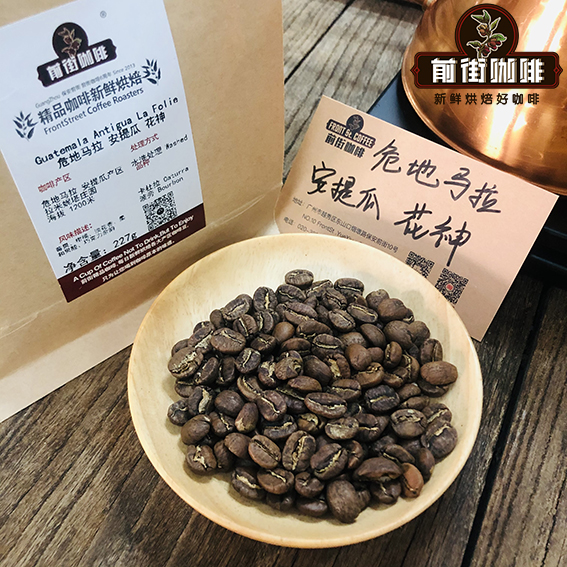
As described above, the FrontStreet Guatemalan Antigua Flor coffee bean introduced by FrontStreet Coffee is indeed of excellent quality. So how do we properly bring out its flavors? FrontStreet Coffee will now demonstrate the brewing process for FrontStreet Guatemalan coffee beans.
FrontStreet Guatemalan Coffee Pour-Over Tutorial
FrontStreet Coffee believes that to brew a good pot of coffee, you should focus on four things: water temperature, grind size, coffee-to-water ratio, and brewing technique.
1. Water Temperature

When brewing beans of different roast levels by pour-over, FrontStreet Coffee also chooses different water temperatures. During roasting, substances inside the beans are lost as the roast deepens. So for dark-roasted beans, the temperature is lowered to avoid extracting excessive undesirable flavors. For light to medium roasts, FrontStreet Coffee recommends 90-91 degrees Celsius. For medium-dark roasts such as FrontStreet's PWN Golden Mandheling, FrontStreet Coffee recommends 87-89 degrees Celsius.
This FrontStreet Guatemalan Flor coffee bean is dominated by citrus and fruit acidity, and FrontStreet Coffee uses a medium roast to highlight that character, so it controls the brewing water at 90-91 degrees Celsius.
2. Grind Size
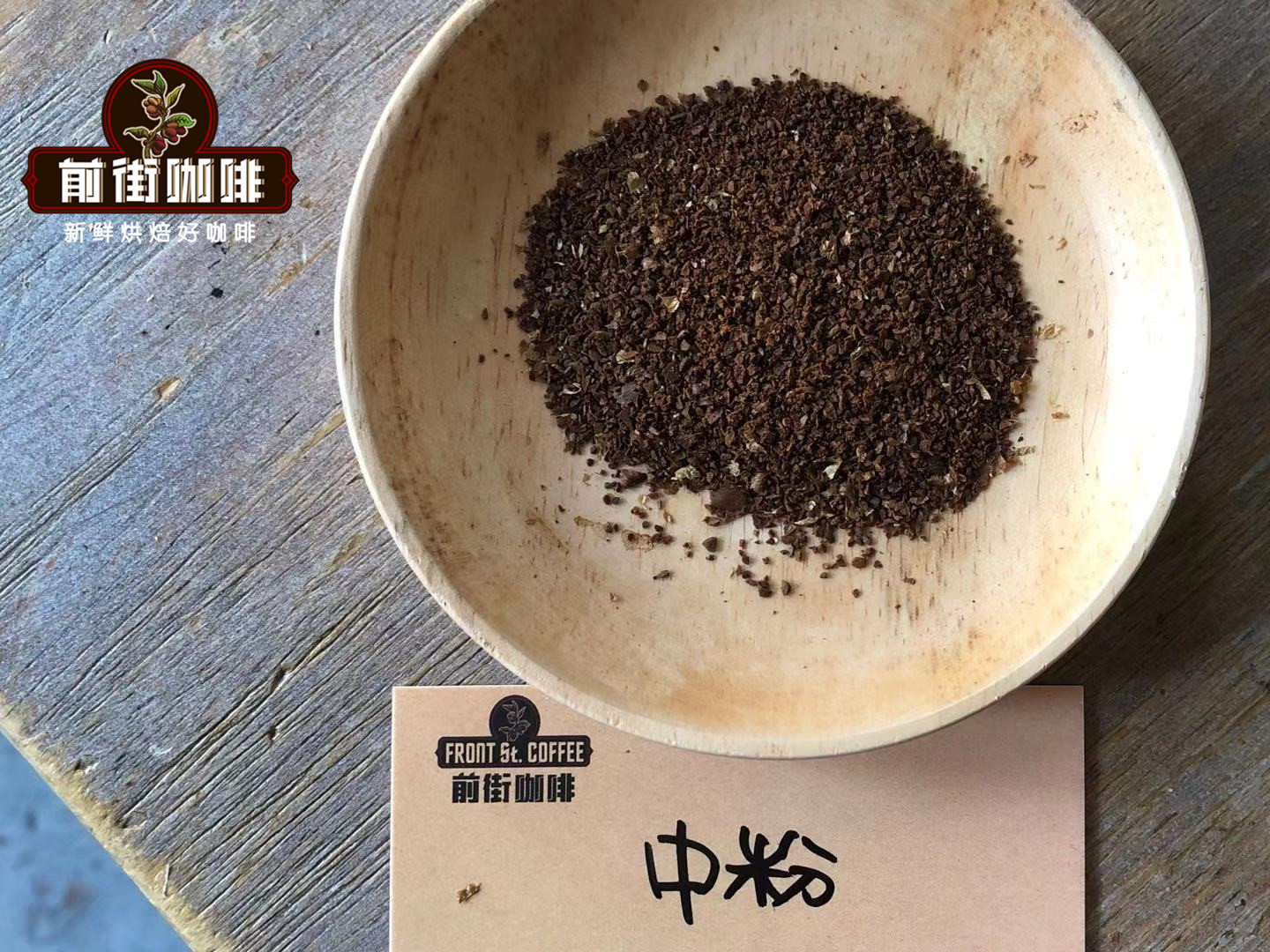
Grind size refers to the size of the coffee particles, because it affects how long the coffee and water stay in contact. The finer the grounds, the more the water can extract in the same time, but a fine grind easily leads to over-extraction. Conversely, the coarser the grind, the less the water extracts in the same time, but a coarse grind easily leads to under-extraction.
Because everyone's grinder is different, the settings vary too. FrontStreet recommends buying a #20 cupping calibration sieve with a 0.85mm aperture. Take 10g of beans, adjust to an approximate grind, grind into powder, then pour it into the sieve and sift. Weigh the sifted powder. Sifting must continue until no more powder passes through to be considered complete.
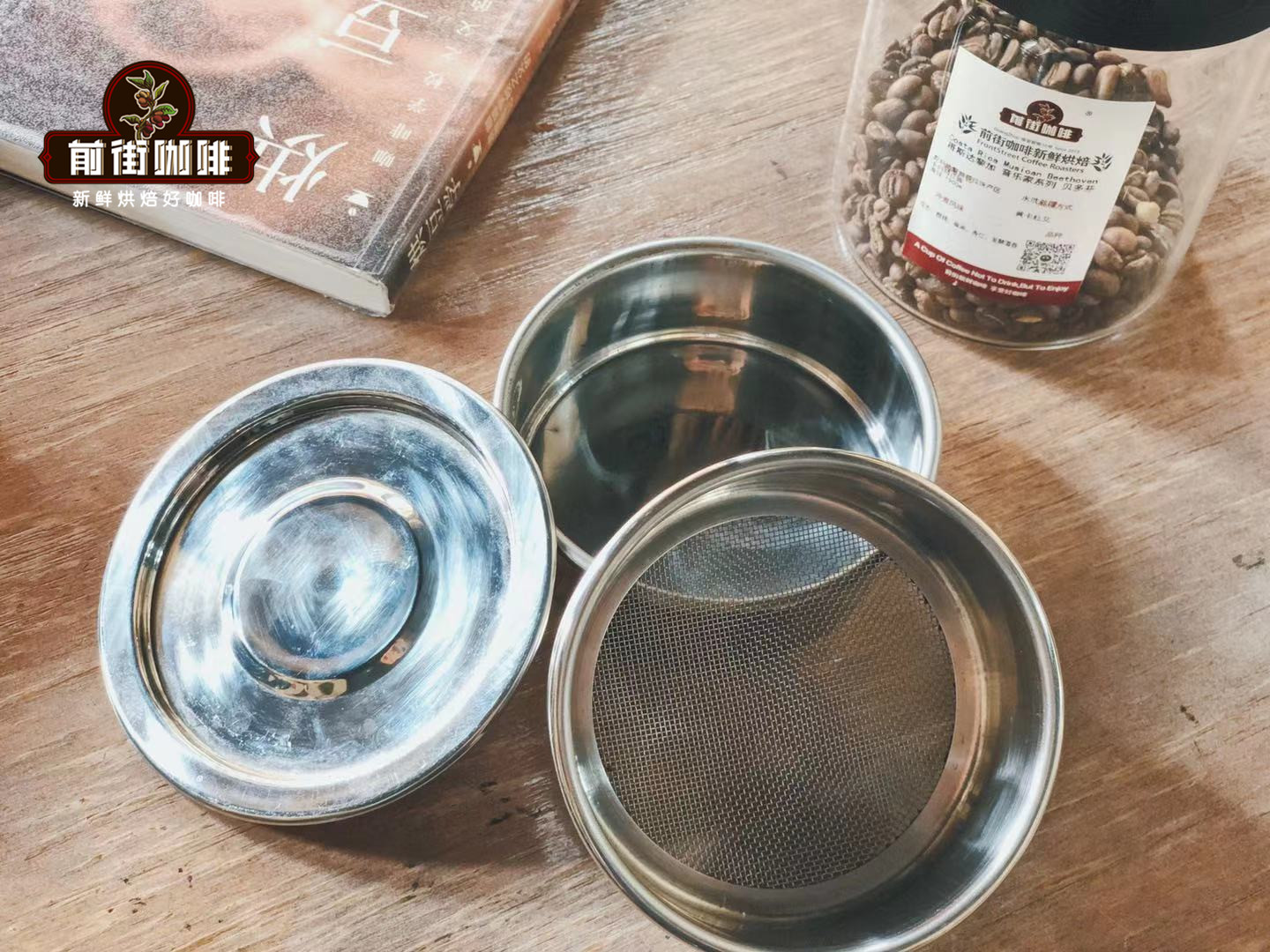
If the pass-through rate is 80% (10g of powder yields 8g), that is the most suitable grind for light to medium roast beans. For medium-dark roasts, the grind should pass 70%-75% (10g yields 7-7.5g). If it exceeds the appropriate rate, adjust coarser. If it falls short, adjust finer.
3. Coffee-to-Water Ratio
This is the pour-over water-to-coffee ratio taste distinction that FrontStreet Coffee derived from SCAA Golden Cup extraction theory:
Rich Flavor: 1:10-1:11 (equivalent to Golden Cup standard 1:12.5-1:13.5)
Medium Flavor: 1:12-1:13 (equivalent to Golden Cup standard 1:14.5-1:15.5)
Light & Fresh: 1:14-1:16 (equivalent to Golden Cup standard 1:16.5-1:18.5)
A ratio of 1:14.5-1:15.5 most easily reaches the golden range of an 18%-22% extraction yield and 1.15%-1.35% concentration.
FrontStreet Coffee therefore suggests using the foolproof 1:15 ratio when brewing this FrontStreet Guatemalan Antigua Flor coffee bean.
4. Brewing Technique
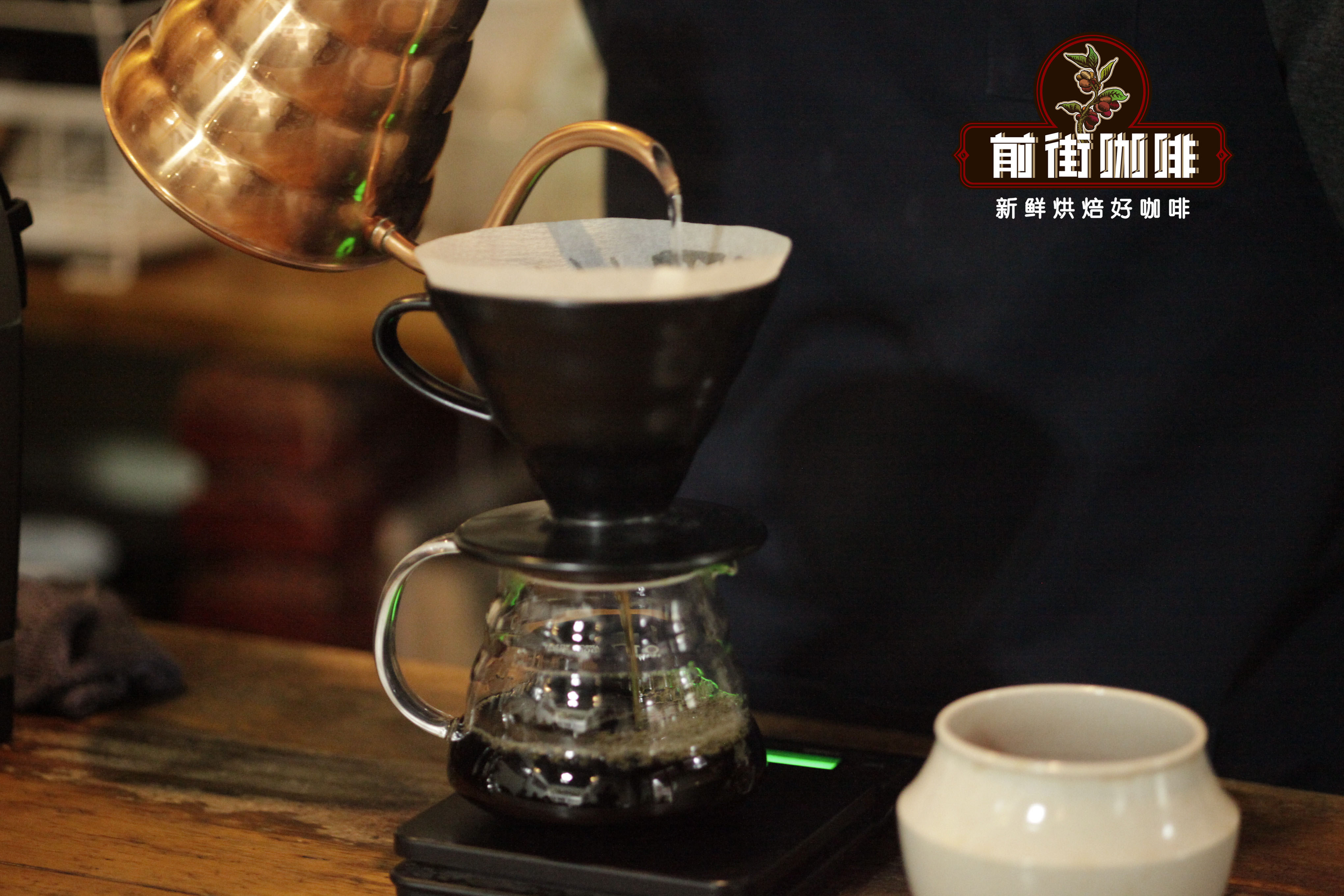
Finally, pour-over technique matters a great deal. Common methods include the three-stage pour, the single-stream pour, and the drip-by-drip pour. FrontStreet Coffee recommends beginners use the three-stage pour, because it suits light roast, light-to-medium, and medium roast beans. Segmented extraction in the three-stage pour clearly separates the front, middle, and back-end flavors, better guaranteeing the flavor presentation.
As FrontStreet Coffee mentioned above, the brewer must use a stable pouring method, pouring water of the right temperature and volume over the grounds to extract the coffee liquid and brew a delicious cup. After all, pour-over coffee is an art form: just as cooking a dish needs both fresh ingredients and attention to heat and skill, pour-over is no exception. FrontStreet Coffee will now teach the three-stage pour for pour-over coffee.
Three-Stage Pour Technique:
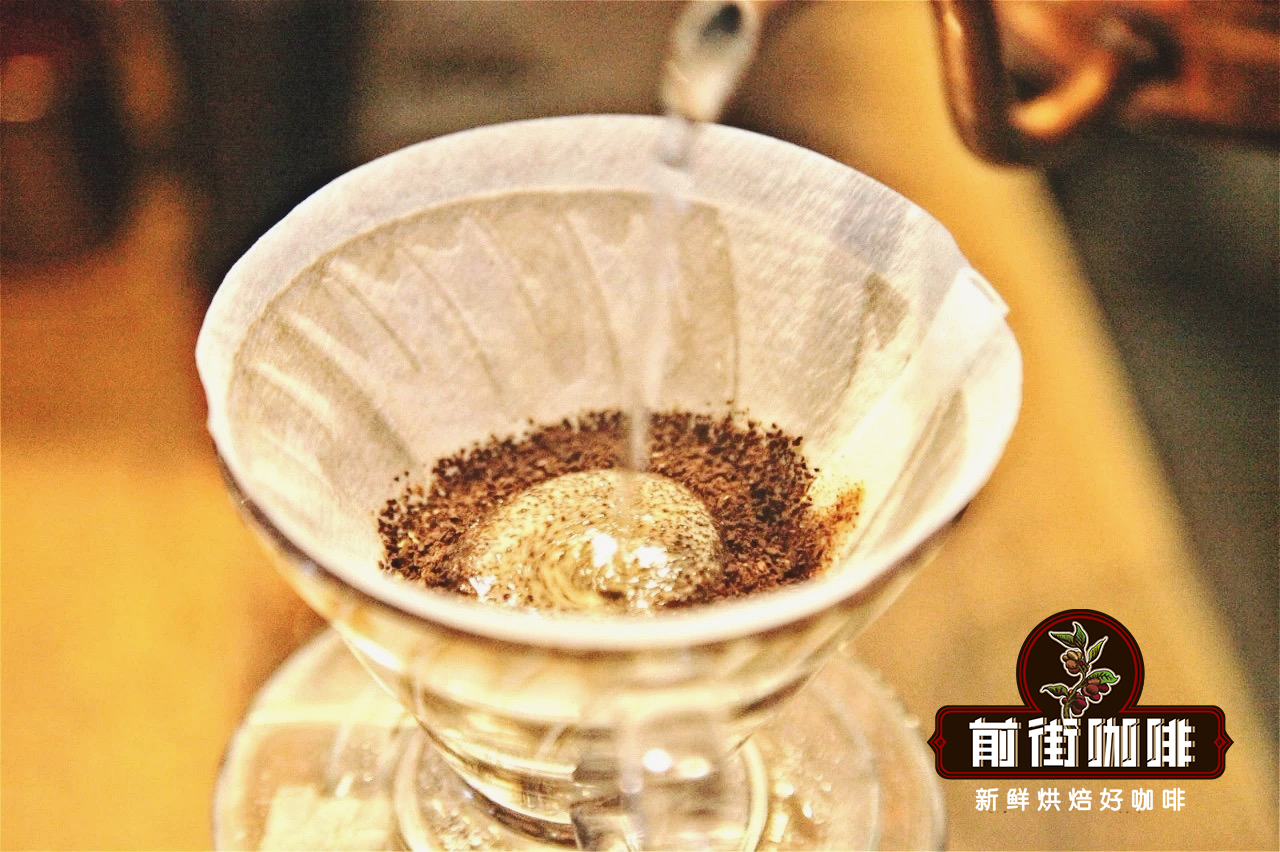
First Pour: Bloom (Helps Release Gas)
Many enthusiasts do not understand the purpose of the bloom. The reason for blooming is that coffee beans go through a series of chemical reactions and physical changes during roasting, from green beans to roasted beans. Once a certain roast level is reached, the beans accumulate large amounts of gas, mostly carbon dioxide.
Generally, the fresher the beans and the closer to the roast date, the more bubbles appear during the bloom. Dark-roasted beans also release more gas during the bloom than light-roasted beans. FrontStreet Coffee's beans are all freshly roasted, so it is generally recommended that customers rest them for three days first, letting the carbon dioxide escape. This avoids instability and under-extraction during brewing.
Once the bloom releases the gas, the coffee particles can absorb water evenly, allowing more uniform extraction later. A good bloom helps the grounds release gas quickly, fully, and evenly while also letting them contact water fully and quickly, which helps them extract evenly. These are precisely the purpose and significance of the bloom.
Second Pour
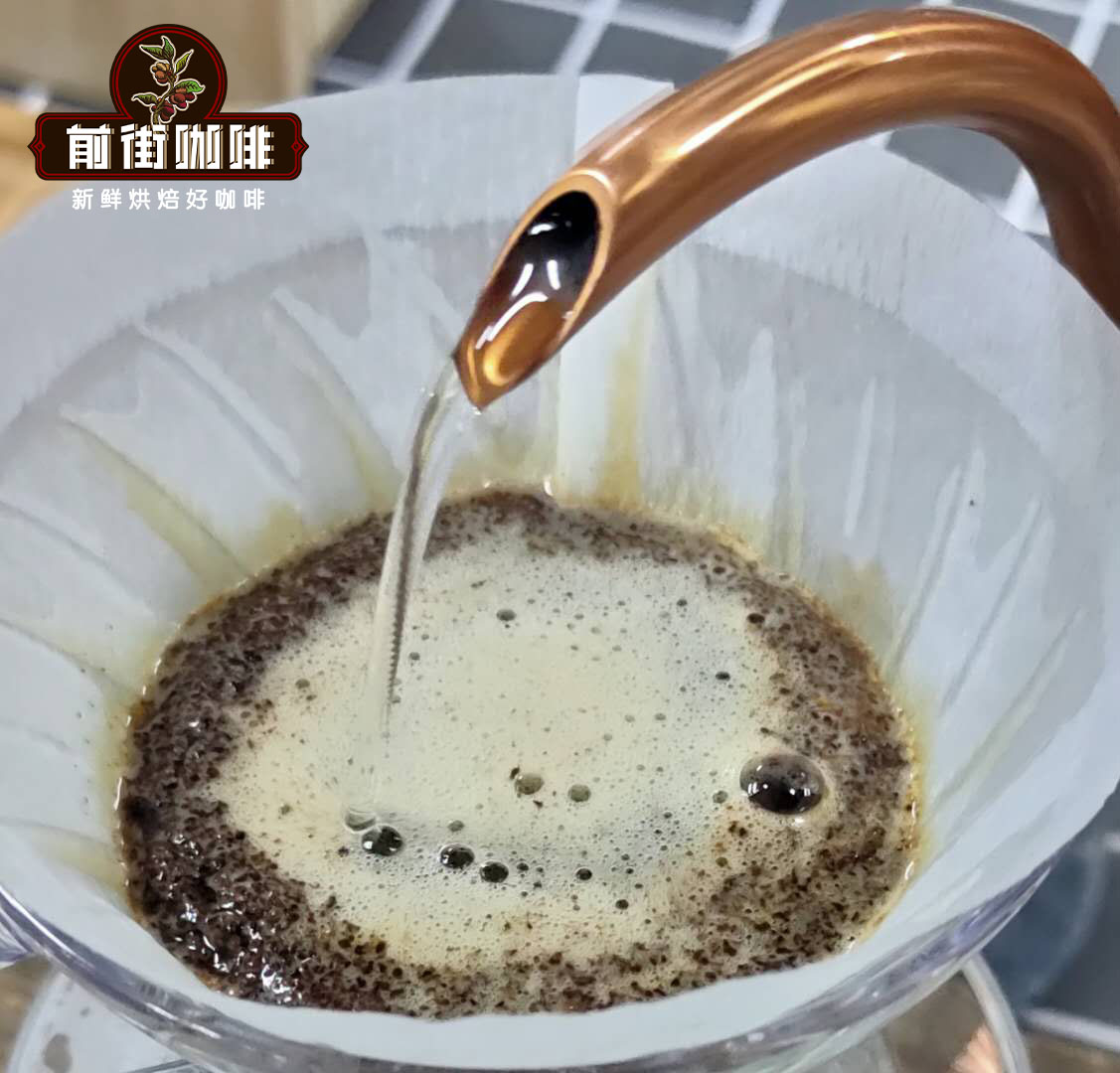
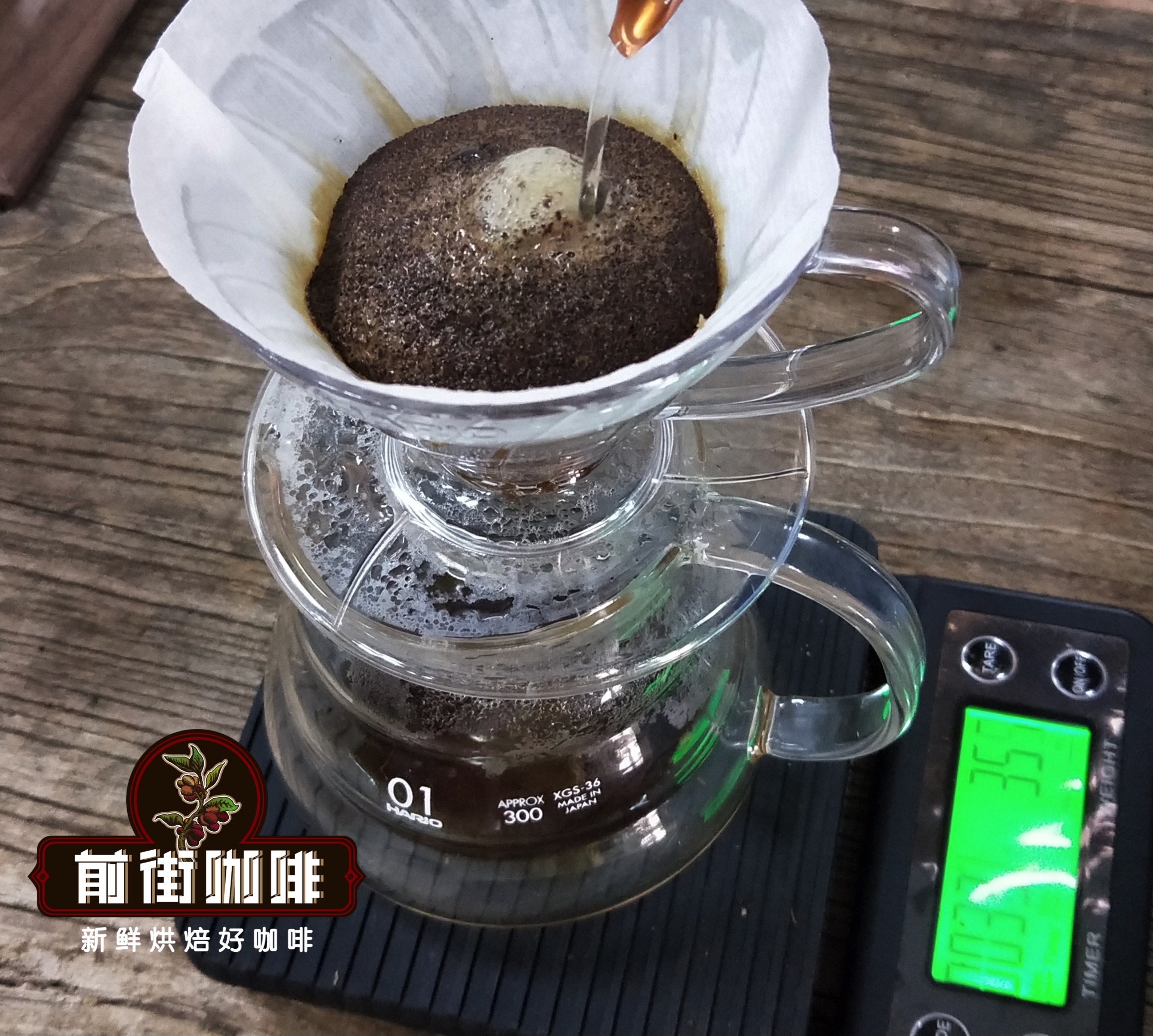
The second pour starts from the center, injecting into the bottom of the coffee bed with a small stream. To concentrate the stream's penetrating power, the circular movement should be small, about the size of a one-yuan coin, then expand outward. From the second pour on, pay attention to the water volume and try not to exceed the height of the coffee bed. That is, when the water level approaches the filter paper, you can stop pouring.
Third Pour
As the thicker layer of grounds near the filter paper becomes heavier from absorbing water and slides down and thins as the water level drops, you can perform the third pour when the water level drops to halfway.
From the third pour on, observe how far the water level drops. Begin pouring from the center in circular motions again, with the water volume not exceeding the height of the coffee bed. At this point you will also see that foam has filled the surface. The third pour needs to increase the tumbling of the coffee particles, so that all settled particles tumble and dissolve their soluble substances.
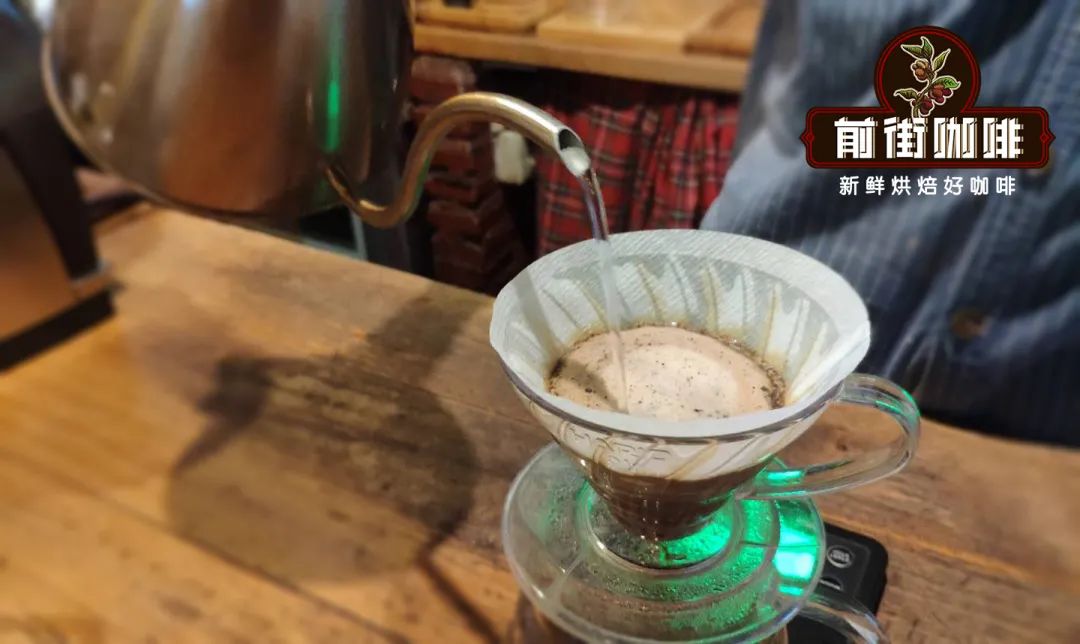
The tumbling particles begin to settle once water addition stops. At that point, rely on the flow caused by the dropping water level to create friction between the coffee particles. Once water addition stops, the coffee particles sink and cause blockage, so pay special attention to the rhythm of water addition. Too many interruptions amount to continuously soaking the coffee particles in water, which leads to astringency and undesirable flavors in the tail-end extraction.
The above is the three-stage extraction method compiled by FrontStreet Coffee, which is also known as the "segmented" extraction method. FrontStreet Coffee will now share how to brew this FrontStreet Guatemalan Antigua Flor coffee bean.
FrontStreet Coffee Brewing Data Sharing
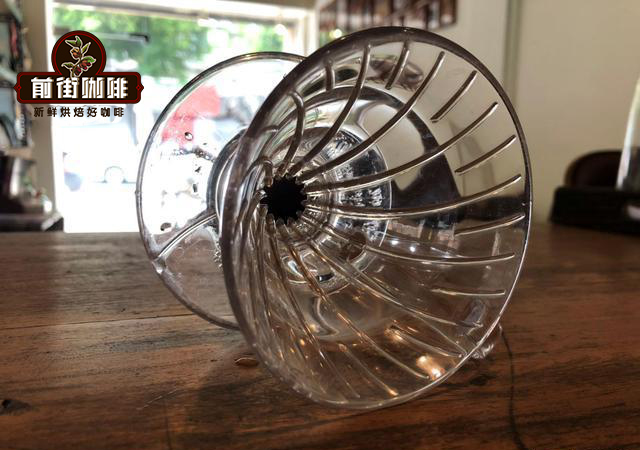
Dripper: V60 #01
Water Temperature: 90-91 degrees Celsius
Coffee Amount: 15g
Coffee-to-Water Ratio: 1:15
Grind Size: BG6m/medium-fine grind (80% pass-through rate with #20 sieve)
Brewing Technique: Three-stage extraction
First stage: pour 30g of water for a 30-second bloom. Then pour 95g (the scale reads around 125g), completing the pour in about 1 minute. When the water level drops to 2/3 of the coffee bed, pour the remaining 100g (the scale reads around 225g), completing in about 1 minute 35 seconds. 2'00"-2'10" drip completion, remove the dripper, finish extraction.
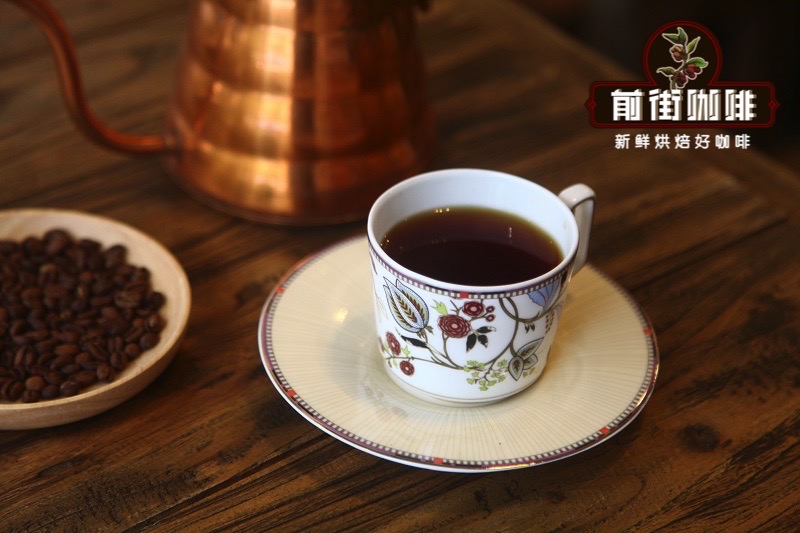
FrontStreet Guatemalan Flor Coffee Flavor Description: Prominent citrus acidity, juice-like acidity, rich floral aroma, pleasant sweetness, medium body, with slight caramel and smoky notes in the finish. Overall clean and gentle, with a smooth texture and balanced, lively, varied layers of flavor.
FrontStreet Coffee Recommendation
The three-stage pour described here works beautifully with light and light-to-medium beans, and FrontStreet Coffee's Ethiopia Natural Huakui is a great place to practice it. Grown from Ethiopia's native heirloom varieties and processed as a natural, it delivers cream strawberry, mango, jackfruit, citrus, and blueberry, with the ripe tropical-fruit character typical of Sidamo naturals.
If you prefer a cleaner, citrus-forward cup in the same style, FrontStreet Coffee's Yirgacheffe Gudingding is a washed Ethiopian bean graded G1 and produced by the Gudingding cooperative. It shows elegant white florals, citrus, orange, and green tea, and it is easy to fall in love with whether you brew it pour-over, as espresso, or as cold brew.
Important Notice :
FrontStreet Coffee is a long-established specialty coffee roaster in Guangzhou China, selling freshly roasted beans from its own farm in Yunnan as well as dozens of carefully selected single-origin beans from around the world for both pour-over and espresso. The products deliver consistently excellent quality and great value, with shipping within 24 hours. Guangzhou's FrontStreet Coffee shop is recommended by many coffee lovers, and the beans are now available online at the Tmall 。
FrontStreet Coffee has moved to a new address:
FrontStreet Coffee Address: 315,Donghua East Road,GuangZhou
Tel:020 38364473
 Scan and follow the En Gafei WeChat official account. Please indicate that the reprint comes from "En Gafei".