Costa Rica Honey Process Geisha Flavor Profile - Honey Process Geisha Coffee Varieties and Prices
Pour-over Yellow Honey: 15g of coffee, medium-fine grind (3.5 on a Fuji mountain ghost-tooth blade grinder), V60 dripper, water at 91-93°C. First pour 30g of water for a 27-second pre-infusion, then pour up to 105g and stop. Wait until the water level in the coffee bed drops to half, then continue a slow pour until you reach 225g. Leave the tail behind. Water-to-coffee ratio is 1:15, extraction time 2:00.
Introducing the Otis Granite Estate
The Otis Granite processing plant in Costa Rica is a relative newcomer. The family cooperative was founded in 1994, but it was not until 2005 that they built their own processing plant, which now has 17 years behind it. The plant sits about 5km north of San Marcos town in the Tarrazu region. Below it are ten coffee estates, including Hacienda Yanón, spread across slopes from 1,500 to 2,000 meters. All of them are graded SHB (Strictly Hard Bean) — the highest grade.
Otis 2,000-Meter Estate Geisha — Gold Honey Process
Flavor: the dry aroma shows delicate spring tea notes mixed with hints of orange peel and chocolate. In the cup you find flower tea, rosehip, and green grape. As the coffee cools it opens up into the juicy sweetness of lemon and peach. The aftertaste brings back orange peel and chocolate.
Shelf life: 90 days
Net weight: 100g
Packaging: Bulk coffee beans
Roast level: Roasted coffee beans
Sugar content: Sugar-free
Origin: Costa Rica
Roast degree: Light roast
Mention Geisha coffee beans and many people are swept up by their wonderful floral aromas and rich fruit sweetness. In 2015 there was another big wave of Panama Geisha enthusiasm, which led plenty of drinkers to assume that Geisha must be a variety exclusive to Panama. Not so. Geisha was first discovered in Ethiopia in 1931, and through a long series of transplantings and cultivation it later found a home in other countries and regions.
Costa Rican Geisha tends to carry more body than Panamanian Geisha. If Panamanian Geisha is a fresh, light style, Costa Rican Geisha is the more reserved one.
Costa Rica sits on the Central American isthmus at 10°N latitude, 84°W longitude. It borders the Caribbean Sea to the east and the North Pacific Ocean to the west, and lies on the low-latitude volcanic belt of Central America. The central plateau and mountain regions run from roughly 800 to 2,000 meters, which suits coffee growing well. Costa Rican coffee has always been known for its extremely balanced, clean, and bright profile, with a fruity acidity reminiscent of berries. Outstanding Costa Rican coffee shows spice and cocoa in the aftertaste. The country's most famous growing region is Tarrazu, near the capital San José. Tarrazu has the highest average latitude along with excellent climate and soil, making it the most famous and generally accepted best coffee-producing region in Costa Rica. Tres Rios is a well-known sub-region within Tarrazu. The most renowned Costa Rican single-estate coffee in the specialty world is La Minita estate in Tarrazu, with an annual production of only 160,000 pounds.
Costa Rica Tarrazu Honey Geisha
Country: Costa Rica
Grade: SHB
Region: Tarrazu
Roast degree: Light roast
Processing method: Honey process
The Honey Processing Method:
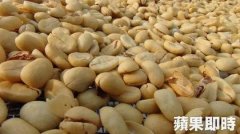
After the skin and pulp are removed, the beans are dried with the mucilage still on them. What separates one honey process from another comes down to that remaining mucilage: how much is left on the bean, how long it dries, and how it is dried.
What Defines Honey Processing:
At harvest the sugar content is tested first, and only cherries reading between 21-22% are picked. Honey processing also differs from other methods in that it depends on drying on AFRICAN BEDS. Dried directly on cement floors or on the ground, the beans are easily scratched during turning, which invites bacterial contamination; ground sun-drying can also push earthy flavors into the coffee.
How Honey Processing Tastes Compared with Washed:
More sweetness than washed processing, higher sugar content, and relatively more body under the same roast degree.
Honey-processed beans need good ventilation while drying, otherwise the mucilage left on them can ferment or turn moldy and throw off-flavors.
The honey methods you will see most often are Yellow Honey, Red Honey, and Black Honey.
Variety: Geisha
Processing plant: Otis Granite processing plant
Flavor: Flower tea, rosehip, green grape
Costa Rica's honey process is distinctive. We recently picked up some Costa Rican red honey beans, which sent us digging into just how this method works.
FrontStreet Coffee Recommendation
Costa Rican Geisha is the more understated side of the variety, so it deserves a brew that lets that quiet structure show. If you want to taste the honey-process style described above, FrontStreet Coffee's Costa Rica Tarrazu honey-process Geisha is a light roast built for pour-over, and it lands right in that flower tea, rosehip, and green grape territory. Grind to a medium-fine setting, use water around 91-93°C, and keep the ratio at 1:15 so the sweetness has room to open up.
For a broader look at the variety, FrontStreet Coffee also carries Panamanian Geisha with the honeyed citrus character that made the name famous. Geisha is a light-to-medium roast floral-fruit style and the beans are dense, so they tend to sink and clog the drain hole; a grind running about 78% through a Chinese No. 20 sieve — roughly fine granulated sugar — with brewing water near 91°C keeps the flow steady. A 15g dose, a small Hario V60, and a 1:16 ratio work well, poured in three stages: start the clock, pour to 30g and bloom for 30 seconds, then a slow circling second pour to 125g, wait for the bed to drop halfway, and finish with a low, gentle circling pour to 225g, for a total extraction of about 2:10 to 2:20.
Important Notice :
FrontStreet Coffee is a long-established specialty coffee roaster in Guangzhou China, selling freshly roasted beans from its own farm in Yunnan as well as dozens of carefully selected single-origin beans from around the world for both pour-over and espresso. The products deliver consistently excellent quality and great value, with shipping within 24 hours. Guangzhou's FrontStreet Coffee shop is recommended by many coffee lovers, and the beans are now available online at the Tmall 。
FrontStreet Coffee has moved to a new address:
FrontStreet Coffee Address: 315,Donghua East Road,GuangZhou
Tel:020 38364473
 Scan and follow the En Gafei WeChat official account. Please indicate that the reprint comes from "En Gafei".